
In the rapidly evolving landscape of modern finance, the shift toward decentralized assets has transformed from a niche interest into a cornerstone of a diversified investment portfolio. Bitcoin, often referred to as “digital gold,” offers a unique proposition: the ability to be your own bank. However, with this unprecedented level of financial sovereignty comes a significant responsibility. To participate in the Bitcoin ecosystem safely and effectively, the first and most critical step is acquiring a Bitcoin wallet.
Unlike a physical leather wallet that holds paper currency, a Bitcoin wallet does not actually “store” your coins. Instead, it stores the private keys—complex cryptographic signatures—that allow you to access and move your funds on the blockchain. For the serious investor, understanding how to select, secure, and manage these keys is the difference between long-term financial growth and the devastating loss of capital. This guide explores the financial strategic importance of Bitcoin wallets and provides a comprehensive roadmap for securing your digital assets.

Understanding the Role of Bitcoin Wallets in Your Financial Portfolio
Before diving into the technical setup, it is essential to understand the financial philosophy behind Bitcoin storage. In the traditional banking system, you deposit money, and the bank acts as the custodian. You are, in effect, an unsecured creditor of that bank. In the world of Bitcoin, you have the option of self-custody.
Self-Custody vs. Custodial Solutions
When you buy Bitcoin on a centralized exchange, the exchange holds the keys on your behalf. This is a “custodial” arrangement. While convenient for quick trades, it introduces “counterparty risk”—the risk that the exchange could be hacked, go bankrupt, or freeze your account. For anyone treating Bitcoin as a serious financial asset, transitioning to a “non-custodial” wallet is the primary way to eliminate this risk. By holding your own keys, you ensure that your wealth is truly yours, accessible 24/7 without the permission of a third party.
Why Security is Your Best Investment
In personal finance, we often focus on “alpha” or “yield.” However, in the digital asset space, security is the highest form of yield. A 100% loss due to a hack or lost keys cannot be recovered by market gains. Therefore, the process of getting a Bitcoin wallet should be viewed through the lens of risk management. A robust wallet strategy protects your capital from external threats (hackers) and internal threats (personal negligence).
Selecting the Right Type of Wallet for Your Investment Goals
Not all wallets are created equal. The type of wallet you choose should align with your financial goals, the amount of capital you are securing, and your intended frequency of use.
Hot Wallets for Active Trading and Liquidity
A “hot” wallet is any wallet that is connected to the internet. These usually take the form of mobile apps or desktop software.
- Best For: Small amounts of “spending” money or funds you intend to trade frequently.
- Pros: High liquidity, easy to use, and usually free.
- Cons: Because they are on internet-connected devices, they are more susceptible to malware and phishing attacks.
For a balanced financial strategy, think of a hot wallet as your “checking account.” You wouldn’t keep your entire life savings in your pocket; similarly, you shouldn’t keep your entire Bitcoin holdings in a hot wallet.
Cold Storage: The Gold Standard for Asset Preservation
“Cold storage” refers to keeping your private keys completely offline. By removing the keys from the internet, you effectively eliminate the threat of remote hacking.
- Best For: Long-term savings and large capital allocations.
- Pros: Maximum security; immune to online exploits.
- Cons: Less convenient for daily transactions; requires more careful physical management.
Cold storage is the “vault” or “savings account” of the Bitcoin world. For those looking to build generational wealth, cold storage is not optional; it is a necessity.
Hardware Wallets: The Bridge Between Security and Accessibility
Hardware wallets are physical devices specifically designed to store private keys offline while still allowing for easy transactions when plugged into a computer or connected via Bluetooth. Leading brands like Ledger, Trezor, and Coldcard have become the industry standard for retail and professional investors alike. They provide the security of cold storage with a user interface that makes managing assets intuitive.
Step-by-Step: How to Get and Secure Your First Bitcoin Wallet
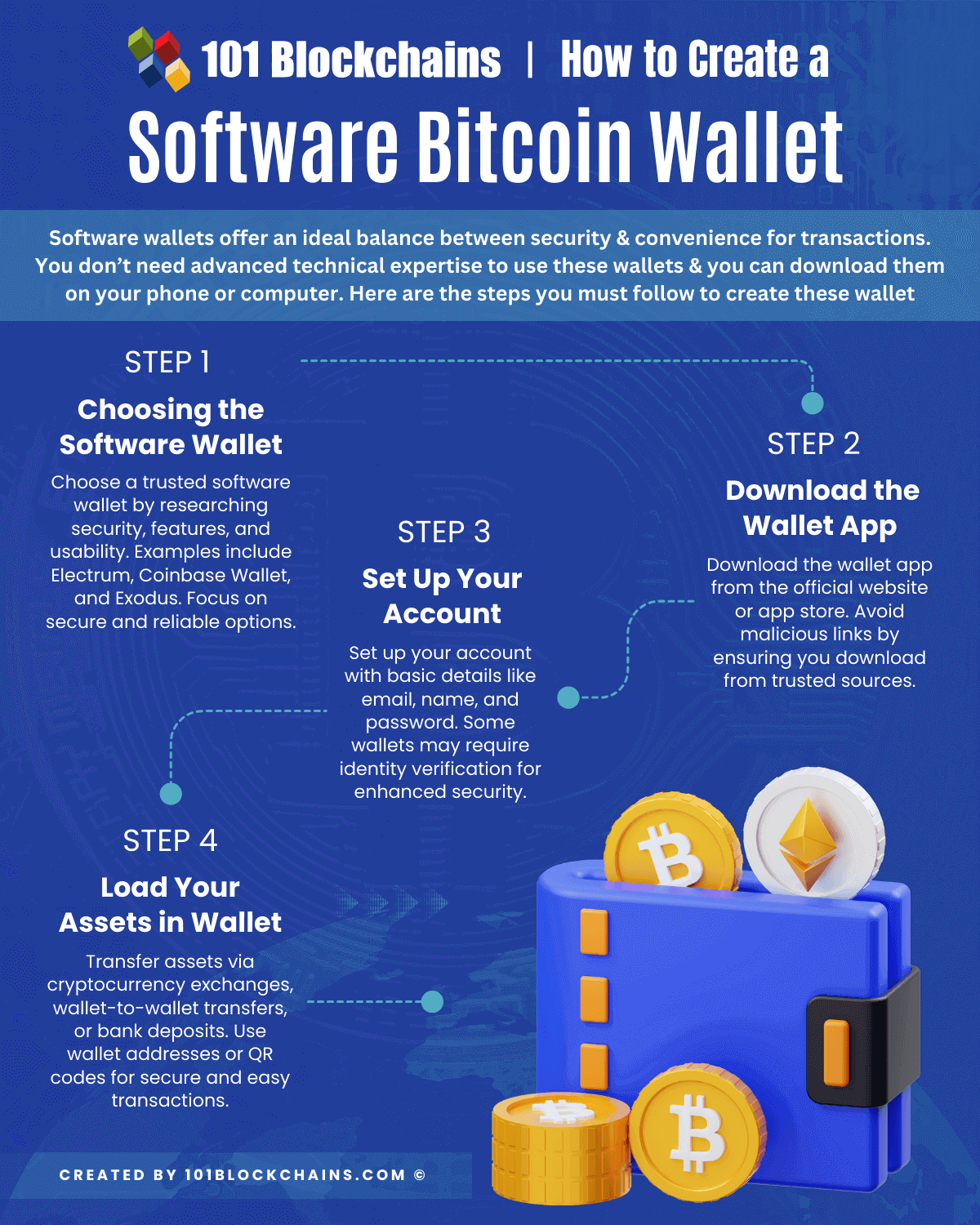
Setting up a wallet is a straightforward process, but it requires meticulous attention to detail. Follow these steps to ensure your financial foundation is solid.
Researching and Purchasing Your Device or App
If you are opting for a hot wallet, stick to well-known, open-source applications like BlueWallet or Blockstream Green. If you are purchasing a hardware wallet, the most important rule is to buy directly from the manufacturer. Never buy a hardware wallet from a third-party site like eBay or an unverified Amazon seller. Tampered devices can lead to the immediate theft of your funds upon setup.
The Setup Process: Generating Your Seed Phrase
When you initialize your wallet, the software or device will generate a “recovery seed” or “seed phrase”—usually a sequence of 12 to 24 random words. This phrase is a human-readable representation of your private key.
- The Golden Rule: Never, under any circumstances, type this phrase into a computer, take a photo of it, or store it in a cloud service (like iCloud or Google Drive).
- The Process: Write the words down on the physical card provided with your device. Double-check every spelling.
Best Practices for Seed Phrase Management
From a financial planning perspective, your seed phrase is the money. If the device breaks, you can use the phrase to recover your funds on a new device. If you lose the phrase, the money is gone forever.
- Redundancy: Store two copies in two different, secure physical locations (e.g., a home safe and a safety deposit box).
- Durability: Consider “steel backups.” Paper can burn or be destroyed by water. Metal plates designed for seed storage ensure that your “bank” survives a house fire or flood.
Integrating Your Wallet into a Modern Financial Strategy
Once your wallet is set up, it becomes a tool for managing your wealth. Professional investors don’t just “get a wallet”; they integrate it into a broader financial workflow.
Moving Assets from Exchanges to Private Storage
After purchasing Bitcoin on an exchange (like Coinbase or Kraken), you should initiate a withdrawal to your new wallet address. It is best practice to send a small “test” transaction first to ensure everything is working correctly. Once the small amount is confirmed in your wallet, you can transfer the remaining balance. This reduces the anxiety of moving significant capital.
Diversifying Across Multiple Wallet Types
As your net worth grows, you may want to utilize a multi-signature (Multi-Sig) setup. This requires two or more private keys to authorize a transaction. For example, you might have one key at home, one in a bank vault, and one with a trusted financial legal professional. This “2-of-3” setup ensures that even if one key is stolen or lost, your wealth remains secure and recoverable.
Navigating Risks and Long-Term Maintenance
Securing wealth is not a “set it and forget it” task. It requires ongoing maintenance and awareness of the shifting digital landscape.
Protecting Against Physical Loss and Theft
While we often worry about hackers, physical security is equally important. Ensure that your hardware wallet is PIN-protected. Most high-quality wallets will wipe themselves after a certain number of failed PIN attempts, preventing a thief from brute-forcing their way into your funds. Furthermore, keep your ownership of Bitcoin private. In the world of finance, discretion is a powerful security layer.
Future-Proofing Your Digital Estate
One of the most overlooked aspects of Bitcoin as a financial asset is inheritance. If you hold your own keys and pass away without a plan, your family will be unable to access those funds. Include your Bitcoin wallet instructions in your estate planning. This doesn’t mean writing the seed phrase in your will (which becomes a public document), but rather providing your heirs with the location of the keys and instructions on how to use them, perhaps through a “dead man’s switch” or a specialized digital asset lawyer.
By following these steps, you are doing more than just “getting a wallet”; you are establishing a sophisticated, private financial infrastructure. In an era of economic uncertainty and digital vulnerability, the ability to securely manage your own assets is perhaps the most valuable financial skill one can possess. Through careful selection of tools and rigorous security protocols, you can ensure that your Bitcoin remains a robust pillar of your financial future.
aViewFromTheCave is a participant in the Amazon Services LLC Associates Program, an affiliate advertising program designed to provide a means for sites to earn advertising fees by advertising and linking to Amazon.com. Amazon, the Amazon logo, AmazonSupply, and the AmazonSupply logo are trademarks of Amazon.com, Inc. or its affiliates. As an Amazon Associate we earn affiliate commissions from qualifying purchases.