
The Powerball lottery represents one of the most significant financial phenomena in modern history. While millions of participants view it as a game of chance, for the savvy observer, it is a study in liquidity, risk management, and the complexities of sudden wealth. Understanding the logistical details—such as what time the drawing occurs—is merely the entry point into a much larger conversation regarding personal finance and capital allocation.
The Powerball drawing takes place every Monday, Wednesday, and Saturday at 10:59 p.m. Eastern Time. These drawings are broadcast live from the Florida Lottery studio in Tallahassee. However, the financial implications of those few minutes extend far beyond the mechanical rotation of the drum. For anyone engaging with this level of potential capital, understanding the intersection of timing, taxes, and long-term wealth strategy is essential.
The Logistics of the Draw and the Economics of Participation
The specific timing of the Powerball drawing—10:59 p.m. ET—is strategically placed to capture a national audience while allowing for the closing of ticket sales across multiple time zones. Typically, the “cutoff” for purchasing tickets occurs one to two hours before the drawing, depending on the jurisdiction. From a financial perspective, these hours represent a massive influx of micro-investments into a centralized pool.
The Mathematics of the Entry
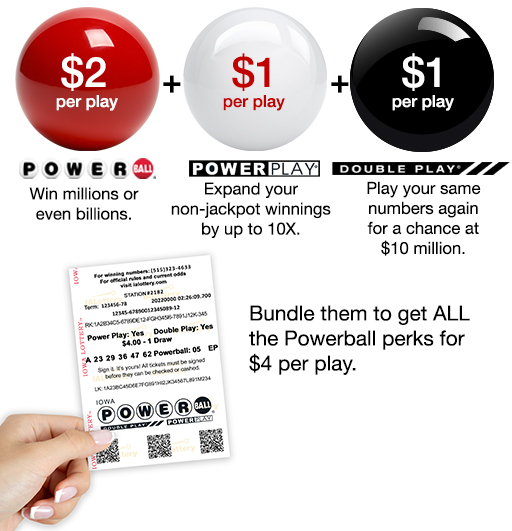
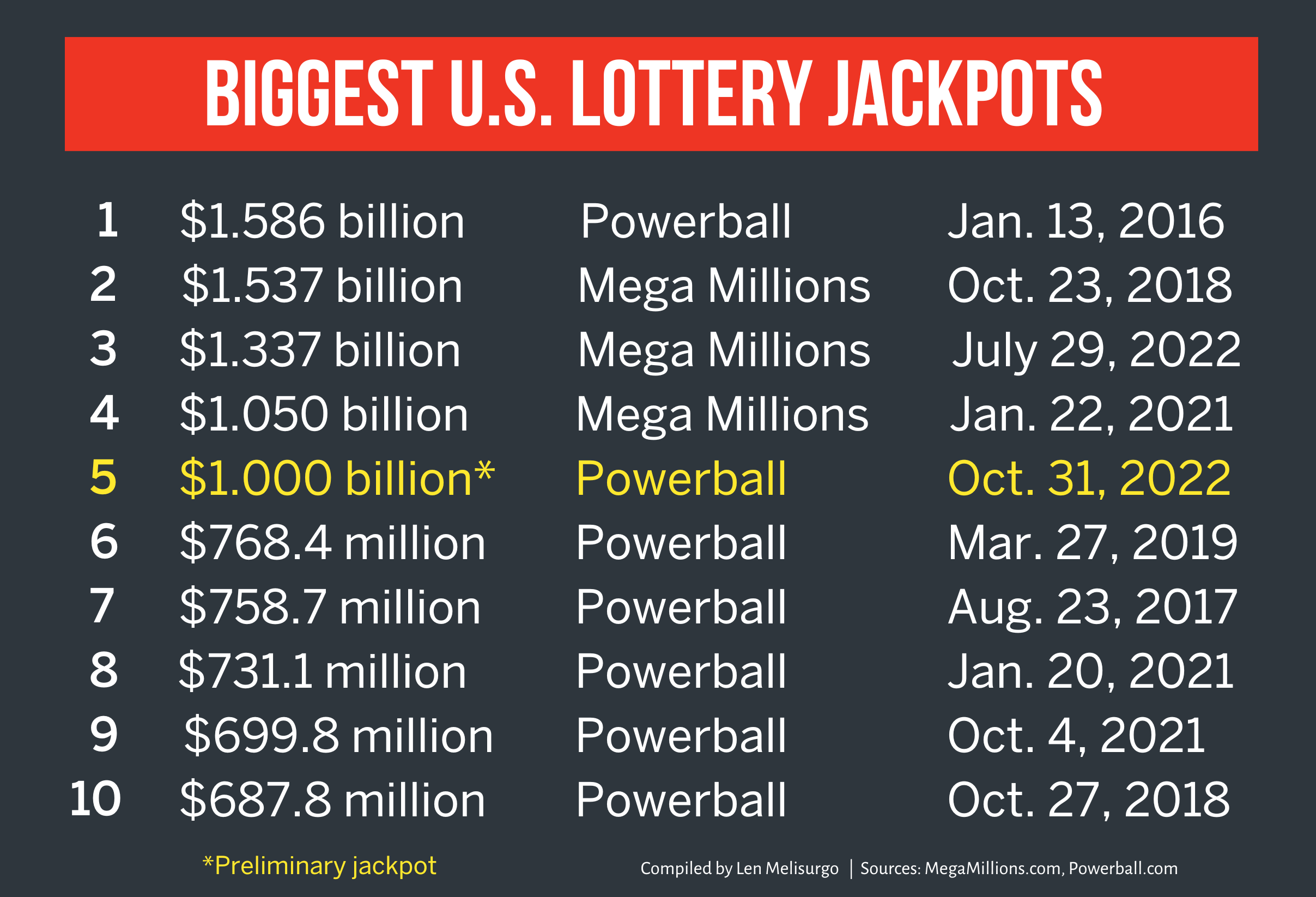
From a strict personal finance standpoint, purchasing a Powerball ticket is often classified as a negative expected value (-EV) play. With odds of winning the jackpot sitting at approximately 1 in 292.2 million, the statistical probability of a return on a $2 investment is exceptionally low. However, when the jackpot reaches “mega” status—exceeding $500 million or $1 billion—the financial conversation shifts. While the odds remain the same, the potential ROI (Return on Investment) fluctuates based on the size of the pool and the number of secondary prizes.
Managing the “Fun” Budget
Financial advisors often suggest that if an individual chooses to participate, the cost should be drawn from a discretionary “entertainment” budget rather than an “investment” or “savings” bucket. Treating the Powerball as a financial tool is a miscalculation; treating it as a low-cost entertainment expense with a non-zero chance of extreme liquidity is a more balanced approach to personal capital management.
The Financial Reality of Winning: Lump Sum vs. Annuity
If the 10:59 p.m. drawing aligns in your favor, the immediate subsequent decision is the most critical financial choice of your life: the selection between the lump sum payment and the annuity option. This choice dictates the velocity of your wealth and your long-term tax exposure.
The Cash Option (Lump Sum)
The lump sum is the “net present value” of the jackpot. If a jackpot is advertised at $1 billion, the cash value is significantly lower—often around 50% to 60% of the headline figure. Choosing the lump sum provides immediate access to capital. In a high-inflation environment or a bullish market, the argument for the lump sum is strong: by taking the money now, the winner can invest in diversified assets (stocks, real estate, private equity) that may outpace the growth of the lottery’s scheduled payments.
The Annuity Option
The annuity option consists of 30 graduated payments over 29 years. Each payment is 5% larger than the previous one. This structure is designed to protect the winner from “lifestyle creep” and the risk of total capital depletion. From a wealth management perspective, the annuity acts as a guaranteed, government-backed fixed-income stream. For individuals without a background in finance or those who fear the psychological pressure of managing hundreds of millions of dollars at once, the annuity offers a built-in safety net.
Tax Implications and Immediate Wealth Strategies
The moment the Powerball numbers are drawn, the winner becomes a high-net-worth individual (HNWI), and with that status comes a complex web of tax obligations. Understanding the fiscal drain is vital for realistic financial planning.
Federal and State Tax Obligations
The IRS considers lottery winnings as ordinary income. Immediately upon payout, the lottery commission withholds 24% for federal taxes. However, since the top federal tax bracket is 37%, the winner will likely owe an additional 13% when they file their tax return for the year.
Furthermore, state taxes vary wildly. States like Florida, Texas, and Washington have no state income tax, allowing winners to keep a larger portion of their windfall. Conversely, winners in states like New York or California may face an additional 8% to 13% in state and local taxes. When calculating the “real” value of the win, one must subtract approximately 40% to 50% of the total cash value to account for the total tax burden.
Assembling a Professional “Dream Team”
No individual should manage a Powerball-sized windfall alone. The first 48 hours after a win should be spent in total anonymity (if state laws allow) while assembling a team of professionals:
- Tax Attorney: To navigate the immediate filings and structure ownership (e.g., through a trust).
- Certified Financial Planner (CFP): To create a comprehensive wealth strategy that covers everything from debt elimination to retirement.
- Private Wealth Manager: To handle the actual investment of the funds into various asset classes.
- CPA: To manage the ongoing accounting and tax reporting requirements of a multi-million dollar estate.
Smart Wealth Allocation: Beyond the Initial Jackpot
Once the initial excitement of the 10:59 p.m. draw has faded and the taxes have been paid, the focus must shift to wealth preservation and growth. The goal of any major windfall is to ensure that the capital generates enough passive income to support a desired lifestyle indefinitely.
Diversification and Risk Mitigation
The “Lottery Curse”—where winners go bankrupt within a few years—is usually the result of poor asset allocation. A professional financial strategy involves spreading the wealth across non-correlated assets. This includes:
- Low-Cost Index Funds: Providing broad exposure to the equity markets.
- Fixed Income: High-quality municipal or corporate bonds to provide steady, lower-risk cash flow.
- Real Estate: Tangible assets that offer both appreciation and rental income.
- Cash Equivalents: Maintaining a high-liquidity reserve for emergencies and opportunities.
Philanthropy and Legacy Planning
For jackpots in the hundreds of millions, the money often exceeds what one individual or family can spend in a lifetime. This brings legacy planning to the forefront. Establishing a private foundation or a Donor-Advised Fund (DAF) allows the winner to support charitable causes while receiving significant tax deductions. Moreover, estate planning through irrevocable trusts can ensure that the wealth is passed down to future generations without being decimated by estate taxes (which currently sit at 40% for amounts above a certain threshold).
The Psychology of Sudden Wealth
While the mechanics of the Powerball are rooted in numbers, the impact is deeply psychological. Sudden Wealth Syndrome (SWS) is a recognized phenomenon where individuals who acquire a large sum of money unexpectedly experience anxiety, isolation, and poor decision-making.
Avoiding Lifestyle Creep
The primary threat to long-term wealth is “lifestyle creep”—the tendency to increase spending as income rises. Purchasing a $20 million mansion also means incurring $200,000 in annual property taxes, $100,000 in maintenance, and significant staffing costs. A professional financial plan accounts for these “carrying costs.” The smartest winners are those who set a “burn rate”—a monthly allowance derived from the interest and dividends of their investments, rather than the principal itself.
Maintaining Privacy and Security
In many states, the name of the Powerball winner is public record. This can lead to an onslaught of requests from estranged relatives, “investment” solicitors, and fraudsters. Protecting one’s financial identity is as important as protecting the physical ticket. This often involves setting up an LLC or a trust to claim the prize, changing phone numbers, and in extreme cases, relocating to ensure personal security.
The next time you ask “what time does the powerball play,” remember that the 10:59 p.m. drawing is only the beginning. Whether you are a casual player or a student of financial trends, the Powerball serves as a fascinating case study in how massive liquidity events can reshape a financial destiny. True wealth is not just about winning the draw; it is about the disciplined, professional management of the capital that follows.
aViewFromTheCave is a participant in the Amazon Services LLC Associates Program, an affiliate advertising program designed to provide a means for sites to earn advertising fees by advertising and linking to Amazon.com. Amazon, the Amazon logo, AmazonSupply, and the AmazonSupply logo are trademarks of Amazon.com, Inc. or its affiliates. As an Amazon Associate we earn affiliate commissions from qualifying purchases.