
Participating in the Mega Millions lottery is a ritual for millions of Americans, often fueled by the dream of sudden, life-altering wealth. However, the logistics of participation are governed by strict timelines and state-specific regulations. Understanding exactly what time they stop selling Mega Millions tickets is the first step in a broader financial conversation regarding games of chance, wealth management, and the psychology of “windfall” investing.
In most jurisdictions, the cutoff time for purchasing a Mega Millions ticket is approximately one to two hours before the actual drawing. Since drawings occur every Tuesday and Friday at 11:00 PM Eastern Time (ET) in Atlanta, Georgia, the “point of no return” for ticket sales usually falls between 9:45 PM and 10:45 PM ET. However, these times are not universal. Because the lottery is managed by individual state entities, the deadline can vary significantly depending on where you are physically located.
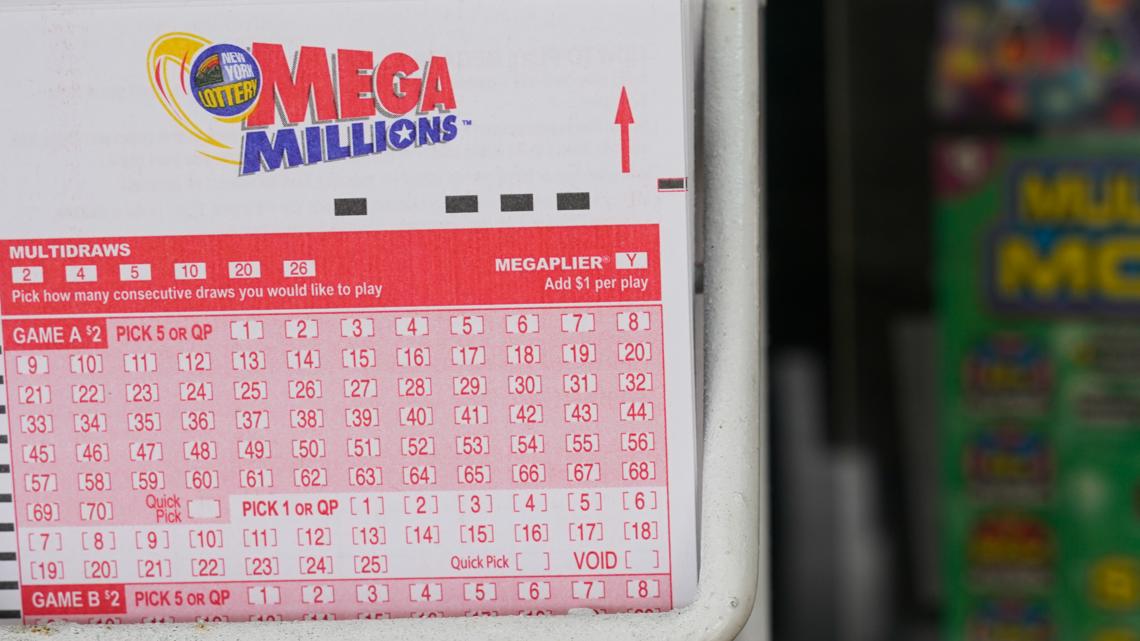
Understanding Mega Millions Cutoff Times Across the United States
The Mega Millions lottery is currently offered in 45 states, plus the District of Columbia and the U.S. Virgin Islands. Because each of these jurisdictions operates its own lottery commission, they have the authority to set their own sales deadlines. This staggered approach ensures that the central computer system can process millions of transactions and close the pools before the official draw takes place.
Regional Variations and State-Specific Deadlines
For residents in the Eastern Time Zone, such as those in New York, Florida, or Georgia, the cutoff is typically 10:45 PM ET. This fifteen-minute window before the drawing allows for the synchronization of data across thousands of retail terminals. However, if you are in the Pacific Time Zone, the drawing actually occurs at 8:00 PM local time. States like California often set their cutoff at 7:45 PM PT.
It is crucial to verify the specific rules of your state’s lottery commission. For instance:
- Texas: Sales usually close at 9:45 PM CT on draw nights.
- Illinois: Sales typically stop at 9:45 PM CT.
- Virginia: Sales stop at 10:45 PM ET.
- California: Sales generally conclude at 7:45 PM PT.
Missing these deadlines means your ticket will be valid for the next scheduled drawing, not the one occurring that evening. From a financial planning perspective, this is a vital distinction, especially when a jackpot has reached “frenzy” levels, where the estimated cash value fluctuates based on last-minute ticket volume.
Online vs. In-Person Purchase Timelines
The rise of digital platforms and official lottery apps has complicated the timing question. Several states, including Pennsylvania, Michigan, and Georgia, allow residents to purchase Mega Millions tickets directly through official websites or mobile apps.
While one might assume that digital sales would have a later cutoff than physical retailers, the opposite is often true. Some states close online sales 15 to 30 minutes earlier than in-store sales to account for server processing times and to prevent last-second technical glitches from invalidating a transaction. If you are leveraging digital tools as part of your financial “side hustle” or entertainment budget, it is advisable to complete your purchase at least two hours prior to the draw to ensure your entry is processed.
The Economics of the Mega Millions: Why Timing and Odds Matter
Beyond the simple logistics of the clock, the decision to participate in a lottery should be viewed through the lens of personal finance and probability. While most people view the $2 ticket price as a negligible expense, the aggregate economic impact of lottery participation is a significant component of the “shadow” economy.
Probability and the “Investment” Mindset
In the world of finance, an investment is typically defined by its “expected value” (EV). To calculate the EV of a Mega Millions ticket, one would multiply the probability of winning each prize tier by the amount of that prize. For the Mega Millions jackpot, the odds of winning are approximately 1 in 302.6 million.
Mathematically, even when the jackpot exceeds $500 million, the expected value often remains negative once you factor in the “split-pot” probability (the chance that multiple people hold winning tickets) and the significant impact of federal and state taxes. From a professional financial standpoint, a lottery ticket is never an “investment”; it is an expense for entertainment. Distinguishing between these two categories in your monthly budget is essential for maintaining long-term fiscal health.
Jackpots and the Time Value of Money
When the Mega Millions jackpot reaches historic highs, the public discourse often focuses on the “advertised” number. However, savvy financial participants look at the “cash option.” The advertised jackpot is an annuity—a series of 30 payments over 29 years that increase by 5% each year.
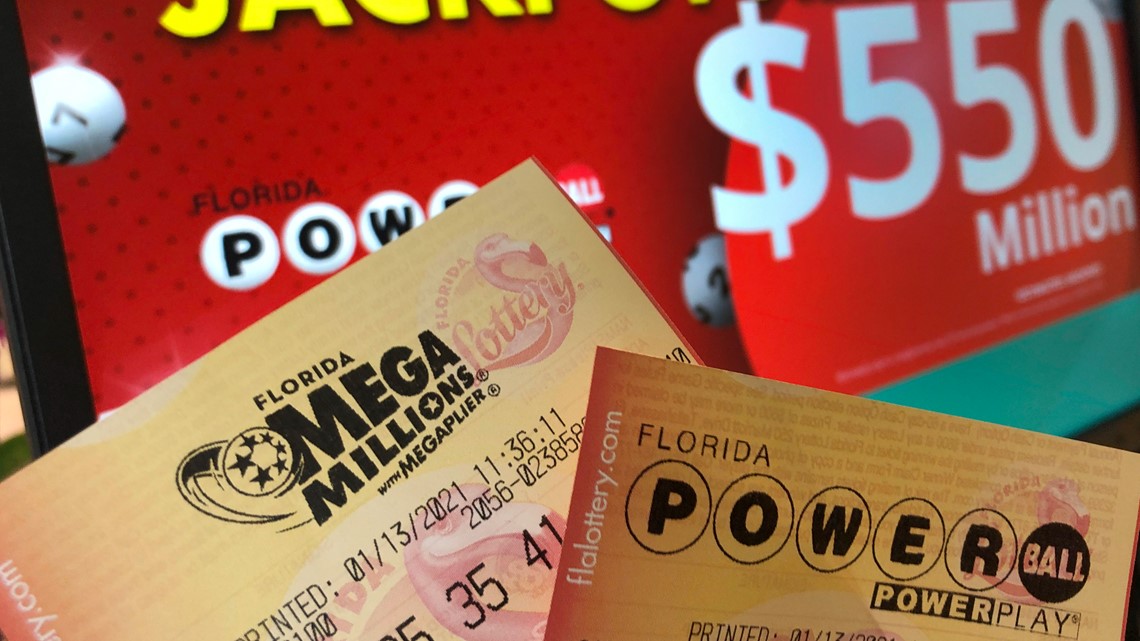
The time value of money suggests that a dollar today is worth more than a dollar tomorrow because of its earning potential. Therefore, when you are rushing to meet the 10:45 PM deadline, you are essentially competing for two different financial products: a long-term fixed income stream (the annuity) or a large, immediate capital injection (the cash lump sum). Understanding the discount rate used by the lottery to calculate the lump sum is a sophisticated way to view the true value of the prize.
Managing a Sudden Windfall: Financial Steps After the Draw
If you manage to beat the 1:302,600,000 odds and hold a winning ticket, the “time” concern shifts from purchase deadlines to the “claims period.” Most states give winners between 90 days and one year to claim their prize. This waiting period is arguably the most critical timeframe in a winner’s financial life.
Lump Sum vs. Annuity: The Critical Decision
The most significant financial choice a winner faces is whether to take the cash option or the annuity.
- The Cash Option: This provides immediate liquidity. For an investor with a high risk tolerance and access to sophisticated wealth management, the cash option may be preferable. By investing the post-tax lump sum into a diversified portfolio of equities, real estate, and private equity, the winner could potentially outperform the 5% annual increase of the annuity.
- The Annuity: This offers a “safety net” against the psychological pitfalls of sudden wealth. It prevents the winner from spending the entire fortune in a short period and provides a guaranteed, inflation-adjusted income stream for three decades.
From a tax perspective, the annuity can also be more efficient. Taking the lump sum pushes the entire prize into the highest tax bracket in a single year, whereas the annuity spreads the tax liability over thirty years, potentially allowing for more nuanced tax planning.
Immediate Tax Implications and Professional Consultation
The moment the drawing is finalized, the winner becomes liable for significant taxes. The federal government immediately withholds 24% of lottery winnings for U.S. citizens with a Social Security number. However, because the top federal marginal tax rate is 37%, the winner will likely owe an additional 13% when they file their annual tax return.
Furthermore, state taxes vary wildly. States like Florida, Texas, and Washington have no state income tax on lottery winnings. Conversely, winners in New York or Maryland could see an additional 8% to 10% of their prize diverted to state and local coffers. Before claiming a prize, it is a professional necessity to assemble a “wealth team,” typically consisting of:
- A Fiduciary Financial Advisor: To manage the portfolio and long-term goals.
- A Tax Attorney: To navigate the complex interplay of state and federal liabilities.
- An Estate Planner: To establish trusts and ensure the wealth is protected for future generations.
Responsible Participation and Budgeting for Games of Chance
While the allure of the Mega Millions is strong, it must be integrated into a responsible personal finance framework. High-net-worth individuals and disciplined savers rarely view the lottery as a viable path to wealth. Instead, they focus on the “power of the mundane”—the steady accumulation of assets through compound interest and disciplined spending.
Integrating Entertainment Spending into Your Financial Plan
If you choose to play the Mega Millions, the cost should come from your “discretionary” or “entertainment” budget—the same category as streaming services, dining out, or movie tickets. It should never come from funds allocated for “essential” expenses like mortgage payments, insurance premiums, or retirement contributions.
A common financial trap is the “sunk cost fallacy,” where a participant feels they must continue playing because they have already spent a certain amount over the years. In reality, every draw is an independent event with the same astronomical odds. Keeping your participation to a fixed, low-cost amount (e.g., $2 or $4 per week) ensures that your financial foundation remains unshaken regardless of the outcome.
Avoiding the “Gambler’s Fallacy” in Personal Finance
The “Gambler’s Fallacy” is the mistaken belief that if something happens more frequently than normal during a given period, it will happen less frequently in the future (or vice versa). In the context of Mega Millions, many people look at “hot numbers” or “overdue numbers” when choosing their entries before the cutoff time.
From a scientific and financial perspective, the balls have no memory. Every drawing is a fresh start. Applying this logic to your broader finances is equally important. Just because the stock market has been up for several days does not mean a “crash” is mathematically required the next day. Relying on data-driven strategies rather than “gut feelings” or “luck” is the hallmark of professional financial management.
Conclusion: Maximizing Your Financial Literacy Beyond the Jackpot
The question of “what time do they stop selling Mega Millions” is a simple logistical query that opens the door to a much larger discussion about how we value money, risk, and time. While the cutoff times—generally between 9:45 PM and 10:45 PM ET—are strict, the financial principles surrounding the lottery are even more rigid.
True wealth is rarely the result of a lucky ticket purchased minutes before a deadline. Instead, it is the result of consistent financial habits, an understanding of tax law, and the strategic allocation of resources. Whether you are a casual player or someone fascinated by the economics of large-scale lotteries, the most valuable “win” you can achieve is a deep and functional level of financial literacy. By treating the lottery as a form of low-stakes entertainment rather than a financial plan, you protect your capital and ensure that your path to prosperity remains under your control, not at the mercy of a random drawing.
aViewFromTheCave is a participant in the Amazon Services LLC Associates Program, an affiliate advertising program designed to provide a means for sites to earn advertising fees by advertising and linking to Amazon.com. Amazon, the Amazon logo, AmazonSupply, and the AmazonSupply logo are trademarks of Amazon.com, Inc. or its affiliates. As an Amazon Associate we earn affiliate commissions from qualifying purchases.