
The Powerball drawing is one of the most significant recurring financial events in the United States, often moving markets in the retail and convenience sectors while simultaneously capturing the imagination of millions of hopeful participants. Understanding when these numbers are drawn is more than a matter of curiosity; for those managing personal finance portfolios or participating in office pools, the timing represents the conclusion of a financial cycle and the beginning of potential wealth management complexities.
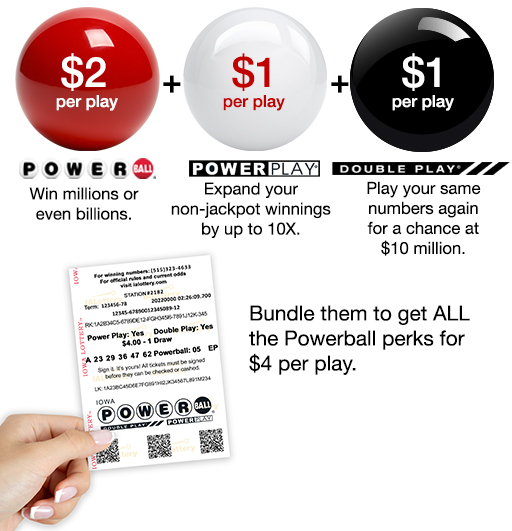
Powerball drawings occur three times a week: every Monday, Wednesday, and Saturday at 10:59 PM Eastern Time. These drawings are broadcast live from the Florida Lottery studio in Tallahassee. However, from a financial perspective, the most critical time for any participant is the ticket sales cutoff, which typically occurs one to two hours before the drawing, depending on the jurisdiction. Missing this window means your capital remains sidelined for the current jackpot, missing out on the specific “time-value” of that drawing’s prize pool.
The Financial Logistics of the Powerball Drawing
While the physical drawing takes only a few minutes, the financial infrastructure supporting it is massive. Powerball is coordinated by the Multi-State Lottery Association (MUSL), a non-profit, government-benefit association. The “pulling” of numbers is the culmination of a rigorous security and auditing process designed to protect the integrity of the prize pool, which can range from $20 million to over $2 billion.
The Sales Cutoff and Revenue Collection
State lotteries typically stop sales between 9:00 PM and 10:00 PM ET on drawing nights. This gap allows the central computer systems to aggregate sales data from thousands of terminals. From a business finance perspective, this is a high-volume data processing period where revenue is reconciled against the number of combinations sold. This reconciliation ensures that the advertised jackpot is fully funded by the current sales volume and the interest accrued on the prize pool’s underlying investments.
The Role of Independent Auditors
During the 10:59 PM draw, independent auditors are present to verify that every protocol is followed. This level of oversight is comparable to that of a public company’s quarterly earnings report. The integrity of the draw is the “product” being sold; if the public loses trust in the randomness or the timing of the draw, the financial model of the lottery—which relies on high participation rates to fund state initiatives—would collapse.
Geographic Time Zone Considerations
For participants in different time zones, the 10:59 PM ET schedule translates to 9:59 PM CT, 8:59 PM MT, and 7:59 PM PT. Managing your “investment” in a lottery ticket requires an awareness of these windows, especially for those living near state lines where sales cutoff times may differ by an hour or more.
Analyzing the Jackpot: The Business of the Prize Pool
When you hear that the Powerball numbers are being pulled for a $500 million jackpot, it is essential to understand the financial reality of that figure. The “advertised jackpot” is a financial construct based on an annuity model. If you are the sole winner, you do not simply receive a check for the headline amount the next morning.
The Annuity vs. Cash Value Discrepancy
The advertised jackpot represents the total amount that would be paid out over 30 years if the winner chooses the annuity option. The lottery takes the “cash value” (the actual money currently in the prize pool) and invests it in U.S. Treasury bonds. The $500 million figure is the projected value of those bonds plus interest over three decades.
From a personal finance standpoint, the cash value is the more accurate representation of the win. This is the liquid capital available for immediate investment. Usually, the cash option is approximately 50% to 60% of the advertised jackpot. For a $500 million prize, the cash value might be closer to $250 million.
How Interest Rates Affect the Jackpot
Interestingly, the “time they pull the numbers” is influenced by the broader economy. When interest rates are high, the advertised Powerball jackpot grows faster. This is because the lottery can purchase bonds that yield higher returns, allowing them to promise a larger 30-year total from a smaller amount of current cash. Conversely, in a low-interest-rate environment, the gap between the cash value and the annuity value shrinks.
Strategic Financial Decisions Post-Drawing
Once the numbers are pulled and a winner is identified, the transition from a standard personal finance model to a high-net-worth wealth management model must be instantaneous. The first 72 hours after the drawing are the most critical for protecting the asset.
The “Lottery Lawyer” and Financial Shielding
Before claiming a prize, sophisticated winners engage a “Wealth Protection Team,” typically consisting of a tax attorney, a Certified Public Accountant (CPA), and a fee-only financial advisor. The objective is to establish a legal entity, such as a blind trust or a limited liability company (LLC), to claim the prize. This can help maintain anonymity in states where it is permitted, protecting the winner from the “social tax” of unsolicited requests for money.
Immediate Tax Liabilities
The moment the numbers are drawn and a ticket matches, a massive tax liability is created. The federal government takes an immediate 24% withholding on gambling winnings over $5,000. However, because the top federal income tax bracket is 37%, the winner will likely owe an additional 13% to the IRS during the following tax season. Furthermore, state taxes can range from 0% (in states like Florida, Texas, or Washington) to over 10% (in states like New York).
Effective tax planning involves calculating these liabilities immediately to avoid a situation where the winner spends capital that is technically “owned” by the government.
Wealth Management: Annuity vs. Lump Sum
The most significant financial choice a winner makes is how to receive the funds. This decision should be based on the winner’s age, financial discipline, and the current economic climate.
The Case for the Lump Sum
Most winners choose the lump sum because of the “Time Value of Money.” By taking the cash upfront, the winner can invest in a diversified portfolio of equities, real estate, and private equity. Historically, the S&P 500 has returned an average of 10% annually, which often outperforms the internal rate of return (IRR) offered by the lottery’s annuity payments. The lump sum also provides immediate liquidity for estate planning and charitable giving.
The Case for the Annuity
The annuity provides a guaranteed stream of income for 30 years, with each payment increasing by 5% to account for inflation. This is often recommended for individuals who lack experience managing large sums of money. It acts as a financial “safety net,” ensuring that even if the winner makes poor investment choices in year one, they will receive a fresh influx of capital in year two. From a behavioral finance perspective, the annuity prevents “lifestyle creep” from depleting the entire fortune.
Protecting Your Financial Future After the Win
The statistics regarding lottery winners are sobering; many return to their original financial state or face bankruptcy within a decade. This is often referred to as “The Winner’s Curse.” Avoiding this requires a shift from a “spending” mindset to a “stewardship” mindset.
Diversification and Asset Allocation
A windfall of this size should not remain in a standard savings account. Proper wealth management involves diversifying across asset classes to mitigate risk. This includes:
- Fixed Income: High-quality municipal bonds for tax-free income.
- Equities: Global index funds to capture market growth.
- Real Estate: Tangible assets that provide hedge against inflation.
- Alternative Investments: Hedge funds or venture capital for higher risk-adjusted returns.

The Importance of a “Saying No” Policy
Financial advisors often help winners develop a formal process for vetting requests for money from friends, family, and charities. By directing these requests to a professional gatekeeper or a family office, the winner preserves their personal relationships while maintaining their financial boundaries.
Ultimately, the time they pull Powerball numbers marks a point of departure. For the lucky few, it is the transition from the world of labor-based income to the world of capital-based wealth. Understanding the timing, the taxes, and the long-term investment strategies is essential for turning a moment of luck into a multi-generational financial legacy. Whether you are checking the results at 10:59 PM ET for a personal ticket or just monitoring the economic impact of a massive jackpot, the Powerball remains a fascinating intersection of public interest and private finance.
aViewFromTheCave is a participant in the Amazon Services LLC Associates Program, an affiliate advertising program designed to provide a means for sites to earn advertising fees by advertising and linking to Amazon.com. Amazon, the Amazon logo, AmazonSupply, and the AmazonSupply logo are trademarks of Amazon.com, Inc. or its affiliates. As an Amazon Associate we earn affiliate commissions from qualifying purchases.