
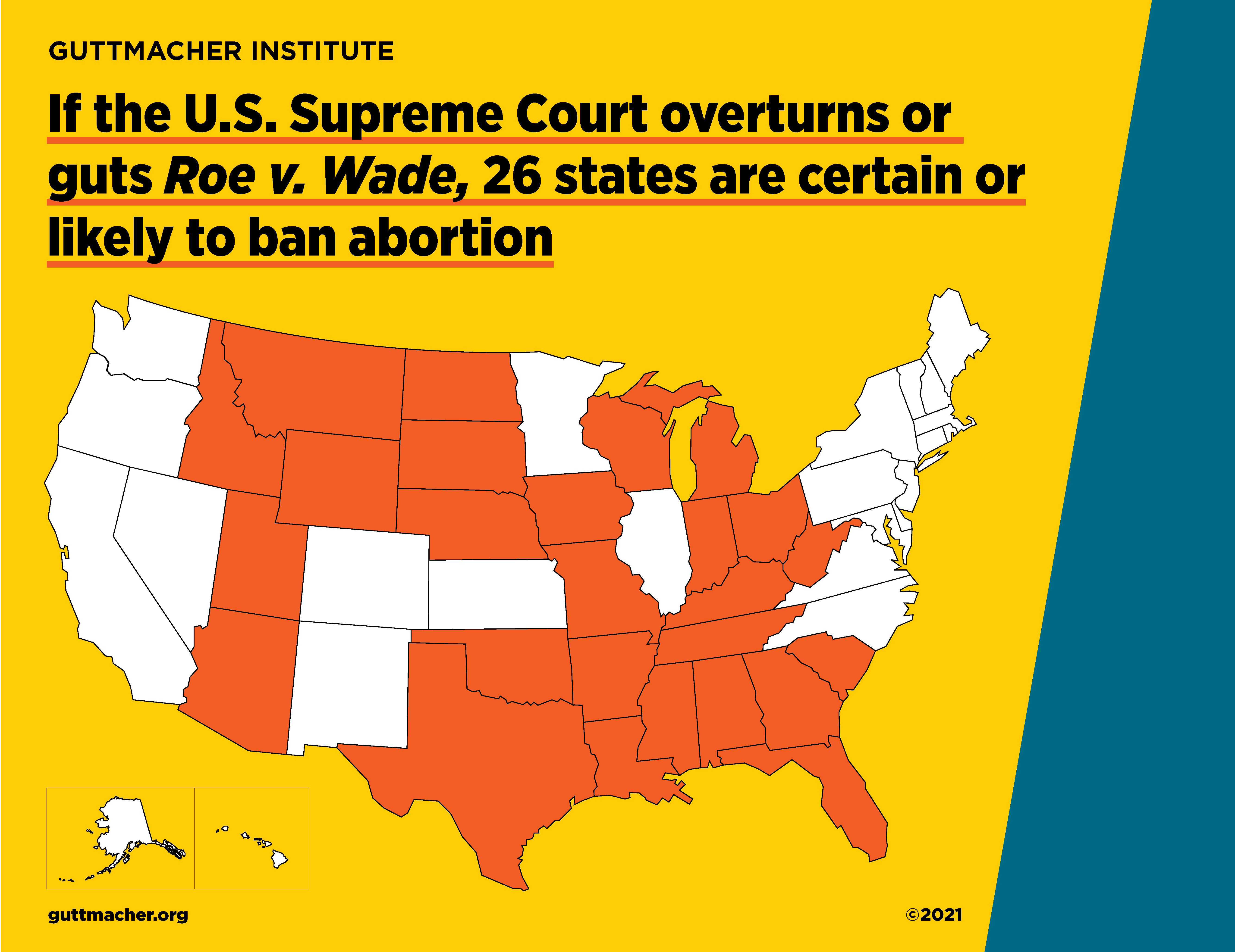
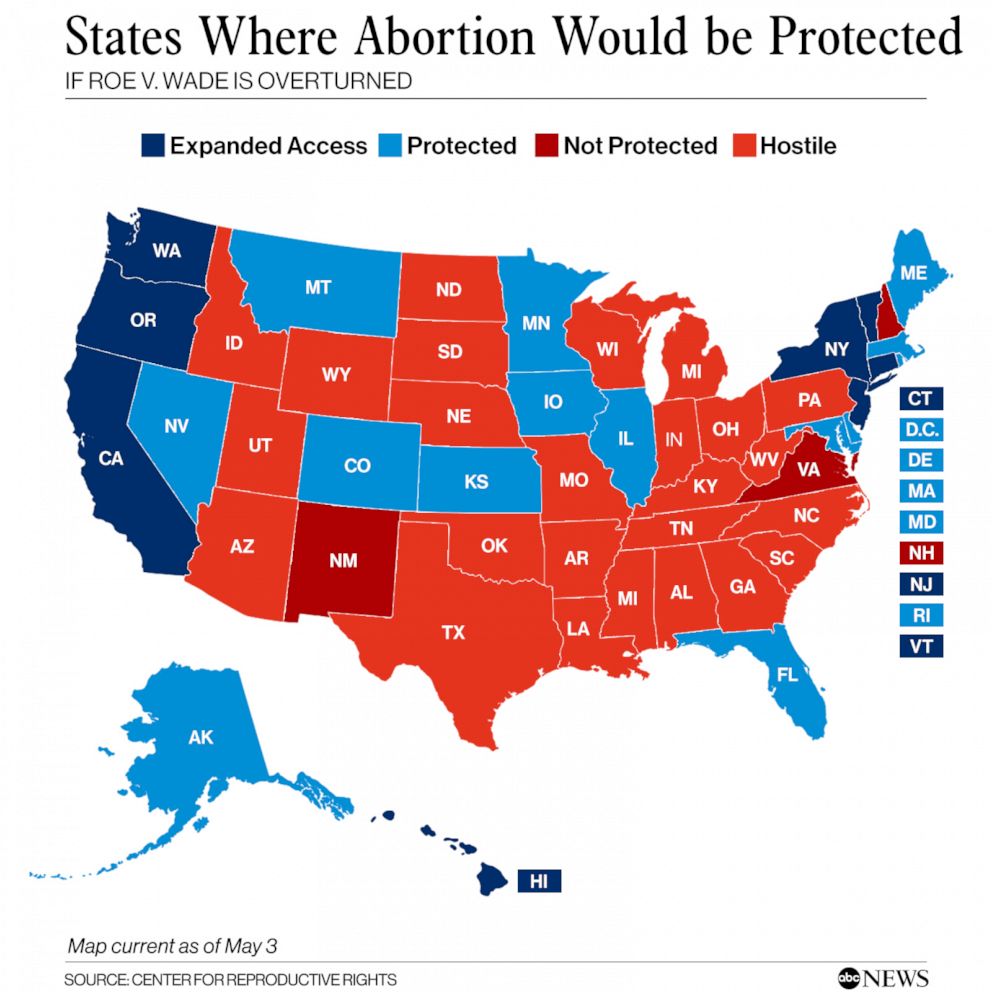
The intersection of state legislation and economic vitality has never been more pronounced than in the wake of shifting reproductive rights. Since the federal landscape changed in 2022, several states have moved to overturn, block, or prevent the implementation of abortion bans through ballot initiatives, judicial rulings, or legislative action. While these movements are often discussed in social and legal terms, their implications for personal finance, state-level economic growth, and corporate strategy are profound. For investors, business owners, and workers, the “overturn” of these bans represents a significant shift in the financial landscape of states like Michigan, Ohio, Kansas, and California.

Understanding the economic consequences of these legal shifts requires a deep dive into how reproductive healthcare access functions as a driver of labor participation, tax revenue, and corporate investment. When a state secures reproductive rights, it essentially alters its fiscal trajectory, influencing everything from talent retention to the long-term solvency of its social safety nets.
The Macroeconomic Landscape: How Legislative Reversals Impact State Revenue and Growth
State economies are complex ecosystems where legislative stability directly correlates with investor confidence. In states where abortion bans have been overturned or successfully blocked by voters—most notably Michigan, Ohio, and Kansas—the primary economic narrative has shifted toward stability and workforce protection.
Tax Base Stability and Resident Migration
One of the most immediate financial impacts of overturning a ban is the preservation of the tax base. Economists have long observed a “brain drain” phenomenon where highly educated, high-earning professionals—particularly in the healthcare and technology sectors—gravitate toward jurisdictions that offer comprehensive personal liberties. By overturning bans, states signal a commitment to a social environment that attracts Gen Z and Millennial workers. These demographics currently represent the most significant portion of the active workforce and are the primary drivers of consumer spending and income tax revenue.
In Michigan, for example, the constitutional amendment to protect reproductive freedom was framed not just as a civil right, but as a “talent attraction” strategy. From a business finance perspective, a state that protects these rights is less likely to see an exodus of its top-tier taxpayers, ensuring that the state’s budget remains robust enough to fund infrastructure, education, and public services without frequent tax hikes.
Corporate Relocation and Investment Incentives
For large corporations, the legal environment of a state is a critical factor in “site selection” for new headquarters or manufacturing plants. When a state overturns a ban, it reduces the “social risk” for a brand. Modern corporate finance teams must account for the costs associated with operating in restrictive environments, including the cost of relocating employees who refuse to live under certain laws.
States that have successfully moved away from bans are positioning themselves as “safe harbors” for corporate investment. This leads to increased Foreign Direct Investment (FDI) and domestic expansion. When a company like Intel or Amazon considers a multi-billion dollar investment, they look at the 20-year viability of the local workforce. A state with an overturned ban offers a more predictable labor supply, which in turn leads to a more stable environment for commercial real estate and local business ecosystems.
Labor Market Dynamics: Talent Acquisition in a Fluctuating Legal Environment
The “Money” aspect of reproductive rights is most visible in the labor market. The ability for individuals to participate fully in the economy is intrinsically linked to their ability to plan their families and manage their health. In states where bans have been overturned, the labor market benefits from higher participation rates and lower turnover costs for employers.
The Cost of Recruitment in Restrictive vs. Protections-Oriented States
Recruitment is one of the highest expenses for any business. It costs an average of six to nine months of an employee’s salary to find and train their replacement. In states where bans remain in place, companies report increasing difficulty in recruiting female executives and specialized medical professionals. Conversely, states that have overturned bans—such as Ohio, following its 2023 ballot initiative—experience a “competitive advantage” in the regional labor market.
Financial analysts note that companies in these states can spend less on “hardship” incentives and more on innovation and expansion. The financial burden of reproductive care is often shifted to the employer in restrictive states through specialized benefit packages; in states where bans are overturned, the standard healthcare infrastructure supports the workforce, reducing the administrative and financial overhead for private businesses.
Workforce Participation and Long-Term Productivity
There is a direct correlation between reproductive autonomy and female labor force participation. Historically, when access to reproductive healthcare is expanded, the lifetime earnings of women increase significantly. For the state’s economy, this translates to higher household income and increased velocity of money (how quickly money changes hands within the local economy).
States that have overturned bans are essentially protecting the future productivity of their workforce. By allowing individuals to enter and stay in the workforce on their own terms, these states reduce the likelihood of “interrupted careers,” which often lead to lower lifetime savings and increased reliance on state-funded social programs later in life. From a personal finance perspective, this allows for more robust retirement planning and higher rates of homeownership among younger demographics.
The Business of Healthcare: Financial Implications for Regional Medical Systems
The healthcare industry is a massive component of any state’s GDP. In states where abortion bans were overturned or prevented, the medical sector avoided a catastrophic financial and operational “cliff.”
Insurance Premium Fluctuations and Employer Obligations
In states with active bans, health insurance companies often have to navigate a labyrinth of compliance issues, which can lead to higher premiums for both individuals and employers. In states that have overturned these bans, the insurance market remains more predictable. For a small business owner, this predictability is essential for annual budgeting and profit margin protection.
Furthermore, the “Money” side of healthcare involves the stability of rural hospitals. Many rural medical centers rely on a broad range of maternal health services to remain solvent. When bans are overturned, these hospitals can continue to offer full-spectrum care, ensuring they remain eligible for federal grants and private insurance reimbursements that keep their doors open. Without these services, many rural hospitals face bankruptcy, which devastates the local economy and lowers property values in those areas.
Impact on the Specialized Healthcare Tech and Pharma Sectors
The technology and pharmaceutical sectors thrive on research and development. States like California and New York, which have reinforced protections, serve as hubs for biotech and health-tech startups. Even in “purple” states that have overturned bans, like Kansas, there is a renewed interest from venture capital (VC) firms looking to invest in reproductive health technology (FemTech).
Investors are generally risk-averse regarding legal gray areas. When a state definitively overturns a ban, it clears the path for VC funding to flow into local startups. This creates high-paying tech jobs, stimulates the local service economy, and generates significant capital gains for local investors.
Corporate Financial Strategy: Navigating State-Specific Compliance and Employee Benefits
For the CFO of a mid-to-large-sized enterprise, the overturning of a ban in a state where they operate simplifies the “benefit-cost analysis.”
Travel Reimbursement Programs and Operating Costs
In the immediate aftermath of the Dobbs decision, many Fortune 500 companies announced they would fund travel expenses for employees seeking out-of-state reproductive care. While this was a powerful branding move, it is also a significant line-item expense. For companies operating in states that have since overturned their bans, these specific operational costs are eliminated.
The financial benefit is two-fold: the company saves on the direct cost of travel and legal compliance, and it avoids the indirect cost of employee downtime and stress. From a business finance perspective, the overturning of a ban is a “deregulatory” event that removes a layer of private-sector intervention in employee health.
Risk Management and Legal Contingency Funding
Operating in a state with an active ban requires companies to maintain higher legal contingency funds. There is the risk of litigation, the risk of “aiding and abetting” charges in certain jurisdictions, and the risk of shareholder lawsuits regarding fiduciary duty to employee well-being. When a ban is overturned, this “regulatory risk” evaporates.
For institutional investors, states with clear, protected reproductive rights are often viewed as lower-risk environments for long-term municipal bond investments. The fiscal health of a state is tied to its social stability; by resolving the volatility of reproductive law through the ballot box or the courts, states like Michigan and Ohio have created a more stable “pro-business” climate that appeals to conservative and liberal investors alike.
Conclusion: The Bottom Line of Reproductive Rights
The movement to overturn abortion bans across various states is frequently framed as a social or moral debate, but the financial data suggests it is equally a matter of economic survival. States that have secured these rights are seeing the benefits in their labor markets, their corporate recruitment efforts, and their long-term fiscal projections.
For the individual, the overturning of a ban means the ability to maintain a career trajectory, build personal wealth, and contribute to the tax base. For the business owner, it means a wider talent pool and lower compliance costs. And for the state, it means a more resilient economy capable of competing in a global market that increasingly values social stability as a precursor to financial growth. As more states face ballot initiatives and legal challenges, the “Money” story will continue to be a primary driver of how these legislative battles are fought and won.
aViewFromTheCave is a participant in the Amazon Services LLC Associates Program, an affiliate advertising program designed to provide a means for sites to earn advertising fees by advertising and linking to Amazon.com. Amazon, the Amazon logo, AmazonSupply, and the AmazonSupply logo are trademarks of Amazon.com, Inc. or its affiliates. As an Amazon Associate we earn affiliate commissions from qualifying purchases.