
In the modern era of communication, the distinction between a public figure’s personal beliefs and their brand identity often blurs. When analyzing “what religion does Trump practice,” the inquiry transcends theology and enters the realm of sophisticated personal branding. For Donald Trump, religious identity has never been a static or purely private matter; rather, it has functioned as a critical pillar of a global brand architecture designed to resonate with specific demographics, signal core values, and establish a profound sense of tribal loyalty.
By examining the religious trajectory of Donald Trump through the lens of brand strategy, we can uncover how a New York real estate mogul transformed himself into a standard-bearer for the religious right. This process is a masterclass in market segmentation, narrative pivot, and the strategic alignment of a personal brand with the deeply held convictions of a massive consumer—or voter—base.
The Trump Brand Architecture: Integrating Faith as a Core Pillar
To understand the branding behind Trump’s religious identity, one must first look at the foundations. Branding is about consistency and association. Historically, Donald Trump was associated with the Marble Collegiate Church in Manhattan, a congregation of the Reformed Church in America. This affiliation provided the initial “brand markers” of his religious identity: mainline Protestantism, urban sophistication, and the influence of Norman Vincent Peale, the author of The Power of Positive Thinking.
The Shift from Mainline Protestantism to Strategic Evangelicalism
The transition from a quiet affiliation with the Reformed Church to a high-profile alignment with the Evangelical movement represents one of the most successful brand pivots in political history. In brand management, a “pivot” occurs when an entity changes its primary focus to better suit market demands while maintaining its core essence. For the Trump brand, the “core essence” was strength and success.
By aligning with Evangelical leaders, Trump did not necessarily change his personal habits; instead, he changed his brand’s “value proposition.” He moved away from the stoic, traditional religious branding of the Northeast and adopted the more emotive, battle-ready language of the Evangelical South and Midwest. This shift allowed the brand to penetrate a market that felt underserved by the existing “products” (traditional politicians).
Branding Through Association: The Role of Spiritual Advisors
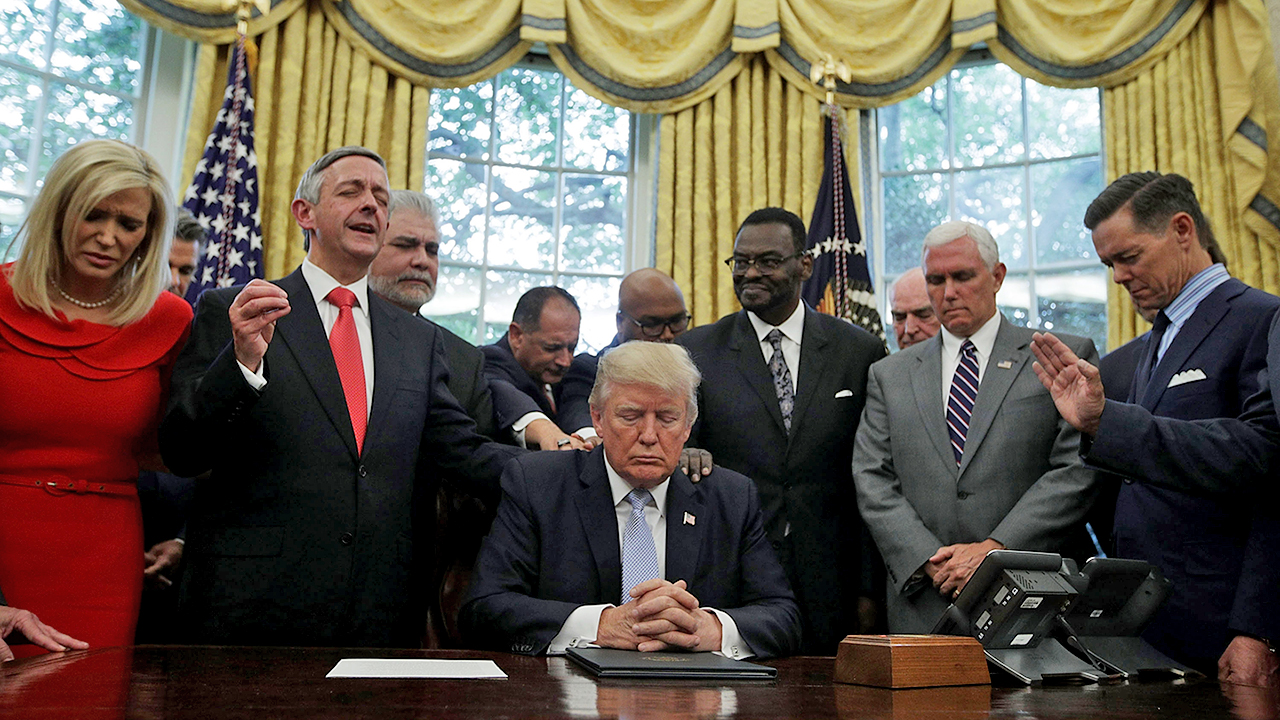
In corporate branding, “co-branding” or “influencer partnerships” are used to borrow credibility from established names. Trump utilized this strategy by surrounding himself with a “Spiritual Advisory Board.” Figures like Paula White-Cain served as brand ambassadors, providing the Trump brand with the “seal of approval” needed to gain trust within religious communities.
This association was not merely about prayer; it was about brand validation. By appearing alongside recognized religious leaders, the Trump brand inherited the moral authority and cultural reach of those leaders. This is a classic example of “halo effect” branding, where the positive attributes of a partner are transferred to the primary brand in the eyes of the consumer.
Values-Based Marketing: How the Trump Brand Communicates Religious Identity
Successful brands do not just sell features; they sell values. When the public asks what religion Trump practices, the brand response is often delivered through visual cues and rhetorical framing rather than theological treatises. This is values-based marketing at its most potent level.
The Visual Language of Belief
In branding, visual identity is paramount. The Trump brand utilized specific religious iconography to communicate its message. Whether it was the holding of a Bible at St. John’s Church or the frequent use of “God bless America” in rally sign-offs, these are brand touchpoints. They serve as shorthand for a larger narrative.
For the Trump brand, the Bible became a symbol of cultural preservation. The brand message was not “I am the most devout practitioner,” but rather “I am the defender of your right to practice.” This distinction is vital in branding. It shifts the focus from the product’s internal mechanics (Trump’s personal faith) to the product’s utility for the customer (Trump as a protector of the customer’s faith).
Identifying the Target Audience: The Religious Right as a Key Market Segment
Every brand has a target audience. For the Trump brand, the religious right represented a high-value market segment characterized by high engagement, high loyalty, and a shared sense of grievance against mainstream cultural trends.
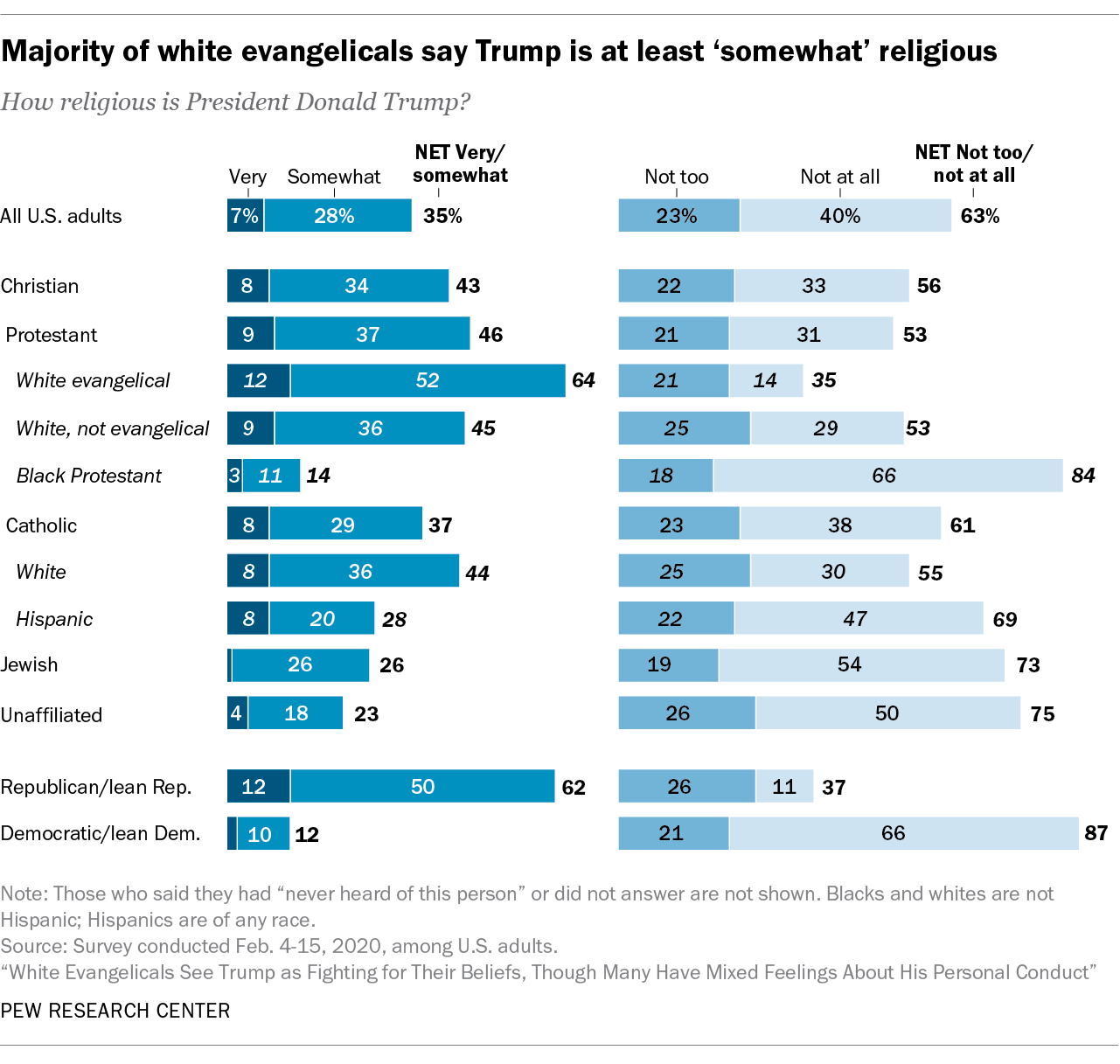
To capture this market, the Trump brand employed “targeted messaging.” This involved focusing on “wedge issues” that acted as brand differentiators. By taking firm stances on judicial appointments and religious liberty, the Trump brand created a unique selling proposition (USP) that no other competitor in the political marketplace could match with equal perceived strength.
The Paradox of Personality: Authenticity vs. Brand Projection
A common challenge in personal branding is the “authenticity gap”—the distance between who a person is and the image they project. Critics often point to the disconnect between Trump’s personal history and traditional religious tenets. However, from a brand strategy perspective, Trump successfully navigated this gap by leaning into a “Fighter” persona.
Managing Contradictions in the Brand Narrative
In the world of branding, perfection is often less important than authenticity. Interestingly, the Trump brand managed its religious contradictions by not pretending to be something it wasn’t. Trump did not market himself as a saintly figure; he marketed himself as a “flawed vessel.”
This was a brilliant branding move. By acknowledging flaws—or at least not hiding them behind a veneer of traditional piety—the brand became more relatable to a base that also feels flawed or under attack. This “realness” served to strengthen the brand’s bond with its audience. It moved the brand from being a “status symbol” to being a “lifestyle brand” that people felt they could personally relate to.
The Power of Narrative Over Doctrine
Brands are built on stories, not data points. While a theologian might look at Trump’s practice through the lens of doctrine, a brand strategist looks at it through the lens of narrative. The Trump narrative is one of restoration—”Make America Great Again.”
Religion fits into this narrative as a component of the “Old America” that the brand promises to restore. In this context, “practicing religion” is framed as an act of patriotism and cultural defiance. The brand’s religious practice is less about the pew and more about the platform. It is a narrative of reclaiming lost ground, which is a powerful psychological driver for brand loyalty.
Brand Loyalty and Tribalism: The Intersection of Faith and Following
The ultimate goal of any brand is to achieve “brand advocacy,” where the consumers become the primary promoters of the brand. In the case of Trump’s religious identity, he achieved a level of tribal loyalty that is rarely seen in corporate or personal branding.
Creating a Shared Identity with the Consumer Base
The most powerful brands are those that become part of the consumer’s identity. People don’t just buy Apple; they are Apple people. Similarly, the Trump brand integrated itself into the religious identity of its followers. To support the brand was to support one’s own religious community.
This was achieved through the “Us vs. Them” branding technique. By positioning the brand as the only thing standing between the “faithful” and a “secularist” threat, the Trump brand became an essential utility. In marketing terms, this is called “locking in” the customer. When a brand becomes essential to a customer’s sense of self and safety, the cost of switching to a competitor becomes too high.

The Longevity of the “Religious” Trump Brand
As we look toward the future of the Trump brand, its religious component remains one of its most durable assets. Even as other aspects of the brand face scrutiny or market shifts, the “Faith and Freedom” pillar continues to provide a solid foundation.
This longevity is due to the brand’s ability to evolve. It has moved beyond the specific denomination of Trump’s youth and into a broader, more ecumenical “MAGA Religion.” This is a form of brand extension where the original product (Trump) creates a new category (a specific political-religious fusion).
In conclusion, when we ask what religion Donald Trump practices, we are looking at the culmination of decades of brand positioning. It is a religion of “winning,” a religion of “protection,” and a religion of “cultural identity.” From a brand strategy perspective, Trump has successfully identified a market need, created a compelling narrative, and built a loyal community around a set of values that transcend traditional church walls. His religious practice, as perceived by the public, is perhaps the most significant “rebranding” of the 21st century—a testament to the power of personal branding in shaping modern culture and conviction.
aViewFromTheCave is a participant in the Amazon Services LLC Associates Program, an affiliate advertising program designed to provide a means for sites to earn advertising fees by advertising and linking to Amazon.com. Amazon, the Amazon logo, AmazonSupply, and the AmazonSupply logo are trademarks of Amazon.com, Inc. or its affiliates. As an Amazon Associate we earn affiliate commissions from qualifying purchases.