
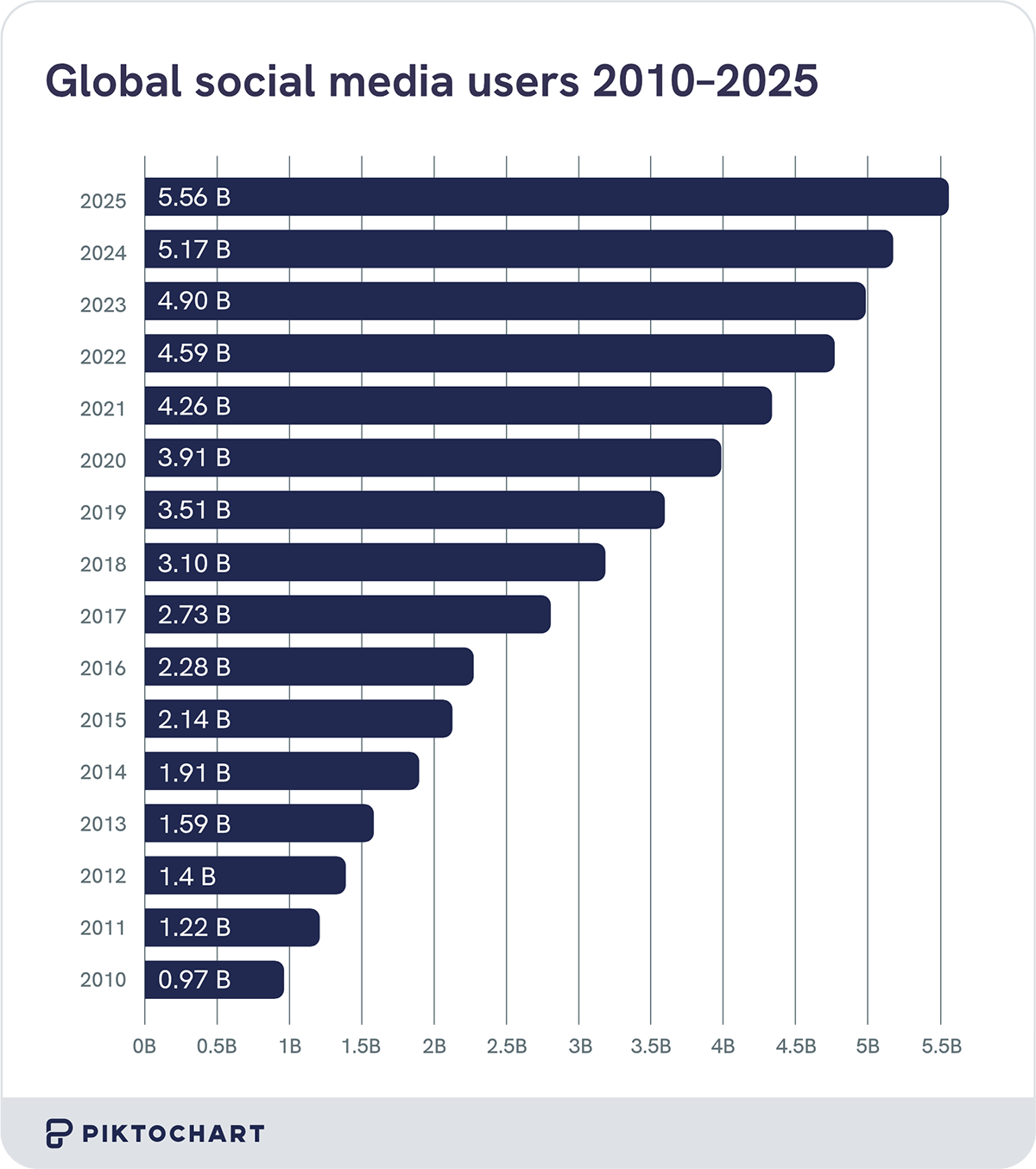
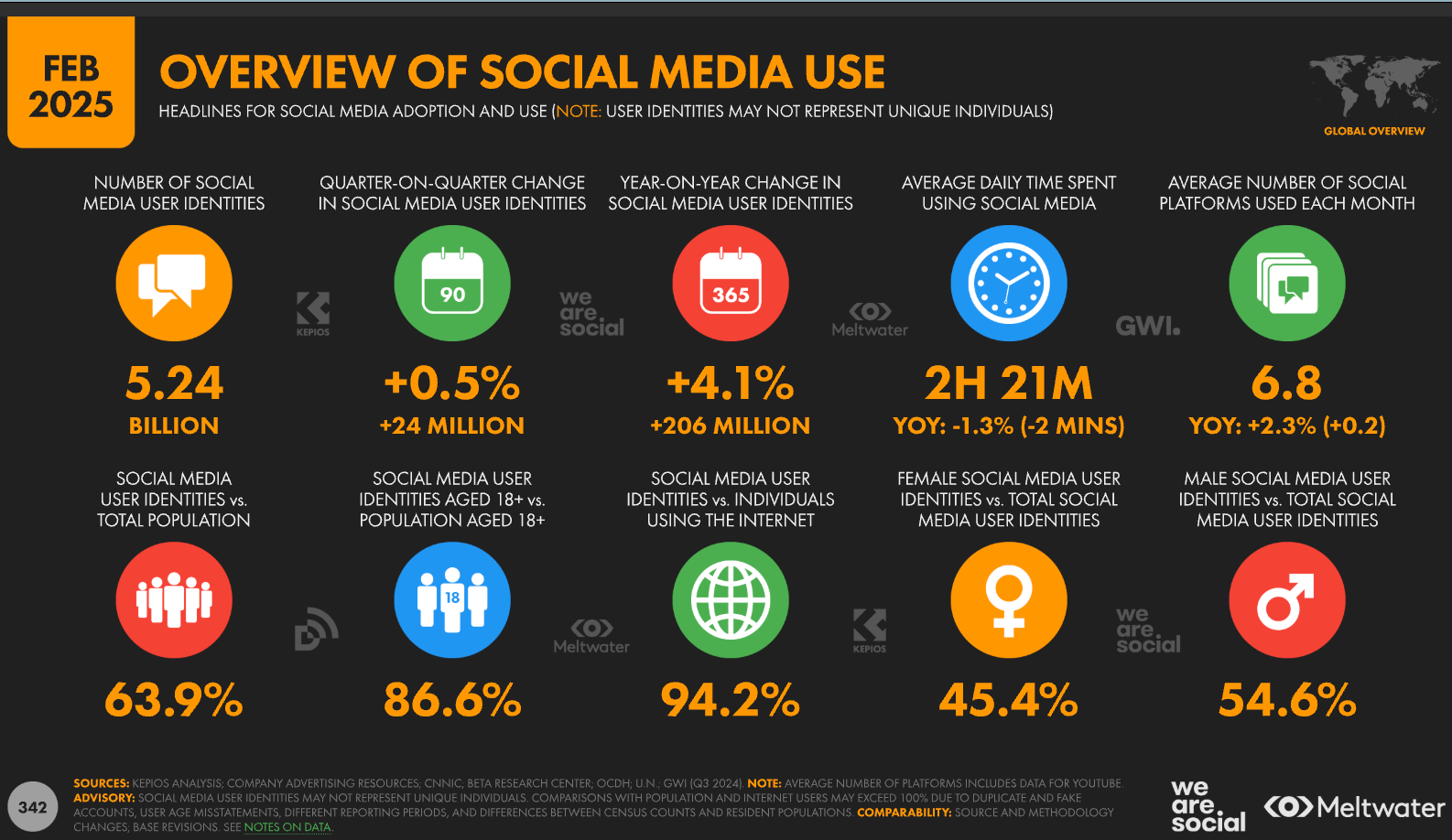
The digital landscape has undergone a seismic shift over the last decade, transitioning from a niche tool for communication into a fundamental pillar of global infrastructure. As of the current fiscal year, the number of active social media users has surpassed the 5 billion mark, accounting for approximately 62.3% of the total global population. However, this figure is more than just a statistic; it represents a massive technological migration. When we filter the data to look at the “eligible” population—those aged 18 and above—the penetration rate climbs significantly higher, often exceeding 75% in developed markets.
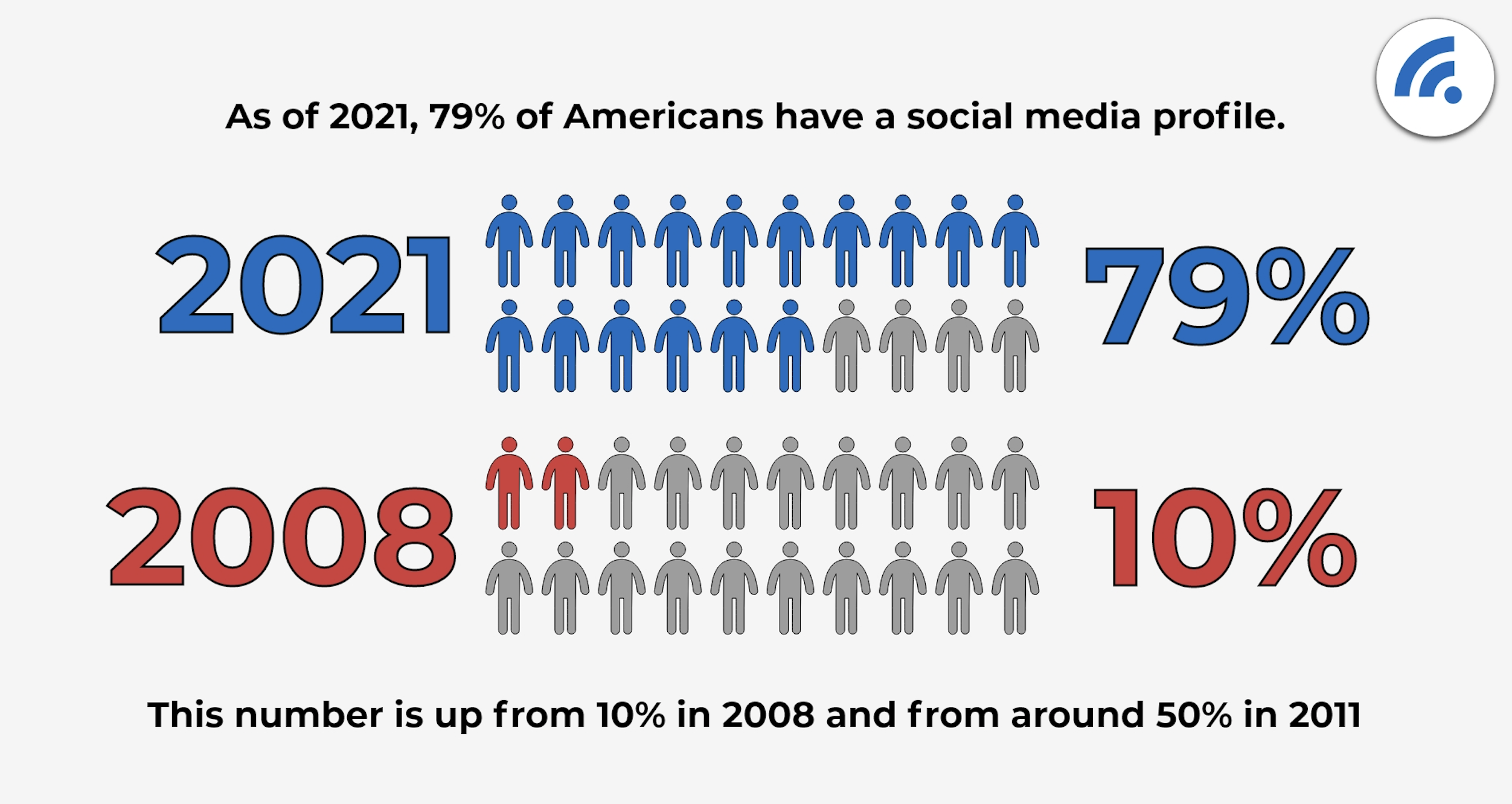
The rapid adoption of social platforms is inextricably linked to the evolution of hardware, the expansion of high-speed internet protocols, and the sophisticated algorithmic architectures that define modern software. Understanding what percentage of the world uses social media requires looking beyond the raw data to examine the technological catalysts that have made this saturation possible.
Mapping the Global Reach: The Statistical Reality of Social Media Adoption
To understand the scale of social media usage, one must first look at the intersection of internet penetration and mobile accessibility. While 62.3% of the world is on social media, the distribution is not uniform. The tech infrastructure of a region dictates its social media density. For instance, Northern and Western Europe boast adoption rates upwards of 80%, while parts of Middle Africa hover around 10% due to infrastructure limitations.
The 5-Billion Milestone: Analyzing the Growth Curve
The journey to 5 billion users was accelerated by several key technological milestones. In the early 2010s, the growth was linear, primarily driven by the transition from desktop-centric platforms like the original Facebook to mobile-first interfaces. However, the introduction of affordable smartphones in emerging markets—specifically Android-based devices in India, Brazil, and Southeast Asia—turned that linear growth into an exponential curve.
Today, social media growth is no longer about “new” users in developed nations; those markets are largely saturated. Instead, the current growth is fueled by “digital leapfrogging” in developing nations. In these regions, users often skip the PC era entirely, entering the digital world via low-cost, high-performance smartphones that come pre-loaded with social applications. This shift has forced developers to optimize apps for “lite” versions, ensuring that even on 3G networks or low-RAM devices, the social experience remains seamless.
Regional Disparities and the Technological Divide
The “Digital Divide” remains the primary barrier to 100% global social media adoption. While satellite internet constellations like Starlink are beginning to close the gap in rural and underserved areas, significant portions of the global population still lack the basic hardware required to join the social ecosystem. In regions where data costs remain high relative to average income, social media usage is transactional rather than constant.
Furthermore, the technological landscape in China creates a unique “walled garden” effect. With over 1 billion users, China’s social media ecosystem (dominated by WeChat, Douyin, and Weibo) operates on an entirely different tech stack than the West. This bifurcation means that while the global percentage of users is high, the technological experience is split between two distinct digital hemispheres.
The Technological Engines Driving Social Media Proliferation
The surge in social media usage is not an accident of sociology; it is a result of specific advancements in software engineering and telecommunications. Three major tech trends have acted as the primary engines for this growth: smartphone ubiquity, the rollout of 5G, and the refinement of cloud computing.
Smartphone Penetration and the “Mobile-First” Revolution
The smartphone is the primary gateway to the social web. Current data suggests that over 95% of social media users access their preferred platforms via mobile devices. This shift necessitated a total overhaul of UI/UX design philosophies. The transition from “point and click” to “touch and swipe” made social media more intuitive, lowering the barrier to entry for non-technical users.
Modern mobile hardware—specifically the integration of high-resolution cameras and dedicated AI processing chips—has turned every user into a potential content creator. When the technology to capture, edit, and upload 4K video is in everyone’s pocket, the “use case” for social media expands from passive consumption to active participation, further driving engagement numbers.
5G Infrastructure and the Rise of High-Bandwidth Content
The transition from 4G to 5G has been a game-changer for social media platforms. High-bandwidth, low-latency connections have enabled the transition from text and image-based feeds to video-dominant ecosystems. Platforms like TikTok and Instagram Reels require immense data throughput to function without friction.
As 5G becomes the standard, we are seeing a shift toward “rich media”—including augmented reality (AR) filters and live-streaming. These technologies require the rapid processing of data at the edge, a feat that was impossible just five years ago. The faster the network, the more time users spend on these platforms, as the “loading” friction that once caused user churn has been virtually eliminated.
Algorithmic Architectures: How AI Tools Define Modern Social Engagement
Perhaps the most significant technological factor in maintaining a high percentage of global social media users is the evolution of recommendation engines. We have moved from a “Social Graph” model to an “Interest Graph” model, powered by advanced Machine Learning (ML) and Artificial Intelligence.
Machine Learning and Personalization Paradigms
In the early days of social media, your feed was determined by who you followed—a chronological list of updates from friends and family. Today, the “For You” page is the standard. This is powered by complex ML algorithms that analyze thousands of data points per second: how long you linger on a photo, whether you re-watch a video, and even the speed at which you scroll.
These AI tools create a “sticky” user experience. By predicting what a user wants to see before they even know they want it, platforms can maximize “Time Spent on Site,” a key metric for tech companies. This hyper-personalization is a major reason why the percentage of the world using social media continues to rise; the platforms have become more effective at providing value (or entertainment) to the individual user.
The Shift from Social Graphs to Interest Graphs
The “Interest Graph” technology, pioneered largely by ByteDance (TikTok), has democratized content reach. Unlike older models where you needed a large following to be seen, AI now evaluates the content itself and matches it to users with corresponding interests. This technological shift has lowered the “discouragement threshold” for new users. When a new user can join a platform and immediately see content tailored to their specific hobbies or professional needs—without having to build a network manually—the adoption rate accelerates.
The Evolution of Social Apps: From Static Feeds to Immersive Ecosystems
As social media matures, the apps themselves are evolving into “Super Apps.” This mirrors the tech trends seen in Asia, where a single application serves as a portal for social networking, payments, e-commerce, and productivity.
The Convergence of Social Media and E-commerce Tech
Social commerce is the next frontier of the digital economy. Tech giants are integrating checkout APIs and digital wallets directly into the social interface. This integration of FinTech and SocialTech allows users to move from “discovery” to “purchase” without ever leaving the app. For the global user, this turns social media into a utility rather than just a leisure activity. When an app becomes necessary for shopping or banking, its presence in the user’s daily life becomes permanent, ensuring that the percentage of active users remains stable.
Short-Form Video and the Technical Challenge of Scale
The dominance of short-form video has presented a massive technical challenge in terms of server-side processing and content delivery networks (CDNs). Storing and serving billions of videos to 5 billion users requires an unprecedented level of cloud infrastructure. Tech companies are now investing heavily in custom silicon—chips designed specifically to transcode video and run AI models more efficiently. This infrastructure is the invisible backbone that allows 62% of the world to watch synchronized content without lag.
Privacy, Security, and the Future of Social Technology
As the world reaches the “late-stage” of social media adoption, the focus of the tech industry is shifting from acquisition to retention and protection. The future of social media will be defined by how it handles the dual challenges of data privacy and the rise of synthetic media.
Data Protection Protocols and Decentralized Platforms
With such a high percentage of the world’s population online, social platforms have become prime targets for cyber-attacks and data breaches. In response, we are seeing a shift toward “Privacy by Design.” End-to-end encryption, once a feature of niche messaging apps, is now becoming standard across major social platforms.
Furthermore, there is a growing movement toward decentralized social media (DeSo) and the “Fediverse.” These platforms utilize blockchain technology or decentralized protocols (like ActivityPub) to give users ownership of their data. While these currently represent a small fraction of the 5 billion users, they represent the next logical step in the evolution of social tech, moving away from centralized servers toward a distributed web.
The Role of Generative AI in Social Content Authenticity
The final major tech trend impacting social media usage is Generative AI. As AI-generated images, videos, and text become indistinguishable from human-created content, platforms are being forced to develop “Authenticity Tech.” This includes digital watermarking, deepfake detection algorithms, and verified identity protocols.
The percentage of the world using social media will likely continue to grow as these platforms integrate AI assistants directly into the user experience. However, the long-term viability of these platforms depends on the technology’s ability to maintain a baseline of trust. If the social web becomes an echo chamber of bots and synthetic media, we may see a “digital retreat.” For now, however, the trend is clear: the integration of advanced technology is making social media an inescapable and increasingly sophisticated part of the human experience.
aViewFromTheCave is a participant in the Amazon Services LLC Associates Program, an affiliate advertising program designed to provide a means for sites to earn advertising fees by advertising and linking to Amazon.com. Amazon, the Amazon logo, AmazonSupply, and the AmazonSupply logo are trademarks of Amazon.com, Inc. or its affiliates. As an Amazon Associate we earn affiliate commissions from qualifying purchases.