
Depression is often discussed through a clinical or sociological lens, yet its implications for the global economy and individual personal finance are staggering. When we ask what percentage of people are depressed, we are not just looking at a health statistic; we are looking at a metric that dictates labor participation, consumer behavior, and the fiscal health of nations. According to the World Health Organization, approximately 3.8% of the global population is affected by depression, including 5% of adults and 5.7% of adults older than 60. In the United States, that number is significantly higher, with recent data from Gallup and the CDC suggesting that nearly 18% of adults currently report being treated for depression or are currently depressed.
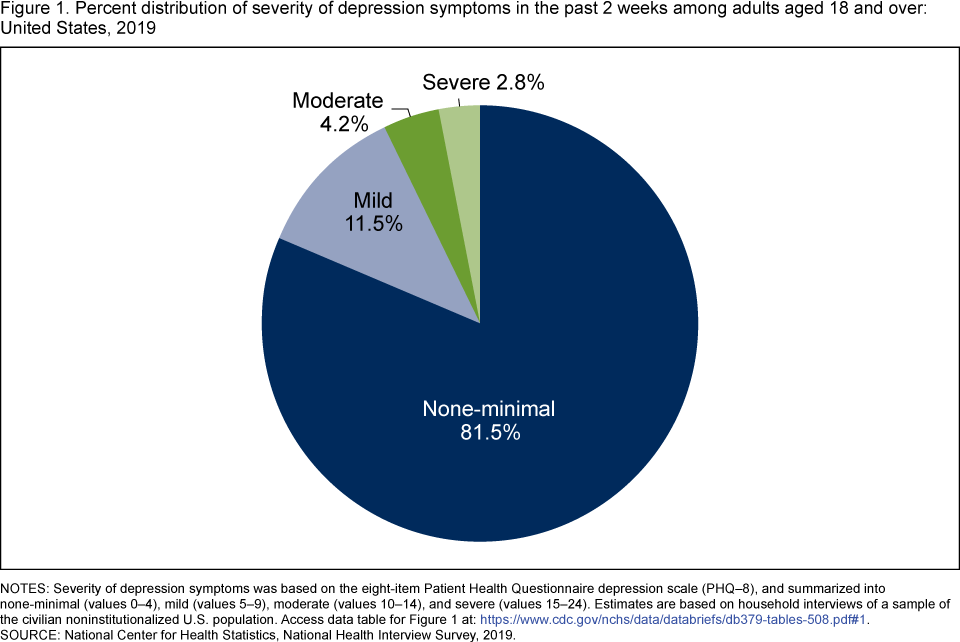
From a financial perspective, these percentages represent a massive “hidden tax” on the economy. Depression is one of the leading causes of disability worldwide, and its economic impact is measured in the hundreds of billions of dollars annually. To understand the true weight of these percentages, we must examine the intersection of mental health, personal wealth, and corporate productivity.
The Macroeconomic Toll: GDP Loss and the Trillion-Dollar Drain
The percentage of the population suffering from depression correlates directly with a loss in global Gross Domestic Product (GDP). Economists have long struggled to quantify the intangible costs of mental health, but recent models suggest that depression and anxiety cost the global economy approximately $1 trillion each year in lost productivity.
The Phenomenon of Presenteeism
While absenteeism (taking time off work) is easy to track, “presenteeism” is the more insidious financial drain. Presenteeism occurs when employees are physically present at their jobs but are unable to function at full capacity due to depressive symptoms. Studies indicate that for every dollar spent on treating depression, there is a four-fold return in improved health and productivity. However, when 18% of a workforce is struggling with their mental health, the cumulative drag on innovation and output can stifle even the most robust markets.
Public Health Expenditure vs. Economic Return
Governments worldwide spend a fraction of their health budgets on mental health, often less than 2% on average. This lack of investment creates a cycle of financial instability. When the percentage of people depressed remains high due to a lack of affordable care, the burden shifts to social safety nets and disability insurance. For the savvy investor or policy analyst, these percentages are a key indicator of future labor market constraints and the long-term sustainability of healthcare systems.
The “Depression Tax”: Personal Finance and the Treatment Gap
On an individual level, the percentage of people depressed highlights a significant divide in wealth accumulation. Mental health and personal finance exist in a feedback loop: financial stress triggers depression, and depression makes it increasingly difficult to manage money, advance in a career, or maintain an investment portfolio.
The High Cost of Care
In the United States, the out-of-pocket cost for mental health care can be a barrier to entry for the 18% of the population seeking help. Even with insurance, copays, deductibles, and the “out-of-network” nature of many psychiatric practices can lead to thousands of dollars in annual expenses. This creates a “treatment gap” where those who need help the most are financially penalized for seeking it. This expense often comes at the cost of retirement contributions or emergency fund building, creating long-term financial vulnerability.
Impulsive Spending and Decision Fatigue
Depression often impairs the executive function required for sound financial decision-making. “Retail therapy” is a colloquial term for a serious economic behavior: the attempt to mitigate depressive symptoms through dopamine-seeking purchases. Furthermore, the “brain fog” associated with depression leads to late fees, missed investment opportunities, and a failure to optimize tax strategies. Over a lifetime, the “depression tax”—the total amount lost to mismanagement and healthcare costs—can reach hundreds of thousands of dollars, significantly impacting an individual’s ability to achieve FIRE (Financial Independence, Retire Early) or build generational wealth.
Corporate Finance: The ROI of Mental Health in the Workplace
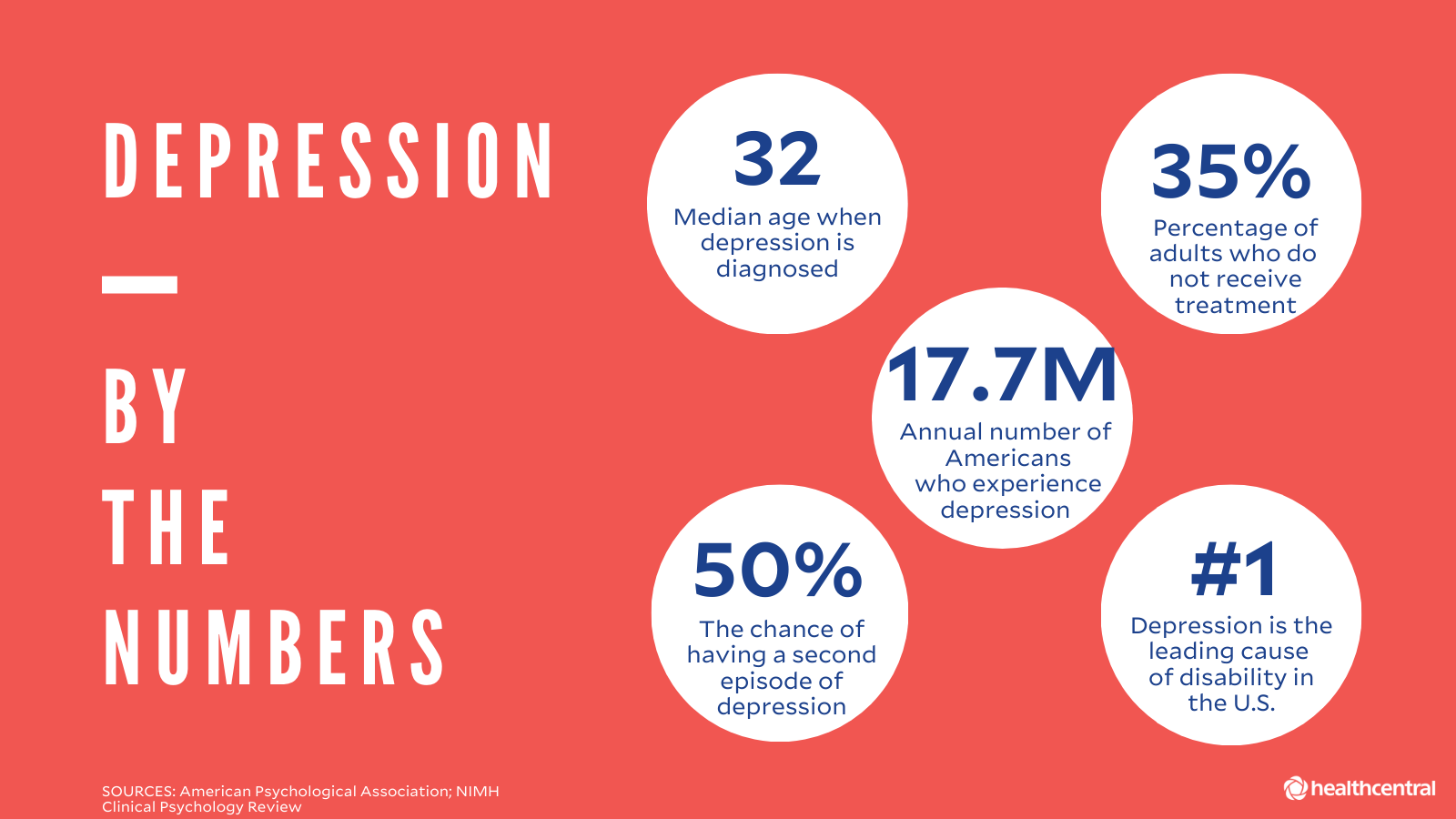
As the percentage of people reporting depression rises, businesses are beginning to view mental health not as a human resources “perk,” but as a core financial strategy. Large-scale enterprises are recognizing that the mental health of their workforce is a significant line item in their profit and loss statements.
Integrating Mental Health into Corporate Strategy
Modern brand strategy and corporate identity are increasingly tied to how a company treats its employees. Companies that ignore the mental health of their staff see higher turnover rates, which is a massive capital drain. It is estimated that replacing a mid-level employee costs between 1.5 to 2 times their annual salary when accounting for recruitment, onboarding, and lost momentum. By reducing the percentage of their workforce that is untreated for depression, companies can significantly stabilize their bottom line.
The Rise of Digital Health Benefits
We are seeing a surge in corporate investment in mental health startups and platforms. Providing access to AI-driven therapy apps, tele-health services, and flexible work arrangements is becoming a standard part of competitive compensation packages. For business owners, the math is simple: investing in the mental resilience of the team reduces the volatility of the business’s human capital. This is a shift from reactive healthcare to proactive financial risk management.
Economic Indicators: Financial Volatility as a Driver of Depression
The percentage of people who are depressed is not static; it fluctuates with the market. Economic downturns, high inflation, and housing instability are leading indicators of a spike in depression rates.
The Correlation Between Debt and Mental Health
There is a direct, measurable correlation between debt-to-income ratios and mental health. Unsecured debt, such as credit card balances and payday loans, is particularly correlated with higher rates of depression. As interest rates rise and the cost of borrowing increases, the mental health of the consumer base often declines. This, in turn, leads to lower consumer confidence and reduced spending in non-essential sectors, creating a recessionary feedback loop.
Unemployment and the Loss of Identity
In a capitalist society, financial status is often tied to personal identity. When unemployment rates rise, the percentage of people depressed typically follows. The loss of a steady income stream is a trauma that affects the prefrontal cortex, making it harder for the individual to navigate the job market effectively. This creates a “poverty trap” where the financial and mental barriers to re-entry into the workforce become nearly insurmountable without external intervention.
Building Financial Resilience: Strategies for the Depressed Investor
Given that a significant percentage of the population will experience depression at some point in their lives, it is vital to build a “depression-proof” financial plan. This involves creating systems that protect your wealth even when your mental energy is at its lowest.
Automating the Personal Economy
The most effective way to combat the financial drain of depression is automation. By setting up automatic transfers to savings, investment accounts, and bill payments, an individual can maintain their financial health during a depressive episode. This removes the “choice architecture” from the equation, ensuring that even when motivation is zero, the compound interest machine continues to work.
Diversification and Risk Management
For those prone to the highs and lows of mental health struggles, a conservative and highly diversified investment strategy is often more sustainable than active trading. High-volatility assets like crypto-currency or individual tech stocks can exacerbate anxiety and depression. A focus on low-cost index funds and “set-it-and-forget-it” portfolios allows for wealth accumulation without the daily emotional toll of market fluctuations.

Investing in Human Capital
The highest return on investment for anyone suffering from depression is often the cost of treatment. While it may seem like a high immediate expense, the long-term increase in earning potential and the reduction in “depression-related losses” make it the most logical financial move. Treating depression should be viewed similarly to a capital expenditure in a business—an upfront cost designed to increase future cash flows.
In conclusion, the question of what percentage of people are depressed is a critical economic inquiry. Whether we are looking at the 5% of global adults or the nearly 20% in certain developed nations, the financial implications are profound. Depression is a market force, a drag on the GDP, and a personal financial hurdle. By recognizing the intersection of wealth and mental health, both individuals and institutions can better prepare for the financial realities of this global epidemic. Understanding these numbers is the first step in moving toward a more resilient and economically sound future.
aViewFromTheCave is a participant in the Amazon Services LLC Associates Program, an affiliate advertising program designed to provide a means for sites to earn advertising fees by advertising and linking to Amazon.com. Amazon, the Amazon logo, AmazonSupply, and the AmazonSupply logo are trademarks of Amazon.com, Inc. or its affiliates. As an Amazon Associate we earn affiliate commissions from qualifying purchases.