
In contemporary economic discourse, the health of a nation is often the most accurate leading indicator of its long-term financial stability. When asking “what percentage of American adults are overweight,” we are not merely seeking a demographic statistic; we are identifying a primary driver of modern fiscal policy, insurance volatility, and investment shifts. As of the latest data from the Centers for Disease Control and Prevention (CDC) and the National Health and Nutrition Examination Survey (NHANES), approximately 73.6% of American adults aged 20 and over are classified as either overweight or obese. Within that figure, roughly 41.9% meet the criteria for obesity.
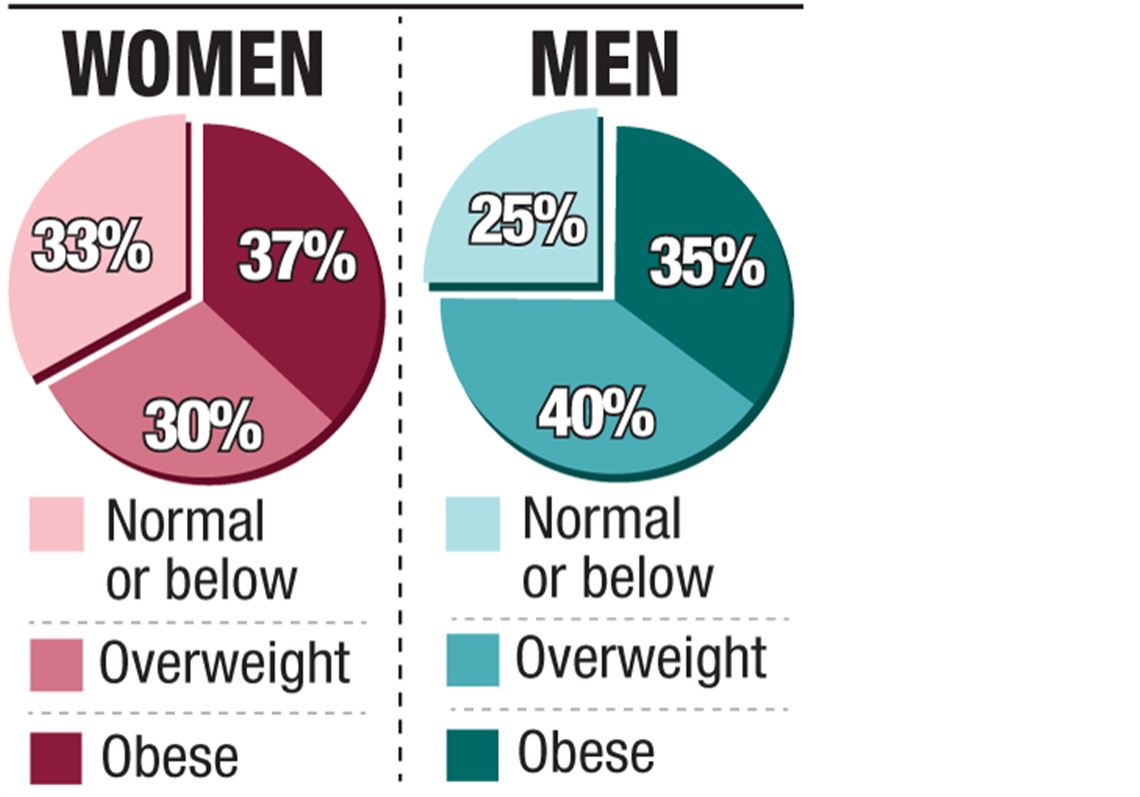
From a “Money” perspective, these figures represent more than a public health crisis—they represent a massive reallocation of capital. The economic burden of this trend is felt across every sector of the financial landscape, from individual retirement accounts and personal insurance premiums to the burgeoning “weight-loss economy” that has captured the attention of Wall Street’s most sophisticated investors.
Understanding the Data: The National Weight Statistics and Their Economic Foundation
The statistic that nearly three-quarters of the American adult population is overweight is a figure that has climbed steadily for four decades. In the early 1960s, the obesity rate hovered around 13%, with an additional 31% of the population considered overweight. The inversion of these numbers has created a structural shift in the American economy.
Breaking Down the CDC and NHANES Figures
To understand the financial implications, one must first understand the metrics. The Body Mass Index (BMI) remains the standard tool for these classifications, where a BMI between 25 and 29.9 is “overweight” and 30 or higher is “obese.” While critics argue about the nuance of BMI in individual cases, the aggregate data is what drives actuarial tables and corporate health strategy.
When 73.6% of the population falls into these categories, it creates a “new normal” that recalibrates the cost of living. This demographic reality influences everything from the design of commercial airplanes and office furniture to the pricing of healthcare services. For the individual, being part of this majority often translates into a “hidden tax” on daily existence.
The Macroeconomic Burden of Weight-Related Conditions
The Brookings Institution and various economic think tanks estimate that the total economic cost of obesity and overweight conditions in the United States exceeds $1.7 trillion annually. This figure includes direct medical costs and the indirect costs associated with lost economic productivity. When nearly 74% of the adult population is at an increased risk for chronic conditions such as Type 2 diabetes, hypertension, and cardiovascular disease, the strain on the national GDP is profound.
For investors, this data points to a sustained, multi-decade demand for chronic disease management. For the taxpayer, it signifies an ever-increasing portion of federal and state budgets being diverted toward Medicare and Medicaid to manage preventable complications.
The Individual Financial Impact: Insurance, Premiums, and Out-of-Pocket Spending
For the average American, the statistic regarding weight translates directly into personal balance sheet volatility. The correlation between body mass and financial outlays is undeniable, manifesting most clearly in insurance markets and personal healthcare spending.
Life Insurance and the “High-Risk” Surcharge
Life insurance is perhaps the most direct financial feedback loop for one’s health status. Actuaries use BMI as a core component of their risk assessment models. An individual classified within the 73.6% “overweight or obese” category may find themselves moved from “Preferred Plus” or “Standard” rating tiers into “Substandard” categories.
This classification can lead to premium increases of 25% to 100% or more. Over a 20-year term policy, this “health premium” can result in tens of thousands of dollars in additional costs—capital that could have otherwise been deployed into tax-advantaged retirement accounts or market investments.
Chronic Disease Management as a Monthly Expense
The financial burden of being overweight is often a “slow leak” rather than a sudden catastrophe. Research published in Health Affairs suggests that medical expenses for obese adults are approximately $2,500 higher per year than for those with a healthy weight. These costs include higher co-pays, more frequent prescription refills, and specialized diagnostic testing. For a household, this can represent a significant percentage of disposable income, reducing the ability to build an emergency fund or invest in growth assets.

The Investment Frontier: Capitalizing on the Weight-Loss Revolution
Where there is a massive societal challenge, there is often a massive investment opportunity. The fact that such a high percentage of the population is overweight has birthed a new “gold rush” in the pharmaceutical and wellness sectors, fundamentally altering the composition of many growth-oriented portfolios.
The Ascent of GLP-1 Agonists: A Trillion-Dollar Opportunity?
The most significant financial story of the last 24 months has been the rise of GLP-1 receptor agonists, such as semaglutide (Ozempic/Wegovy) and tirzepatide (Mounjaro/Zepbound). These drugs have transformed companies like Novo Nordisk and Eli Lilly into some of the most valuable entities on the planet.
Investors have poured capital into these stocks, betting that the high percentage of overweight Americans will create a permanent and massive market for these treatments. Goldman Sachs analysts have projected that the market for these anti-obesity medications could reach $100 billion by 2030. This shift represents a pivot in the “Money” sector from treating the symptoms of obesity to pharmaceutical intervention for the condition itself.
Diversifying Portfolios within the Wellness and Bio-Tech Sectors
Beyond Big Pharma, the 73.6% statistic influences the broader “Wellness” economy. This includes digital health platforms, wearable technology (such as Oura or Apple Watch), and specialized nutrition companies. For the savvy investor, the prevalence of overweight adults suggests a long-term trend toward “preventive tech.” Companies that can provide data-driven solutions to help the 74% manage their health are seeing increased venture capital interest and higher valuations in the public markets.
Corporate Finance and the Workplace: The Cost of a Growing Workforce
Business owners and corporate CFOs are also forced to reckon with these statistics. The health of the American workforce is a direct line item on the corporate income statement.
Productivity, Absenteeism, and Presenteeism
The Milken Institute highlights that obesity-related decreased productivity costs American businesses over $500 billion annually. This loss comes in two forms: absenteeism (taking days off for health issues) and presenteeism (being at work but functioning at lower capacity due to health-related fatigue or discomfort). For a business, this means that the “true cost” of labor is higher than what is reflected in the hourly wage or salary.
Employer-Sponsored Health Plans: Navigating Rising Premiums
As the percentage of overweight adults remains high, the cost of employer-sponsored health insurance continues to outpace inflation. Small and medium-sized enterprises (SMEs) are particularly vulnerable to these increases. A single high-cost claim related to a weight-linked heart condition or surgical intervention can cause a company’s premiums to spike, eating into the margins that would otherwise fund expansion or employee bonuses. This has led many corporations to invest heavily in “Corporate Wellness Programs,” viewing them not as a perk, but as a financial strategy to mitigate future insurance liabilities.
Strategic Financial Planning: Health as a Primary Asset Class
Given the reality that 73.6% of adults are overweight, a modern financial plan is incomplete without a strategy for “health capital.” In the world of personal finance, health is increasingly being viewed as a primary asset class that requires active management.
Mitigating Long-Term Care Costs
One of the greatest threats to a successful retirement plan is the cost of long-term care. Chronic conditions associated with high BMI often lead to a loss of mobility or the need for assisted living earlier in life. With the average cost of a private room in a nursing home exceeding $100,000 per year in many states, maintaining a healthy weight is one of the most effective ways to protect a retirement nest egg from being liquidated for medical care.

The ROI of Preventive Wellness and Lifestyle Investment
From a financial perspective, spending money on high-quality nutrition, fitness coaching, or preventive screenings should not be viewed as a “luxury expense.” Instead, it should be categorized as an investment with a high Internal Rate of Return (IRR). By spending $2,000 a year on preventive health now, an individual might avoid $200,000 in medical debt or lost earnings in their 50s and 60s.
In conclusion, the question of “what percentage of American adults are overweight” is central to the American financial narrative. The 73.6% figure is a catalyst for pharmaceutical innovation, a driver of insurance premiums, and a significant variable in corporate profitability. For the individual and the investor alike, recognizing the economic weight of this statistic is the first step toward making informed, strategic decisions in an increasingly health-conscious financial world.
aViewFromTheCave is a participant in the Amazon Services LLC Associates Program, an affiliate advertising program designed to provide a means for sites to earn advertising fees by advertising and linking to Amazon.com. Amazon, the Amazon logo, AmazonSupply, and the AmazonSupply logo are trademarks of Amazon.com, Inc. or its affiliates. As an Amazon Associate we earn affiliate commissions from qualifying purchases.