
The film industry has always been a mirror of technological progress, but the slate of movies coming out this year marks a definitive pivot point in how stories are captured, processed, and delivered. While audiences look forward to the narratives and performances of the season’s blockbusters and indie darlings, the real story lies beneath the surface: a massive leap in generative AI, virtual production, and high-fidelity distribution tech. From the integration of Unreal Engine 5.4 in live-action workflows to the emergence of spatial computing as a primary viewing medium, the technical backbone of this year’s cinematic releases represents the most significant shift since the transition from film to digital.
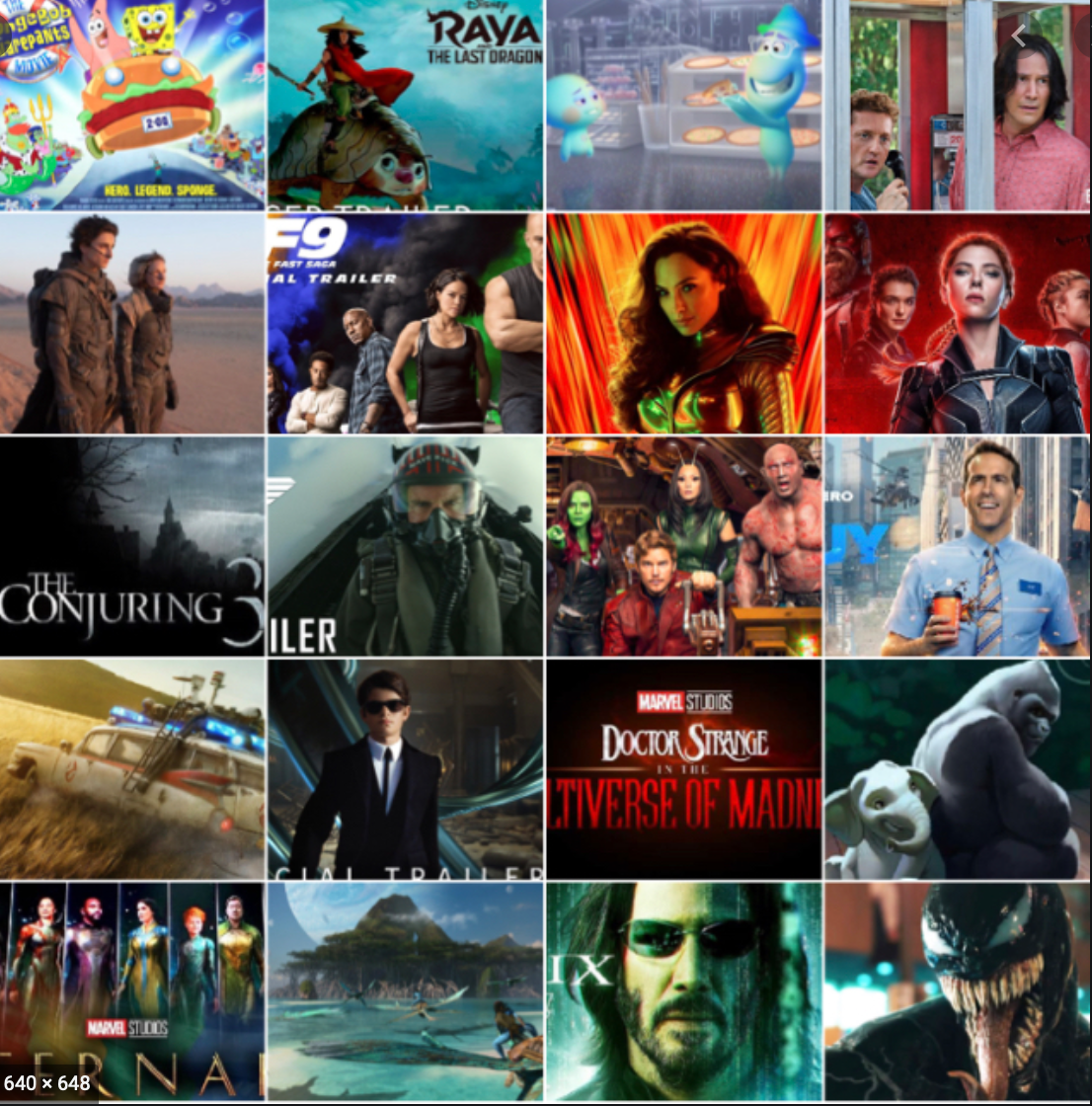
The AI Frontier: How Generative Tools are Shaping This Year’s Visuals
Perhaps the most discussed technological shift affecting the movies coming out this year is the widespread adoption of Generative Artificial Intelligence (GenAI) in post-production. While the industry continues to navigate the ethical and labor implications of these tools, the technical reality is that AI has moved from a niche experiment to a core component of the visual effects (VFX) pipeline.
Neural Rendering and De-Aging Tech
This year, we are seeing a move away from traditional mesh-based de-aging toward neural rendering. In previous years, de-aging an actor required thousands of hours of manual frame-by-frame manipulation. The films released this year are increasingly utilizing proprietary AI models trained on an actor’s past filmography. These models allow for real-time facial re-mapping, preserving the nuances of a performance while digitally altering the actor’s age with a level of photorealism that avoids the “uncanny valley” pitfalls of the past.
AI-Driven Color Grading and Restoration
Beyond the spectacle of visual effects, AI is revolutionizing the technical finish of this year’s films. Automated color grading tools are now capable of analyzing the emotional metadata of a scene and suggesting palettes that align with specific cinematic traditions. For the slate of classic restorations coming to theaters and streaming this year, AI-based upscaling and grain management have allowed technicians to breathe new life into older IPs, making 35mm prints look native to 4K and 8K digital environments without losing the original texture of the film.
Virtual Production and the Mastery of the “Volume”
The “Volume”—an immersive environment of LED panels powered by real-time game engines—has moved into its second generation of maturity. This year’s major releases, particularly in the sci-fi and fantasy genres, have almost entirely abandoned the traditional green screen in favor of these high-tech stages.
The Impact of Unreal Engine 5.4
The release of Unreal Engine 5.4 earlier this year has had a profound impact on the movies hitting theaters now. With features like Nanite (for billion-polygon geometry) and Lumen (for real-time global illumination), filmmakers can now see the final lighting of a scene directly on set. This eliminates the “lighting mismatch” often found in older CGI-heavy films. This year’s movies benefit from actors being able to interact with real light emanating from the environment, leading to more grounded and believable performances in alien or fantastical landscapes.
Simultaneous Multi-Camera Tracking
A technical hurdle in previous years was the “one camera” limitation of virtual production, where the perspective on the LED walls could only be correct for one lens at a time. The films coming out this year utilize advanced multi-frustum tracking tech. This allows multiple cameras to shoot the same virtual environment from different angles simultaneously, significantly speeding up production schedules and allowing for more complex cinematography in digital environments.
Distribution Tech: The Evolution of Streaming and Compression
While the theatrical experience remains the gold standard, the technology governing how movies come out on digital platforms has reached a new level of sophistication this year. The focus has shifted from mere “availability” to “fidelity,” as streaming giants compete to offer theater-quality experiences in the home.
The Rise of the AV1 Codec
One of the most important technical developments for this year’s digital releases is the broader adoption of the AV1 codec. As 4K HDR content becomes the baseline, the efficiency of compression is paramount. AV1 provides a significant increase in visual quality at lower bitrates compared to the aging HEVC (H.265) standard. For the consumer, this means that the high-budget action movies coming out this year will have fewer compression artifacts in dark scenes and more detail in high-motion sequences, even on standard home internet connections.
Dynamic Metadata and Expanded HDR Standards
This year marks the year where Dolby Vision and HDR10+ have become standard for almost every major release. The tech behind dynamic metadata allows the film to communicate with the viewer’s TV on a frame-by-frame basis, ensuring that the peak brightness and black levels are exactly what the director intended. This “Creative Intent” technology is being pushed further this year with the introduction of “Filmmaker Mode” automation, where metadata in the movie file can automatically disable motion smoothing and other “soap opera effect” settings on modern smart TVs.
Immersive Hardware: Viewing This Year’s Slate in Spatial Computing
The way we define a “movie” is being challenged by the hardware it is played on. This year, the release of high-end spatial computing headsets, such as the Apple Vision Pro and the Meta Quest 3, has created a new category for cinematic consumption.
180-Degree and 3D Re-Emergence
While 3D movies in theaters have seen fluctuating interest, the movies coming out this year are seeing a massive resurgence in 3D format for the spatial computing market. The technology allows for “multiview” video coding, providing a distinct 4K image to each eye. This creates a level of depth and immersion that traditional polarized glasses in a theater cannot match. Studios are now releasing “Immersive Versions” of their films specifically optimized for these headsets, featuring expanded aspect ratios that fill the user’s entire field of vision.
Object-Based Audio and Personal Soundscapes
Audio technology has also taken a leap forward. This year’s film slate heavily utilizes object-based audio (like Dolby Atmos and DTS:X) not just for theaters, but for personalized spatial audio. Using HRTF (Head-Related Transfer Function) technology, the movies released this year can simulate a 7.1.4 surround sound system through a pair of standard headphones. This allows for a cinematic audio experience that moves with the viewer’s head, placing sounds precisely in 3D space.
The Data-Driven Movie: Analytics and the Greenlight Process
Behind the scenes, the “tech” of the movies coming out this year isn’t just about what’s on the screen—it’s about the data that put it there. The business of filmmaking has become an exercise in high-level data science.
Predictive Modeling and Audience Segmentation
Studio executives are now using advanced machine learning models to predict the performance of a film before a single frame is shot. By analyzing social sentiment, historical performance of similar IPs, and even the “star power” metrics of cast members via AI, studios are fine-tuning their release calendars. The specific timing of when movies come out this year—staggered to avoid saturation and maximize global box office windows—is the result of complex algorithmic scheduling.
Digital Twins and Asset Management
In an era of franchises, the concept of the “Digital Twin” has become essential. When a movie comes out this year, the digital assets—characters, vehicles, environments—are no longer just pixels for a single film. They are high-fidelity digital twins stored in “Universal Scene Description” (USD) formats. This tech allows a studio to take a 3D model used in a movie and immediately port it into a video game, a VR experience, or a sequel with zero loss in quality. This interoperability is the technical foundation of the modern “cinematic universe,” ensuring visual consistency across different media formats.

Conclusion: A New Standard of Excellence
As we look at the list of what movies come out this year, it is clear that we are witnessing a synthesis of art and high technology. The tools used to create these films—from the generative algorithms that assist in the edit suite to the real-time engines that power the sets—have reached a level of maturity that allows for unprecedented creative freedom.
For the tech-savvy viewer, the joy of this year’s cinema is twofold. There is the emotional resonance of the storytelling, and then there is the appreciation for the invisible layers of code, hardware, and engineering that make that storytelling possible. We are no longer just watching movies; we are experiencing the cutting edge of digital innovation, packaged into two hours of narrative brilliance. The technological landscape of this year’s films has set a high bar, one that will serve as the foundation for the next decade of entertainment evolution.
aViewFromTheCave is a participant in the Amazon Services LLC Associates Program, an affiliate advertising program designed to provide a means for sites to earn advertising fees by advertising and linking to Amazon.com. Amazon, the Amazon logo, AmazonSupply, and the AmazonSupply logo are trademarks of Amazon.com, Inc. or its affiliates. As an Amazon Associate we earn affiliate commissions from qualifying purchases.