
When analyzing the landscape of modern media, “Twilight” is rarely discussed merely as a film; it is studied as a masterclass in brand architecture, market positioning, and the strategic cultivation of a loyal consumer base. Released in 2008, Twilight transitioned from a niche young adult novel into a multi-billion-dollar cinematic franchise that redefined how studios approach target demographics. To understand what Twilight the movie is through the lens of brand strategy is to understand how a specific aesthetic, a polarized marketing campaign, and a deep understanding of consumer psychology can create a commercial juggernaut that transcends the screen.
The Architecture of a Global Brand Identity
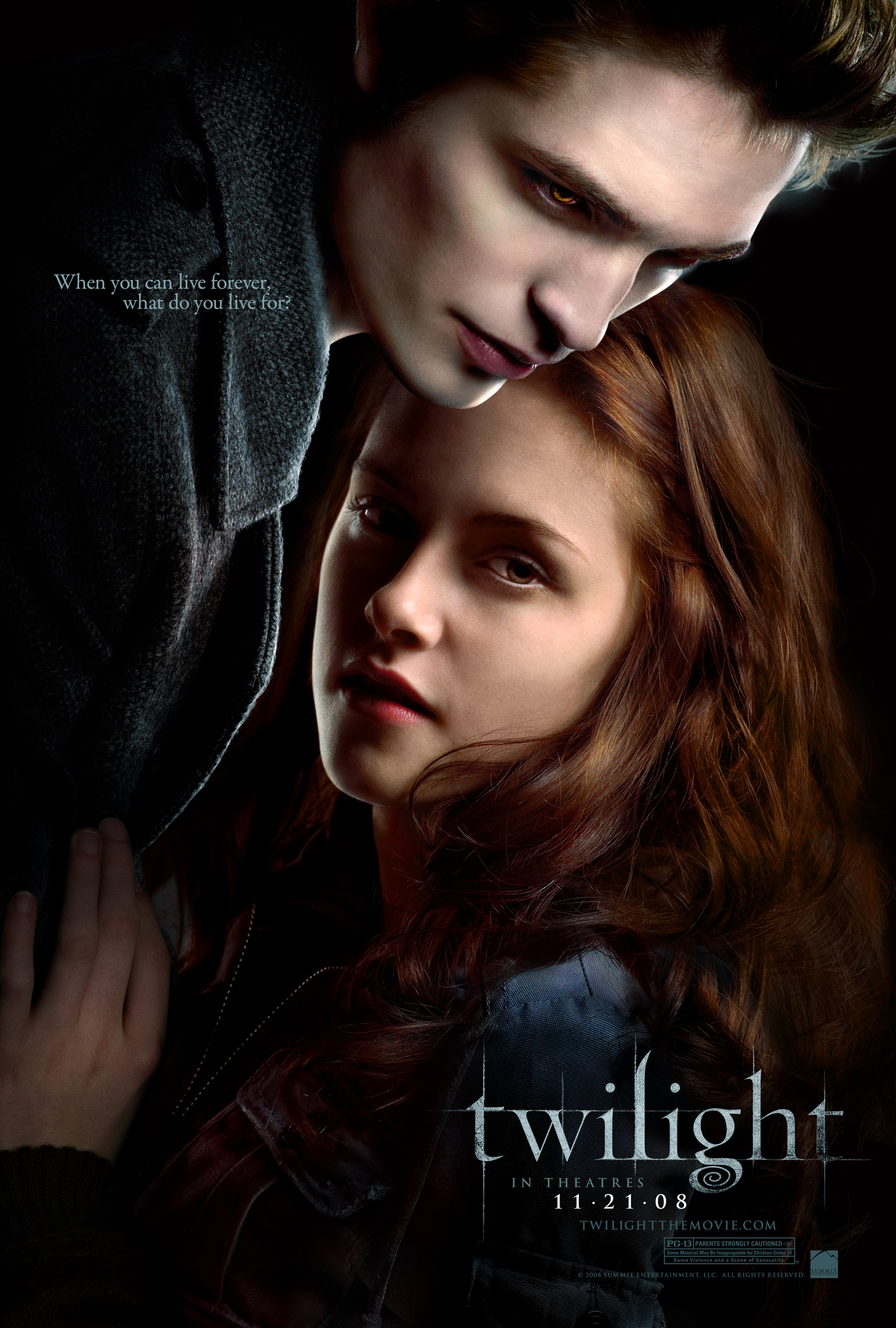
The success of Twilight as a brand began with its distinct visual and atmospheric identity. Unlike the high-fantasy or action-heavy franchises of the early 2000s, the producers of Twilight opted for a specific, moody aesthetic that became synonymous with the brand itself. This was not merely an artistic choice; it was a branding move designed to differentiate the product in a crowded marketplace.
Visual Cohesion and Atmospheric Branding
The first film in the franchise is famously characterized by its cold, blue-green color palette. This visual “wash” served as a primary brand identifier. In marketing materials, posters, and trailers, this color grading signaled a specific emotional experience—one of melancholy, romance, and mystery. By maintaining this high level of visual consistency, the brand created an immediate association for the viewer. When a consumer saw that specific palette, they knew they were looking at a Twilight product. This level of brand recognition is usually reserved for corporate giants like Coca-Cola or Apple, yet Twilight achieved it within a single theatrical release cycle.
Establishing the “Blank Canvas” Protagonist
From a brand strategy perspective, the character of Bella Swan was designed as a “blank slate” brand interface. By keeping the protagonist’s traits relatively understated, the brand allowed its target demographic to project themselves into the narrative. This is a classic psychological branding technique used to increase user engagement and personal investment. The movie functioned as an experiential platform where the audience wasn’t just watching a story; they were participating in a brand-led fantasy.
The “Team Edward vs. Team Jacob” Marketing Masterclass
One of the most significant contributions Twilight made to the world of brand marketing was the institutionalization of the “Team” dynamic. By forcing the audience to choose between the two male leads, Edward Cullen and Jacob Black, the marketing team effectively gamified the cinematic experience.
Gamification and Audience Segmentation
The “Team Edward vs. Team Jacob” campaign was an early example of leveraging audience polarization to drive engagement. By segmenting the fan base, the brand encouraged active participation and debate. This wasn’t just a movie preference; it became a part of the consumer’s personal identity. This strategy maximized social media chatter (during the infancy of platforms like Twitter and Facebook) and ensured that the brand remained at the center of cultural conversation for years.
Creating Brand Evangelists
This binary choice turned passive viewers into brand evangelists. Fans didn’t just buy a ticket; they bought merchandise—t-shirts, buttons, and accessories—that signaled their “team” affiliation. This is the pinnacle of brand loyalty: when a customer uses your product to signal their own values or personality traits to the world. The “Team” strategy turned a linear film experience into a social and community-driven brand ecosystem.
Market Positioning and the Cultural “Blue Ocean”

In business strategy, a “Blue Ocean” refers to an uncontested market space where a brand can thrive without direct competition. Before Twilight, the film industry largely ignored the teenage female demographic in the supernatural and action genres, assuming these films were primarily for young men. Twilight identified this massive, underserved market and positioned itself as the premier brand for “supernatural romance.”
Identifying the Underserved Demographic
Summit Entertainment, the studio behind the film, recognized that there was a high demand for high-stakes, emotional storytelling that blended genre elements with relatable relationship dynamics. By positioning Twilight as a “prestige” romance for young adults, they captured a demographic that had been largely overlooked by the blockbuster machine. This strategic positioning allowed them to dominate the box office and set a new standard for what a “commercial” film could look like.
Seasonal Branding and Release Strategy
The brand’s release strategy was also meticulously planned. By targeting late autumn release dates, the brand capitalized on the “back-to-school” and “holiday” seasons, aligning the film’s moody atmosphere with the actual environment of its consumers. This temporal branding helped the movie feel like a seasonal event, much like the way Starbucks brands the return of the Pumpkin Spice Latte. It created an annual cycle of anticipation that sustained the brand’s momentum across five films.
The Economic Ripple Effect: Brand Extensions and Ecosystems
Twilight was never just about the box office receipts; it was about the creation of a vast economic ecosystem. The movie served as the “hero product” that drove consumers toward a myriad of brand extensions.
The Power of the Soundtrack Brand
The Twilight soundtracks were a critical component of the brand’s corporate identity. By featuring a mix of indie darlings and established rock stars (such as Muse, Radiohead, and Paramore), the brand elevated its perceived cultural capital. The soundtracks were marketed as standalone products that captured the “essence” of the brand. This allowed the Twilight brand to penetrate the music industry, reaching consumers who might not have even seen the films but were drawn to the curated “vibe” of the brand.
Location Branding and Tourism
Perhaps the most unique aspect of the Twilight brand was its impact on real-world geography. The town of Forks, Washington, became an extension of the brand’s physical identity. Through strategic partnerships and local marketing, a small, quiet town was transformed into a global tourist destination. This is a rare example of “location branding,” where a fictional IP provides a permanent economic boost to a real-world economy. Fans traveled from around the world to “live” the brand, demonstrating the incredible power of an immersive brand experience.
Legacy and Longevity: Sustaining Brand Equity Post-Conclusion
Even a decade after the final film was released, the Twilight brand maintains significant equity. This is due to the brand’s ability to evolve and adapt to new platforms and cultural shifts.
The “Twilight Renaissance” and Digital Nostalgia
In recent years, the brand has experienced what digital marketers call a “renaissance.” Through platforms like TikTok and Instagram, a new generation has discovered the films, while the original audience has engaged with them through the lens of nostalgia. The brand’s management has facilitated this by ensuring the films remain available on major streaming platforms, keeping the IP relevant in the digital age.
Corporate Identity and Genre Influence
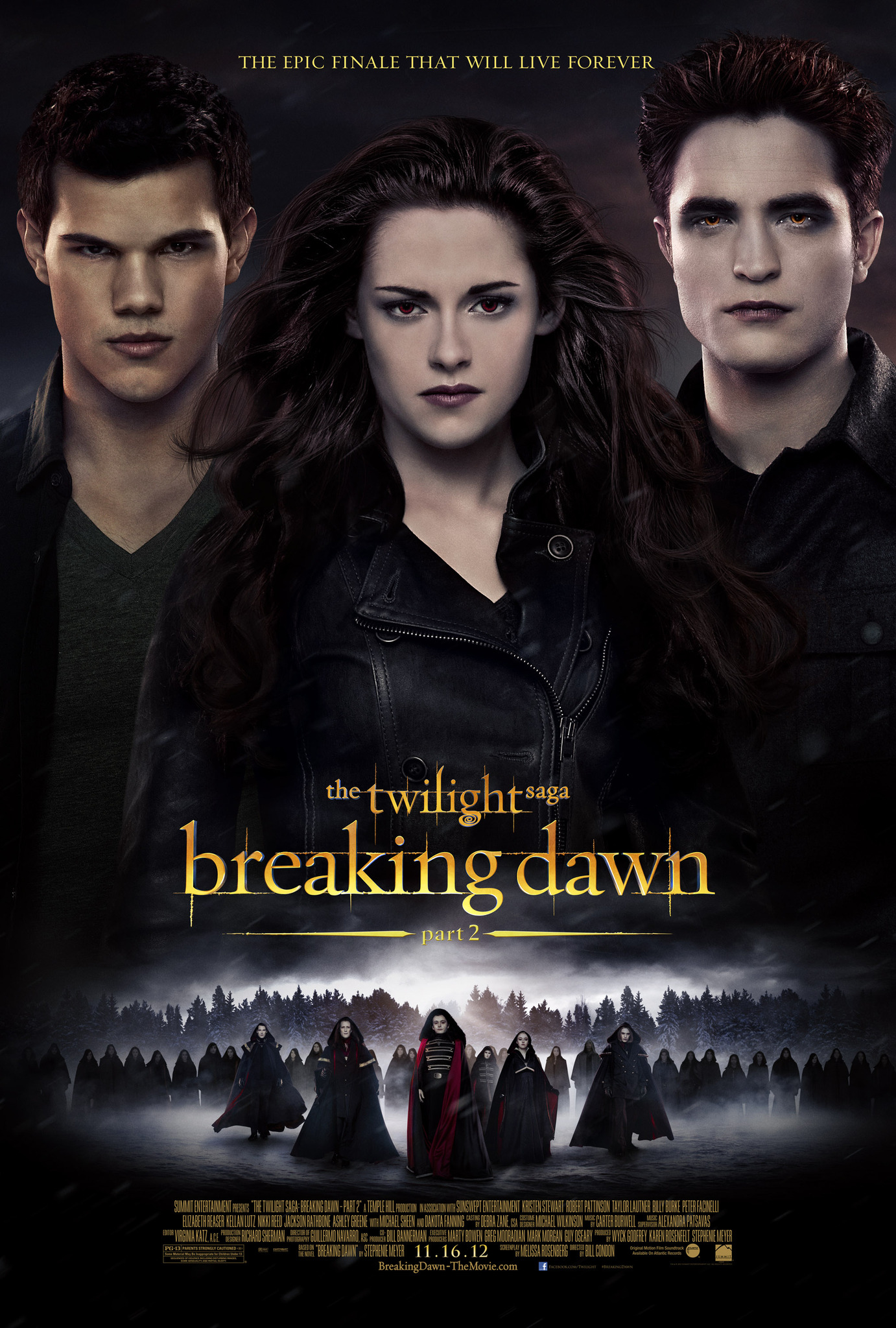
The legacy of Twilight is also seen in how it paved the way for subsequent franchises like The Hunger Games and Divergent. It proved that “female-led” brands were not just viable but were some of the most profitable assets in a studio’s portfolio. From a corporate identity perspective, Twilight shifted the internal logic of Hollywood, forcing a reevaluation of market potential and consumer spending power.
In conclusion, when we ask “What is Twilight the movie?”, we are asking about a landmark case study in modern branding. It is a product that succeeded by blending a highly specific visual identity with a brilliant social engagement strategy. It filled a void in the marketplace and created a multi-sensory ecosystem that extended far beyond the cinema walls. Whether through its “Team” based marketing, its curated musical identity, or its impact on tourism, Twilight stands as a testament to the power of a well-executed brand strategy in the global entertainment economy.
aViewFromTheCave is a participant in the Amazon Services LLC Associates Program, an affiliate advertising program designed to provide a means for sites to earn advertising fees by advertising and linking to Amazon.com. Amazon, the Amazon logo, AmazonSupply, and the AmazonSupply logo are trademarks of Amazon.com, Inc. or its affiliates. As an Amazon Associate we earn affiliate commissions from qualifying purchases.