
For decades, the global food industry was built upon a foundation of chemical efficiency, shelf-life maximization, and low-cost raw materials. At the heart of this strategy was a specific category of lipids known as trans fats—or more specifically, partially hydrogenated oils (PHOs). While often discussed in medical or nutritional circles, trans fats represent one of the most significant case studies in industrial economic history. Understanding “what is trans fats in” requires looking beyond the ingredient label and into the complex intersection of supply chain management, commodity trading, and corporate risk assessment.
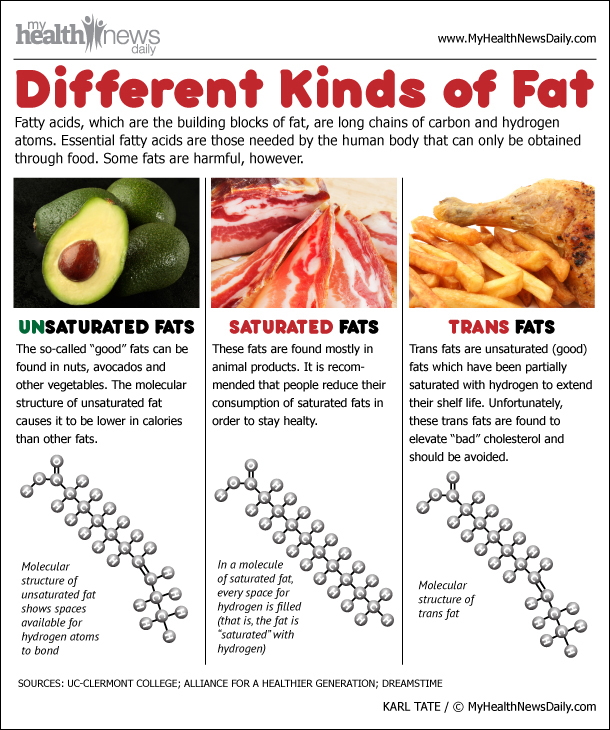
From a financial perspective, trans fats were the “gold standard” for industrial profitability. They offered a unique combination of high melting points, oxidative stability, and extremely low production costs. However, as the global regulatory landscape shifted, these once-valuable assets turned into significant liabilities. To understand the current economic landscape of the food and beverage sector, investors and business analysts must grasp the legacy of these fats, the cost of their removal, and the multibillion-dollar market for the alternatives that have replaced them.
The Economic Logic of Industrial Hydrogenation
To understand what trans fats are in from a commercial standpoint, one must first understand the “Hydrogenation Economy.” In the mid-20th century, food manufacturers faced a logistical bottleneck: animal fats like butter and lard were expensive, prone to spoilage, and subject to volatile supply chains. The technological breakthrough of partial hydrogenation allowed manufacturers to take cheap, liquid vegetable oils—primarily soybean and cottonseed oil—and turn them into semi-solid fats.
Cost-Efficiency and the Marginal Profit Gain
The primary reason trans fats proliferated across thousands of SKUs (Stock Keeping Units) was the immediate impact on the bottom line. By bubbling hydrogen through vegetable oil in the presence of a catalyst, companies created a substance that was immune to rancidity for months, if not years. This led to:
- Reduced Waste (Shrinkage): Products could sit on warehouse shelves and retail displays longer without losing flavor profile or texture, drastically reducing the “shrink” costs for retailers and distributors.
- Logistical Optimization: Because these fats were solid at room temperature and resistant to heat, they did not require expensive refrigerated transport, lowering the carbon footprint and the cold-chain expenditure for global shipping.
- Texture and Palatability: In the commercial baking and snack sectors, trans fats provided a “mouthfeel” that was difficult to replicate with liquid oils. This created brand loyalty through consistent sensory experiences, which translates directly into recurring revenue.
The Sectoral Spread: Where the Capital Was Invested
When asking what trans fats are in, the answer historically covered nearly 40% of the products in a typical grocery store. For an investor, this meant exposure across multiple sub-sectors. The “Big Three” areas of concentration were:
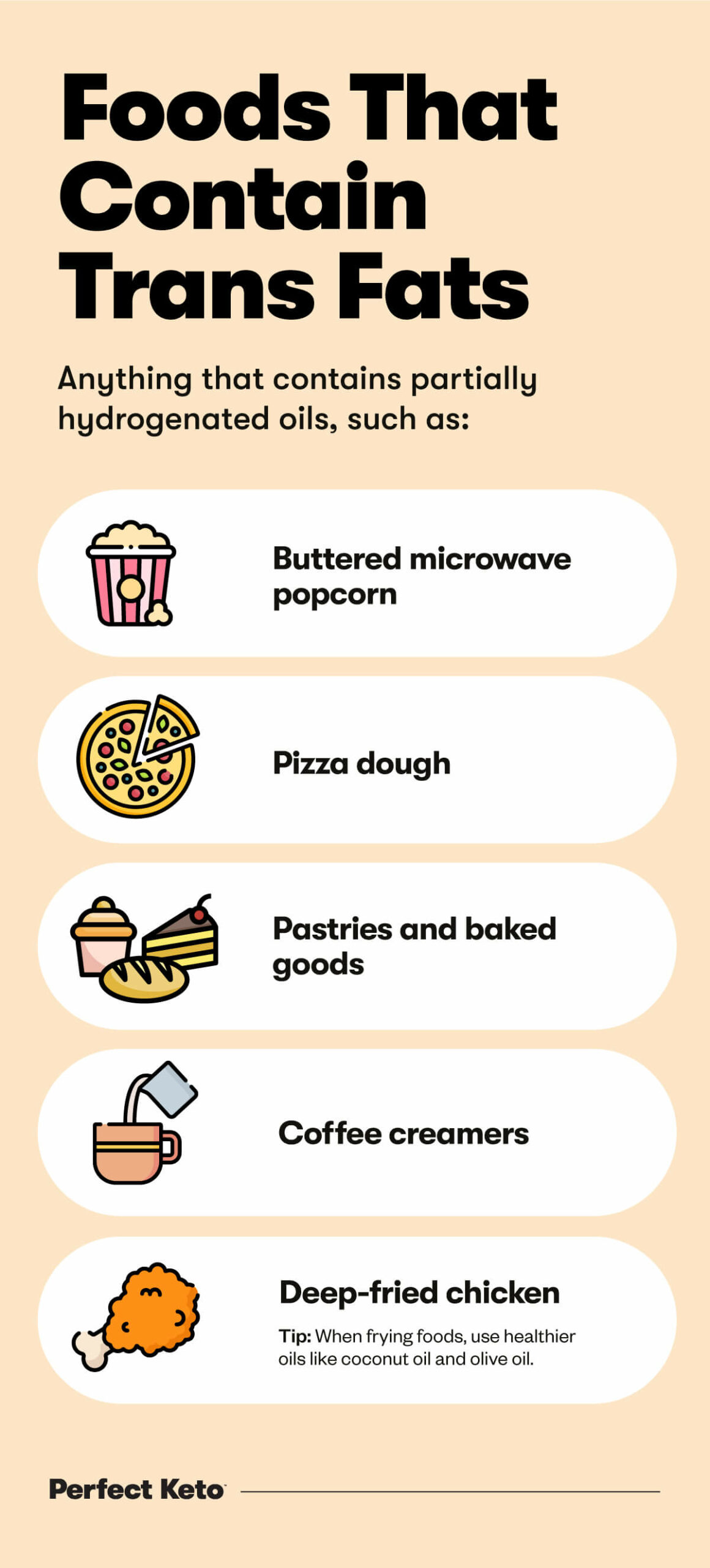
- The Quick-Service Restaurant (QSR) Sector: Deep-frying oils were predominantly trans fats because they could be heated and cooled repeatedly without breaking down, offering a lower “cost per fry” than any other lipid.
- Commercial Industrial Baking: From crackers to pie crusts, the “shortening” used was almost exclusively PHO-based to ensure the flaky texture that consumers demanded at a mass-market price point.
- The Frozen Food Vertical: To maintain structural integrity during the freeze-thaw cycle, manufacturers relied on the stability of trans fats to prevent ingredient separation.
The Billion-Dollar Pivot: Regulatory Risk and Reformulation Costs
The transition away from trans fats serves as a masterclass in how regulatory shifts can disrupt global markets. When the World Health Organization (WHO) and local regulators (such as the FDA in the United States) moved to strip PHOs of their “Generally Recognized as Safe” (GRAS) status, it triggered a massive reallocation of capital.
The Financial Burden of R&D
For a major multinational food corporation, removing trans fats was not as simple as swapping one oil for another. It required “The Great Reformulation.” This process involved millions of dollars in research and development to find alternative lipid systems that could mimic the functional properties of trans fats without the health baggage.
Companies had to invest in:
- Pilot Plant Testing: Running new recipes through industrial-scale equipment to ensure the “snap” of a cookie or the “spread” of a margarine remained consistent.
- Supply Chain Re-Engineering: Securing new sources of high-oleic oils or palm oil, which often meant competing for limited supply in a tightening market.
- Labeling and Compliance: The cost of redesigning packaging and ensuring legal compliance across different jurisdictions added a significant layer of administrative overhead.
The Palm Oil Surge and Commodity Volatility
As the industry moved away from PHOs, the demand for natural solid fats skyrocketed. This led to a massive influx of capital into the palm oil industry, particularly in Southeast Asia. For investors, this shifted the risk profile from chemical processing plants to tropical agriculture. The reliance on palm oil introduced new ESG (Environmental, Social, and Governance) risks, as concerns over deforestation and labor practices began to affect the stock valuations of major food brands. The “trans fat problem” essentially became a “sustainability problem,” illustrating how financial risk in the food sector is rarely eliminated—only transferred.
Market Winners: The Rise of Specialized Oil Producers
The vacancy left by trans fats created a vacuum that was quickly filled by innovative agribusinesses and biotech firms. If you look at “what is trans fats in” today, the answer is increasingly “nothing,” but the financial interest has moved to the companies providing the solutions.
The High-Oleic Revolution
One of the most profitable pivots in the agricultural sector has been the development of “high-oleic” soybean and sunflower oils. Through traditional breeding and genetic engineering, companies like Corteva Agriscience and Bayer (through their acquisition of Monsanto) created seeds that produce oils with higher stability, mimicking the benefits of trans fats without the trans-isomers.
- Premium Pricing: These specialized oils command a higher price point than standard vegetable oils, allowing agribusinesses to capture higher margins.
- Contract Farming: This has led to an increase in “identity-preserved” supply chains, where farmers are paid a premium to grow specific oilseed varieties, creating a more structured and predictable financial ecosystem for the agricultural middle-market.
The Role of Fractionalization and Interesterification
Technological advancements in “interesterification”—a process that rearranges the fatty acids within an oil molecule—have become a high-growth niche within food tech. This process allows manufacturers to create a solid fat from liquid oils without creating trans fats. Companies that own the intellectual property for these chemical processes have seen their valuations rise as they become essential partners for snack food conglomerates. This demonstrates that in the modern economy, the “value” is no longer in the commodity itself, but in the technology used to process it.
Macroeconomic Implications: Health Costs and Productivity
When evaluating the financial footprint of trans fats, one must look at the “externalities”—the costs not captured on a corporate balance sheet but borne by the economy as a whole. The removal of trans fats from the food supply is estimated to save billions of dollars annually in healthcare expenditures.
Direct Healthcare Expenditures
Trans fats have been linked to coronary heart disease and other metabolic issues. From a personal finance and public policy perspective, the “cost” of trans fats was hidden in insurance premiums and government health budgets. Economic studies have suggested that for every dollar saved by using cheaper trans fats in food production, several dollars were spent in the healthcare system treating the resulting chronic conditions.
Productivity and Human Capital
A healthy workforce is a productive workforce. The systemic removal of trans fats has a direct correlation with the preservation of “human capital.” By reducing the incidence of cardiovascular events among the working-age population, the economy benefits from reduced absenteeism and longer career spans. For institutional investors, this represents a long-term “hidden dividend”—a healthier consumer base with higher disposable income and lower medical debt.
Future Outlook: The Business of “Clean Label” Transparency
The legacy of trans fats has fundamentally changed how consumers and investors view the food industry. We have entered the era of the “Clean Label,” where transparency is a primary driver of market share.
The “Free-From” Premium
Today, products that are labeled “Zero Trans Fats,” “Non-GMO,” or “Organic” are able to command a price premium. This is no longer just a niche market for health-conscious consumers; it is a mainstream financial strategy. The ability of a brand to prove that it is free from controversial ingredients is a key indicator of its brand equity and its ability to withstand future regulatory crackdowns.
Diversification of the Lipid Portfolio
The future of “what is trans fats in” is being replaced by a diversified portfolio of lipids, including algae-based oils, lab-grown fats, and ancient grains. Venture capital is flowing into food-tech startups that are using fermentation to “brew” fats that are more sustainable and healthier than anything produced in the 20th century. For the savvy investor, the lesson of trans fats is clear: the most profitable path forward lies in ingredients that align with both physiological health and environmental sustainability.
In conclusion, while trans fats were once the backbone of a low-cost, high-margin food economy, they now serve as a cautionary tale of the risks associated with industrial shortcuts. The transition to a trans-fat-free world has reshaped commodity markets, birthed new technological industries, and redefined the criteria for corporate success in the 21st century. Understanding the financial mechanics behind these ingredients is essential for anyone looking to navigate the complex world of modern food and beverage investment.
aViewFromTheCave is a participant in the Amazon Services LLC Associates Program, an affiliate advertising program designed to provide a means for sites to earn advertising fees by advertising and linking to Amazon.com. Amazon, the Amazon logo, AmazonSupply, and the AmazonSupply logo are trademarks of Amazon.com, Inc. or its affiliates. As an Amazon Associate we earn affiliate commissions from qualifying purchases.