
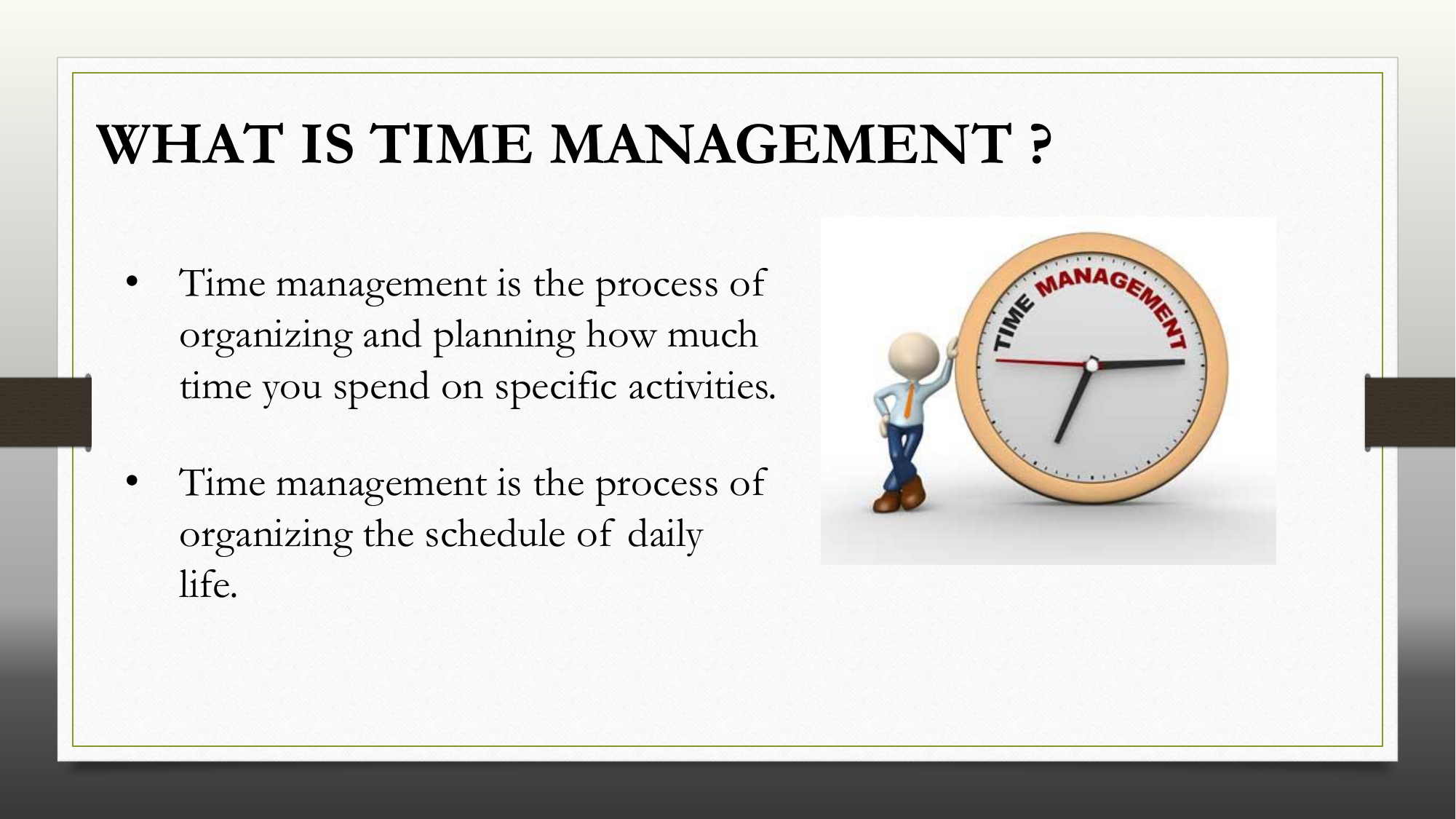
In the contemporary technological landscape, the definition of time management has evolved from a simple personal habit into a complex, data-driven discipline integrated into our digital ecosystems. At its core, the time management definition refers to the systematic process of planning and exercising conscious control over the amount of time spent on specific activities—particularly to increase effectiveness, efficiency, and productivity. However, in the context of the modern tech-first world, this definition expands to include the strategic use of software, artificial intelligence, and automation to optimize human output.
To understand time management today is to understand the interface between human intention and technological capability. It is no longer just about carrying a pocket watch or marking a paper calendar; it is about managing cognitive load, digital distractions, and the seamless synchronization of tasks across multiple devices and platforms.
The Evolution of Time Management in a Tech-First Ecosystem
The historical definition of time management was largely centered on manual prioritization and the physical limitation of the 24-hour day. Early methodologies, such as the Eisenhower Matrix or the Pomodoro Technique, were designed for a world where distractions were physical and communication was delayed. Today, the definition has shifted. Time management is now the “operating system” for professional and personal performance, requiring a sophisticated understanding of how digital tools can either augment or diminish our capacity to focus.
From Paper Planners to Cloud-Based Orchestration
The transition from analog to digital has fundamentally changed how we define “scheduling.” In a tech-centric environment, a schedule is not a static list but a dynamic, cloud-based data set. Modern time management involves the orchestration of overlapping streams of information—emails, Slack notifications, project management updates, and automated alerts. The definition of success in this realm is the ability to filter noise and prioritize high-value tasks using centralized dashboards.
Cloud-based synchronization ensures that a task updated on a desktop is instantly reflected on a wearable device or a smartphone. This constant connectivity means that the modern definition of time management must also include “boundary management”—the technical ability to toggle between availability and “Do Not Disturb” modes to protect deep work sessions.
The Core Pillars: Prioritization, Scheduling, and Automation
To truly grasp the definition of time management in the current era, one must look at its three functional pillars: prioritization, scheduling, and automation.
- Prioritization: Utilizing data analytics and task-scoring algorithms to determine which projects yield the highest Return on Effort (ROE).
- Scheduling: The use of smart calendars that can suggest optimal meeting times based on participant availability and historical productivity patterns.
- Automation: The process of removing repetitive, low-value tasks from a human’s plate through software scripts, Zapier integrations, or AI agents.
When these three pillars are managed through a robust tech stack, the definition of time management moves from “working harder” to “architecting workflows.”
The Role of AI and Automation in Modern Time Management
The advent of Artificial Intelligence (AI) has perhaps provided the most significant update to the time management definition in decades. We are moving away from reactive time management—where we respond to what is in front of us—toward predictive time management.
Smart Scheduling Algorithms
Artificial Intelligence has transformed the calendar from a passive grid into an active assistant. Generative AI and machine learning models can now analyze an individual’s work habits to identify when they are most productive. If the data shows a developer is most efficient at coding between 8:00 AM and 11:00 AM, AI-driven scheduling tools can automatically block that time for “Focus Work,” declining meeting requests that would interrupt the flow state.
This level of technical intervention redefines time management as an automated optimization process. Users no longer need to spend time managing their time; instead, they oversee a system that manages it for them. Tools like Reclaim.ai or Motion utilize these algorithms to reshuffle tasks in real-time based on shifting deadlines, effectively solving the “planning fallacy” where humans consistently underestimate how long a task will take.
Task Management Software and Real-Time Collaboration
In a collaborative tech environment, time management is not a solo endeavor. The definition now encompasses “team synchronized efficiency.” Software like Asana, Monday.com, and Jira allow for the visualization of time as a shared resource. Through Gantt charts and Kanban boards, teams can identify bottlenecks before they happen.
The integration of time-tracking software into these platforms provides a granular view of where every minute is allocated. By analyzing “time-to-completion” metrics, tech leads can adjust project timelines with mathematical precision. This data-centric approach removes the guesswork from management, making the definition of time management synonymous with resource allocation and capacity planning.
Digital Tools: The Hardware and Software of Productivity
The modern definition of time management is heavily reliant on the “stack” an individual or organization chooses to employ. This stack is a combination of hardware and software designed to streamline the transition between different types of labor.
Cross-Platform Synchronization and Ecosystem Integration
For a time management strategy to be effective today, it must be ecosystem-agnostic or perfectly integrated. The definition of a “productive environment” is one where friction is minimized. For example, the ability to turn a Slack message into a Jira ticket with a single click, or to have a Zoom transcript automatically summarized into action items by an AI bot, is a hallmark of modern time management.
This integration reduces “context switching”—the cognitive cost of moving between different applications. Research suggests that it takes an average of 23 minutes to return to a deep state of focus after an interruption. Therefore, the technical definition of time management includes the optimization of software interfaces to keep the user within a single, unified workflow.
Focus-Enhancing Gadgets and Wearables
Hardware also plays a pivotal role. Noise-canceling headphones with built-in “focus” indicators, or wearables that track physiological stress markers, are becoming part of the time management toolkit. These devices provide biofeedback that informs the user when they need to take a break or when they are in a peak state for complex problem-solving. By managing the body’s energy levels through tech, we are effectively managing the time those energy levels allow us to use efficiently.
Overcoming Digital Distractions with Tech-Driven Strategies
While technology provides the tools for better time management, it is also the primary source of distraction. The modern definition of time management must, therefore, include a defensive strategy: the use of technology to protect against technology.
The Paradox of Choice in Productivity Apps
One of the greatest hurdles in modern time management is the “Paradox of Choice.” With thousands of productivity apps available, many professionals fall into the trap of “productivity theater”—the act of spending more time setting up tools than actually doing the work. A professional definition of time management includes the ability to select a minimalist, effective toolset and stick to it. The goal is to reach a state of “tool transparency,” where the software is so intuitive that it disappears, leaving only the work.
Implementing “Deep Work” Through Technical Frameworks
Cal Newport’s concept of “Deep Work” has become a staple in the tech community. To facilitate this, time management definitions now include “digital hygiene.” This involves:
- Notification Auditing: Using software to batch notifications so they only arrive at specific intervals.
- Website Blockers: Using browser extensions like Freedom or Cold Turkey to restrict access to distracting sites during work hours.
- Analog-Digital Hybrids: Using tablets with e-ink displays (like the ReMarkable) to simulate paper’s focus-heavy environment while maintaining digital organization.
By utilizing these technical frameworks, individuals can reclaim the “time” that is often lost to the “attention economy.”
The Future of Time Management: From Management to Mastery
As we look toward the future, the definition of time management will likely continue to merge with the field of data science. We are entering an era of “biometric productivity,” where our devices will suggest our daily schedule based on our sleep quality, heart rate variability, and historical performance data.
The ultimate definition of time management in a tech-driven world is the ability to leverage every available digital advantage to ensure that our most non-renewable resource—time—is spent on tasks that require uniquely human creativity and emotional intelligence. By automating the mundane and optimizing the complex through software and AI, we don’t just “manage” time; we master our interaction with the digital age.
In conclusion, “what is time management” is no longer a question answered by a clock. It is answered by a sophisticated stack of tools, a disciplined approach to digital distractions, and the strategic use of AI to ensure that every second spent at a screen is a second spent moving toward a meaningful goal. Whether you are a software engineer, a digital marketer, or a tech entrepreneur, the mastery of these digital systems is the modern prerequisite for professional success.
aViewFromTheCave is a participant in the Amazon Services LLC Associates Program, an affiliate advertising program designed to provide a means for sites to earn advertising fees by advertising and linking to Amazon.com. Amazon, the Amazon logo, AmazonSupply, and the AmazonSupply logo are trademarks of Amazon.com, Inc. or its affiliates. As an Amazon Associate we earn affiliate commissions from qualifying purchases.