
In the hyper-competitive landscape of the food and beverage industry, the term “worst” is rarely a metric of chemical composition alone. From a brand strategy and corporate identity perspective, the “worst” artificial sweetener is the one that carries the heaviest burden of negative consumer sentiment, the most fractured public trust, and the most significant liability to the parent company’s equity. While scientists debate glycemic indices and gut microbiomes, brand architects look at a different set of data: market share erosion, the “toxicity” of the label, and the failure of rebranding efforts to pivot away from a damaged reputation.
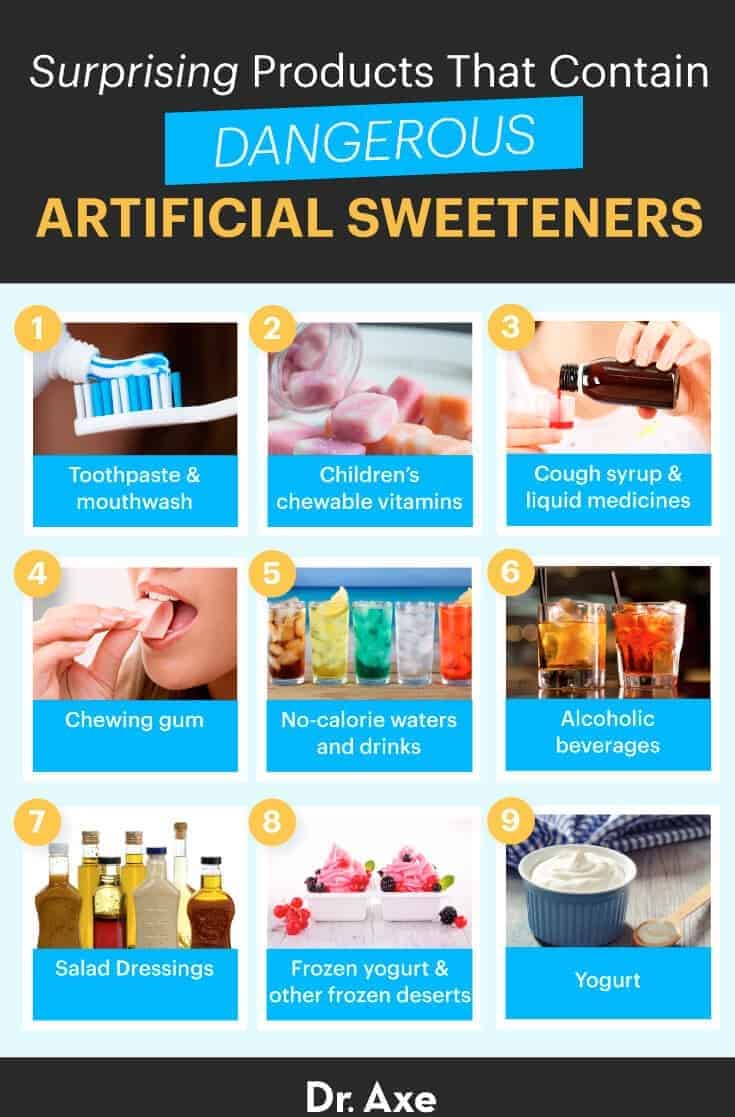
To determine the worst artificial sweetener from a branding standpoint, one must analyze how these products have navigated the shift from 20th-century convenience to 21st-century “clean label” demands. The failure to align with modern health narratives has turned once-lucrative chemical patents into toxic assets.
The Brand Perception Crisis: Why Sentiment Trumps Science
In marketing, perception is reality. A sweetener can be deemed safe by every regulatory body in the world, but if the consumer associates it with illness, artificiality, or corporate obfuscation, it becomes the “worst” option for a brand to include in its formulation.
Aspartame and the “Chemical” Connotation
Aspartame is perhaps the most scrutinized food additive in history. For brands like NutraSweet and Equal, the challenge hasn’t been the science—which has largely remained consistent regarding its safety at typical consumption levels—but the narrative. Aspartame became the face of “artificiality.”
From a brand strategy perspective, Aspartame’s primary failure was its inability to evolve its identity. It remained tethered to the 1980s diet culture, an era defined by calorie counting at any cost. As the market shifted toward “wellness” and “mindful consumption,” Aspartame’s clinical, synthetic image became its greatest weakness. When PepsiCo famously removed aspartame from Diet Pepsi in 2015 due to consumer pressure, only to bring it back a year later after sales plummeted further, it highlighted a catastrophic brand identity crisis. The sweetener had become a polarizing force that alienated both health-conscious newcomers and loyal legacy drinkers.
The Rebranding Failure of NutraSweet and Equal
When a brand name becomes synonymous with negative press, the standard corporate move is to rebrand. Aspartame’s parent companies attempted various maneuvers to distance the ingredient from its name. At one point, there was a push to market aspartame under the name “AminoSweet,” emphasizing its amino acid components to suggest a “natural” origin.
This maneuver is often cited in brand strategy circles as a textbook example of “greenwashing” gone wrong. Instead of building transparency, the move was perceived as an attempt to hide the ingredient from savvy consumers. In the age of the “informed consumer,” where ingredient labels are scrutinized and shared on social media, any attempt to mask a controversial ingredient backfires, deepening the trust deficit and solidifying the sweetener’s status as a brand liability.
Saccharin: A Case Study in Legacy Brand Decay
Saccharin, known widely by the pink “Sweet’n Low” packets, represents the “worst” in terms of legacy brand stagnation. While it was the first commercially successful artificial sweetener, its brand equity has been in a state of terminal decline for decades.
The Warning Label Scar
In the late 1970s, the FDA mandated a warning label on products containing saccharin, stating it had been determined to cause cancer in laboratory animals. Although this mandate was eventually lifted in 2000 after research showed the mechanism in rats did not apply to humans, the brand damage was permanent.
From a corporate identity perspective, saccharin never recovered from being labeled a carcinogen. While the “pink packet” remains a nostalgic staple in diners, it has failed to capture the modern, health-oriented demographic. For a brand, being associated with “old-fashioned” and “potentially hazardous” is a lethal combination. Saccharin has become the “worst” sweetener for any new product launch because it brings no positive brand halo; it only brings baggage.
Failure to Pivot in a Wellness-Centric Market
Unlike newer sweeteners that have positioned themselves as “plant-based” or “keto-friendly,” Saccharin remains stuck in the “industrial chemical” category. Brand strategy requires a product to solve a problem or fulfill a desire. Saccharin fulfills a functional need—sweetness without calories—but it fails to fulfill the emotional and aspirational desires of the modern consumer. In a market where Monk Fruit and Allulose are seen as premium ingredients, Saccharin is viewed as a cheap, low-tier alternative, making it a poor choice for brands looking to build a high-equity product line.
Stevia’s Identity Crisis: The Pitfalls of “Natural” Branding

Stevia was supposed to be the “savior” of the sweetener industry. Derived from a leaf, it promised the Holy Grail of branding: a zero-calorie, high-intensity sweetener that could be labeled as “natural.” However, Stevia provides a fascinating case study in how a product’s physical attributes can sabotage its brand promise.
The Bitter Aftertaste: A Product vs. Brand Conflict
The “worst” thing a brand can do is fail to meet the basic functional expectation of the consumer. Stevia brands, most notably Truvia (a collaboration between Cargill and Coca-Cola) and PureVia (PepsiCo and Whole Earth Sweetener), marketed themselves on the promise of natural sweetness. However, the notorious bitter aftertaste of early Stevia formulations created a disconnect between the brand promise and the sensory experience.
In branding, if the “natural” claim is met with a “chemical” or “metallic” taste, the consumer feels deceived. This sensory mismatch led to a fragmented market where Stevia is often blended with other sugars or alcohols to mask the taste, effectively diluting the “pure and natural” brand identity that was its primary selling point.
Truvia and the Lawsuit Era
Stevia’s branding took a significant hit through several high-profile class-action lawsuits. Plaintiffs argued that calling Truvia “natural” was misleading because the manufacturing process involved significant chemical processing.
For a brand, a “natural” claim is its most valuable asset and its most vulnerable flank. When Truvia was forced to settle and adjust its marketing language, it signaled a shift in the industry: the “worst” sweetener is one that invites litigation. The legal scrutiny around Stevia’s “natural” status forced the brand to retreat into more technical, less evocative language, stripping away the emotional resonance that had fueled its initial growth.
High Fructose Corn Syrup: The Ultimate Branding Boogeyman
While technically a caloric sweetener and not “artificial” in the same sense as aspartame, High Fructose Corn Syrup (HFCS) is the undisputed “worst” in terms of total brand toxicity. It serves as a cautionary tale for any ingredient that becomes the target of a unified cultural backlash.
The Industry-Wide Reputation Management Struggle
In the mid-2000s, HFCS became the primary villain in the narrative of the obesity epidemic. The Corn Refiners Association (CRA) attempted one of the most aggressive rebranding campaigns in history, seeking to change the name of HFCS to “Corn Sugar.”
The FDA rejected the petition, and the branding effort was mocked by critics and health advocates. This failure highlights a core tenet of brand strategy: you cannot rename your way out of a systemic reputation problem. The “Corn Sugar” campaign felt desperate and dishonest, which only served to solidify HFCS as the “worst” ingredient a brand could list on its packaging.
Lessons for Modern Food-Tech Brands
Today, many legacy brands proudly display “No High Fructose Corn Syrup” on their packaging, even if the replacement (such as cane sugar) has a similar caloric profile. This is “negative branding”—using the absence of a “toxic” brand to build equity for another. HFCS has reached a level of brand infamy where its presence alone can devalue a premium product, forcing companies to spend millions on reformulation just to save their corporate identity.
Evaluating the “Worst” from a Corporate Identity Perspective
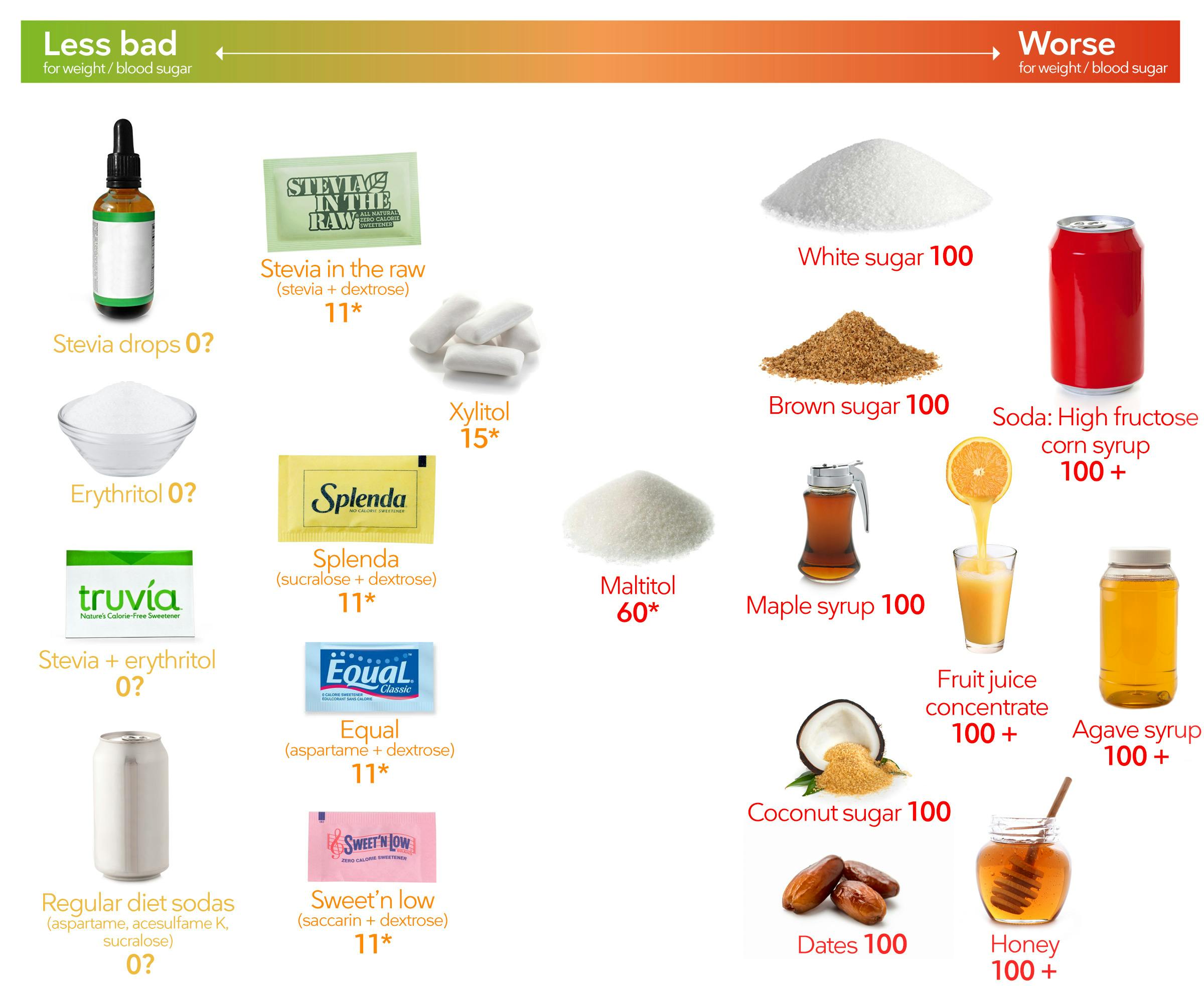
When we ask “what is the worst artificial sweetener,” we are really asking which ingredient poses the greatest risk to a company’s longevity and consumer trust.
The “worst” sweetener is characterized by three failures:
- Lack of Transparency: Brands that attempt to hide or rename ingredients (like the “AminoSweet” or “Corn Sugar” attempts) lose the most valuable currency in the modern market: trust.
- Sensory Dissonance: Brands that promise a “natural” experience but deliver a “chemical” taste (like early Stevia) create a rift in consumer loyalty that is difficult to heal.
- Regulatory and Legal Baggage: Any sweetener that carries the weight of past warning labels or ongoing litigation (like Saccharin or HFCS) becomes a liability for any parent brand associated with it.
In the current market, the “worst” artificial sweetener is likely Aspartame, not because of its chemical profile, but because its brand name is so deeply entrenched in the “artificial/processed” era that it acts as an anchor, dragging down the perceived value of any product it touches. While newer alternatives like Allulose and Erythritol are currently enjoying a “honeymoon phase” of brand perception, they must learn from the failures of their predecessors.
To survive the scrutiny of the modern market, a sweetener brand must move beyond functional utility. It must align with the values of transparency, clean labeling, and sensory excellence. Failure to do so results in more than just bad press; it results in a “toxic” brand identity that no amount of marketing spend can truly fix.
aViewFromTheCave is a participant in the Amazon Services LLC Associates Program, an affiliate advertising program designed to provide a means for sites to earn advertising fees by advertising and linking to Amazon.com. Amazon, the Amazon logo, AmazonSupply, and the AmazonSupply logo are trademarks of Amazon.com, Inc. or its affiliates. As an Amazon Associate we earn affiliate commissions from qualifying purchases.