
In the world of corporate identity and international marketing, a name is rarely just a label; it is a vessel for values, trust, and perceived authority. When we ask, “What is the US government called?” we are not merely asking for a vocabulary lesson. We are inquiring into the brand architecture of one of the most influential entities in human history. To a brand strategist, the United States government is not just a collection of departments and legal codes; it is a masterbrand with a complex ecosystem of sub-brands, logos, and a narrative that has been carefully curated for over two centuries.
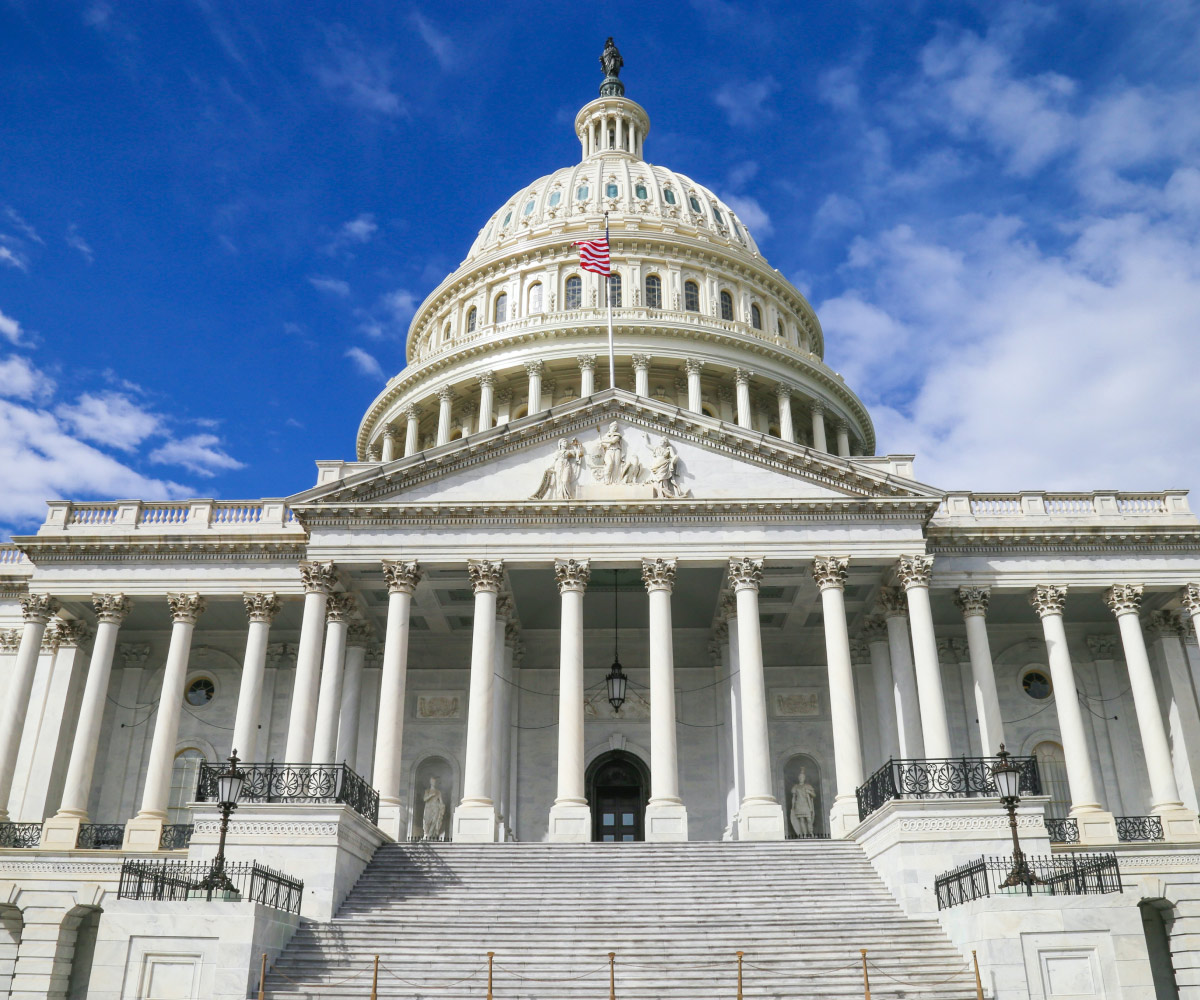
The nomenclature used to describe this entity varies depending on the context—legal, operational, or symbolic. Understanding these distinctions reveals how the “brand” of the United States maintains its identity across domestic and international markets.
The Brand Architecture: Legal Entity vs. Operational Identity
From a brand strategy perspective, the “US Government” operates under several distinct names that serve different functions within its corporate identity. The way the government is “called” depends entirely on the audience and the objective of the communication.
The Formal Masterbrand: The United States of America
The most formal name for the entity is the “United States of America.” In the world of branding, this is the parent company name. It is the legal designation found on treaties, international agreements, and the most high-level “product” the government issues: the US Passport. This name carries the weight of history and sovereignty. It is designed to evoke a sense of unity (United) and geography (America), establishing a “Made in” brand that is recognized in every corner of the globe.
The Operational Identity: The Federal Government
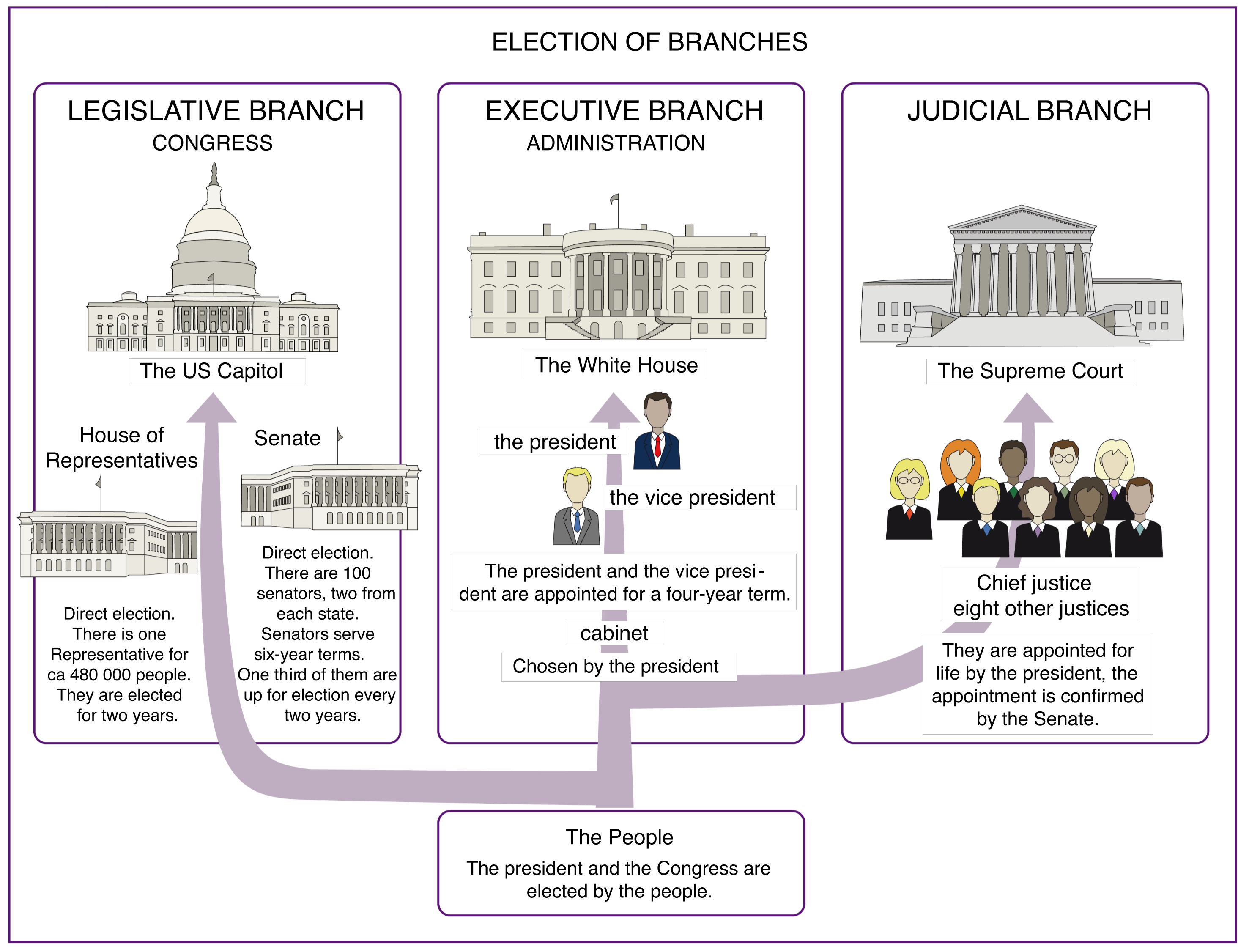
While “The United States of America” is the sovereign name, “The Federal Government” is the operational brand. This is the name used to describe the machinery of the state. In marketing terms, if the USA is the parent corporation, the Federal Government is the management structure. This name serves to distinguish the central authority from the regional “sub-brands”—the fifty state governments. Strategically, this naming convention emphasizes a “federalist” brand promise: a balance between centralized power and regional autonomy.
The Metonymic Brand: Washington
In media and international relations, the government is often referred to simply as “Washington” or “D.C.” This is a classic example of metonymy, where a location stands in for the organization itself. For a brand strategist, “Washington” serves as a shorthand brand, similar to how “Cupertino” might represent Apple or “Detroit” represents the American automotive industry. It conveys a sense of power, policy-making, and centralized decision-making.
Visual Identity and Symbolic Power
A brand is defined as much by its visual assets as its name. The United States government utilizes a sophisticated system of visual identifiers to communicate its brand values of stability, democracy, and strength.
The Great Seal: The Logo of Authority
Every major corporation has a logo, and the US government’s “logo” is the Great Seal. Adopted in 1782, it features the bald eagle, which has become the primary mascot of the brand. The symbolism within the seal—the olive branch for peace and the arrows for war—functions as a visual representation of the brand’s dual capabilities. The use of Latin mottos like E Pluribus Unum (Out of many, one) serves as the brand’s foundational slogan, reinforcing the core value of unity.
Color Palette and The Flag
The Red, White, and Blue color palette is perhaps the most successful visual branding exercise in history. These colors have been so effectively “owned” by the US government brand that they immediately trigger associations with American values. In brand design, red signifies valor, white signifies purity, and blue signifies justice. The consistent application of these colors across everything from the Presidential podium to military uniforms creates a cohesive and recognizable brand experience.
Persona Branding: Uncle Sam vs. Lady Liberty
The US government has also utilized personification to make its brand more relatable. “Uncle Sam” is a personified brand image that emerged in the early 19th century. He represents the paternal, demanding, yet protective side of the government—most famously used in recruitment campaigns (“I Want YOU”). On the other hand, “Lady Liberty” represents the aspirational and welcoming side of the brand. Together, these personas allow the government to communicate different brand messages depending on the “customer” or citizen they are addressing.
Managing Brand Reputation on a Global Scale
In the professional world of branding, reputation is known as brand equity. The US government manages its brand equity through a process known as public diplomacy, which is essentially international brand management.
Soft Power as Marketing Strategy
“Soft power” is a term coined by Joseph Nye, and in the niche of brand strategy, it refers to the government’s ability to influence others through the “attractiveness” of its brand rather than through force (hard power). By promoting American culture, education, and values, the government enhances its brand reputation. When people around the world “consume” American ideals, they are engaging with the US government brand. This brand affinity makes it easier for the government to achieve its policy goals, much like a trusted consumer brand has an easier time launching new products.
The “Full Faith and Credit” Brand Promise
In the financial sector, the US government brand is synonymous with the “risk-free rate.” The “Full Faith and Credit of the United States” is a brand promise that has remained remarkably consistent. This promise is the backbone of the global financial system. When the government issues debt (Treasury bonds), it is selling a product based entirely on the strength of its brand name. The fact that the US has never defaulted on its debt is a testament to successful brand consistency and reliability.
Crisis Management and Brand Pivot
Like any global brand, the US government faces reputation crises—policy failures, economic downturns, or social unrest. Brand recovery in these instances requires a “pivot.” The government often rebrands its initiatives to distance itself from past failures. For example, changing the name of a military operation or a domestic policy can be seen as a strategic rebranding effort to reset public perception and regain trust.
The Digital Transformation of the Identity
In the 21st century, what the US government is “called” and how it is perceived has shifted into the digital realm. The digital identity of the government is a critical component of its modern brand strategy.
The .gov Domain: A Digital Trademark
The creation of the .gov top-level domain was a masterstroke in digital branding. It provides an exclusive digital space that guarantees authenticity. In an era of misinformation and brand hijacking, the .gov suffix acts as a digital seal of approval. When a user visits a site ending in .gov, they know they are interacting with the official brand, not a counterfeit. This exclusivity is a key component of maintaining brand authority in a crowded digital marketplace.
Social Media Persona
The government has had to adapt its professional tone for the social media age. Individual departments—such as NASA, the FBI, or the State Department—function as sub-brands with their own unique “voices.” NASA, for instance, has a brand voice that is adventurous, scientific, and inspiring. The State Department’s voice is more formal and diplomatic. This tiered social media strategy allows the US government brand to reach diverse demographics while maintaining a central identity.
UI/UX as Public Service
Modern brand strategy focuses heavily on user experience (UX). For the US government, this means making services like filing taxes or applying for social security more “user-friendly.” The “U.S. Web Design System” (USWDS) is a set of guidelines that ensures all government websites have a consistent look and feel. This consistency is vital for brand trust; if a government website looks professional and is easy to navigate, the citizen’s trust in the institution—the brand—is strengthened.

Conclusion: The Institutional Legacy Brand
Ultimately, what the US government is called depends on the “touchpoint” of the interaction. Whether it is referred to as the United States of America, the Federal Government, or simply Washington, the entity functions as a legacy brand with immense global equity. Its identity is built on a foundation of symbolic visuals, a consistent (if evolving) brand promise, and a sophisticated architecture that manages both domestic and international perceptions.
For brand strategists, the US government serves as a case study in how to maintain a cohesive identity over centuries. It demonstrates that a brand is not a static thing—it is a living narrative that must be defended, managed, and adapted to meet the challenges of each new era. By understanding the names and symbols that define this entity, we gain insight into the mechanics of power, trust, and influence in the modern world.
aViewFromTheCave is a participant in the Amazon Services LLC Associates Program, an affiliate advertising program designed to provide a means for sites to earn advertising fees by advertising and linking to Amazon.com. Amazon, the Amazon logo, AmazonSupply, and the AmazonSupply logo are trademarks of Amazon.com, Inc. or its affiliates. As an Amazon Associate we earn affiliate commissions from qualifying purchases.