
On the surface, the critically acclaimed series The Bear is a gritty, fast-paced drama set in the pressure-cooker environment of a Chicago sandwich shop. However, for the discerning professional, the show serves as a profound case study in business finance, debt restructuring, and the brutal economics of the hospitality industry. While casual viewers may focus on the interpersonal friction and the culinary artistry, the narrative engine of the show is fueled entirely by fiscal survival and the pursuit of a viable business model in a low-margin world.

To understand what The Bear is about from a financial perspective, one must look past the garnish. It is a story about the transition from a legacy cash-based business to a high-cap-ex, high-reward enterprise, exploring the high cost of entry, the burden of inherited debt, and the volatile nature of venture capital in the modern economy.
The Anatomy of a Distressed Asset: Inheriting the ‘Original Beef’
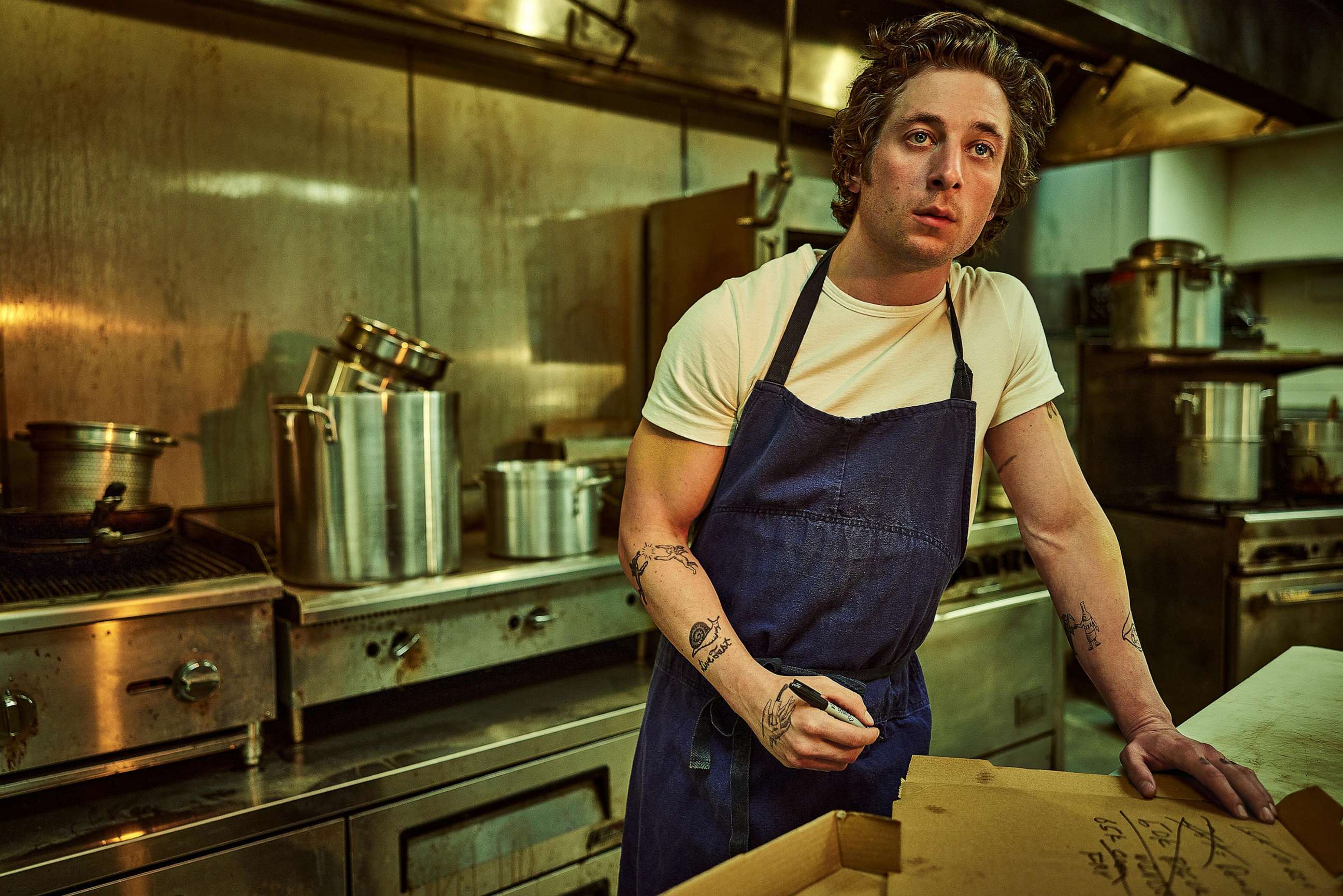
The series begins with Carmen “Carmy” Berzatto, a world-class chef, inheriting “The Original Beef of Chicagoland” following the death of his brother. From a financial standpoint, Carmy does not just inherit a restaurant; he inherits a distressed asset. The business is a textbook example of poor financial oversight, characterized by opaque accounting, significant tax liabilities, and a staggering amount of unserviced debt.
Navigating the KBL Debt and Liquid Assets
Central to the show’s early financial tension is the discovery of “KBL.” In the world of business finance, the revelation that a predecessor has taken off-book loans—in this case, $300,000 from a family member known as “Uncle Jimmy”—creates an immediate insolvency crisis. This debt represents a “zombie liability” that threatens the shop’s daily operations.
The show masterfully illustrates the concept of “burn rate.” Carmy must balance the daily cost of goods sold (COGS) against a dwindling cash reserve while trying to pay down high-interest informal loans. The “hidden” money found in tomato cans at the end of the first season serves as a metaphor for liquidity trapped within inefficient inventory, providing the “seed funding” necessary for the pivot to a more ambitious business model.
Operational Inefficiencies and Cash Flow Management
The Original Beef suffers from classic operational leakage. From unorganized vendor payments to a lack of a formalized Point of Sale (POS) system, the business was leaking capital long before Carmy arrived. The show highlights the importance of tightening the supply chain. By auditing the kitchen’s waste and renegotiating with suppliers, Carmy attempts to stabilize a negative cash flow. This is the “survival phase” of any turnaround strategy, where the goal is not profit, but the reduction of the monthly deficit to a manageable level.
The Financial Pivot: The Capital Intensity of ‘The Bear’
In the second season, the focus shifts from survival to scaling. The decision to close “The Beef” and open “The Bear” represents a massive strategic pivot. In business terms, this is a transition from a high-volume, low-margin casual dining model to a low-volume, high-margin fine dining model. However, the capital expenditure required to make this leap is extraordinary.
CapEx and the Reality of Renovation
The show provides a realistic, often harrowing look at “CapEx” (Capital Expenditure). The renovation of the restaurant is a series of financial hurdles: mold remediation, structural repairs, and the replacement of specialized equipment. Each of these represents an unforeseen cost that eats into the initial investment.
For the entrepreneur, The Bear illustrates the “90/10 rule” of construction and business launches—the last 10% of the project often costs as much as the first 90% due to regulatory compliance, licensing, and unforeseen structural failures. The “gas test” episode, in particular, serves as a high-stakes metaphor for the “binary” nature of business readiness: without a single permit or a single safety check, a million-dollar investment remains a zero-revenue liability.
Equity, Debt, and the “Uncle Jimmy” Factor
The relationship with Cicero (Uncle Jimmy) evolves from a predatory debt holder to a primary investor. The show explores the complexities of “equity for debt” swaps. When Carmy asks for more money to open the new restaurant, the terms are clear: if the debt is not repaid within a strict eighteen-month window, the property (the underlying real estate asset) reverts to the investor.

This highlights a crucial lesson in business finance: the difference between the value of the business and the value of the real estate. For Jimmy, the restaurant is a high-risk gamble, but the land is a secure asset. This dynamic creates a “ticking clock” that adds a layer of financial urgency to every culinary decision made in the kitchen.
Human Capital: The ROI of Professional Development
One of the most insightful financial themes in The Bear is the treatment of labor not as a variable cost to be minimized, but as human capital to be developed. In a traditional P&L (Profit and Loss) statement, labor is often the first place owners look to cut. Carmy takes the opposite approach, investing heavily in his team’s “Total Addressable Talent.”
Investing in the Workforce
Carmy sends his pastry chef, Marcus, to Copenhagen and his sous-chef, Sydney, on research trips across Chicago. He enrolls Tina and Ebraheim in culinary school. From a short-term cash flow perspective, these are “unnecessary” expenses. However, from a long-term ROI (Return on Investment) perspective, he is increasing the value of his human capital.
By upskilling his staff, Carmy is reducing future turnover costs—which are notoriously high in the restaurant industry—and increasing the “output quality” of his product. The show argues that in premium service industries, the quality of the labor force is the primary driver of the brand’s valuation and its ability to command higher price points.
The Brigade System as Lean Management
The implementation of the “Brigade System” is essentially the application of “Lean Manufacturing” principles to a kitchen. It defines roles, reduces redundant movements, and optimizes the workflow to minimize errors. In business terms, this is about maximizing “throughput.” By creating a highly disciplined environment, the restaurant reduces the cost of “re-work” (sending plates back) and increases the speed of service, which is essential for “turning tables”—the ultimate metric of revenue in the restaurant world.
The Economics of Excellence and the ‘Star’ Pursuit
What is the show The Bear about if not the pursuit of a Michelin star? While the star is a symbol of prestige, in the world of finance, it is a powerful marketing tool that drastically alters the business’s unit economics.
The Profitability of Prestige
A Michelin star allows a restaurant to increase its “Average Check Size” significantly. It shifts the business from a local commodity (a sandwich shop) to a destination service. This allows for a “Premium Pricing” strategy. However, the show does not shy away from the “cost of excellence.” The “Staging” (unpaid or low-paid internships) and the obsessive attention to detail require a level of staffing that can often make a Michelin-starred restaurant less profitable than a high-volume pizza parlor.
The Bear illustrates the “prestige trap.” To maintain the standards required for top-tier accolades, the restaurant must spend more on premium ingredients, high-end linens, and specialized staff. This creates a “break-even point” that is dangerously high. The show captures the anxiety of whether the increased revenue from a higher-tier clientele will be enough to offset the exponential increase in operating expenses (OpEx).
Risk Management and the “Black Swan”
Every business face “Black Swan” events—unpredictable occurrences that have a massive impact. In The Bear, these range from a failed fire suppression test to a walk-in cooler door getting stuck during opening night. From a financial perspective, these scenes highlight the necessity of contingency funds and the fragility of “Just-in-Time” operations. When the “system” fails, the loss isn’t just the cost of the repair; it is the “Opportunity Cost” of lost revenue during peak hours.
Conclusion: The Bottom Line of The Bear
Ultimately, The Bear is a masterclass in the “Stress Test” of a business model. It explores the reality that passion and talent are insufficient without a solid financial foundation. The show is about the grueling process of converting a “Mom and Pop” operation into a professionalized corporate entity, all while navigating the shark-infested waters of debt, taxes, and high-interest capital.
For those interested in money and business, the show provides a visceral look at the “Burn Rate” of ambition. It teaches that every “Yes, Chef” is not just a sign of respect, but a commitment to an operational efficiency that determines whether the business will see another fiscal quarter. The Bear proves that in the high-stakes world of fine dining—as in any business—the most important ingredient isn’t found in the pantry, but on the balance sheet.
aViewFromTheCave is a participant in the Amazon Services LLC Associates Program, an affiliate advertising program designed to provide a means for sites to earn advertising fees by advertising and linking to Amazon.com. Amazon, the Amazon logo, AmazonSupply, and the AmazonSupply logo are trademarks of Amazon.com, Inc. or its affiliates. As an Amazon Associate we earn affiliate commissions from qualifying purchases.