
The Tax Cuts and Jobs Act (TCJA), signed into law in December 2017, represented the most significant overhaul of the United States tax code in over three decades. For individuals, business owners, and investors, the legislation fundamentally altered the fiscal landscape, shifting how income is taxed, how deductions are claimed, and how corporations manage their bottom lines. Understanding the TCJA is not merely a historical exercise; because many of its provisions are temporary, it remains a central pillar of modern financial planning and a critical factor in personal wealth management.
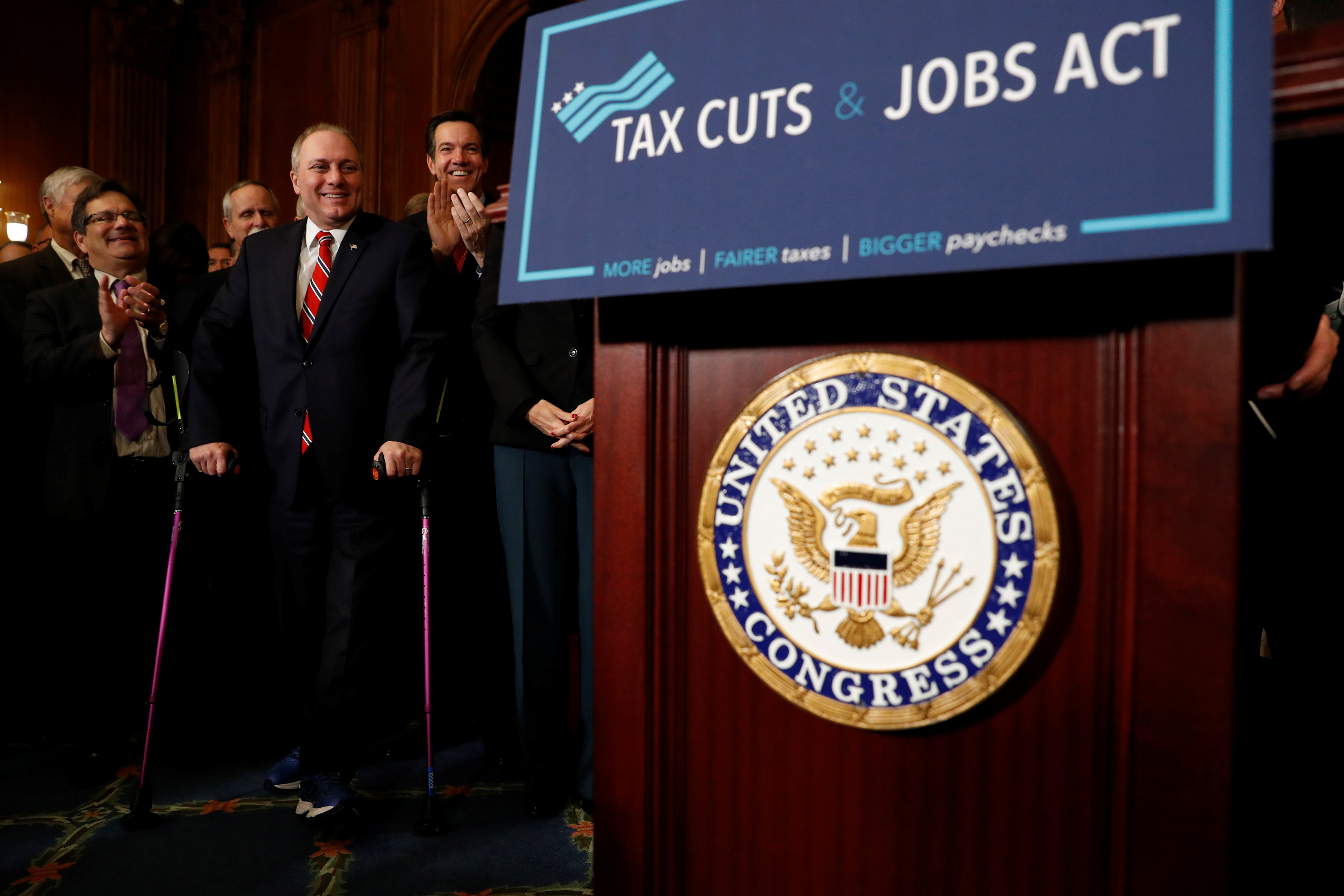
At its core, the TCJA was designed to stimulate economic growth by lowering tax rates for both individuals and corporations. By simplifying the code for many taxpayers and providing substantial relief to businesses, the act sought to increase domestic investment and consumer spending. However, the complexity of the law means that its impact varies significantly depending on a person’s income level, filing status, and geographic location.
Key Changes for Individual Taxpayers and Families
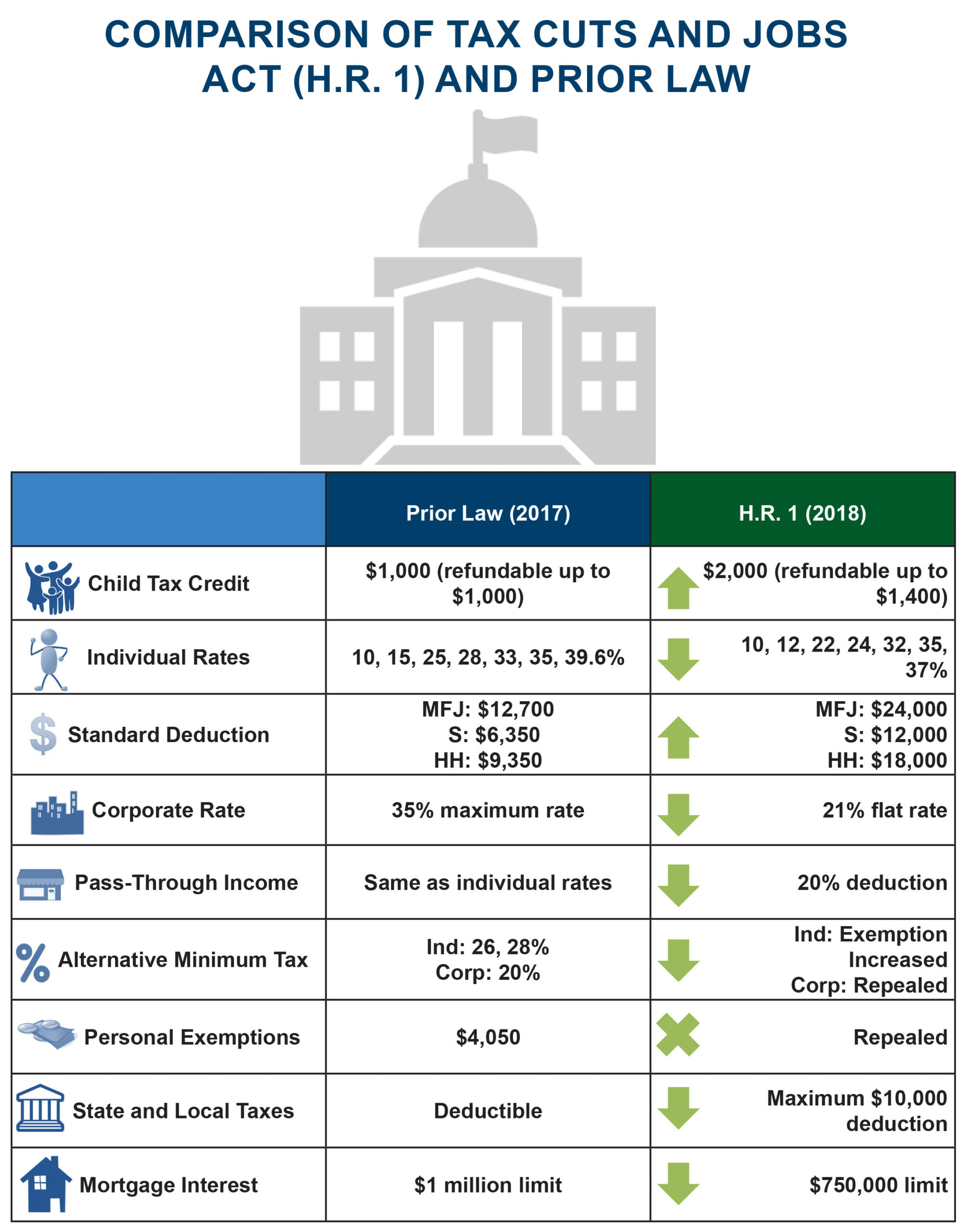
The most immediate impact of the TCJA for the average American was the restructuring of individual income tax brackets. While the law maintained the seven-bracket structure, it lowered the rates for most income levels. For example, the top marginal tax rate was reduced from 39.6% to 37%. These changes were designed to keep more money in the pockets of workers, theoretically boosting the broader economy through increased private spending.
The Standard Deduction and Itemization
One of the most profound shifts under the TCJA was the near-doubling of the standard deduction. For the 2018 tax year, the standard deduction jumped to $12,000 for individuals and $24,000 for married couples filing jointly. This move significantly simplified the filing process for millions of Americans. By increasing the standard deduction, the TCJA reduced the incentive for many taxpayers to itemize their deductions, such as mortgage interest or charitable contributions, because the standard deduction often exceeded the total of their individual write-offs.
Conversely, the law eliminated or capped several popular itemized deductions. The most notable of these was the State and Local Tax (SALT) deduction, which was capped at $10,000. This change disproportionately affected taxpayers in high-tax states, who previously could deduct the full amount of their state income and property taxes from their federal returns.
Enhanced Child Tax Credits and Exemptions
To offset the elimination of personal exemptions, the TCJA significantly expanded the Child Tax Credit (CTC). The credit was doubled from $1,000 to $2,000 per qualifying child under the age of 17. Furthermore, the refundable portion of the credit was increased, and the income thresholds for phasing out the credit were raised substantially. This move was a cornerstone of the act’s strategy to provide relief to middle-income families, ensuring that the loss of personal exemptions did not result in a net tax increase for those with children.
The Corporate Tax Revolution and Business Finance
While the individual changes were significant, the TCJA’s most permanent and radical shifts occurred within the realm of business finance. The centerpiece of the legislation was the reduction of the top corporate tax rate from a graduated scale topping at 35% to a flat 21%. Unlike the individual tax cuts, which are set to expire, this corporate rate reduction was made permanent.
The Section 199A Deduction for Small Businesses
Recognizing that many businesses are organized as “pass-through” entities—such as sole proprietorships, partnerships, and S-corporations—the TCJA introduced the Section 199A deduction. This provision allows eligible self-employed individuals and small business owners to deduct up to 20% of their qualified business income (QBI) from their taxes. This was a landmark change for the “gig economy” and small enterprise sector, effectively lowering the tax burden on entrepreneurs to ensure they remained competitive with large C-corporations.
Capital Expenditures and Depreciation
The TCJA also introduced “100% bonus depreciation,” allowing businesses to immediately write off the full cost of qualifying capital investments, such as machinery, equipment, and certain vehicles, rather than depreciating them over several years. This was designed to incentivize businesses to reinvest their capital into new hardware and technology, driving industrial growth. For business owners, this meant a massive opportunity to reduce taxable income in years of high investment, though these rules have begun to phase down in recent years.
International Tax Shifts
On the international front, the TCJA shifted the U.S. from a global tax system toward a more territorial system. It implemented a one-time “repatriation tax” on profits held overseas by U.S. companies, encouraging them to bring that liquidity back to the United States. This move was intended to curb the practice of keeping profits offshore to avoid high domestic tax rates, though the long-term impact on domestic job creation remains a subject of intense debate among economists.
Investing and Wealth Management Under the TCJA
For investors, the TCJA created a mixed but generally favorable environment. The reduction in the corporate tax rate led to an immediate boost in corporate earnings, which many companies used to fund stock buybacks and increase dividends. This provided a significant tailwind for the equity markets in the years following the law’s enactment.
Estate and Gift Tax Exemptions
High-net-worth individuals saw a massive benefit through the doubling of the federal estate and gift tax exemption. Under the TCJA, the amount that an individual can pass to heirs without triggering the federal estate tax rose significantly (to over $13 million per individual by 2024, adjusted for inflation). This has allowed wealthy families to transfer significantly more assets to the next generation tax-free, fundamentally changing the approach to legacy planning and wealth preservation.
Impacts on Real Estate Investing
The real estate sector experienced nuanced changes. While the SALT cap and the reduction in the limit for mortgage interest deductions (from $1 million to $750,000 in mortgage debt) created headwinds for luxury residential markets in high-tax areas, other provisions offered advantages. The creation of “Opportunity Zones” was a notable addition. This program allows investors to defer and potentially eliminate capital gains taxes by reinvesting those gains into economically distressed communities. For savvy investors, Opportunity Zones became a powerful tool for portfolio diversification and tax-advantaged growth.
The 2025 Sunset: A Looming Financial Milestone
One of the most critical aspects of the Tax Cuts and Jobs Act is its “sunset” provisions. To comply with Senate budget rules, most of the individual income tax changes, including the lower rates, the increased standard deduction, and the QBI deduction for small businesses, are scheduled to expire on December 31, 2025.
What Happens After 2025?
If Congress does not act to extend these provisions, the tax code will effectively revert to 2017 levels, adjusted for inflation. This would mean:
- Individual tax rates will increase across the board.
- The standard deduction will be cut roughly in half.
- The $10,000 SALT cap will disappear, potentially benefiting residents of high-tax states.
- The 20% QBI deduction for small businesses will vanish.
- The estate tax exemption will drop back to pre-TCJA levels (approximately $6-7 million).
Strategic Financial Planning for the Future
Because of this expiration date, the TCJA is a central focus for long-term financial planning. Investors and business owners must decide whether to accelerate income into the current years while rates are low or defer deductions to future years when they might be more valuable against higher tax rates.
For instance, those considering a Roth IRA conversion may find the current environment ideal, as they can pay taxes on the converted amount at today’s lower marginal rates before the potential hike in 2026. Similarly, business owners may want to maximize their use of the Section 199A deduction while it remains available.

Navigating a Changing Fiscal Environment
The Tax Cuts and Jobs Act was more than just a series of rate cuts; it was a fundamental restructuring of the American financial system. It favored corporate investment and simplified filing for many, while simultaneously creating new challenges for homeowners in high-cost areas and introducing complex new rules for small business owners.
As we approach the 2025 sunset, the importance of proactive tax and investment planning cannot be overstated. The TCJA proved that tax policy is a primary driver of market behavior and personal wealth accumulation. Whether you are a salaried employee, a freelance consultant, or a seasoned investor, the legacy of the TCJA continues to dictate the rules of the money game. Staying informed about these provisions—and their potential expiration—is essential for anyone looking to optimize their financial future and protect their hard-earned assets in an ever-evolving economic climate.
aViewFromTheCave is a participant in the Amazon Services LLC Associates Program, an affiliate advertising program designed to provide a means for sites to earn advertising fees by advertising and linking to Amazon.com. Amazon, the Amazon logo, AmazonSupply, and the AmazonSupply logo are trademarks of Amazon.com, Inc. or its affiliates. As an Amazon Associate we earn affiliate commissions from qualifying purchases.