
In the contemporary digital landscape, the question of why blood pressure levels fluctuate has shifted from the doctor’s office to the palm of the hand. While the physiological causes of hypertension—such as sodium intake, arterial stiffness, and genetic predisposition—remain constant, the technological methods we use to identify and analyze these reasons have undergone a revolution. Today, “high blood pressure” is not just a medical diagnosis; it is a data point within a sophisticated ecosystem of wearables, artificial intelligence (AI), and remote patient monitoring (RPM) systems. Understanding the reasons behind high readings now requires a deep dive into the technology that captures, interprets, and predicts these cardiovascular trends.
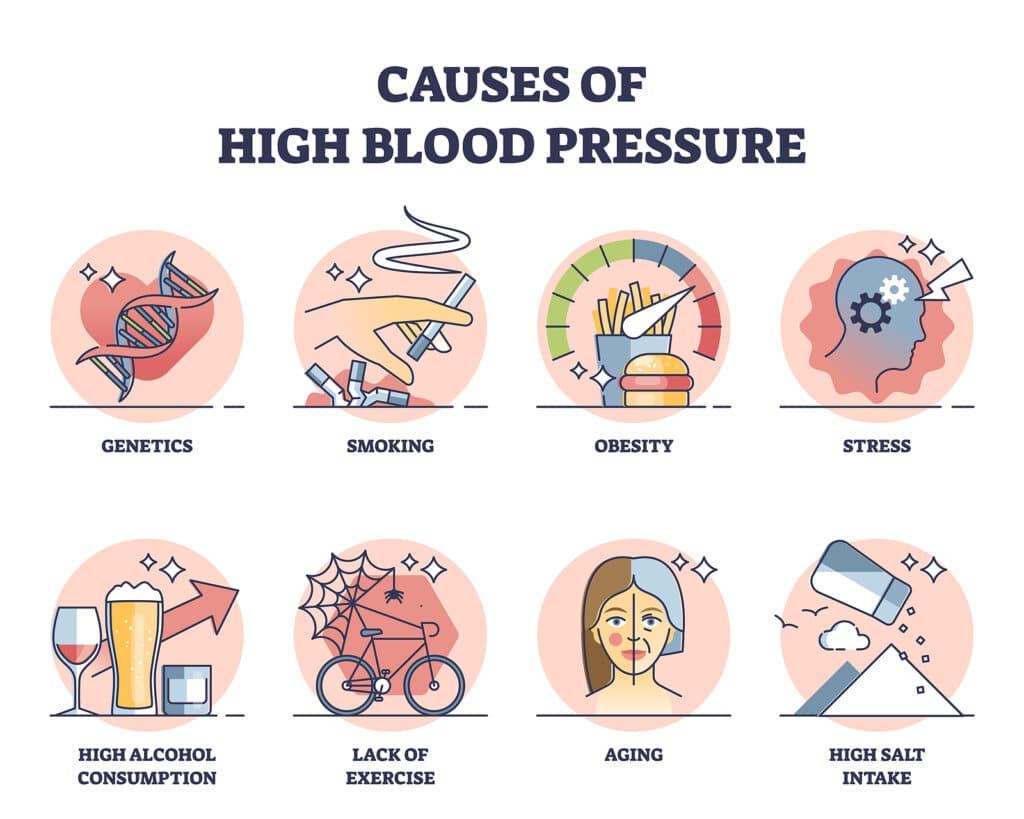
The Evolution of Blood Pressure Monitoring: From Mercury to AI
For decades, the reason for a high blood pressure reading was determined by a singular, point-in-time measurement using a manual sphygmomanometer. This “snapshot” approach often failed to capture the dynamic nature of cardiovascular health. Modern technology has replaced this static model with continuous, data-rich environments that provide a more comprehensive view of why blood pressure spikes occur.
The Shift to Non-Invasive Digital Sensors
The transition from mercury columns to digital oscillometric sensors marked the first major technological leap. These devices use algorithms to detect the vibrations of the arterial wall. However, the reason for a high reading in these digital contexts often hinges on sensor accuracy and the software’s ability to filter out “noise”—such as movement or improper cuff placement. As we move toward cuffless technology, including optical sensors that use photoplethysmography (PPG), the tech industry is solving the problem of “user friction.” By making monitoring invisible and effortless, we are able to see the real-world reasons for high blood pressure, such as immediate reactions to workplace stress or poor sleep hygiene, which were previously invisible to clinicians.
The Role of IoT in Continuous Monitoring
The Internet of Things (IoT) has transformed blood pressure monitors into connected nodes. When a patient asks what the reason for their high blood pressure is, the answer is no longer based on one reading but on a trend line of thousands of data points. Connected devices sync with cloud-based platforms, allowing for “Ambulatory Blood Pressure Monitoring” (ABPM) at scale. This connectivity allows software to correlate high readings with environmental factors—geographic location, air quality, or even time of day—providing a multidimensional look at hypertensive triggers.
Algorithmic Insights: Why Tech Identifies High Blood Pressure Early
Artificial intelligence and machine learning (ML) are now the primary tools for deciphering the complex reasons behind hypertension. By processing vast datasets, these technologies can identify patterns that a human observer might miss, moving the conversation from reactive treatment to proactive prevention.
Machine Learning and Predictive Analytics
The reason blood pressure becomes high is often a slow, cumulative process. Machine learning models are now trained on millions of cardiovascular profiles to predict the onset of hypertension before the first high reading even occurs. These algorithms analyze heart rate variability (HRV), arterial age metrics, and even voice biomarkers to flag risks. By identifying the “digital signature” of hypertension, tech platforms can alert users that their trajectory is heading toward high blood pressure, citing specific lifestyle correlations—such as a decrease in physical activity or an increase in resting heart rate—as the primary drivers.
Data Correlation: Stress, Sleep, and Software
One of the most significant technological breakthroughs is the ability to correlate blood pressure data with other biometric streams. Why is blood pressure high at 2:00 PM on a Tuesday? Integrated health suites (like Apple HealthKit or Google Fit) can cross-reference that high reading with a user’s calendar (a stressful meeting), their sleep tracker (only four hours of REM sleep), and their dietary logs (high sodium intake). This synthesis of data provides a holistic answer to the “why,” transforming a raw number into an actionable insight. The “reason” is no longer a mystery; it is a visible correlation in a data visualization dashboard.
Technological Factors Influencing High Readings
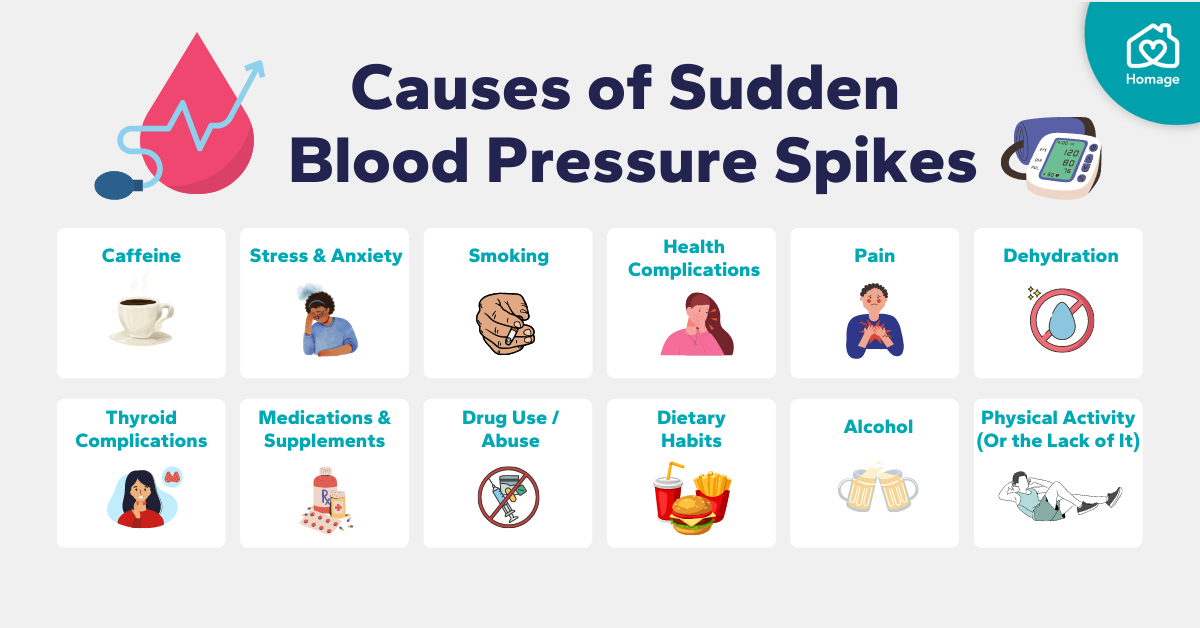
In the realm of health technology, it is crucial to distinguish between a physiological reason for high blood pressure and a technological reason for a high reading. Accuracy and data integrity are the pillars of digital health, and understanding the tech-side variables is essential for both developers and users.
Sensor Calibration and Data Integrity
A common reason for a high blood pressure reading in a digital ecosystem is the lack of proper sensor calibration. Whether using a high-end wearable or a home-based digital cuff, the software must be regularly updated to account for “sensor drift.” In the world of software-as-a-medical-device (SaMD), the rigorousness of the underlying code determines the reliability of the output. If the algorithm is not calibrated for various skin tones (in the case of PPG sensors) or different arm circumferences, the “reason” for a high reading might simply be a margin of error in the tech itself. Ensuring high-fidelity data is the primary challenge for the next generation of MedTech engineers.
The “White Coat” Effect in a Digital Context
“White coat hypertension”—the phenomenon where blood pressure rises in a clinical setting—has a digital equivalent. When users are prompted by their apps to take a reading, the very act of monitoring can induce anxiety, leading to a temporary spike. Advanced tech solutions are addressing this by utilizing “passive monitoring.” By gathering data in the background through smart watches or even smart rings, the technology eliminates the psychological trigger of the “test,” providing a more accurate baseline. This allows the software to differentiate between a “tech-induced” spike and a genuine physiological reason for high blood pressure.
The Future of Hypertension Management through Wearables
As we look toward the future, the technology used to diagnose and manage the reasons for high blood pressure is becoming increasingly sophisticated, moving toward molecular and optical analysis that was once the stuff of science fiction.
Transdermal Optical Imaging and Beyond
One of the most exciting trends in healthtech is Transdermal Optical Imaging. This technology uses the cameras on smartphones to detect blood flow patterns in the face. By analyzing nearly imperceptible changes in skin color and blood flow, AI can estimate blood pressure with surprising accuracy. The reason this tech is revolutionary is its accessibility; it removes the hardware barrier entirely. If a user discovers their blood pressure is high through a 30-second “selfie” scan, the technology has successfully lowered the barrier to entry for cardiovascular health awareness, potentially saving millions of lives through early detection.
Integrating Health Data into Personal Security Frameworks
As health data becomes more central to our digital identities, the security of blood pressure metrics is paramount. The “reason” for high blood pressure readings is sensitive information. Blockchain technology and decentralized identity (DID) frameworks are being explored to ensure that a user’s cardiovascular data—and the reasons for their health fluctuations—remain private and under their control. In this niche, digital security is just as important as medical accuracy. A compromised data stream could lead to incorrect medical histories or higher insurance premiums based on faulty “high” readings, making robust encryption a cornerstone of modern hypertension tech.
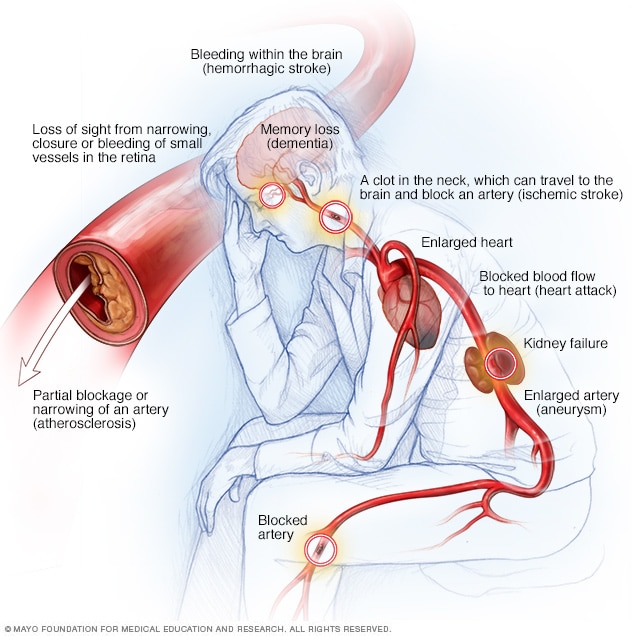
Scaling Healthcare Tech: Global Impact on High Blood Pressure Detection
The ultimate goal of using technology to identify the reasons for high blood pressure is to democratize healthcare. In underserved regions, access to a cardiologist is rare, but access to a smartphone is increasingly common.
By leveraging cloud computing and low-bandwidth AI models, global health organizations can deploy tools that explain the reasons for high blood pressure to populations at scale. In these contexts, the “reason” is often related to systemic issues—lack of clean water, high-stress environments, or nutritional deficits. Tech serves as the bridge, providing the data necessary for NGOs and governments to implement targeted interventions. When we can track the blood pressure of an entire city in real-time, the reasons for health trends become clear, allowing for a shift from individual treatment to community-level health optimization.
In conclusion, the reason for blood pressure being high is a multifaceted puzzle that modern technology is uniquely equipped to solve. Through the lens of AI-driven diagnostics, IoT connectivity, and advanced sensor hardware, we are moving beyond simple measurements. We are now in an era where software not only tells us that our blood pressure is high but explains why, predicts when it will happen again, and provides the digital roadmap to bring it back into balance. As these tools continue to evolve, the integration of health and technology will remain the most powerful weapon in the global fight against hypertension.
aViewFromTheCave is a participant in the Amazon Services LLC Associates Program, an affiliate advertising program designed to provide a means for sites to earn advertising fees by advertising and linking to Amazon.com. Amazon, the Amazon logo, AmazonSupply, and the AmazonSupply logo are trademarks of Amazon.com, Inc. or its affiliates. As an Amazon Associate we earn affiliate commissions from qualifying purchases.