
For centuries, gold has been the silent observer of human commerce, acting as the ultimate yardstick for value. While modern consumers look at the world through the lens of fiat currencies like the US Dollar, Euro, or Yen, savvy investors often ask a more profound question: “What is the price in gold?” This question shifts the perspective from nominal value—the number printed on a bill—to real value, which represents actual purchasing power. Understanding how to price assets, commodities, and even labor in gold provides a unique clarity that protects wealth from the invisible tax of inflation and the volatility of modern monetary policy.
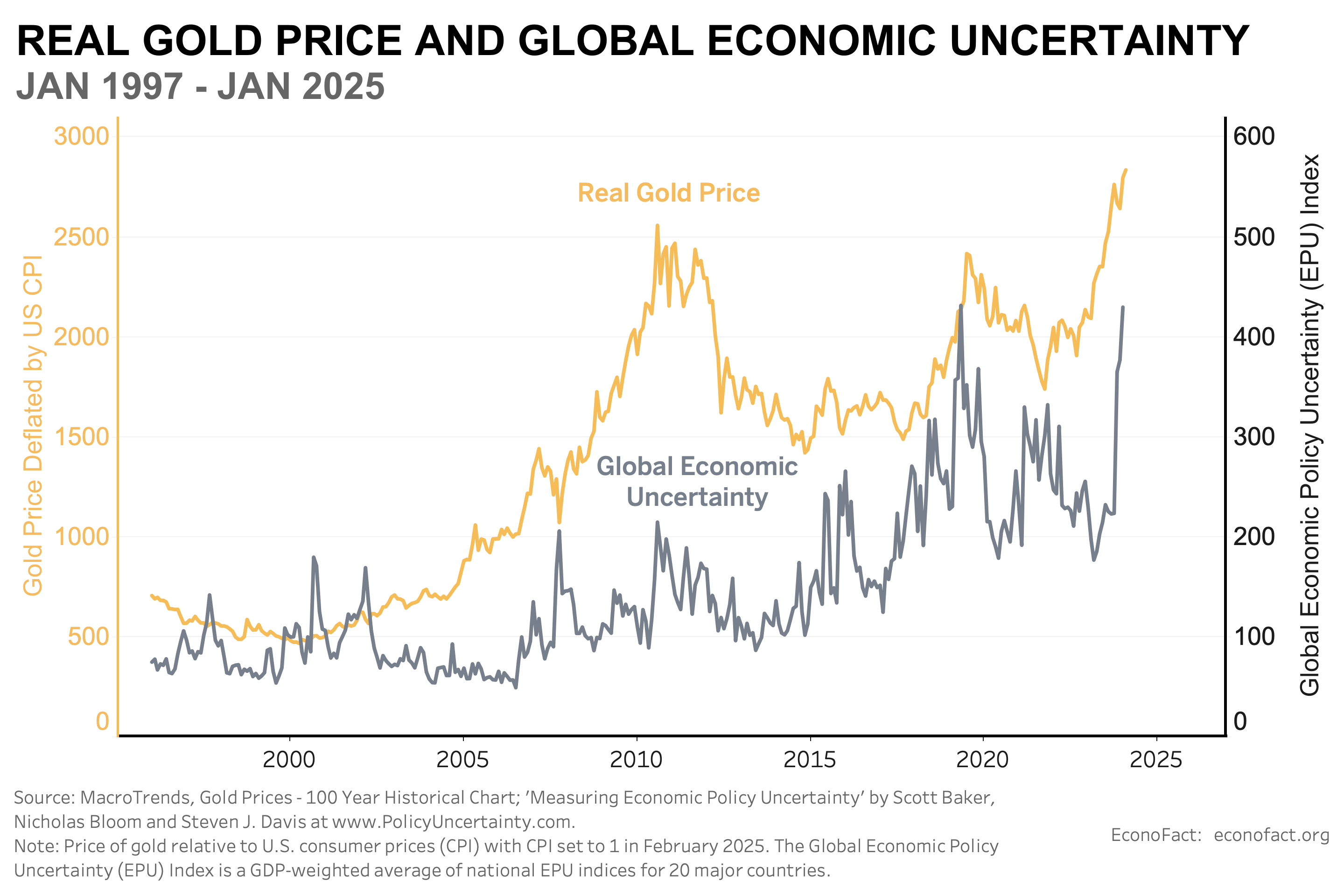
The Historical Perspective: Gold as the Ultimate Unit of Account
To understand why we should measure value in gold, we must first recognize that for the vast majority of human history, gold was the money. Unlike paper currency, which can be printed at the whim of central banks, gold must be mined, refined, and stored. This physical scarcity created a natural ceiling on inflation for thousands of years.
The Gold Standard and the Transition to Fiat
From the late 19th century until 1914, and again briefly during the interwar years, the world operated on the classical gold standard. Under this system, the value of a currency was directly linked to a specific weight of gold. For instance, the US Dollar was once defined as 1/20th of an ounce of gold. This meant that the price of a loaf of bread, a suit of clothes, or a house remained remarkably stable over decades.
The definitive shift occurred in 1971 when the United States ended the convertibility of the dollar into gold, effectively moving the world onto a pure fiat system. Since then, the “price” of gold has appeared to skyrocket. However, many economists argue that gold hasn’t become more expensive; rather, the currencies used to measure it have lost their value. When we ask what the price is in gold, we are attempting to strip away the noise of currency debasement to see if an asset is actually gaining or losing value.
Measuring Purchasing Power Across Centuries
One of the most compelling arguments for gold as a unit of measurement is the “bread and suit” analogy. Historically, an ounce of gold has roughly bought the same amount of high-quality goods. In Ancient Rome, an ounce of gold could buy a citizen a high-quality toga, belt, and sandals. Today, that same ounce of gold buys a well-tailored business suit and leather shoes. If you had saved the equivalent value in Roman currency, it would be worthless today; the gold, however, retained its purchasing power. This stability makes it the perfect denominator for long-term financial planning.
Understanding Gold as a Financial Benchmark
In professional investing, measuring the performance of an asset class against gold is a common strategy to determine “real” returns. This is often referred to as “ratio analysis.” By dividing the price of an asset by the current price of gold, investors can see if they are actually growing their wealth or simply keeping pace with the devaluation of their local currency.
The Gold-to-S&P 500 Ratio
One of the most important metrics for equity investors is the Gold-to-S&P 500 ratio. This ratio tells us how many ounces of gold it takes to buy the S&P 500 stock index. Historically, when this ratio is high, stocks are considered expensive relative to gold. When it is low, stocks are considered cheap.
For example, during the height of the dot-com bubble in the late 1990s, it took a significant amount of gold to buy the S&P 500. Conversely, in the early 1980s and following the 2008 financial crisis, the ratio bottomed out. An investor who only looks at the dollar price of the S&P 500 might think they are constantly winning, but when priced in gold, the stock market can go through decades-long “secular bear markets” where the real value of the index is actually declining despite the nominal dollar price rising.
The Gold-to-Oil and Commodity Ratios
Gold is also used to price other hard assets. The Gold-to-Oil ratio is a classic indicator of global economic health and geopolitical tension. On average, one ounce of gold has historically purchased about 15 to 20 barrels of crude oil. When oil becomes “expensive in gold,” it often signals an energy crisis or a supply shock. When oil is “cheap in gold,” it may signal a global recession or overproduction. By monitoring these ratios, business leaders can make more informed decisions about capital expenditures and resource management without being misled by the fluctuating value of the dollar.
Why Investors Calculate Prices in Gold Today

In an era of quantitative easing and record-breaking government deficits, the incentive to price the world in gold has never been higher. Modern personal finance requires a defensive posture against currency risk, and gold provides the most reliable shield.
Hedging Against Currency Debasement
Currency debasement occurs when a government increases the money supply faster than the economy grows. This results in more “units” of currency chasing the same amount of goods and services, leading to rising prices. When you measure your net worth in gold, you are measuring it in a medium that cannot be “printed” into existence. If your bank account balance stays the same but the price of gold doubles, your real wealth has been cut in half. Calculating your “price in gold” allows you to see the erosion of your savings in real-time, prompting more proactive investment strategies.
Identifying “Real” vs. “Nominal” Gains
The “money illusion” is a psychological bias where people view their wealth in nominal terms rather than real terms. If your home increases in value from $300,000 to $600,000 over ten years, you might feel 100% wealthier. However, if the price of gold also doubled in that time, your home’s value in gold remains unchanged. You haven’t actually gained purchasing power; you’ve merely maintained it. Real wealth is created when an asset outpaces gold. If your investment portfolio grows by 15% while gold grows by 5%, you have achieved a 10% “real” gain. Without the gold benchmark, it is nearly impossible to distinguish between genuine profit and inflationary noise.
Modern Dynamics: Gold in the Digital Age
While gold is an ancient asset, its role in modern finance is evolving. As the global financial system becomes more digitized and decentralized, the way we perceive the “price in gold” is shifting to accommodate new technologies and geopolitical realities.
Central Bank Reserves and Geopolitical Shifts
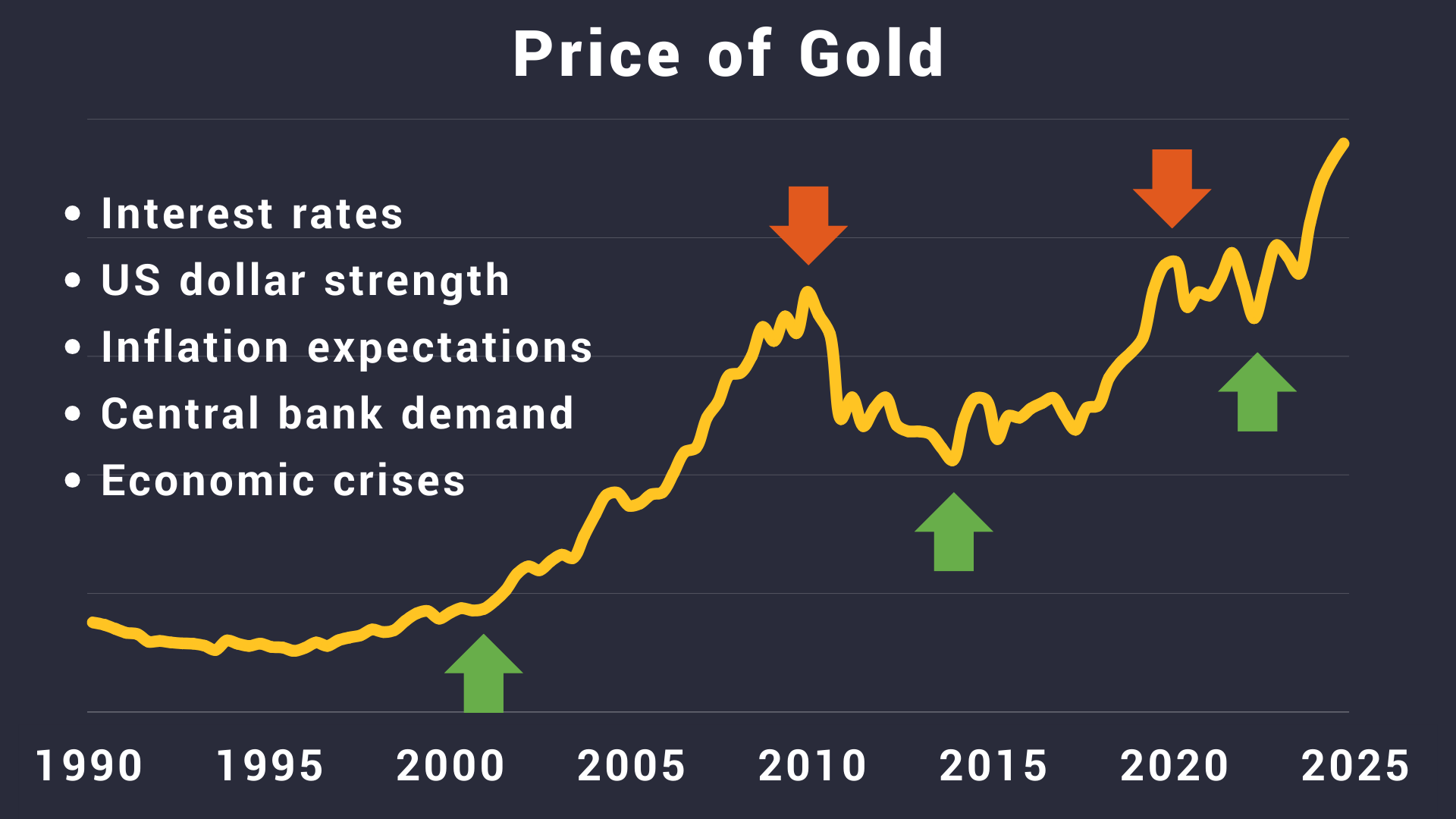
In recent years, central banks across the globe—most notably in China, Russia, India, and Turkey—have become massive net buyers of gold. These institutions are diversifying away from the US Dollar as the primary global reserve currency. When central banks start pricing their national reserves in gold, it signals a lack of confidence in the fiat-led international order. For the individual investor, following the “smart money” of central banks means recognizing that gold is being repositioned as the foundational asset of the next financial era.
Gold vs. Digital Assets (Bitcoin)
A new debate has emerged in the financial world: Is Bitcoin “Digital Gold”? While Bitcoin shares some characteristics with gold, such as capped supply and decentralization, it lacks the 5,000-year track record of stability. Many investors now use a “barbell strategy,” holding both physical gold for ultimate capital preservation and Bitcoin for high-growth potential. However, even in the crypto space, the most disciplined traders still track the “Bitcoin-to-Gold” ratio. This comparison helps them understand if Bitcoin is gaining adoption as a store of value or if it is simply riding the wave of speculative liquidity.
Practical Strategies for Including Gold in a Portfolio
Understanding the price in gold is the first step; the second is taking action to incorporate this stability into your own financial life. There are several ways to gain exposure to gold, each with its own set of risks and rewards.
Physical Bullion vs. Financial Instruments
The most direct way to own gold is through physical bullion—coins and bars. This provides the ultimate security, as it removes “counterparty risk” (the risk that a bank or brokerage might fail). However, physical gold requires secure storage and insurance.
For those seeking more liquidity, Gold Exchange Traded Funds (ETFs) like GLD or IAU allow investors to buy and sell gold as easily as a stock. While these are convenient, they are essentially paper contracts and do not offer the same “off-the-grid” security as physical metal. Another option is gold mining stocks. These companies act as a lever on the price of gold; if gold goes up 10%, a well-run mining company might see its stock price rise by 30%. However, mining stocks also carry operational risks, such as labor strikes or management errors, which physical gold does not.
Allocation Rules of Thumb
Most financial advisors who advocate for gold suggest an allocation of 5% to 10% of a total portfolio. This “insurance policy” ensures that even if the stock market crashes or currency inflation spikes, a portion of the investor’s wealth remains stable. In times of extreme economic uncertainty, some aggressive “hard money” investors increase this allocation to 20% or more. The goal isn’t necessarily to get rich off gold, but to ensure that you never get poor—because no matter what happens to the dollar, the “price in gold” remains the true north of the financial world.
By consistently asking “What is the price in gold?”, you move beyond the surface-level fluctuations of the daily news and begin to see the true movement of value in the global economy. It is a perspective that rewards patience, discipline, and a long-term view of wealth preservation.
aViewFromTheCave is a participant in the Amazon Services LLC Associates Program, an affiliate advertising program designed to provide a means for sites to earn advertising fees by advertising and linking to Amazon.com. Amazon, the Amazon logo, AmazonSupply, and the AmazonSupply logo are trademarks of Amazon.com, Inc. or its affiliates. As an Amazon Associate we earn affiliate commissions from qualifying purchases.