
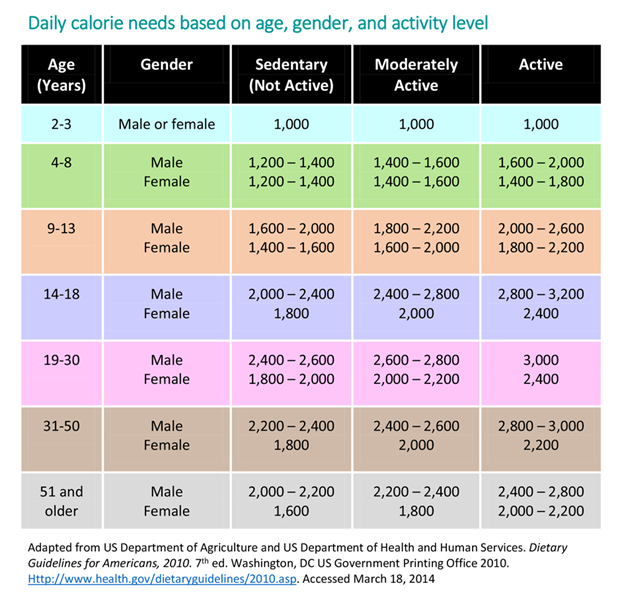
Determining the minimum calories per day was once a static exercise involving standardized formulas and manual estimations. However, the rise of specialized health technology has transformed this from a general health query into a high-precision data science challenge. Today, the intersection of artificial intelligence (AI), machine learning, and wearable sensors allows individuals to move beyond the traditional “1,200-calorie rule” to find a dynamic, tech-verified minimum that supports metabolic health while achieving specific physiological goals.
In the modern tech ecosystem, the question of minimum caloric intake is no longer answered by a static chart on a wall. It is answered by complex algorithms that process real-time biometric data, historical trends, and predictive modeling.
Digital Metabolism: How Software Decodes the Minimum Caloric Threshold
The foundation of determining one’s minimum caloric needs lies in the Basal Metabolic Rate (BMR)—the energy required to maintain basic life functions while at rest. In the past, this was calculated using the Harris-Benedict or Mifflin-St Jeor equations. While these formulas provided a baseline, they were often criticized for their lack of personalization. Modern software has revolutionized this through the integration of sophisticated algorithms.
The Evolution of Nutritional Algorithms
Current fitness and nutrition applications utilize advanced software architectures to refine BMR calculations. Instead of relying solely on age, weight, and height, these platforms integrate variables such as body fat percentage, lean muscle mass data (often synced from smart scales), and even environmental factors like altitude and temperature. By moving these calculations into the cloud, software providers can update their logic based on the latest peer-reviewed nutritional science, ensuring that the “minimum” recommended to a user is scientifically sound and safe.
Integrating Machine Learning for Personalized Basal Metabolic Rates
Machine learning (ML) takes this a step further. Instead of a linear equation, ML models analyze how a specific user’s body reacts to caloric changes over time. For example, if a user tracks 1,500 calories but the software observes—via connected wearable data—that the user is losing weight faster than predicted, the algorithm adjusts the individual’s perceived BMR. This creates a “living” minimum calorie target that adapts as the user’s metabolism shifts, a feat impossible without high-level computational power.
The Hardware Ecosystem: Wearables and the Quest for Biometric Accuracy
While software provides the logic, wearable technology provides the raw data. The hardware ecosystem—comprising smartwatches, fitness trackers, and specialized biometric rings—is the primary driver in identifying an individual’s Total Daily Energy Expenditure (TDEE), which dictates the safe floor for caloric intake.
Optical Sensors and Metabolic Tracking
Modern wearables utilize Photoplethysmography (PPG) sensors to monitor heart rate and heart rate variability (HRV). These metrics are crucial because they offer a window into the autonomic nervous system. Tech-forward platforms use this data to determine if a user is in a state of high stress or poor recovery, which can signal that their “minimum calories” need to be higher to prevent metabolic adaptation or injury. High-end gadgets now include skin temperature sensors and peripheral oxygen saturation (SpO2) monitors, providing a more holistic view of the user’s internal environment.
The Synchronization of Wearables and Nutrient Software
The true power of this tech lies in the “stack”—the seamless communication between hardware and software. Through APIs (Application Programming Interfaces), data from a Garmin or Apple Watch flows into nutrition-tracking apps like Cronometer or MyFitnessPal. This synchronization allows the tech to calculate the “Minimum Threshold” in real-time. If the wearable detects an unusually high-activity day, the software will automatically raise the minimum calorie floor for that 24-hour period to ensure the user does not enter a dangerous caloric deficit.
Smart Apps and Guardrails: Using AI to Prevent Nutritional Deficit
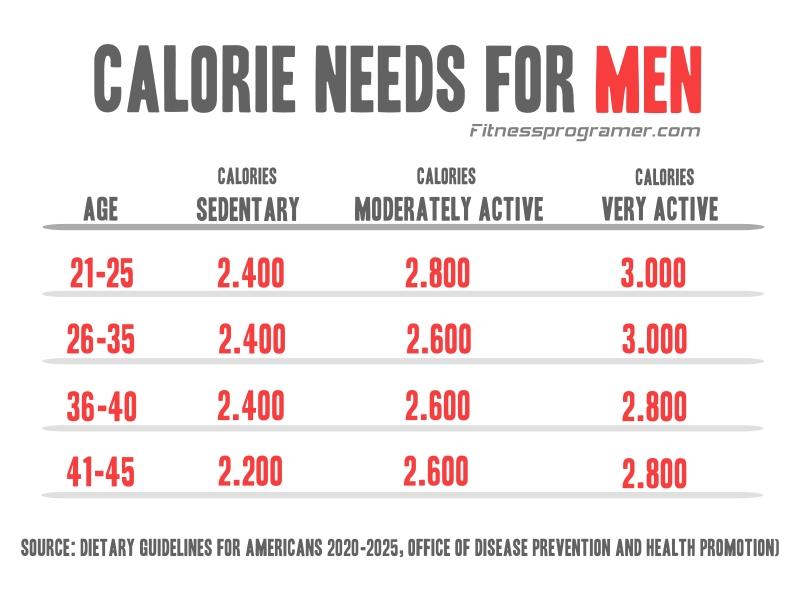
One of the most significant contributions of technology to the field of nutrition is the implementation of automated “guardrails.” When users ask, “What is the minimum calories per day?” they are often seeking the lowest possible number for weight loss. AI-driven platforms are now programmed to prioritize safety over rapid results.
Predictive Analytics in Daily Energy Expenditure
Predictive analytics allow software to forecast the long-term impact of a specific caloric floor. If a user consistently sets their intake below the recommended minimum, the AI can flag potential risks, such as a projected drop in testosterone or estrogen levels, or a decrease in bone density based on historical data patterns. These “preventative” features use data visualization to show users how undereating today will negatively impact their performance and metabolic rate three months from now.
User Interface (UI) Design and Behavioral Psychology in Tracking
The way caloric data is presented—the UI/UX of the app—plays a critical role in how users perceive their nutritional floor. Many modern apps have moved away from “calories remaining” countdowns, which can encourage aggressive undereating. Instead, they use “energy balance” visualizations. By focusing on fueling rather than restriction, the technology nudges users toward a more sustainable and tech-supported minimum calorie target that supports both cognitive function and physical activity.
Emerging Tech: Continuous Glucose Monitors and the Future of Energy Management
The next frontier in determining the minimum calories per day involves medical-grade technology adapted for the consumer market. Continuous Glucose Monitors (CGMs), such as those marketed by companies like Levels or Nutrisense, provide real-time data on how blood sugar reacts to specific caloric levels and food compositions.
Bio-Hacking and the Integration of Metabolic Tech
By wearing a CGM, users can see exactly when their blood sugar dips into a range that indicates they have dropped below their functional caloric minimum. This is “bio-hacking” in its most literal sense—using hardware to see inside the body’s chemical processes. When combined with AI, this data can identify the “Minimum Effective Dose” of calories needed to maintain stable blood glucose, preventing the “crashes” associated with traditional low-calorie dieting.
Genetic Testing and Digital Twin Modeling
Furthermore, the integration of nutrigenomics—testing your DNA for metabolic markers—is becoming a standard feature in high-end health tech suites. Software can now take your genetic data and create a “digital twin.” This digital model can simulate different caloric scenarios, allowing the user to see how their specific genetic makeup might respond to various caloric floors before they actually implement the change. This reduces the trial-and-error phase of dieting and provides a tech-verified answer to what an individual’s minimum intake should be.
Data Sovereignty: Securing Biometric Information in the Age of Digital Health
As we rely more on technology to dictate our caloric needs, the security of that data becomes paramount. The information required to calculate a precise minimum calorie count—heart rate, weight, body fat, and even blood glucose—is among the most sensitive data an individual can own.
The Importance of Encryption and HIPAA Compliance
Leading apps in the health-tech space are now adopting end-to-end encryption and ensuring their platforms are HIPAA (Health Insurance Portability and Accountability Act) compliant, even if they aren’t traditional medical providers. This security infrastructure is essential for building user trust. As the tech becomes more invasive (in the form of implants or deeper biometric tracking), the digital security surrounding one’s “nutritional profile” will become as important as financial security.
Ethical AI and Algorithmic Bias in Health Tech
Finally, there is an ongoing discussion regarding the ethics of the algorithms themselves. Developers must ensure that the software determining “minimum calories” is not biased toward specific body types or Western-centric health standards. The next generation of nutritional AI is being built on more diverse datasets to ensure that the caloric recommendations provided are accurate for users of all ethnicities, ages, and metabolic conditions.
In conclusion, the question of the minimum calories per day has evolved into a sophisticated technological challenge. Through the synergy of AI, wearable hardware, and real-time biometric monitoring, we are entering an era of precision nutrition. Technology no longer just counts calories; it understands the complex, dynamic relationship between energy intake and human biology, providing a data-driven path to optimal health.
aViewFromTheCave is a participant in the Amazon Services LLC Associates Program, an affiliate advertising program designed to provide a means for sites to earn advertising fees by advertising and linking to Amazon.com. Amazon, the Amazon logo, AmazonSupply, and the AmazonSupply logo are trademarks of Amazon.com, Inc. or its affiliates. As an Amazon Associate we earn affiliate commissions from qualifying purchases.