
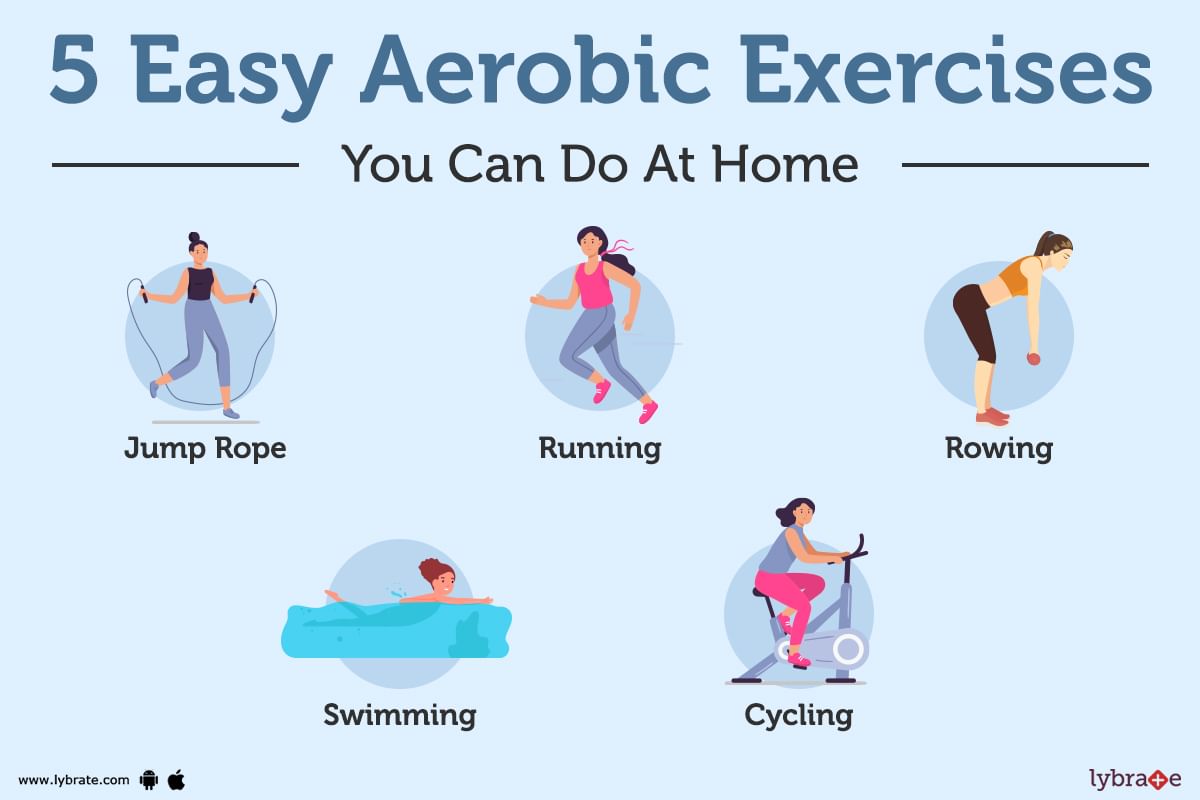
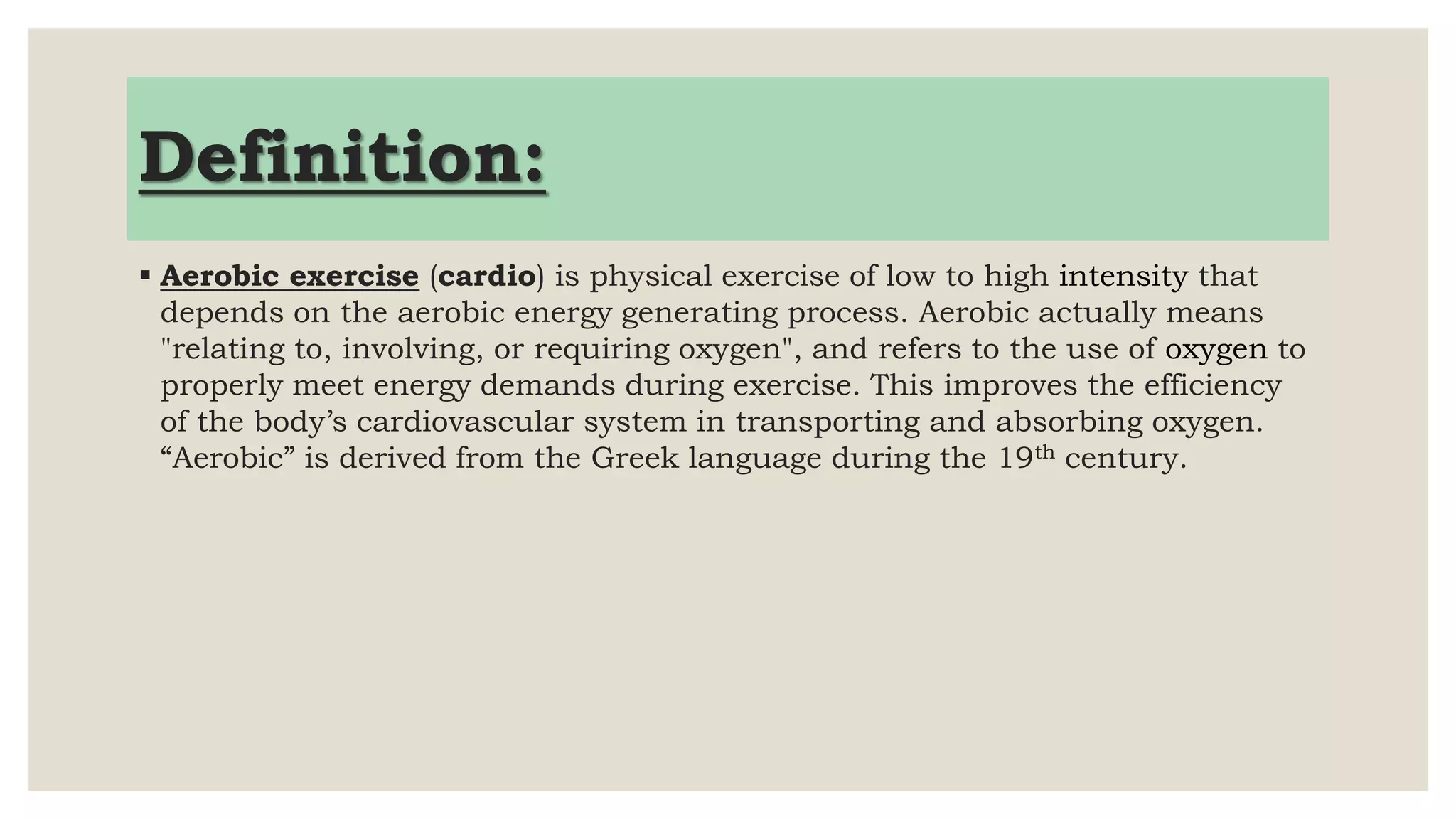
In its most traditional sense, the definition of aerobic exercise refers to physical activity that increases the heart rate and the body’s use of oxygen to meet energy demands during exertion. Historically, this definition was confined to the biological realm—a simple exchange of oxygen and carbon dioxide facilitated by the cardiovascular system. However, in the contemporary era of the “Quantified Self,” technology has fundamentally remapped this definition. Aerobic exercise is no longer just a physiological state; it is a complex data set generated by sophisticated sensors, interpreted by machine learning algorithms, and optimized through high-fidelity software ecosystems.
Today, understanding aerobic exercise requires looking past the treadmill and into the hardware and software that define the modern fitness experience. We are moving from a subjective understanding of “cardio” to a precise, objective measurement of metabolic efficiency mediated by technology.
From Breath to Biometrics: The Technical Reclassification of Cardio
The legacy definition of aerobic exercise centered on rhythmic, continuous movement—running, cycling, or swimming. While those activities remain the foundation, the technological definition focuses on “Zone Training” and oxygen consumption metrics such as VO2 Max. This shift is driven by the integration of photoplethysmography (PPG) and electrocardiogram (ECG) sensors into consumer electronics.
The Algorithm of Effort
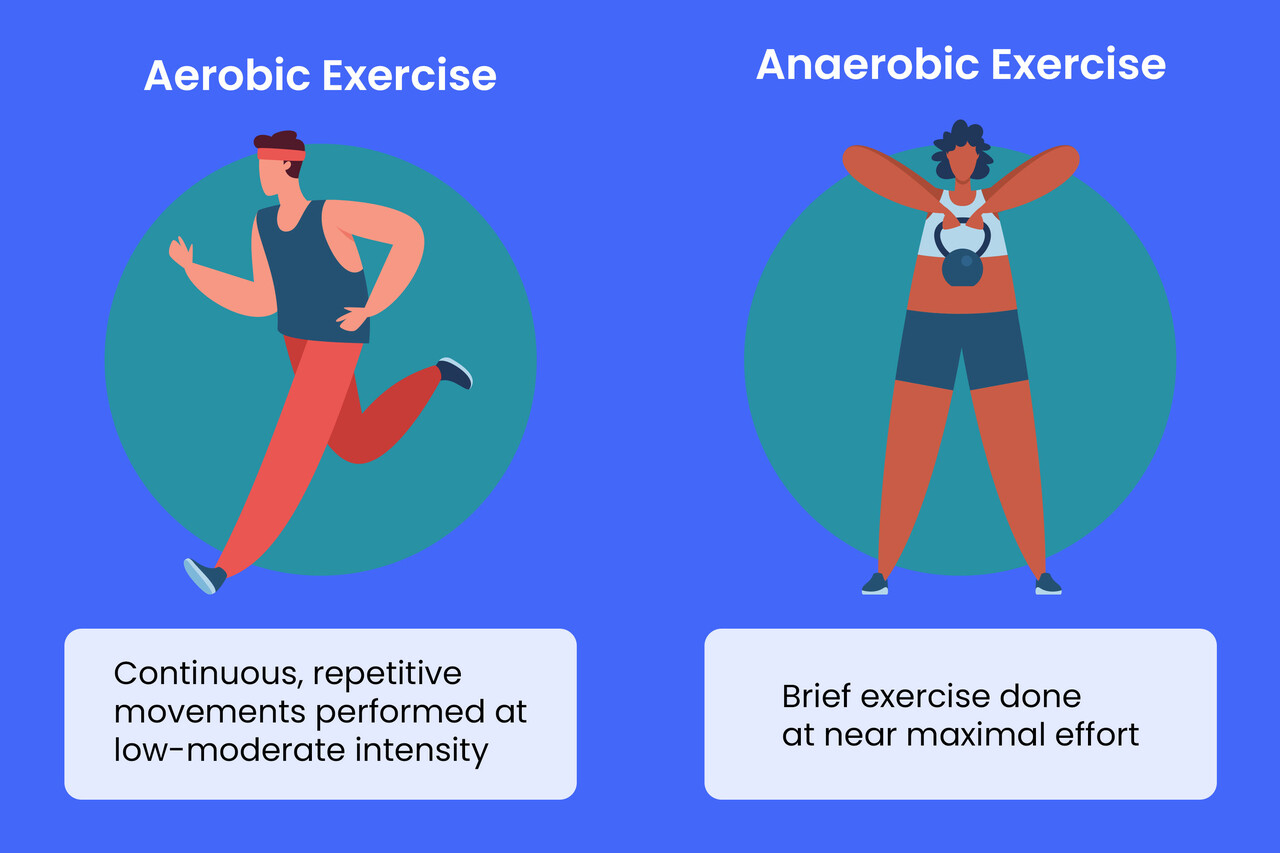
In a tech-centric context, aerobic exercise is defined by the sustained maintenance of specific heart rate zones. Wearable devices use green LED lights paired with light-sensitive photodiodes to detect blood volume changes in the wrist. This data is then processed via proprietary algorithms to determine if a user is in an “aerobic” state versus an “anaerobic” one.
For the modern athlete, the definition of an effective aerobic session is one where the software confirms a “steady state” within 60% to 80% of the maximum heart rate. Without the digital confirmation of these metrics, the modern user lacks the validation that their physiological state matches the traditional definition of aerobic activity. The tech has become the arbiter of the physical experience.
VO2 Max as a Digital Benchmark
Perhaps the most significant technological contribution to the definition of aerobic exercise is the democratization of VO2 Max tracking. Previously limited to clinical laboratories using expensive metabolic carts and oxygen masks, VO2 Max—the maximum rate of oxygen consumption—is now estimated by smartwatches. These devices use complex regression models that analyze the relationship between pace and heart rate. By turning a biological ceiling into a visible digital score, technology has redefined aerobic fitness as a trackable, improvable KPI (Key Performance Indicator) within a user’s personal health dashboard.
The Hardware Revolution: Sensors and Connected Equipment
The definition of aerobic exercise has expanded to include the “Internet of Fitness” (IoF). The hardware used to facilitate these workouts has evolved from simple mechanical devices into high-performance computers equipped with various sensors and connectivity modules.
The Rise of Connected Micro-Environments
Modern aerobic exercise often takes place within a digital ecosystem. Companies like Peloton, Zwift, and Hydrow have transformed stationary equipment into connected nodes. These machines are not just mechanical resistance tools; they are data-gathering hubs. Through ANT+ and Bluetooth Low Energy (BLE) protocols, these machines sync with heart rate monitors, power meters, and cadence sensors to create a comprehensive digital twin of the user’s performance.
In this environment, aerobic exercise is defined by its interactivity. It is a synchronized stream of data where mechanical resistance is controlled by software (ERG mode), and the user’s aerobic output is visualized in real-time on a high-definition display. The physical act of cycling is inextricably linked to the digital feedback loop.
Wearable Architecture and Environmental Sensing
Beyond the wrist, the tech industry has introduced “smart apparel” and advanced sensors that track metrics like vertical oscillation, ground contact time, and power wattage. These sensors provide a more granular definition of aerobic efficiency. By analyzing the mechanical cost of an aerobic session, technology allows users to identify “energy leaks.” For example, a runner can use a pod sensor to ensure their aerobic output is being used for forward propulsion rather than unnecessary vertical movement. This tech-driven efficiency is now a core component of how professional and amateur athletes define a successful aerobic workout.
Software-Driven Fitness: Algorithms as the New Personal Trainer
While hardware provides the data, software provides the meaning. The definition of aerobic exercise in the digital age is heavily influenced by AI-driven analytics that prescribe intensity and monitor recovery.
AI Coaching and Predictive Analytics
Modern fitness apps—such as Strava, Whoop, and Oura—use machine learning to define the “optimal” aerobic load for a user on any given day. By analyzing Heart Rate Variability (HRV) and sleep patterns, these platforms determine if a user’s body is prepared for aerobic strain.
This shifts the definition of aerobic exercise from a scheduled task to a dynamic response to biological data. If the algorithm detects high physiological stress, it may redefine a “recovery” session as the only acceptable form of aerobic movement. The software essentially acts as a cognitive layer over the user’s intuition, dictating the parameters of the aerobic experience based on deep-data analysis of systemic fatigue.
Gamification and Virtual Reality (VR)
The definition of aerobic exercise is also migrating into the metaverse. Virtual Reality platforms like Meta Quest have introduced apps such as Supernatural and FitXR, which turn aerobic conditioning into a gaming experience. Here, aerobic exercise is defined by spatial tracking and haptic feedback.
Users are no longer “going for a run”; they are “interacting with digital targets” in a 360-degree environment. This gamification solves the “boredom” problem historically associated with steady-state cardio, using software to trigger dopamine responses that keep users in the aerobic zone for longer periods. The definition of the workout has expanded to include “Time in VR,” where the physical exertion is a byproduct of digital engagement.
Data Privacy and the Security of the Aerobic Profile
As aerobic exercise becomes a tech-heavy endeavor, the definition must also encompass the security and ownership of the resulting data. When we define aerobic exercise through sensors, we are simultaneously generating sensitive biometric signatures.
The Biometric Footprint
Every aerobic session tracked on a cloud-connected device creates a biometric footprint. This includes GPS maps of running routes, average and peak heart rates, and even respiratory rates. As this data is stored in the cloud, the definition of aerobic exercise intersects with digital security and privacy laws.
The tech industry is currently grappling with how to protect this “health identity.” End-to-end encryption and anonymized data sets are becoming as important to the fitness tech industry as the sensors themselves. For the modern consumer, the definition of a “safe” aerobic workout now includes the assurance that their cardiovascular data is not being leaked or sold to third-party insurers.
Integration with the Broader Health Tech Stack
The definition of aerobic exercise is increasingly being integrated into a broader holistic health tech stack. APIs allow fitness data to flow seamlessly into electronic health records (EHRs) and telehealth platforms. This connectivity allows physicians to monitor a patient’s aerobic health in real-time, moving the definition of “exercise” into the realm of “preventative medicine.” Technology has enabled aerobic activity to serve as a live diagnostic tool, where a sudden drop in aerobic performance can alert a user or their doctor to potential underlying health issues before they become symptomatic.
The Future Landscape: Spatial Computing and Genomic Integration
Looking forward, the definition of aerobic exercise will continue to evolve alongside cutting-edge technological trends. We are moving toward a period where the “digital” and “biological” are virtually indistinguishable.
Spatial Computing and AR Overlays
With the advent of high-performance Augmented Reality (AR) glasses, the definition of aerobic exercise will include “heads-up” data visualization. Imagine a runner seeing a virtual “ghost” of their previous personal best projected onto the path in front of them, or a cyclist seeing their power-to-weight ratio floating above their handlebars. Spatial computing will turn the world into a digital gym, where every physical environment is layered with aerobic performance data.
Genomics and Personalized Aerobic Programming
The next frontier is the intersection of biotechnology and digital fitness. Direct-to-consumer genetic testing is already allowing users to understand their “genetic aerobic potential.” Future software will likely integrate a user’s DNA profile with their wearable data to create the most personalized definition of aerobic exercise possible. Algorithms will be able to predict exactly how many minutes of Zone 3 training a specific individual needs to mitigate their unique genetic risks for cardiovascular disease.
In conclusion, the definition of aerobic exercise has undergone a radical transformation. It has evolved from a simple physiological process into a sophisticated, data-driven discipline. Today, aerobic exercise is defined by the hardware that tracks it, the software that interprets it, and the digital ecosystems that host it. As technology continues to advance, our understanding of what it means to be “aerobically fit” will only become more precise, more integrated, and more essential to the human experience in a digital world.
aViewFromTheCave is a participant in the Amazon Services LLC Associates Program, an affiliate advertising program designed to provide a means for sites to earn advertising fees by advertising and linking to Amazon.com. Amazon, the Amazon logo, AmazonSupply, and the AmazonSupply logo are trademarks of Amazon.com, Inc. or its affiliates. As an Amazon Associate we earn affiliate commissions from qualifying purchases.