
In the landscape of modern consumer goods, few ingredients have achieved the level of brand recognition and mythic status as taurine. While many consumers recognize the name from the back of an energy drink can, the question of “what is taurine from” transcends simple chemistry. It is a masterclass in brand strategy, ingredient storytelling, and market positioning. For brand strategists and corporate identity experts, the trajectory of taurine—from a niche amino acid found in ox bile to a multi-billion dollar cornerstone of the functional beverage industry—offers a blueprint for how to turn a technical component into a household name.

Understanding the origin of taurine requires looking beyond the laboratory and into the narrative structures that brands build around their core components. In the world of branding, “where something comes from” is often less about the physical source and more about the heritage, the perceived value, and the psychological impact of that source on the consumer.
The Alchemy of Ingredient Branding: How Taurine Became a Global Icon
The story of taurine is, at its heart, a story of successful nomenclature. The term “taurine” is derived from the Latin taurus, meaning bull. This etymological link provided the foundation for one of the most successful brand identities in history. When we ask what taurine is from, the historical answer—first isolated from ox bile in 1827—is far more provocative than the modern reality of synthetic production.
From Bull Gall to Brand Gold
Early brand pioneers in the energy sector understood that consumers aren’t just buying a product; they are buying a feeling or an archetype. By highlighting an ingredient with a name rooted in the strength and virility of a bull, brands like Red Bull were able to bypass the sterile imagery of a chemistry lab and tap into primal associations.
This is a classic example of “ingredient branding.” Much like “Intel Inside” revolutionized the computer industry by making an invisible component a mark of quality, taurine became the “secret sauce” that defined the energy drink category. The brand strategy here was to take an ingredient that is naturally occurring in the human body and associate its external supplementation with peak physical performance and mental acuity.
The Psychology of the “Essential” Additive
The strategic positioning of taurine also relies on the “halo effect.” By including an ingredient that sounds exotic yet biological, brands create a sense of functional necessity. In the 1990s and early 2000s, the mystery surrounding taurine’s origin was not a liability; it was a brand asset. It fueled curiosity and word-of-mouth marketing, allowing the ingredient to move from a scientific footnote to a central pillar of corporate identity for the beverage giants.
Corporate Identity and the Mystery of Sourcing
For any major brand, the question of sourcing is a double-edged sword. On one hand, transparency builds trust; on the other, a bit of mystery can enhance a brand’s “cool factor.” When consumers ask “what is taurine from,” they are often checking to see if a brand’s values align with their own, particularly regarding veganism, sustainability, and laboratory safety.
Transparency vs. Mystique in Brand Strategy
For decades, an urban legend persisted that taurine was derived from bull semen. While scientifically false—modern taurine is almost exclusively synthesized in high-tech laboratories—this myth actually served the brands in the early stages. It gave the products an “edgy” reputation that appealed to a younger, rebellious demographic.
However, as corporate social responsibility (CSR) became a dominant force in brand strategy, the narrative had to shift. Modern energy drink brands now go to great lengths to clarify that their taurine is synthetic and vegan-friendly. This shift in brand communication reflects a move from “renegade branding” to “responsible corporate identity.” The source is no longer a bull; it is a controlled, high-purity industrial process, which appeals to the modern consumer’s desire for safety and ethical manufacturing.
The Synthetic Revolution: Branding Sustainability
By moving the conversation from animal extraction to synthetic mastery, brands have successfully rebranded taurine as a “clean” ingredient. This is a critical move in the “Money” and “Brand” intersection. A synthetic source ensures a stable supply chain, lower production costs, and a broader market reach (including Halal and Kosher certifications). From a brand perspective, being “from the lab” is now marketed as a sign of precision and reliability rather than a lack of naturalness.
Case Study: Red Bull and the Mastery of Ingredient Association
No discussion of taurine’s brand identity is complete without analyzing Red Bull. The company did not just include taurine; they built an entire lifestyle around what that ingredient represents. Their brand strategy has always been about “giving you wings,” and taurine was the metaphorical fuel for those wings.
Creating a Category Through Chemistry
Before Red Bull launched in Austria in 1987, the concept of a “functional energy drink” was largely confined to Japan. By focusing on taurine as a key differentiator, Dietrich Mateschitz (Red Bull’s co-founder) was able to create a new category of consumer goods. The brand identity was not built on taste—which was famously divisive—but on the efficacy of its components.
The strategy was to make taurine synonymous with the brand itself. In many consumer minds, you cannot have one without the other. This is the pinnacle of brand strategy: when an ingredient becomes so tied to a specific brand that the competition is forced to either include it to be taken seriously or find a way to brand against it.
Combatting Urban Legends as a Reputation Management Strategy
As the brand matured, the “bull semen” myth became a potential liability, especially as the brand sought to expand into more conservative or health-conscious markets. Red Bull’s response was a masterclass in reputation management. They utilized their official digital platforms to explicitly address the origin of their taurine, turning a potential PR nightmare into an opportunity for brand education. By being the authoritative voice on “what taurine is from,” they reclaimed the narrative and reinforced their identity as a transparent, science-backed corporation.
The Future of Taurine in Personal Branding and Wellness Markets
As we move into a new era of health and wellness, the branding of taurine is undergoing another transformation. It is moving away from the high-octane, extreme-sports world of energy drinks and into the “longevity” and “biohacking” sectors.
The Shift from Energy to Longevity
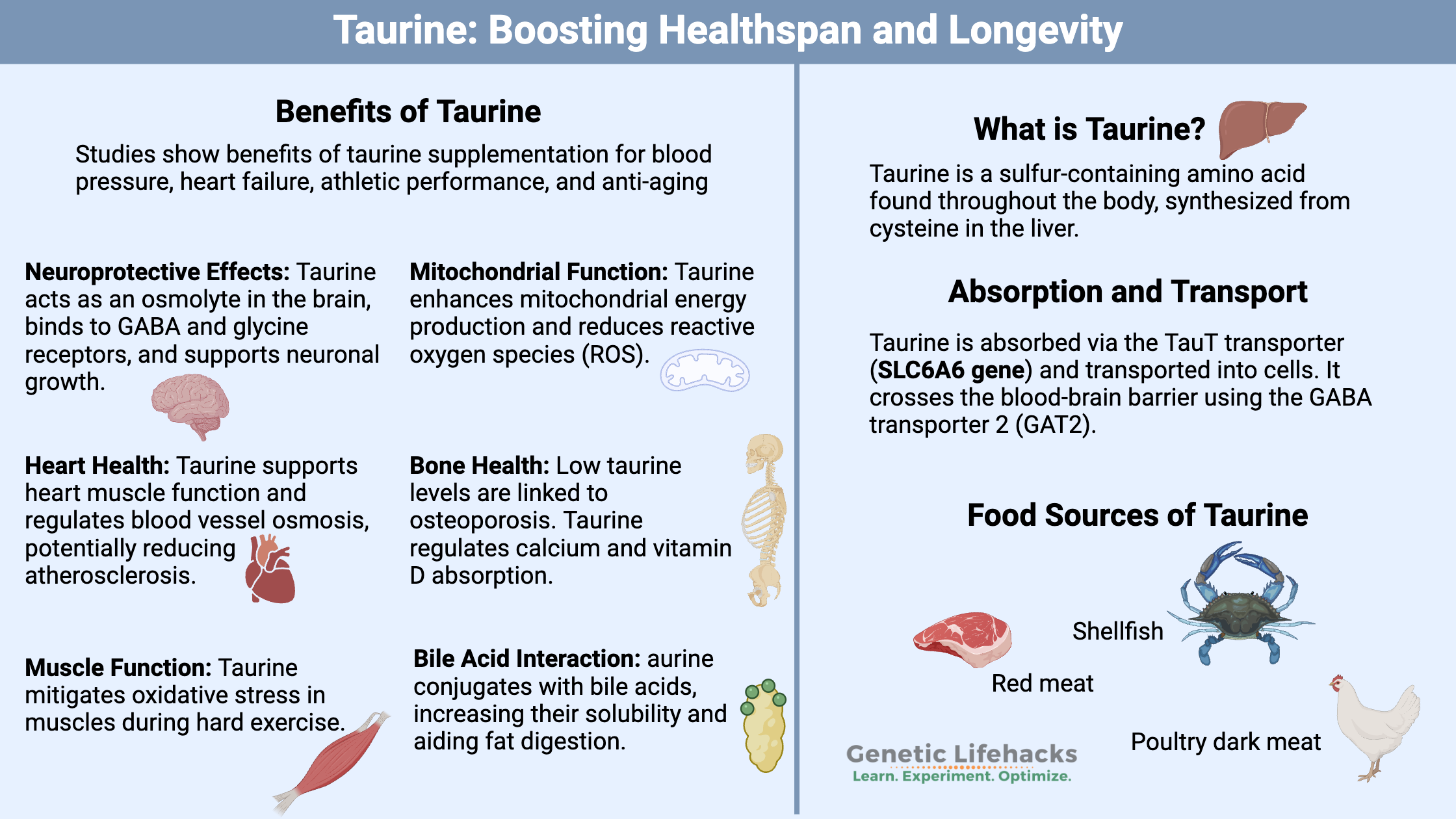
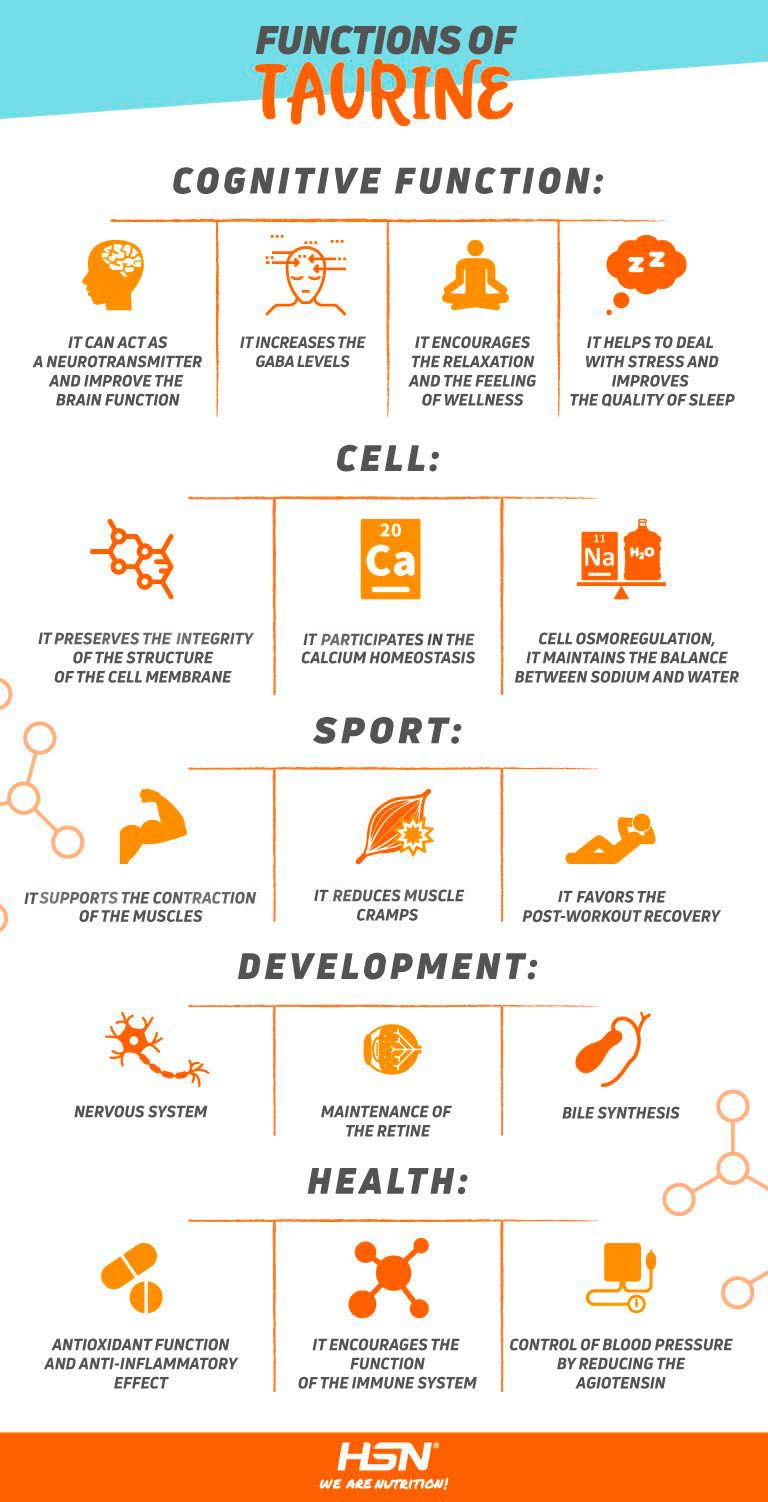
Recent scientific interest in taurine’s role in healthy aging has opened up a new avenue for personal branding and supplement marketing. Influencers in the health space and specialized supplement brands are now positioning taurine not as a stimulant-adjunct, but as a “longevity molecule.”
This rebranding requires a different tone. The vibrant, aggressive colors of energy drink cans are replaced by minimalist, pharmaceutical-grade packaging. The “source” is now discussed in terms of “pharmaceutical purity” and “bioavailability.” This demonstrates the fluidity of brand identity; the same molecule can be marketed as a party-enhancer in one decade and a life-extender in the next.
Strategic Rebranding for the Biohacking Era
For brands entering this space, the origin story of taurine must be anchored in clinical research and metabolic health. The “What is it from?” question is now answered with data regarding its presence in the human heart, brain, and muscles. The brand strategy here is to move taurine from “exogenous additive” to “essential nutrient.”
By aligning taurine with the “Optimized Self” movement, brands can command higher price points and tap into a demographic that values scientific rigor over marketing hype. This transition proves that an ingredient’s brand value is never static—it is a reflection of the cultural values of the time.
Conclusion: The Enduring Power of a Well-Branded Ingredient
In the end, what taurine is “from” is a blend of laboratory science and strategic imagination. It is an ingredient that has successfully navigated the transition from a specialized biological compound to a global brand icon.
For businesses and marketers, the taurine journey teaches us that the story of an ingredient is just as important as its chemical formula. By leveraging the etymology, managing the myths, and adapting the narrative to meet evolving consumer needs, brands have turned taurine into much more than an amino sulfonic acid. They have turned it into a symbol of energy, a marker of functionality, and a testament to the power of strategic ingredient branding. Whether it’s in a silver can or a sleek longevity supplement bottle, taurine remains one of the most effectively branded substances in the modern marketplace.
aViewFromTheCave is a participant in the Amazon Services LLC Associates Program, an affiliate advertising program designed to provide a means for sites to earn advertising fees by advertising and linking to Amazon.com. Amazon, the Amazon logo, AmazonSupply, and the AmazonSupply logo are trademarks of Amazon.com, Inc. or its affiliates. As an Amazon Associate we earn affiliate commissions from qualifying purchases.