
In the realm of brand strategy and corporate identity, the concept of “standard size” is far more than a mere set of measurements. It is the invisible scaffolding that supports brand recognition, professionalism, and consumer trust. When we ask what standard size is in a branding context, we are looking for the optimal dimensions, aspect ratios, and resolutions that ensure a brand’s visual assets remain impactful and legible across every possible touchpoint—from the microscopic favicon in a browser tab to the towering presence of a highway billboard.
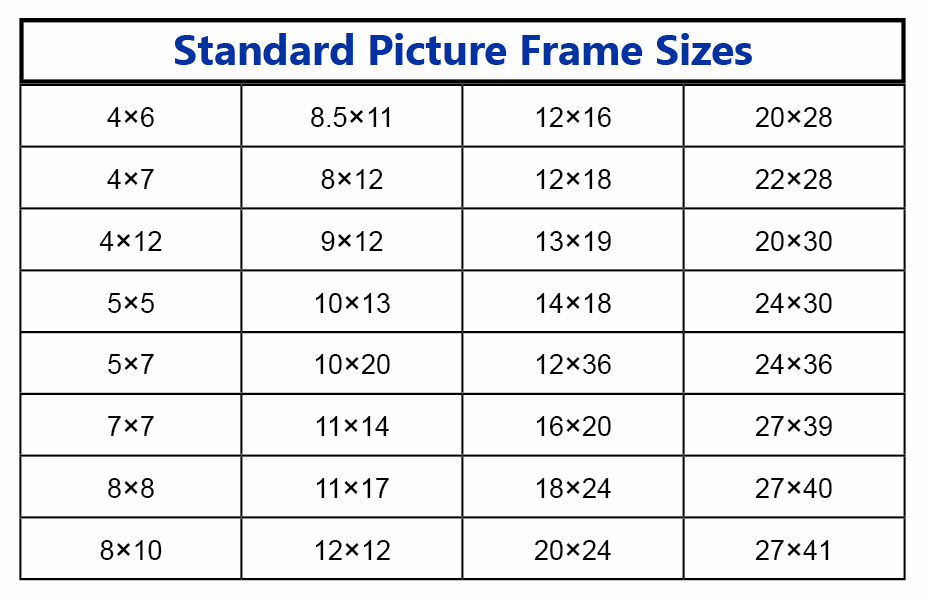
Standardization in branding serves as a shortcut for quality. It ensures that whether a customer encounters a company on Instagram, through a business card, or on a product shelf, the visual experience is seamless. Deviating from these standards without a strategic reason often results in “brand friction”—a state where the brand appears unpolished, unreliable, or technically inept. Understanding these standards is the first step in building a resilient corporate identity.
The Strategic Role of Standardization in Brand Identity
The pursuit of a “standard size” is rooted in the psychological principle of consistency. For a brand to occupy “mental real estate” in a consumer’s mind, it must present itself the same way repeatedly. If a logo appears stretched on a website but compressed on a mobile app, the cognitive link between the visual mark and the company’s values is weakened.
Why Dimensions Matter for Brand Recognition
In brand design, size dictates hierarchy and legibility. A standard size for a logo isn’t just about height and width; it’s about the “safe zone” or clear space surrounding it. Strategic branding requires defining a minimum size for the logo—the point at which any further reduction would cause the brand mark to lose its distinct details. By setting these standards, brand managers ensure that the identity is never compromised by the limitations of a specific medium.
Furthermore, standard sizes facilitate speed. In a fast-paced corporate environment, marketing teams and external agencies need to produce assets rapidly. Having a predefined list of standard sizes for social media posts, email headers, and display ads removes the guesswork, allowing for a more agile and cohesive marketing execution.
Scalability and the “Responsive” Brand
The modern brand must be liquid. It must flow into various containers of different sizes without losing its shape. This has led to the rise of responsive branding. Unlike the static logos of the 20th century, a responsive brand identity has different “standard sizes” that trigger different versions of a logo. For instance, a complex, illustrative logo might be the standard for a desktop website, while a simplified monogram becomes the standard for a mobile notification. Understanding these size-based triggers is essential for maintaining brand integrity in a multi-device world.
Digital Standard Sizes: Navigating the Social and Web Landscape
In the digital sphere, standard sizes are often dictated by platform algorithms and hardware constraints. Because digital real estate is measured in pixels rather than inches, the “standard” is constantly evolving as screen resolutions increase and platforms update their interfaces.
Social Media Asset Requirements
Social media platforms are the primary battlegrounds for brand visibility, yet each platform has its own rigorous set of standard sizes. For example, the standard profile picture size on most platforms is a 1:1 aspect ratio, but it is often cropped into a circle. A brand strategist must ensure that the “standard size” of the logo used here accounts for this circular mask to avoid cutting off essential elements of the brand mark.
Beyond profile pictures, “standard” takes on different meanings for content. On Instagram, the standard vertical post (4:5 ratio) is preferred over the square (1:1) because it occupies more screen real estate, increasing engagement. For LinkedIn, corporate banners require a specific wide-angle aspect ratio to ensure that text isn’t obscured by the profile overlay. Adhering to these standards is not just about aesthetics; it is about maximizing the “stopping power” of the brand’s content.
Web Design and the Evolution of Standard Ad Units
The Interactive Advertising Bureau (IAB) has long established standard sizes for digital advertising, such as the “Leaderboard” (728×90) or the “Large Rectangle” (336×280). In web design, standard sizes also apply to typography and grid systems. A standard “hero” image size is crucial for ensuring that a brand’s primary message is visible above the fold on both desktop and mobile views.
Digital standards also involve resolution. The standard 72 DPI (dots per inch) has been superseded by “Retina” or high-density displays, requiring brand assets to be produced at 2x or 3x their standard pixel size to remain crisp. A brand that ignores these resolution standards will appear blurry and outdated to users with modern devices.
Favicons and App Icons: The Smallest Giants
Perhaps the most challenging standard size is the favicon—the 16×16 or 32×32 pixel icon that appears in browser tabs. This is the ultimate test of a brand’s visual identity. A standard size this small requires a specialized version of the brand’s logo, often stripped of all text and complex gradients, to remain recognizable. Similarly, app icons must adhere to specific “safe zones” defined by iOS and Android to ensure they don’t look out of place among other utilities.
Print and Physical Branding: From Business Cards to Billboards
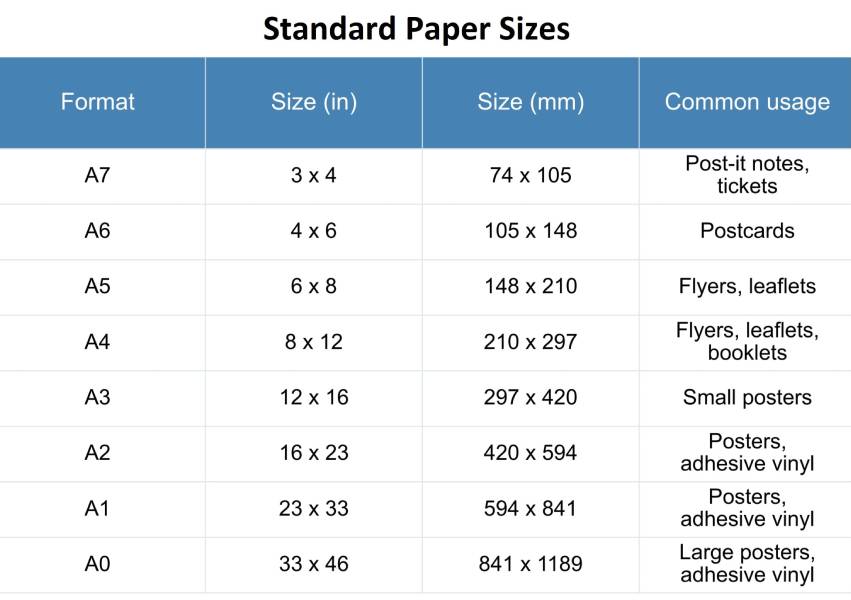
While digital standards are fluid, physical standards are often governed by international paper sizes (such as the ISO A-series) and the physical constraints of printing presses.
The Business Card: The Gold Standard of Networking
Despite the digital revolution, the business card remains a cornerstone of personal branding. The standard size in the United States is 3.5 x 2 inches, while in much of Europe and Asia, the standard is 85 x 55 mm. Deviating from these standard sizes can be a double-edged sword. While a “custom” size card might stand out, it won’t fit into standard cardholders or wallets, potentially leading to it being discarded. A brand strategy must weigh the desire for uniqueness against the utility of standardization.
Large Format Printing and Aspect Ratios
For corporate identity on a grand scale—such as trade show displays or outdoor signage—standard sizes are determined by viewing distance. A logo on a billboard has a different “standard” for stroke weight and letter spacing than a logo on a letterhead. If a brand doesn’t have standards for large-format scaling, the typography may become unreadable or the colors may appear washed out when printed on vinyl or mesh.
Packaging Design: When Standard Meets Custom
In the consumer-packaged goods (CPG) industry, standard sizes are often influenced by shipping logistics and retail shelf space. A brand’s secondary packaging (the boxes that hold the products) must adhere to standard pallet sizes to minimize shipping costs. Within these constraints, the brand identity must be applied in a way that remains visible even when the product is stacked. Designing for “standard size” in packaging is a masterclass in balancing brand aesthetics with industrial efficiency.
Creating a Brand Style Guide for Size and Scale
To maintain these standards, organizations must codify them in a Brand Style Guide. This document serves as the single source of truth for anyone interacting with the brand’s visual assets.
Defining Clear Space and Minimum Sizes
A robust style guide does not just list sizes; it defines the mathematical relationship between elements. It should specify the “X-height”—a standard unit of measurement derived from the logo itself—to determine the mandatory clear space around the mark. By defining clear space as a percentage of the logo’s size rather than a fixed pixel count, the standard remains consistent regardless of how large the logo is scaled.
The guide must also explicitly state the minimum reproduction size for both print and digital. This prevents the brand from being “watered down” in contexts where it cannot be properly represented. If a logo is too complex for a small standard size, the style guide should provide an authorized “small-scale” alternative.
The Grid System: A Framework for Proportion
Standardization is most effective when it is built upon a grid. Whether it is a 12-column grid for a website or a baseline grid for a brochure, grids ensure that the proportions between the logo, the headline, and the body copy remain harmonious. A brand that adheres to a standard grid system feels “architectural” and intentional, projecting a sense of stability and professional excellence.
The Future of Standard Sizes in a Multi-Device World
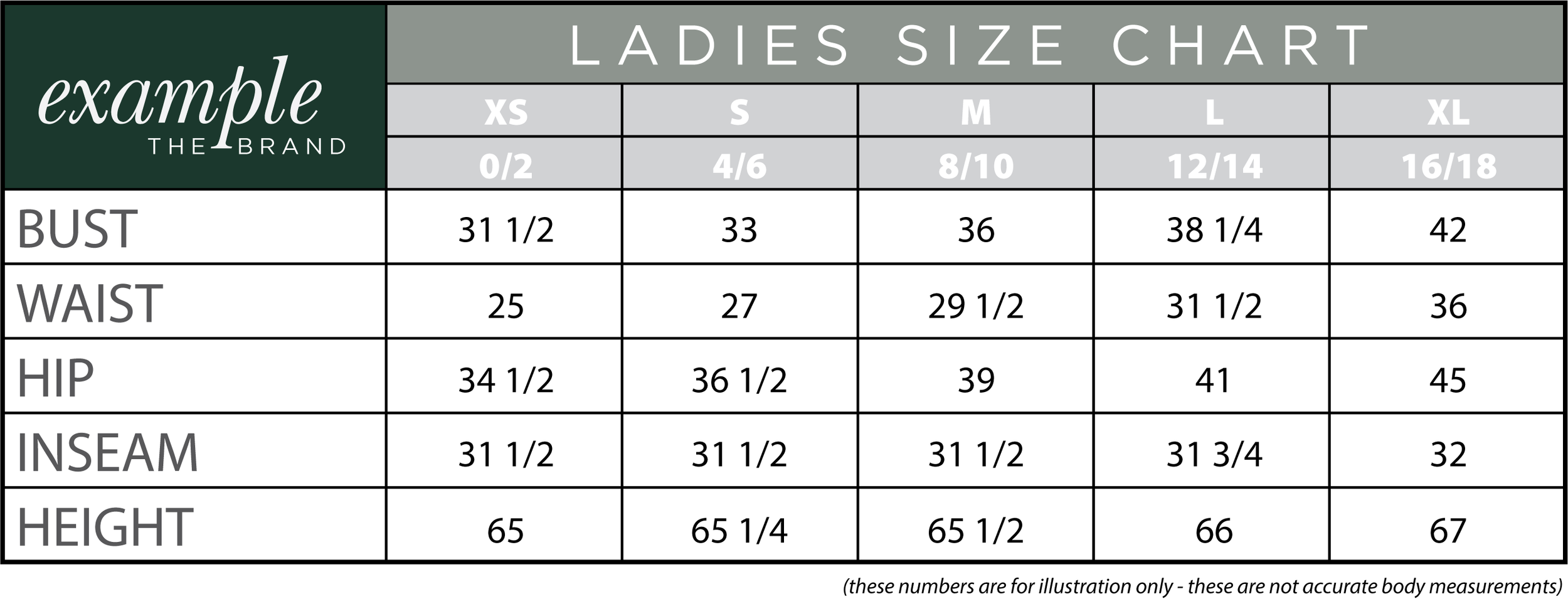
As we move toward an era of augmented reality (AR) and ubiquitous computing, the definition of “standard size” is shifting once again. We are moving away from fixed dimensions toward “fluid” or “algorithmic” standards.
Dynamic Resizing and AI-Driven Layouts
Artificial Intelligence is now being used to automatically resize brand assets for thousands of different ad formats. However, AI can only do this effectively if the original brand assets are built on a foundation of rigorous standards. The brand designers of the future will not just design for one or two standard sizes; they will design “master systems” that can be intelligently adapted to any environment.
In this context, the “standard” becomes the logic behind the brand—the rules of proportion and color that must be preserved, no matter the scale. As the canvas for branding continues to expand and contract, the commitment to these standards will remain the differentiating factor between a fleeting image and a lasting corporate legacy.
aViewFromTheCave is a participant in the Amazon Services LLC Associates Program, an affiliate advertising program designed to provide a means for sites to earn advertising fees by advertising and linking to Amazon.com. Amazon, the Amazon logo, AmazonSupply, and the AmazonSupply logo are trademarks of Amazon.com, Inc. or its affiliates. As an Amazon Associate we earn affiliate commissions from qualifying purchases.