
In the contemporary business landscape, a social media marketing strategy is the comprehensive blueprint that outlines how a brand utilizes social platforms to achieve its broader marketing and communication objectives. It is far more than a simple posting schedule or a collection of aesthetic images; it is a deliberate, data-driven roadmap that aligns a brand’s unique identity with the specific needs and behaviors of its target audience. At its core, a social media strategy acts as a bridge between high-level brand vision and the daily tactical execution required to build awareness, foster community, and drive measurable business results.

For modern organizations, social media is the primary touchpoint for customer interaction. It is where brand personality is humanized and where corporate values are put on display. Without a cohesive strategy, a brand risks appearing fragmented, inconsistent, and out of touch. A well-defined strategy ensures that every piece of content, every reply to a customer, and every advertising dollar spent serves a specific purpose in the grander narrative of the brand’s evolution.
The Foundational Pillars of a Brand-Centric Strategy
Before a single pixel is designed or a caption written, a social media marketing strategy must be anchored in foundational business goals. A brand-centric approach starts with the “why” before moving to the “how.” This requires a deep dive into three critical areas: goal setting, audience segmentation, and competitive positioning.
Defining Strategic Goals and KPIs
A successful strategy begins with the definition of SMART goals—Specific, Measurable, Achievable, Relevant, and Time-bound. For a brand looking to establish its presence, goals might center on “Brand Awareness” (measured by reach and impressions). For an established brand looking to deepen loyalty, the focus might shift to “Engagement” (measured by comments, shares, and saves). Linking these social metrics to actual business outcomes, such as lead generation or customer retention rates, is what transforms social media from a vanity exercise into a powerful marketing engine.
Audience Research and Persona Development
In the realm of brand strategy, knowing your audience is paramount. A social media marketing strategy must identify not just who the target demographic is, but how they behave online. What are their pain points? What kind of humor do they appreciate? Which platforms do they frequent for education versus entertainment? By creating detailed buyer personas, brands can tailor their messaging to resonate on a psychological level, ensuring that the brand voice feels like a natural part of the consumer’s social feed rather than an intrusive advertisement.
Competitive Analysis and Market Positioning
Understanding the competitive landscape allows a brand to identify “white space”—opportunities where competitors are failing to meet audience needs. By auditing the social presence of industry rivals, a brand can determine how to differentiate its voice. This might involve adopting a more transparent, behind-the-scenes approach if competitors are overly polished, or providing deeper educational value if the market is saturated with superficial content.
Crafting a Resonant Brand Identity and Voice
In an era of infinite scroll, the only way to capture attention is through a distinct and consistent brand identity. Social media is the ultimate testing ground for a brand’s personality. A strategy must codify the visual and verbal elements that make the brand instantly recognizable across disparate platforms.
Developing the Verbal Identity and Tone of Voice
A brand’s tone of voice on social media should be an extension of its core values. Is the brand an authoritative mentor, a witty friend, or a disruptive visionary? Defining this tone ensures that whether a post is on LinkedIn or a comment is on TikTok, the “soul” of the brand remains consistent. This verbal identity helps build trust; consumers are more likely to engage with a brand that feels authentic and predictable in its character.
Visual Storytelling and Aesthetic Consistency
Visuals are often the first point of contact between a brand and a user. A social media marketing strategy must establish clear guidelines for photography, videography, color palettes, and typography. This isn’t just about “looking good”; it’s about brand recall. When a user sees a specific color grade or a unique graphic style, they should know it’s your brand before they even see the logo. This visual consistency creates a professional veneer that signals quality and reliability to the audience.
The Power of Brand Narrative
Every post should be a chapter in a larger story. A strategy move beyond transactional posts (“Buy this product”) and toward narrative-driven content (“This is the problem we solve and why it matters”). By weaving a consistent narrative, brands can move users through a journey from discovery to advocacy. This narrative approach helps in humanizing the brand, making it relatable and memorable in a crowded digital marketplace.
Content Architecture and Distribution Strategies

Once the identity is established, the strategy must dictate how that identity is manifested through content. Content architecture refers to the systematic organization of topics and formats that ensure a brand remains relevant without becoming repetitive.
Establishing Content Pillars
Content pillars are 3–5 recurring themes that a brand talks about consistently. For a brand focused on sustainable fashion, pillars might include “Ethical Sourcing,” “Style Tutorials,” “Behind the Scenes of Manufacturing,” and “Customer Spotlights.” These pillars provide a framework that ensures the brand stays “on message.” They prevent the common mistake of posting random content that confuses the audience and dilutes the brand’s authority.
Platform-Specific Optimization
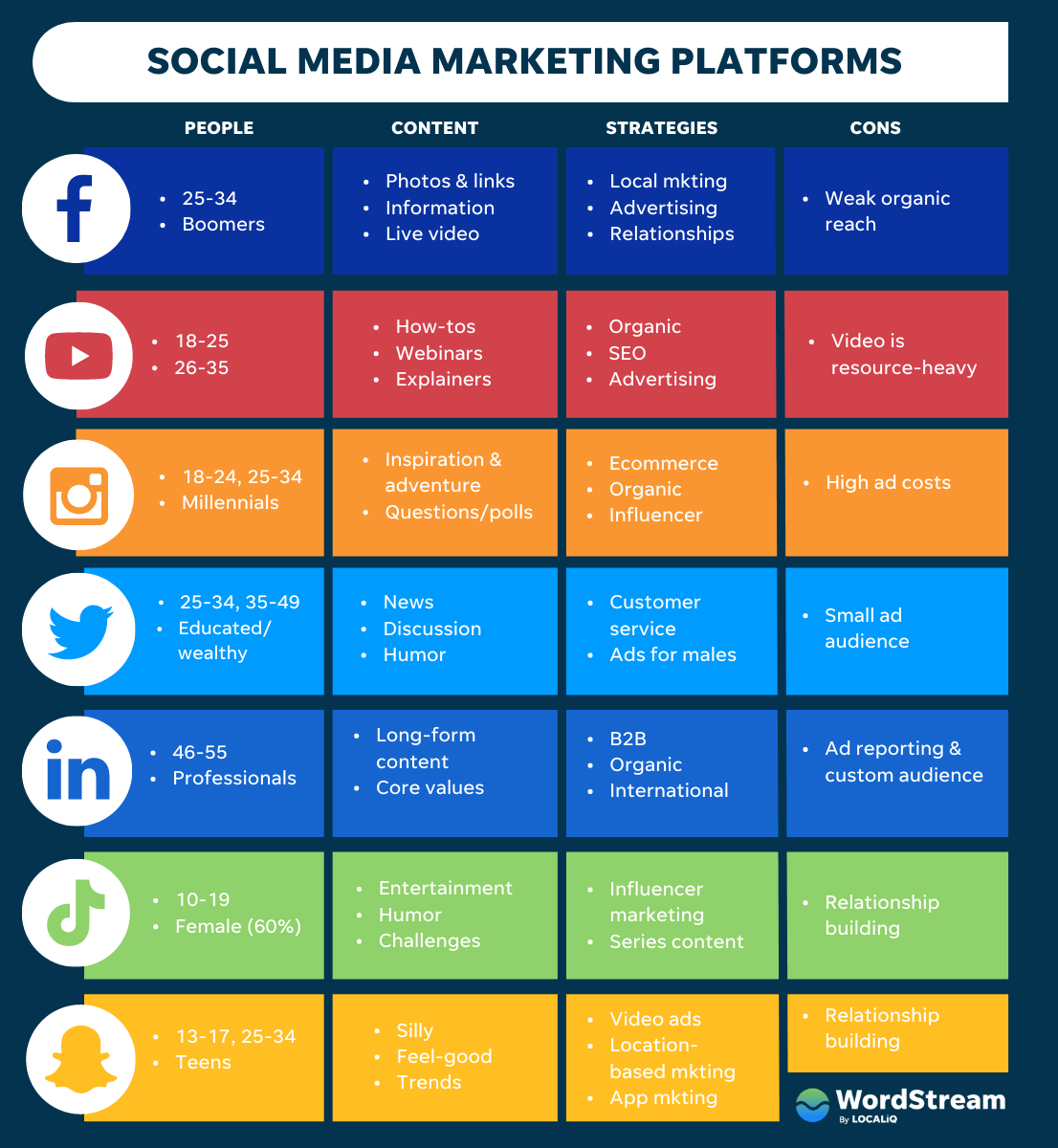
A major component of any strategy is deciding where to play and how to win. Not every brand needs to be on every platform. A professional B2B brand strategy might prioritize LinkedIn and YouTube for long-form thought leadership, while a lifestyle brand might focus on Instagram and Pinterest. Crucially, the strategy must dictate how content is adapted for each medium. Re-posting the exact same video across TikTok, Reels, and Shorts without adjusting for the specific culture and “vibe” of those platforms is a missed opportunity for genuine connection.
The Mix of Organic and Paid Efforts
While organic reach allows for community building, paid social media strategy is often necessary to scale. A robust marketing strategy outlines how paid budgets will be used to amplify high-performing organic content or target specific segments with precision-engineered advertisements. This synergy ensures that the brand is reaching new eyes while simultaneously nurturing its existing followers.
Community Management and the Social Feedback Loop
Marketing is no longer a one-way broadcast; it is a two-way conversation. A social media marketing strategy must include a dedicated plan for community management and social listening. This is where brand loyalty is either won or lost.
Proactive and Reactive Engagement
Engagement isn’t just about responding to complaints. Proactive engagement involves seeking out conversations relevant to the brand’s niche and participating in them authentically. Reactive engagement involves timely, helpful, and on-brand responses to direct tags and comments. This level of interaction shows the audience that there are real people behind the brand, which is essential for building long-term brand equity.
Social Listening as a Market Research Tool
A sophisticated strategy utilizes social listening tools to monitor mentions of the brand, its competitors, and relevant industry keywords. This real-time feedback loop provides invaluable insights into customer sentiment. If a brand notices a recurring pain point mentioned on Twitter, they can address it through their content or even use that data to influence product development. In this way, social media becomes a powerful department for research and development.
User-Generated Content (UGC) and Advocacy
Encouraging and curating user-generated content is a strategic way to build social proof. When customers post about a brand, it carries more weight than the brand’s own advertising. A strategy should outline how to incentivize UGC, how to seek permission to reshare it, and how to turn happy customers into brand ambassadors. This shifts the marketing burden from the brand to its community, creating a self-sustaining ecosystem of advocacy.
Iteration, Analytics, and Long-term Brand Growth
The final, and perhaps most important, aspect of a social media marketing strategy is the process of measurement and refinement. Because the digital landscape and social algorithms are constantly shifting, a strategy must be a living document that evolves based on performance data.
Tracking the Right Metrics
Vanity metrics like “likes” can be misleading if they don’t lead to deeper engagement or conversions. A strategic approach focuses on “meaningful social interactions”—shares, saves, and click-through rates. By analyzing which types of content drive these actions, brands can double down on what works and pivot away from what doesn’t. Monthly or quarterly audits are essential to ensure the strategy remains aligned with the brand’s evolving business goals.
Adapting to Algorithmic Shifts
Social platforms are notorious for changing their algorithms without notice. A brand with a solid strategy is prepared for these shifts. Rather than panicking when organic reach drops, a strategic brand analyzes the new landscape—perhaps the platform is prioritizing short-form video over static images—and adjusts its content architecture accordingly. Agility is a core component of modern brand survival.
The Long-term Vision of Brand Equity
Ultimately, a social media marketing strategy is about building brand equity. It is a long-term investment in how the world perceives and values an organization. By consistently delivering value, maintaining a clear identity, and fostering a vibrant community, a brand can transcend being a mere commodity and become a trusted part of the consumer’s daily life. Success in social media marketing is not found in a single viral moment, but in the disciplined, strategic execution of a vision over time.
aViewFromTheCave is a participant in the Amazon Services LLC Associates Program, an affiliate advertising program designed to provide a means for sites to earn advertising fees by advertising and linking to Amazon.com. Amazon, the Amazon logo, AmazonSupply, and the AmazonSupply logo are trademarks of Amazon.com, Inc. or its affiliates. As an Amazon Associate we earn affiliate commissions from qualifying purchases.