
In the rapidly evolving landscape of health technology, the focus has shifted from reactive medicine to proactive, data-driven optimization. Central to this transition is the precise measurement and analysis of biomarkers that dictate human performance, longevity, and metabolic health. Among these, Sex Hormone Binding Globulin (SHBG) has emerged as a critical metric within the “Bio-Tech” and digital health sectors. While traditionally viewed through a purely clinical lens, the modern understanding of SHBG is now shaped by advanced laboratory software, artificial intelligence, and the burgeoning industry of direct-to-consumer diagnostic platforms.
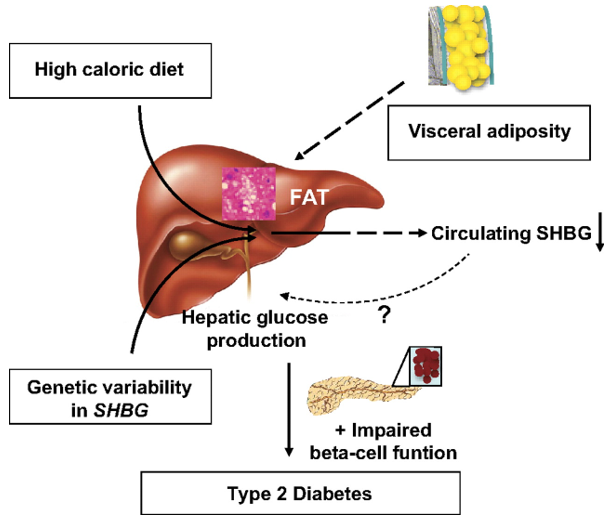
SHBG is a glycoprotein produced primarily in the liver. Its primary function is to transport sex steroids—specifically testosterone, dihydrotestosterone (DHT), and estradiol—throughout the bloodstream. However, from a technical perspective, SHBG acts as a biological “regulator” or a “buffer system” that determines the bioavailability of these hormones. As we integrate more sophisticated health-tracking tools into our daily lives, understanding the technical infrastructure used to measure and interpret SHBG becomes essential for anyone leveraging technology to optimize their biological output.
The Digital Evolution of Hormonal Tracking: Understanding SHBG Through Tech
The measurement of SHBG is no longer confined to static paper reports from a primary care physician. Today, it is a core component of digital health ecosystems that utilize complex algorithms to provide users with a comprehensive view of their hormonal health.
How Diagnostic Software Quantifies Free Hormones
To understand SHBG from a technical standpoint, one must look at the “Free Hormone Hypothesis.” Most hormones in the blood are bound to proteins like SHBG or albumin, leaving only a small percentage—the “free” portion—available to enter cells and trigger biological responses. Modern diagnostic software uses the “Vermeulen Formula” or similar algorithmic models to calculate the Free Testosterone Index (FTI). By inputting the total testosterone concentration and the SHBG level into a digital calculator, the software can provide a more accurate representation of a user’s physiological state than a simple total testosterone reading could offer.
The Algorithms Behind the SHBG Calculation
Advanced health platforms use machine learning to contextualize SHBG data. Because SHBG levels are influenced by a myriad of factors—including insulin levels, liver function, and thyroid activity—software developers are building predictive models. These models don’t just report a number; they analyze the delta (the change over time) against other metadata such as sleep quality recorded by wearables, caloric intake from nutrition apps, and even stress levels tracked via heart rate variability (HRV) sensors. This intersection of proteomic data and wearable telemetry represents the cutting edge of personal health tech.
Next-Gen Lab Tech: Mass Spectrometry and Automated Immunoassays
The accuracy of SHBG data depends entirely on the hardware utilized in the laboratory. The shift from manual processing to high-throughput, automated systems has revolutionized the speed and precision of endocrine testing.
Precision Engineering in Endocrine Testing
The gold standard for measuring molecules like SHBG involves Chemiluminescent Immunoassay (CLIA) and Liquid Chromatography-Tandem Mass Spectrometry (LC-MS/MS). These are not merely chemical processes but feats of precision engineering. Modern mass spectrometers utilize high-resolution sensors and vacuum systems to isolate molecules based on their mass-to-charge ratio. For a tech-forward audience, these machines can be viewed as the “high-performance servers” of the medical world, processing thousands of samples with nanogram-level accuracy.
Integrating Lab Data with Electronic Health Records (EHR)
A significant challenge in health technology has been “data silos”—where information is trapped within a specific lab’s database. The modern tech solution involves the integration of Laboratory Information Management Systems (LIMS) with cloud-based Electronic Health Records (EHR) via secure APIs. This allows for the seamless flow of SHBG data from the physical hardware of a mass spectrometer directly to a patient’s smartphone app. This interoperability is the backbone of the modern telehealth movement, enabling remote doctors to make data-backed decisions in real-time.
The Rise of AI and Predictive Analytics in Hormonal Optimization

As the volume of health data grows, Artificial Intelligence (AI) is being deployed to find patterns in SHBG levels that the human eye might miss. This is particularly relevant in the fields of longevity science and preventative medicine.
Machine Learning for Personalized Health Baselines
Traditional “normal ranges” for SHBG are often too broad to be useful for high-performance individuals. AI tools are now being used to establish “personalized baselines.” By analyzing large datasets from specific demographics—such as high-altitude athletes or software engineers with sedentary lifestyles—AI can determine what an “optimal” SHBG level looks like for a specific individual’s unique digital profile. If an AI detects a sudden spike in SHBG, it can cross-reference this with nutrition logs to suggest that the user might be over-training or under-eating, providing actionable insights before clinical symptoms even appear.
Biohacking Gadgets and Real-Time Data Syncing
The “biohacking” community relies heavily on the “Quantified Self” movement. Startups are currently working on “lab-on-a-chip” technologies that aim to measure biomarkers like SHBG through minimally invasive means, such as interstitial fluid patches. While still in development, the goal is to move from quarterly blood draws to continuous hormonal monitoring. This would allow for a real-time dashboard of one’s internal chemistry, displayed on a smartwatch or tablet, much like one monitors the CPU temperature or RAM usage of a high-end computer system.
Telehealth and Direct-to-Consumer Tech Platforms
The democratization of health data has led to a surge in direct-to-consumer (DTC) testing platforms. These companies are primarily tech firms that happen to operate in the medical space, focusing heavily on User Interface (UI) and User Experience (UX).
The Software Ecosystem of At-Home Testing Kits
When a user orders an at-home hormone panel, they are engaging with a sophisticated logistics and software stack. From the unique QR code on the collection vial to the encrypted portal where results are viewed, the entire process is a masterclass in digital workflow. Companies like InsideTracker or Hone Health use proprietary algorithms to “score” a user’s SHBG levels, providing a gamified experience that encourages users to improve their “InnerAge” or “Performance Score” through tech-enabled lifestyle interventions.
Security and Data Privacy in Genomic and Proteomic Testing
With the collection of sensitive biological data comes the need for robust digital security. Leading health tech firms are employing blockchain technology and end-to-end encryption to ensure that a user’s SHBG and testosterone data remain private. In an era where data is the most valuable commodity, the “Tech” side of SHBG involves building secure architectures that comply with HIPAA and GDPR regulations while still allowing for the data portability that modern users demand.

Future Trends: Wearable Biosensors and the Digital Twin Model
The ultimate frontier for SHBG and other hormonal biomarkers is the “Digital Twin” model. This involves creating a virtual representation of an individual’s physiology based on their genetic, proteomic, and lifestyle data.
Through the use of Digital Twin software, a user could simulate the effects of a new supplement or a change in diet on their SHBG levels before actually implementing the change. This “in silico” testing leverages high-performance computing to predict how the liver’s production of SHBG will react to various stimuli. This allows for a level of precision in health optimization that was previously the stuff of science fiction.
Furthermore, the integration of SHBG data into the broader “Internet of Bodies” (IoB) will likely see smart homes that adjust environmental factors—such as ambient lighting to regulate circadian rhythms or kitchen appliances that suggest protein-to-carb ratios—based on the owner’s current hormonal profile. In this context, SHBG is not just a biological marker; it is a vital data point in the master algorithm of human life.
In conclusion, sex hormone binding globulin is a critical node in the network of human performance. By viewing it through the lens of technology—from the precision of mass spectrometry to the predictive power of AI—we move closer to a future where human health is as programmable and optimizable as the software we use every day. The tech industry’s foray into endocrinology is not just about measuring what is happening; it is about providing the tools to engineer what happens next.
aViewFromTheCave is a participant in the Amazon Services LLC Associates Program, an affiliate advertising program designed to provide a means for sites to earn advertising fees by advertising and linking to Amazon.com. Amazon, the Amazon logo, AmazonSupply, and the AmazonSupply logo are trademarks of Amazon.com, Inc. or its affiliates. As an Amazon Associate we earn affiliate commissions from qualifying purchases.