
In the rapidly evolving landscape of modern technology, the “scientific process” is often mistaken for a concept reserved strictly for laboratories and white-coated researchers. However, in the realms of software development, artificial intelligence, and digital security, the scientific process definition serves as the fundamental engine driving every breakthrough. At its core, the scientific process is a systematic, iterative methodology used to investigate phenomena, acquire new knowledge, or correct and integrate previous knowledge. In a tech context, it is the bridge between a theoretical idea and a functional, scalable solution.
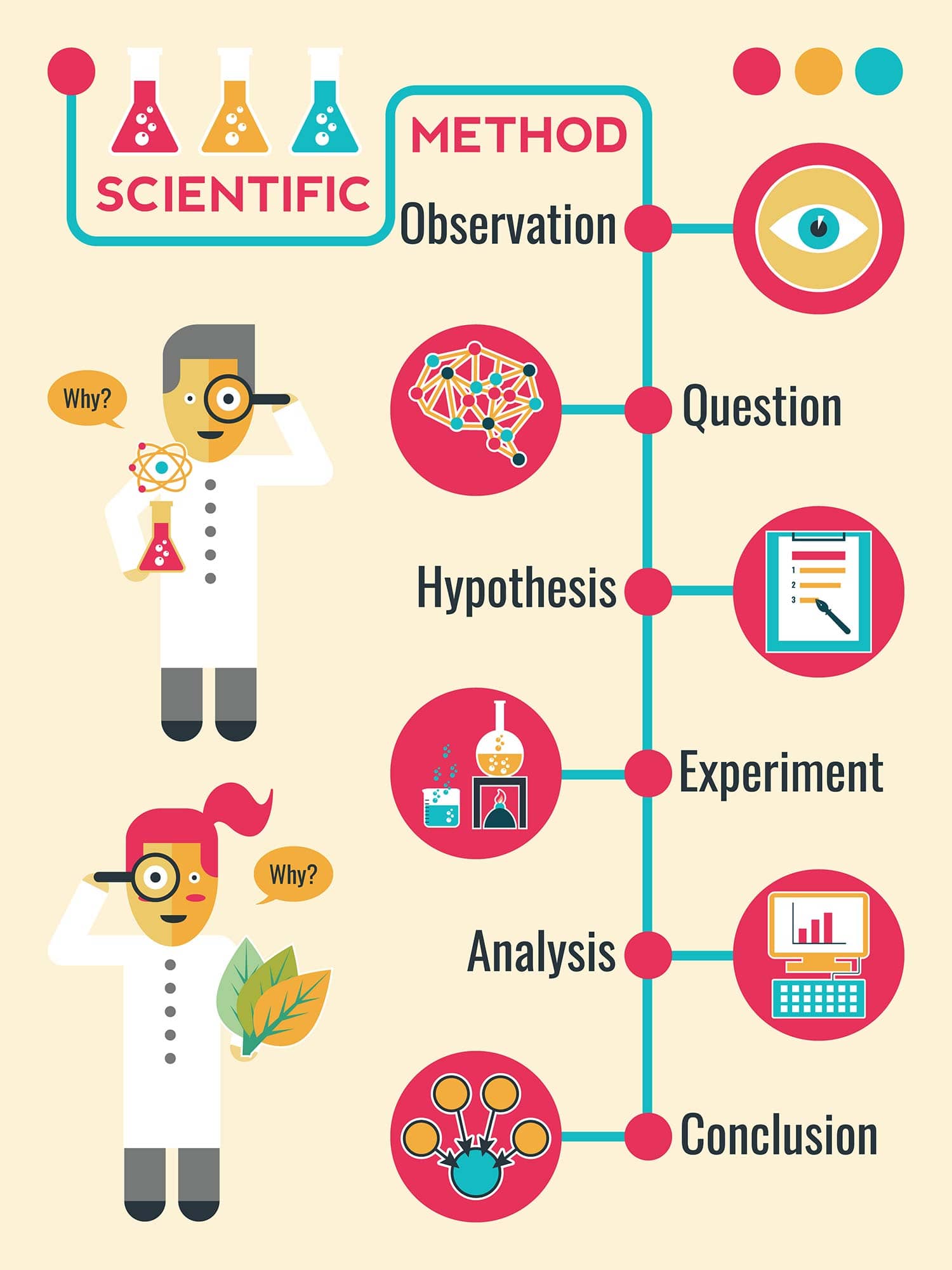
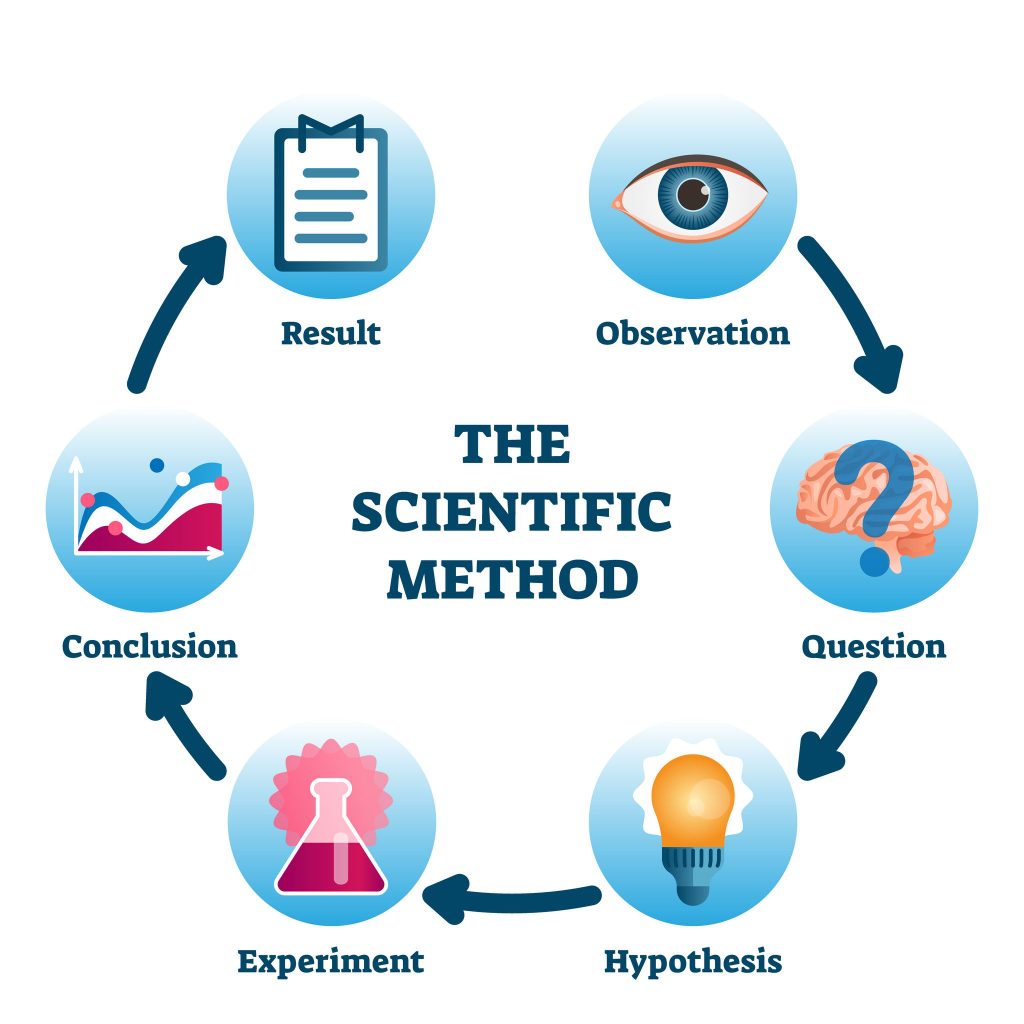
Understanding the scientific process within technology requires looking past the surface of coding and hardware assembly. It involves a rigorous framework of observation, hypothesis formation, experimentation, and analysis. This approach ensures that technical advancements are not the result of mere guesswork but are instead built upon a foundation of empirical evidence and reproducible results. As we delve deeper into the digital age, the marriage of scientific rigor and technological agility has become the gold standard for industry leaders and innovators.
The Framework of the Scientific Process in Software Engineering
Software engineering is frequently described as both an art and a craft, but its most successful practitioners treat it as a science. The scientific process definition, when applied to software, transforms the development lifecycle from a chaotic series of updates into a disciplined progression of improvements.
Observation and Problem Identification
Every technological advancement begins with an observation. In tech, this often takes the form of identifying a bottleneck in a system, a recurring bug in a user interface, or a gap in market functionality. This initial stage is crucial because it defines the scope of the “scientific” inquiry. Developers observe how a system behaves under specific loads or how users interact with a digital tool. Without a precise observation, any subsequent engineering effort lacks direction.
Hypothesis Formation: Designing Technical Solutions
Once a problem is identified, the next step in the scientific process is the formation of a hypothesis. In software terms, a hypothesis is a proposed solution or a new feature designed to address the observed issue. For instance, a developer might hypothesize that “implementing a distributed caching layer will reduce API latency by 40%.” This is a testable, falsifiable statement that sets the stage for experimentation.
Controlled Testing and Experimental Validation
This is where the scientific process becomes most visible in tech. Through A/B testing, unit testing, and integration testing, engineers subject their hypothesis to the rigors of reality. By changing one variable—such as a specific algorithm or a database configuration—and keeping others constant, they can measure the exact impact of their changes. This controlled environment is essential for determining whether the proposed solution actually yields the desired results or if the observed improvements are merely coincidental.
AI and Machine Learning: The Modern Scientific Laboratory
If software engineering is the application of the scientific process, then Artificial Intelligence (AI) and Machine Learning (ML) are its most intense manifestations. The very nature of machine learning is rooted in the scientific process definition, as models are essentially complex hypotheses that are refined through massive amounts of experimental data.
Data Collection as Empirical Observation
In the world of AI, data is the medium of observation. The scientific process begins with the ingestion of vast datasets. Data scientists must observe patterns, biases, and anomalies within this data before a single line of model code is finalized. This stage mirrors the natural historian’s role, cataloging the “behavior” of data to understand the environment in which the AI will operate.
Model Training as the Iterative Experiment
Training an AI model is, by definition, a series of experiments. Every time a scientist adjusts a hyperparameter or changes the architecture of a neural network, they are running a new experiment to see if the model’s accuracy improves. The “loss function” in machine learning acts as the objective metric for these experiments, providing a clear, mathematical indication of how close the hypothesis (the model) is to the truth (the desired output).
Validating Results and Reproducibility
A cornerstone of the scientific process is reproducibility. In AI, this means that another researcher should be able to take the same dataset and the same model architecture and achieve the same results. This has led to the rise of “ModelOps” and version control for data, ensuring that the scientific rigor applied to AI development is documented and verifiable. Without this reproducibility, AI would be a “black box” of magic rather than a reliable branch of technology.
Digital Security and the Scientific Method of Defense
The field of cybersecurity is perhaps one of the most reactive areas of technology, yet it relies heavily on the scientific process to stay ahead of evolving threats. The definition of the scientific process in security is the transition from a defensive posture to a proactive, investigative one.
Threat Modeling and the “Null Hypothesis”
Security professionals use threat modeling to hypothesize potential attack vectors. In this context, the “null hypothesis” might be that the existing firewall and encryption protocols are sufficient to protect sensitive data. The goal of the security researcher is to “reject” this null hypothesis by finding a vulnerability. This mindset ensures that security is never taken for granted and is always subject to scrutiny.
Penetration Testing as Experimental Breach
Penetration testing is the practical application of the scientific process to digital defense. By simulating an attack, security experts conduct an experiment to see if their hypotheses about system vulnerabilities are correct. The results of these tests provide the empirical data needed to patch holes and strengthen the digital perimeter. It is a cycle of constant testing, learning, and refining that mirrors the scientific method’s commitment to continuous improvement.
Forensics and Evidence-Based Analysis
When a breach does occur, the scientific process guides the forensic investigation. Analysts collect digital evidence, form hypotheses about the attacker’s entry point, and test those hypotheses against log files and system artifacts. This rigorous approach is the only way to ensure that the root cause of a security failure is identified and mitigated, preventing future occurrences.
The Convergence of Science and Agility: Iterative Innovation
One of the most significant impacts of the scientific process on the tech industry is the shift toward iterative development models like Agile and DevOps. These methodologies are essentially the scientific process definition translated into a business workflow.
The Feedback Loop and Continuous Improvement
The core of Agile is the “sprint,” which is a time-boxed experiment. At the end of each sprint, the team reviews the results, gathers feedback, and adjusts their “hypothesis” for the next iteration. This creates a continuous feedback loop that allows tech companies to evolve their products in real-time based on actual performance data rather than theoretical assumptions.
Scaling the Process: From Startup to Enterprise
As tech companies grow, the need for a scientific approach becomes even more critical. In a startup, an experiment might affect a few hundred users. In a global enterprise, a failed experiment can impact millions. The scientific process provides the safety net required for large-scale innovation. By utilizing canary deployments and feature flags, companies can run “micro-experiments” on small segments of their user base, gathering data and validating hypotheses before a full-scale rollout.

Ensuring Integrity in an Automated World
As we move toward a future dominated by automation and autonomous systems, the scientific process definition remains the ultimate safeguard. Whether it is a self-driving car algorithm or an automated high-frequency trading bot, these systems must be grounded in a scientific framework that prioritizes safety, reliability, and ethics. The rigor of the scientific method ensures that as our tools become more complex, our understanding of them remains clear and evidence-based.
In conclusion, the scientific process is not just a definition found in textbooks; it is the vital pulse of the technology industry. By embracing the structured path of observation, hypothesis, and experimentation, the tech world continues to turn the “impossible” into the “functional.” From the lines of code in a mobile app to the complex layers of a global cloud infrastructure, the scientific process provides the clarity and discipline necessary to build a future that is not only innovative but also stable, secure, and profoundly impactful.
aViewFromTheCave is a participant in the Amazon Services LLC Associates Program, an affiliate advertising program designed to provide a means for sites to earn advertising fees by advertising and linking to Amazon.com. Amazon, the Amazon logo, AmazonSupply, and the AmazonSupply logo are trademarks of Amazon.com, Inc. or its affiliates. As an Amazon Associate we earn affiliate commissions from qualifying purchases.