
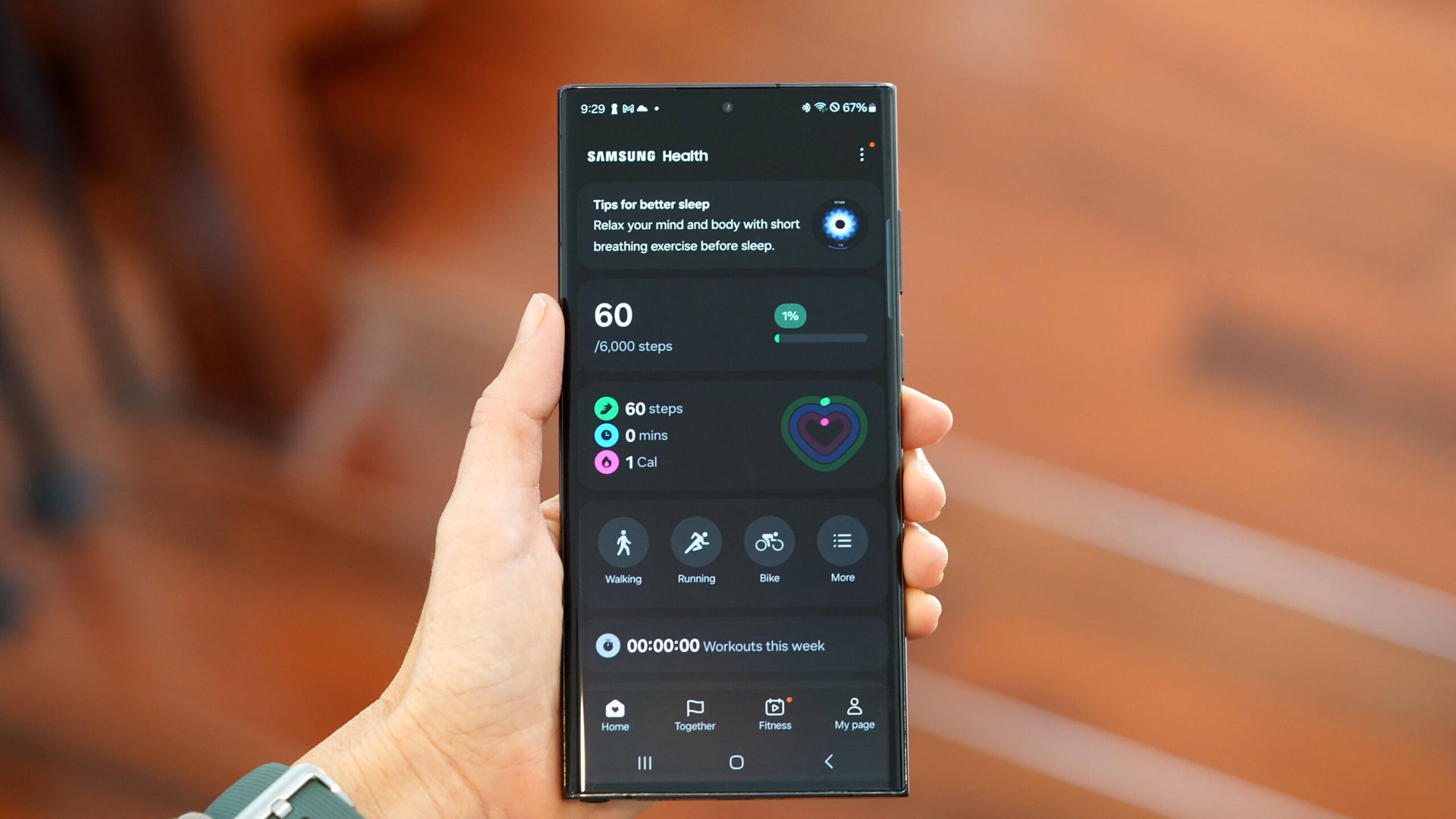
In the rapidly evolving landscape of mobile technology, the focus has shifted from mere connectivity to holistic lifestyle management. At the forefront of this shift is Samsung Health—originally launched as “S Health”—a sophisticated software ecosystem designed to transform your smartphone and wearable devices into a powerful personal health suite. Far more than a simple step counter, Samsung Health represents a complex integration of hardware sensors, data analytics, and cloud-based synchronization that aims to provide a 360-degree view of an individual’s physical and mental well-being.
As we examine what Samsung S Health is today, we must look at it through the lens of digital transformation. It is a central hub where biometrics, activity logs, nutritional data, and sleep patterns converge to offer actionable insights. For tech enthusiasts and casual users alike, understanding the depth of this platform is essential for leveraging the full potential of the modern Galaxy ecosystem.
The Evolution of the Platform: From S Health to a Global Ecosystem
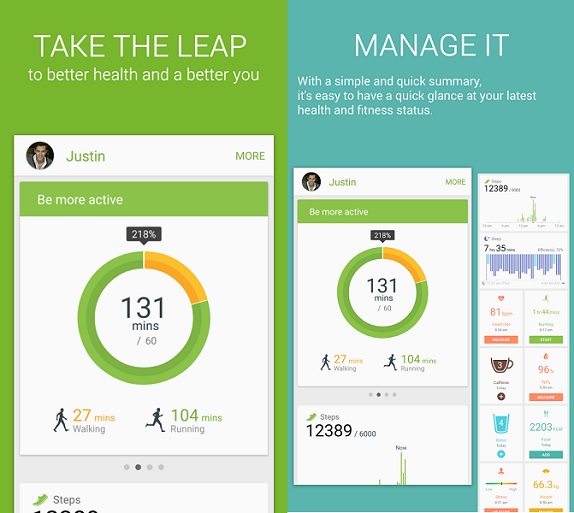
The journey of S Health began in 2012 with the launch of the Samsung Galaxy S3. In its infancy, the application was a relatively straightforward tool, primarily focused on basic fitness tracking and nutrition logging. However, as Samsung’s hardware capabilities expanded, so did the software. With the introduction of dedicated heart rate sensors in the Galaxy S5 and the subsequent rise of the Galaxy Watch series, the app underwent a massive overhaul, eventually being rebranded simply as “Samsung Health” in 2017.
This rebranding was not merely cosmetic. It signaled a shift from a “feature” included with a phone to a “platform” that could exist across multiple devices, including tablets, smartwatches, and even smart televisions. Today, the tech behind the app utilizes a combination of sophisticated algorithms and a wide array of sensors—including accelerometers, barometers, and BioActive sensors—to collect data with medical-grade aspirations.
The transition from S Health to the modern Samsung Health reflects a broader trend in the tech industry: the move toward “proactive health.” Instead of just recording what has happened, the platform now uses machine learning to predict trends and provide coaching, making it a cornerstone of Samsung’s software strategy.
Core Features and Technical Functionality
To truly understand what Samsung Health is, one must dissect its various functional layers. The app serves as a sophisticated data aggregator that processes information from several different sources to create a unified health profile.
Comprehensive Activity Tracking
At its most fundamental level, the platform tracks physical movement. However, the technology involved is far more complex than simple GPS tracking. Samsung Health utilizes “Auto-Detection” algorithms that can identify specific exercises—such as walking, running, cycling, or swimming—without the user having to manually start a workout. This is achieved by analyzing patterns in the accelerometer and gyroscope data to match them against known motion profiles of specific physical activities.
Advanced Biometrics and Body Composition
One of the most significant technological leaps in the Samsung Health ecosystem is the inclusion of BIA (Bioelectrical Impedance Analysis). Available on newer Galaxy Watch models, this feature allows users to measure their body fat percentage, skeletal muscle mass, and body water. By sending a microcurrent through the body, the sensors measure the resistance encountered; since fat, muscle, and bone have different electrical properties, the software can calculate a detailed breakdown of body composition. This type of data was previously only available via specialized medical equipment or high-end smart scales.
Heart Health and Blood Oxygen Monitoring
The app serves as the interface for the PPG (Photoplethysmography) sensors and ECG (Electrocardiogram) capabilities found in Samsung’s wearables. By using light to measure blood flow at the wrist, the tech can monitor heart rate, detect irregular heart rhythms (Afib), and measure SpO2 (blood oxygen saturation) levels. This data is critical for both athletic performance and general health monitoring, providing a digital paper trail that can be shared with healthcare professionals.
The Role of AI and Personalized Insights
In recent years, the integration of Artificial Intelligence (AI) has become the defining characteristic of the Samsung Health experience. The “Galaxy AI” initiative has significantly enhanced how the platform interprets the mountains of data it collects.
Sleep Coaching and Analysis
One of the most technically impressive features of the modern app is its sleep tracking suite. It doesn’t just record how long you slept; it breaks down your sleep into stages: Light, Deep, and REM. By analyzing heart rate variability and snoring patterns (using the phone’s microphone), the app assigns users a “Sleep Animal” profile to represent their habits.
The AI then steps in to provide a multi-week “Sleep Coaching” program. This is a prime example of software moving beyond data collection into behavioral science, utilizing algorithms to suggest lifestyle changes that improve circadian rhythms.
Personalized Fitness and Wellness Recommendations
Using historical data, Samsung Health creates a “Daily Readiness Score.” This metric analyzes recent activity, sleep quality, and resting heart rate to tell the user how hard they should push themselves that day. This level of insight requires sophisticated backend processing, where the app compares current metrics against a personalized baseline to identify deviations that might suggest overtraining or fatigue.
Integration with the Galaxy Ecosystem and Third-Party Tools
A major strength of Samsung Health is its interoperability. In the world of tech, a siloed app is a limited app. Samsung has addressed this by ensuring its health platform acts as a central node in a much larger network.
Wearable Synergy
While the app works on a standalone smartphone, its true power is unlocked when paired with a Galaxy Watch or the newly released Galaxy Ring. These devices provide continuous data streams that a phone, which is often left on a desk or in a pocket, simply cannot capture. The seamless synchronization between the wearable’s Tizen or Wear OS software and the Android-based Samsung Health app ensures that data is updated in real-time.
The Connected Home
Samsung Health has expanded into the smart home via the SmartThings ecosystem. For example, if you are following a workout video on a Samsung Smart TV, your real-time heart rate and calorie burn from your watch can be overlaid on the television screen. This integration of “Screen Tech” and “Health Tech” creates a more immersive and effective home workout environment.
Third-Party API Integration
Recognizing that many users prefer specific apps for certain activities, Samsung Health integrates with a vast array of third-party services. Through the “Health Connect” framework (developed in collaboration with Google), Samsung Health can sync data with Strava, MyFitnessPal, Technogym, and even Calm. This makes it a versatile tool for users who want a centralized dashboard for all their digital health data, regardless of which app generated it.
Data Security and Privacy: The Knox Advantage
When dealing with sensitive biological data, security is the paramount concern. This is where Samsung’s enterprise-grade security platform, Samsung Knox, becomes a critical part of the health tech story.
Samsung Health data is encrypted and protected by Knox, which provides a hardware-backed security layer. Unlike many fitness apps that store data in easily accessible software folders, Samsung utilizes a “Secure Element” to ensure that biometric data is isolated from the rest of the phone’s operating system.
Furthermore, Samsung provides users with granular control over their data. Through the privacy dashboard, users can see exactly which permissions are granted and can choose to sync data locally or to the cloud with two-factor authentication. In an era of frequent data breaches, the technical infrastructure supporting Samsung Health’s privacy is a significant competitive advantage in the mobile wellness market.

The Future: Predictive Tech and the Digital Health Revolution
As we look toward the future of Samsung Health, the focus is clearly on predictive analytics and preventive medicine. The tech is moving toward a model where the app won’t just tell you that you are sick or tired, but will warn you days in advance by detecting subtle changes in skin temperature or heart rate variability.
The expansion into the “Galaxy Ring” form factor suggests a move toward “invisible” tech—health monitoring that requires zero effort from the user. As sensors become smaller and more efficient, and as AI models become more adept at interpreting human biology, Samsung Health is poised to become more than an app. It is evolving into a digital guardian, a constant background process that optimizes human performance through the clever application of software and hardware.
In summary, what began as “S Health”—a simple pedometer—has matured into one of the most sophisticated health-tech platforms on the planet. By combining cutting-edge biometric sensors, deep AI integration, and a secure, expansive ecosystem, Samsung Health represents the pinnacle of how technology can be used to improve the human condition. Whether you are an elite athlete or someone simply looking to improve their sleep, the platform offers a masterclass in how data can be turned into a healthier life.
aViewFromTheCave is a participant in the Amazon Services LLC Associates Program, an affiliate advertising program designed to provide a means for sites to earn advertising fees by advertising and linking to Amazon.com. Amazon, the Amazon logo, AmazonSupply, and the AmazonSupply logo are trademarks of Amazon.com, Inc. or its affiliates. As an Amazon Associate we earn affiliate commissions from qualifying purchases.