
In the landscape of modern retail and healthcare, few entities have managed to bridge the gap between corporate efficiency and clinical reliability as effectively as MinuteClinic. As the medical subsidiary of CVS Health, MinuteClinic represents more than just a walk-in medical center; it is a masterclass in brand strategy, consumer-centric design, and market disruption. By positioning healthcare within the familiar aisles of a retail pharmacy, MinuteClinic has fundamentally altered the way consumers perceive medical accessibility. To understand what MinuteClinic is, one must look past the stethoscope and exam table to examine the sophisticated branding and strategic positioning that have made it a cornerstone of the American healthcare ecosystem.
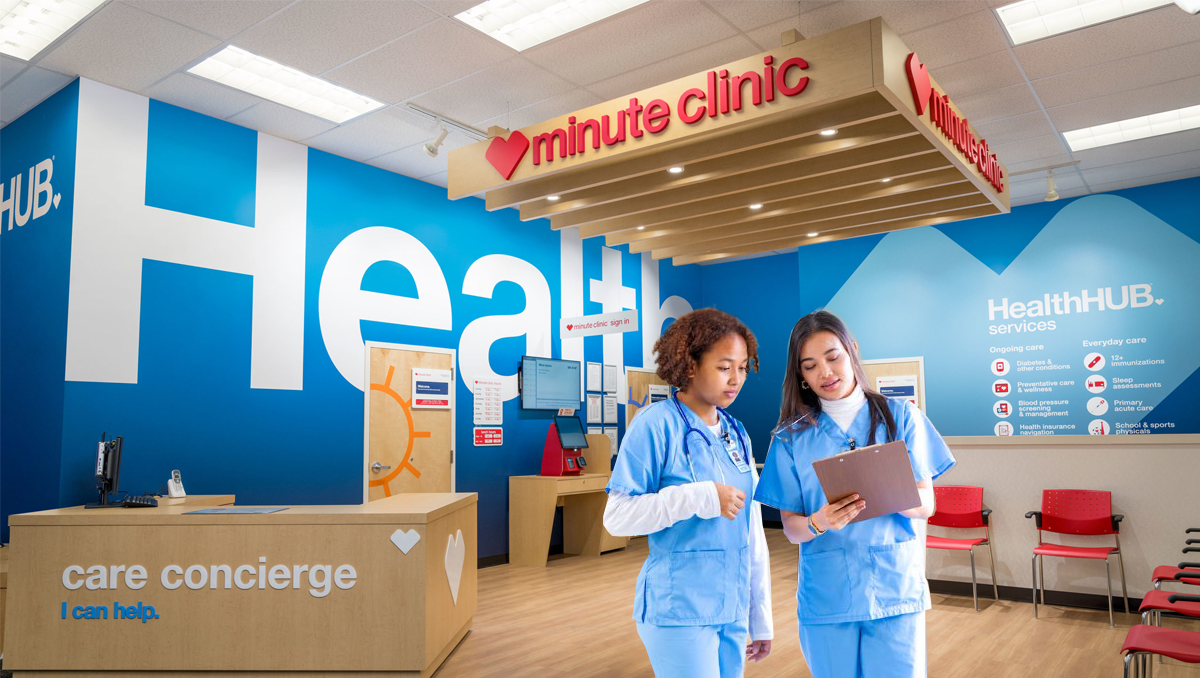
The Birth of Retail Health: A Brand Built on Frictionless Experience
The origin of MinuteClinic is a testament to the power of identifying a market void and filling it with a clear, branded solution. Originally founded in 2000 as QuickMedx, the brand was built on a simple, disruptive premise: providing treatment for common ailments without the need for an appointment or a grueling wait in an emergency room. When CVS Health acquired the company in 2006, they didn’t just buy a series of clinics; they bought a concept that could be scaled to fit a nationwide corporate identity.
From QuickMedx to MinuteClinic: Refining the Identity
The transition from QuickMedx to MinuteClinic was a pivotal branding move. While “QuickMedx” focused purely on the speed of the transaction, “MinuteClinic” implies a professional medical environment while still honoring the brand promise of efficiency. The name itself serves as a dual-purpose marketing tool—it sets expectations for the consumer and differentiates the service from the traditional, often sluggish, primary care model. In the world of brand strategy, this is known as “category ownership.” MinuteClinic didn’t just join the retail health category; it defined it.
The CVS Acquisition: Scaling a Niche Concept into a Global Powerhouse
Under the CVS Health umbrella, the MinuteClinic brand benefited from an established infrastructure and an existing customer base of millions. The integration was strategic: by placing clinics inside CVS Pharmacy locations, the brand leveraged “proximity marketing.” The goal was to make healthcare as convenient as picking up a gallon of milk or a prescription refill. This synergy transformed CVS from a simple retailer into a “health hub,” a move that strengthened the parent brand’s identity as a comprehensive wellness provider rather than a mere convenience store.
The Core Brand Value Proposition: Convenience Over Complexity
At its heart, the MinuteClinic brand is built on the removal of friction. In traditional healthcare, the “customer journey” is often fraught with obstacles: scheduling difficulties, long wait times, and opaque pricing. MinuteClinic’s brand strategy addresses these pain points head-on by prioritizing the consumer’s time and peace of mind.
Meeting the Modern Consumer Where They Live
The geographic strategy of MinuteClinic is a key component of its brand presence. By occupying high-traffic retail corners, the brand remains “top of mind” for consumers. The strategy relies on the psychological principle of availability: when a parent realizes their child has an ear infection at 6:00 PM on a Tuesday, the first brand they think of is the one they see every time they drive to the grocery store. This physical visibility reduces the “cost of search” for the consumer, cementing MinuteClinic as the go-to solution for low-acuity medical needs.
“The Minute” as a Brand Promise: Managing Expectations in Real-Time
One of the most successful aspects of the MinuteClinic brand is its commitment to transparency. Through their website and mobile app, the brand provides real-time wait clocks. This isn’t just a technological feature; it is a brand promise. By digitizing the waiting room and allowing patients to “hold their place in line” from home, MinuteClinic respects the consumer’s time. This level of transparency builds brand equity and trust, as it eliminates the frustration of the unknown—a common grievance in the traditional medical field.
Strategic Brand Integration: The Health Hub Ecosystem
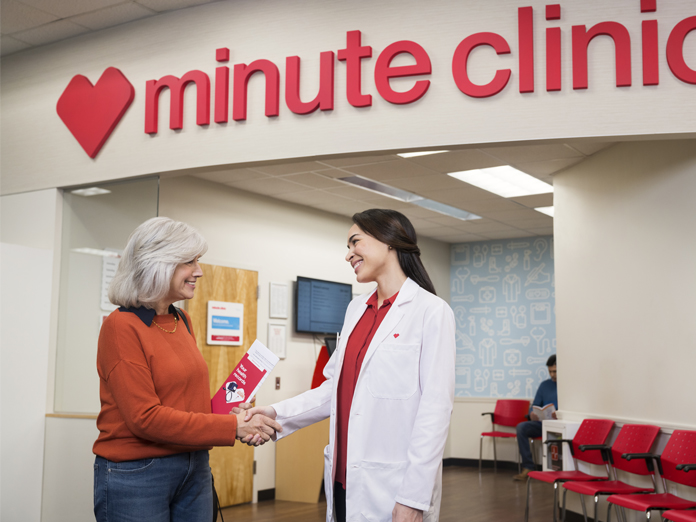
MinuteClinic does not exist in a vacuum. Its success is deeply tied to how it integrates with the broader CVS Health portfolio. This interconnectedness is a prime example of an ecosystem brand strategy, where different services work together to create a seamless experience that encourages brand loyalty.
Leveraging the CVS Retail Footprint
The “store-within-a-store” model is a brilliant piece of environmental branding. When a patient visits a MinuteClinic, they are physically guided through the CVS retail environment. This creates a “halo effect” for both brands. A patient diagnosed with a sinus infection can walk twenty feet to the pharmacy to pick up an antibiotic and another ten feet to the over-the-counter aisle for tissues and saline spray. This convenience creates a “one-stop-shop” identity that is difficult for standalone clinics or traditional hospitals to replicate.
Loyalty and Lifetime Value: The ExtraCare Connection
MinuteClinic further integrates into the CVS ecosystem through the ExtraCare loyalty program. By rewarding health-conscious behaviors and integrating clinic visits into a broader data profile, the brand can offer personalized wellness suggestions. From a brand strategy perspective, this transforms a transactional medical visit into a long-term relationship. The data collected allows the brand to understand seasonal trends and local health needs, enabling more targeted marketing and resource allocation.
Navigating the Trust Gap: Branding Medical Professionalism in Retail
One of the greatest challenges for MinuteClinic was overcoming the skepticism associated with “retail medicine.” To succeed, the brand had to convince the public that convenience did not come at the expense of quality. This required a deliberate and sustained effort to brand their clinical excellence.
Standardizing the Experience: The Power of Uniform Service Delivery
A hallmark of a strong national brand is consistency. Whether you visit a MinuteClinic in Boston or Boise, the experience should be virtually identical. MinuteClinic achieved this through a rigorous standardization of clinical protocols and environmental design. The clean, minimalist aesthetic of the clinics communicates a sense of sterile professionalism, while the standardized training for staff ensures that the brand’s “voice” remains professional, empathetic, and efficient across all touchpoints.
Practitioner-Led Branding: Humanizing the Corporate Clinic
MinuteClinic leans heavily on the expertise of Nurse Practitioners (NPs) and Physician Assistants (PAs). This is a strategic branding choice. By positioning these practitioners as the face of the brand, MinuteClinic highlights a “high-touch” care model. NPs and PAs are often perceived as more accessible and better communicators than traditional physicians. By highlighting the qualifications and bedside manner of their staff, MinuteClinic humanizes its corporate identity, moving from a faceless retail entity to a trusted local care provider.
The Future of the Brand: Digital Expansion and Market Leadership
As the healthcare landscape continues to evolve, the MinuteClinic brand is currently undergoing a digital transformation. The goal is to move beyond the physical walls of the pharmacy and into the pockets of the consumer, ensuring that the brand remains relevant in an increasingly “on-demand” economy.
Virtual Care: Bringing the MinuteClinic Brand into the Home
The introduction of MinuteClinic Virtual Care is the next logical step in the brand’s evolution. By offering video visits, the brand is doubling down on its “convenience” value proposition. In the digital space, the competition is no longer just the local doctor’s office; it is other telehealth giants. To maintain its market share, MinuteClinic leverages its physical presence as a differentiator. The “hybrid” model—where a patient can start a visit online and finish it in person if a physical test is needed—creates a unique brand position that purely digital competitors cannot match.

Competitive Defense: Standing Out in a Saturated Market
Today, the retail health space is more crowded than ever, with competitors like Walgreens and Amazon entering the fray. MinuteClinic’s defense strategy lies in its brand legacy and its deep integration with insurance providers. Most major insurance plans are accepted at MinuteClinic, a result of years of brand-building with payers. This “institutional trust” is a barrier to entry for newer brands. By focusing on its status as an established, reliable, and insurance-friendly option, MinuteClinic maintains its position as the market leader.
In conclusion, MinuteClinic is far more than a convenience. It is a sophisticated brand that has successfully commoditized low-acuity healthcare by focusing on the consumer experience. Through strategic positioning, seamless ecosystem integration, and a relentless commitment to its core promise of “minutes, not hours,” MinuteClinic has not only redefined the pharmacy experience but has set a new standard for how healthcare brands must operate in the 21st century. As it continues to innovate through digital tools and expanded services, the MinuteClinic name remains synonymous with the intersection of modern retail and professional care.
aViewFromTheCave is a participant in the Amazon Services LLC Associates Program, an affiliate advertising program designed to provide a means for sites to earn advertising fees by advertising and linking to Amazon.com. Amazon, the Amazon logo, AmazonSupply, and the AmazonSupply logo are trademarks of Amazon.com, Inc. or its affiliates. As an Amazon Associate we earn affiliate commissions from qualifying purchases.