
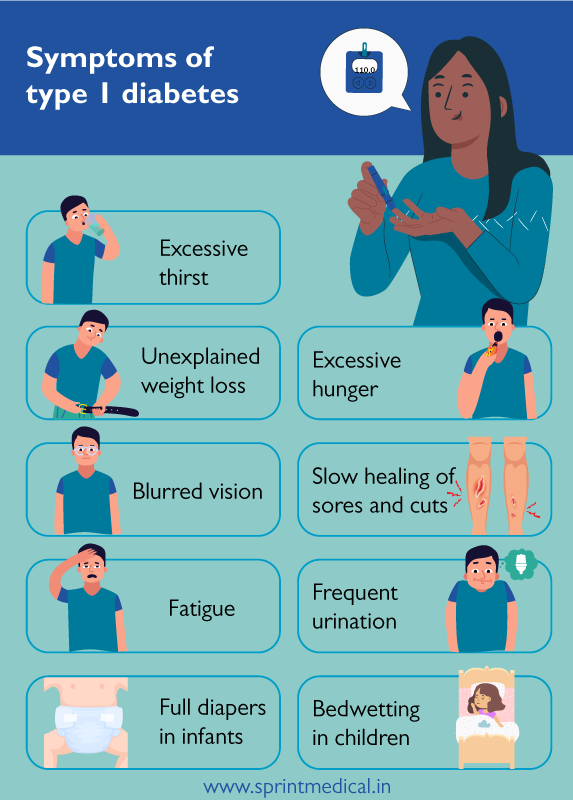
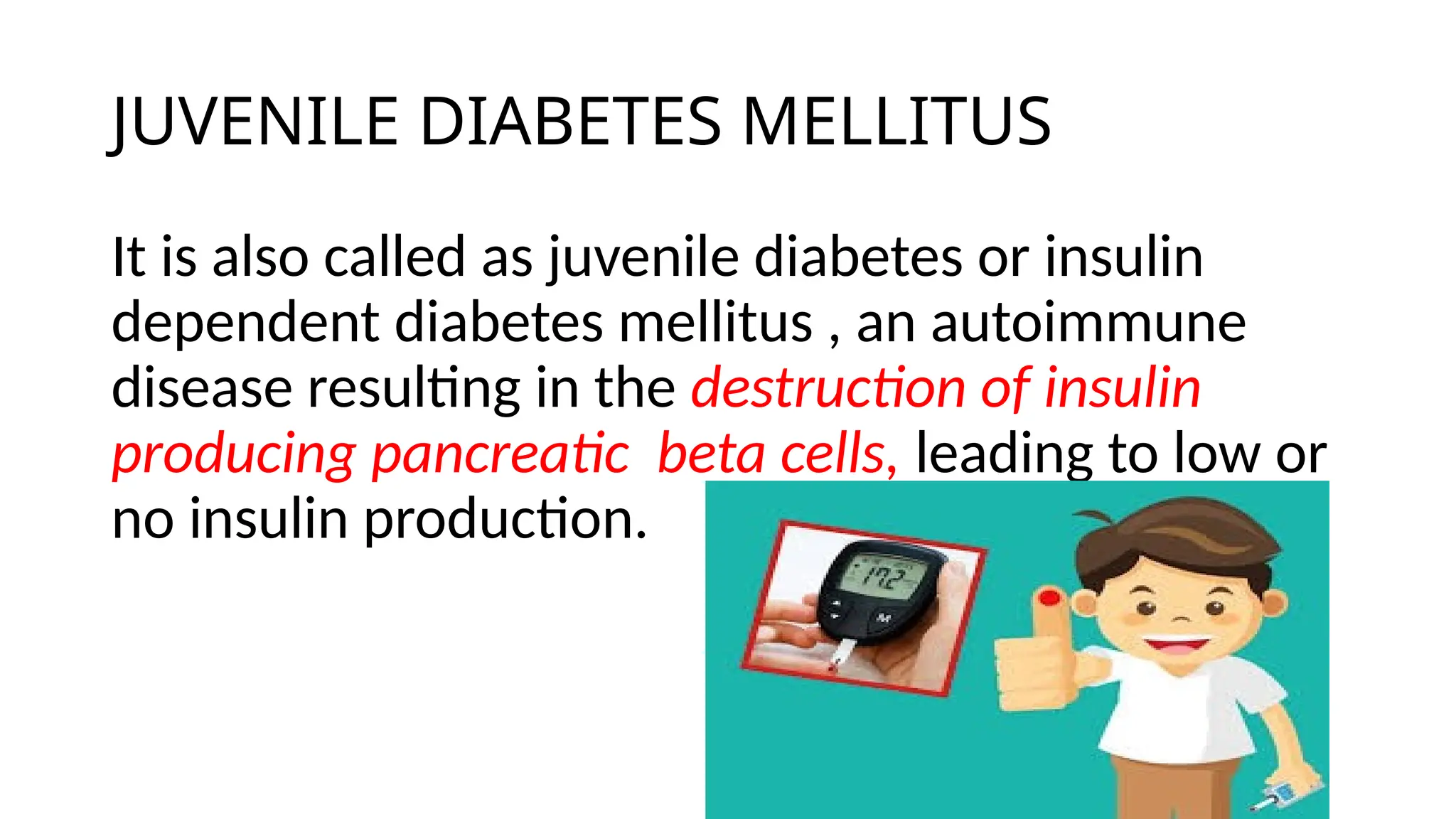
Juvenile diabetes, now more commonly referred to in the medical and technological communities as Type 1 Diabetes (T1D), represents one of the most complex challenges in chronic disease management. At its biological core, it is an autoimmune condition where the pancreas produces little to no insulin. However, in the modern era, the definition of juvenile diabetes has expanded beyond the biological; it is now a condition defined by the cutting-edge technology used to manage it.
For decades, management was a manual, imprecise process involving finger-prick blood tests and scheduled injections. Today, the landscape has been entirely transformed by software engineering, sensor technology, and artificial intelligence. To understand what juvenile diabetes is today is to understand a sophisticated ecosystem of interconnected devices, data analytics, and automated systems that act as an external, digital organ.

The Digital Transformation of Glucose Monitoring
The most significant technological leap in the history of juvenile diabetes management is the move from reactive monitoring to proactive data streaming. For years, the “gold standard” was the glucose meter, a device that required a drop of blood to provide a single data point in time. This left massive gaps in information, particularly during sleep or physical activity.
Continuous Glucose Monitoring (CGM) Systems
Modern management centers on Continuous Glucose Monitoring (CGM). These are wearable sensors that utilize an enzymatic electrode to measure glucose levels in the interstitial fluid just beneath the skin. Unlike traditional meters, CGMs transmit data wirelessly every five minutes to a smartphone or a dedicated receiver.
This technology has shifted the paradigm from “tracking numbers” to “analyzing trends.” Users can now see the rate of change—indicated by directional arrows—allowing them to intervene before a hypoglycemic (low blood sugar) or hyperglycemic (high blood sugar) event occurs. From a technical standpoint, the refinement of these sensors involves complex signal processing to filter out “noise” and ensure that the subcutaneous readings accurately reflect blood glucose levels with minimal lag time.
Integrated Mobile Ecosystems
The software side of CGM technology is equally vital. Apps like Dexcom G6/G7, FreeStyle Libre, and specialized third-party platforms like Sugarmate have turned smartphones into medical hubs. These platforms leverage Bluetooth Low Energy (BLE) to maintain constant connectivity while preserving battery life. Furthermore, cloud-based integration allows for “Follow” features, where parents or caregivers can monitor a child’s glucose levels in real-time from miles away. This remote monitoring capability is a cornerstone of digital health, providing a safety net that was technologically impossible twenty years ago.
Smart Insulin Delivery and Hardware Innovation
While monitoring provides the data, the delivery of insulin provides the solution. The hardware used to administer insulin has evolved from simple plastic syringes to high-precision robotic devices known as insulin pumps.
The Engineering of Insulin Pumps
Modern insulin pumps are essentially small, wearable computers programmed to deliver precise amounts of insulin. They operate on two levels: basal delivery (a constant, low-level drip to maintain stability) and bolus delivery (larger doses to cover carbohydrates in meals).
Current market leaders, such as Tandem’s t:slim X2 and the tubeless Omnipod 5, are masterpieces of micro-fluidics and durable hardware design. These devices must be rugged enough to withstand daily life—including moisture, impact, and temperature fluctuations—while maintaining a precision level that can deliver increments as small as 0.025 units of insulin.
Smart Pens and MDI Technology
For those who prefer Multiple Daily Injections (MDI) over a wearable pump, “Smart Pens” have bridged the tech gap. These devices, such as the Medtronic InPen, use integrated sensors to track the timing and dosage of every injection. They sync via Bluetooth to an app that calculates recommended doses based on current glucose readings and “insulin on board” (active insulin from previous doses). This ensures that even manual treatment methods are supported by a digital logbook, reducing the risk of “stacking” insulin, which can lead to dangerous drops in blood sugar.
The Rise of Artificial Intelligence and Automated Insulin Delivery (AID)
The most exciting frontier in juvenile diabetes tech is the convergence of monitoring and delivery into a single, automated loop. This is often referred to in tech circles as the “Artificial Pancreas.”
Closed-Loop Algorithms
Automated Insulin Delivery (AID) systems use sophisticated algorithms to allow the CGM and the insulin pump to “talk” to one another. Using a mathematical model known as Proportional-Integral-Derivative (PID) control or Model Predictive Control (MPC), the system predicts where glucose levels will be in 30 to 60 minutes and adjusts insulin delivery accordingly.
If the algorithm predicts a low, it throttles back or pauses insulin. If it predicts a high, it increases the basal rate. This removes a significant portion of the cognitive load from the user, automating the hundreds of micro-decisions previously required every day. The technological sophistication here lies in the algorithm’s ability to account for variables like insulin sensitivity, which can change based on stress, illness, or hormones.
The DIY “Loop” Movement and Open-Source Innovation
One of the most unique aspects of juvenile diabetes technology is the “We Are Not Waiting” movement. Frustrated by the slow pace of regulatory approval for closed-loop systems, a community of software engineers and patients developed their own open-source solutions.
Programs like OpenAPS and Loop allow users to build their own automated systems using older, “hackable” insulin pumps, CGMs, and small bridge devices like the RileyLink. This movement represents a landmark in medical history where citizen-led software development pushed the entire industry forward, forcing commercial manufacturers to accelerate their own research and development to keep pace with the open-source community’s innovations.
Data Analytics and Predictive Modeling
Beyond the daily mechanics of sensors and pumps, the future of juvenile diabetes management lies in “Big Data” and predictive analytics.
Population Health and Pattern Recognition
Platforms like Glooko and Tidepool serve as data aggregators, pulling information from dozens of different devices into a single interface. For healthcare providers, this allows for high-level pattern recognition. Machine learning models can analyze months of data to identify specific times of day or activities where a patient consistently struggles.
These platforms use data visualization tools—such as heat maps and overlay graphs—to turn thousands of individual data points into actionable insights. In a clinical setting, this means that consultations are no longer based on a patient’s memory or handwritten logs, but on objective, audited data sets.
The Role of AI in Early Diagnosis
Artificial intelligence is also being deployed to identify the onset of juvenile diabetes before symptoms become critical. By analyzing electronic health records and genetic markers, AI tools can identify children at high risk for the condition. Early detection allows for the implementation of new immunotherapies that can delay the destruction of insulin-producing cells, effectively using technology to extend the “honeymoon phase” of the disease and improve long-term outcomes.
Security, Privacy, and the Future of Diabetes Tech
As juvenile diabetes management becomes increasingly digitized, the industry is facing new challenges regarding cybersecurity and data privacy.
Protecting the Medical IoT
Insulin pumps and CGMs are part of the Internet of Medical Things (IoMT). Because these devices can be controlled remotely via smartphone apps, they are theoretically susceptible to “medjacking” or unauthorized access. Manufacturers are now employing enterprise-grade encryption and rigorous firmware security protocols to ensure that the communication between a pump and a sensor cannot be intercepted or manipulated.
The Path Toward Bio-Convergence
Looking forward, the tech niche of juvenile diabetes is moving toward bio-convergence—the blurring of lines between biological systems and digital tech. Research is currently underway on “smart insulin” molecules that activate only when glucose levels are high, and encapsulated cell therapies that use bio-engineered scaffolds to protect implanted insulin-producing cells from the immune system.
Furthermore, the integration of wearable tech with augmented reality (AR) could soon allow patients to scan a plate of food and have an AI-driven vision system instantly calculate the carbohydrate count and communicate that data to their insulin pump.
Conclusion: A Condition Defined by Innovation
What is juvenile diabetes? In the 21st century, it is a condition managed at the intersection of biology and bitrates. It is no longer just a medical diagnosis; it is a lifestyle integrated with high-performance hardware, real-time data streaming, and automated decision-making software. As AI continues to evolve and sensors become more non-invasive, the burden of juvenile diabetes will continue to shift from the human mind to the silicon chip, bringing us closer to a future where the “management” of the disease is almost entirely invisible.
aViewFromTheCave is a participant in the Amazon Services LLC Associates Program, an affiliate advertising program designed to provide a means for sites to earn advertising fees by advertising and linking to Amazon.com. Amazon, the Amazon logo, AmazonSupply, and the AmazonSupply logo are trademarks of Amazon.com, Inc. or its affiliates. As an Amazon Associate we earn affiliate commissions from qualifying purchases.