
For over two decades, the name Tom Brady was synonymous with late-game heroics, unparalleled discipline, and the pursuit of Super Bowl rings. However, since his official departure from the gridiron, the narrative surrounding the legendary quarterback has shifted from yardage and touchdowns to a complex, multi-layered masterclass in personal branding and corporate strategy. What is happening with Tom Brady today is not a quiet retirement, but rather the systematic construction of a multi-billion-dollar enterprise that seeks to redefine how athletes transition into the world of business and media.

The “Brady Brand” is no longer just a collection of endorsements; it is a sophisticated ecosystem of lifestyle products, media properties, and institutional investments. By analyzing his recent moves through the lens of brand strategy, it becomes clear that Brady is executing a blueprint designed to ensure his relevance—and his revenue—remains at a peak for decades to come.
The Pivot from Gridiron Greatness to Brand Dominance
The transition from a professional athlete to a business mogul is a path many have attempted, but few have mastered with the surgical precision of Tom Brady. The “retirement” phase of his career was not merely a conclusion of his physical performance but a strategic pivot aimed at reclaiming his identity.
Redefining the “Retirement” Narrative
In the world of personal branding, the exit strategy is just as important as the entry. Brady’s retirement was a protracted affair, marked by a brief departure and a subsequent return, which served an unintended but effective branding purpose: it highlighted his scarcity and high market value. When he finally stepped away for good, he didn’t just vanish; he launched into a pre-planned phase of brand consolidation.
By controlling his own announcement through his social media channels and his “Let’s Go!” podcast, Brady bypassed traditional media gatekeepers. This allowed him to maintain “brand voice” integrity, ensuring that the message of his transition was professional, sentimental, and focused on his future ventures rather than his past statistics.
The Masterclass in Reputation Management
Post-retirement, Brady has faced the challenge of maintaining a “winning” persona without the weekly proof of a scoreboard. To combat this, his brand strategy has focused on the “High-Performance” lifestyle. Whether he is discussing his diet, his sleep habits, or his training regimen, every public appearance reinforces the idea that Tom Brady is a standard-bearer for excellence. This reputation management is crucial because it allows him to command premium prices for his products and partnerships; he isn’t selling a product so much as he is selling the “Brady Standard.”
The Fox Sports Deal: Monetizing Authority and Presence
Perhaps the most visible aspect of what is happening with Tom Brady is his massive 10-year, $375 million deal with Fox Sports. While many see this as a simple career change into broadcasting, from a brand strategy perspective, it is a move to secure “Airtime Equity.”
Brand Voice in a New Medium
In the media landscape, visibility is the primary currency. By entering the broadcast booth, Brady ensures that he remains the face and voice of the NFL’s biggest games every Sunday. This deal is a strategic masterstroke because it keeps him in the living rooms of millions of viewers, preventing the “brand decay” that often happens to athletes once they stop playing.
His role at Fox is not just about analyzing plays; it is about establishing himself as the ultimate authority in the sport. For his personal brand, this transition moves him from being a “subject of the news” to the “authoritative source of the news.” This shift is vital for long-term brand longevity, as it positions him as a statesman of the game.
The High Stakes of Intellectual Property
The Fox deal also serves as a platform for his other ventures. When Brady speaks, the audience is reminded of his discipline and his “Method.” This creates a halo effect for his apparel line, his supplements, and his production company, Religion of Sports. The synergy between his media presence and his product lines creates a self-sustaining marketing loop that requires very little traditional advertising spend.
The Brady Brand Ecosystem: From TB12 to BRADY
In 2024, the internal structure of Brady’s business empire underwent a significant reorganization. The merger of his TB12 nutrition and fitness brand with his BRADY apparel line under the umbrella of Nobull—a high-growth training brand—signifies a shift from niche lifestyle products to a unified, scalable corporate identity.
Wellness as a Scalable Identity
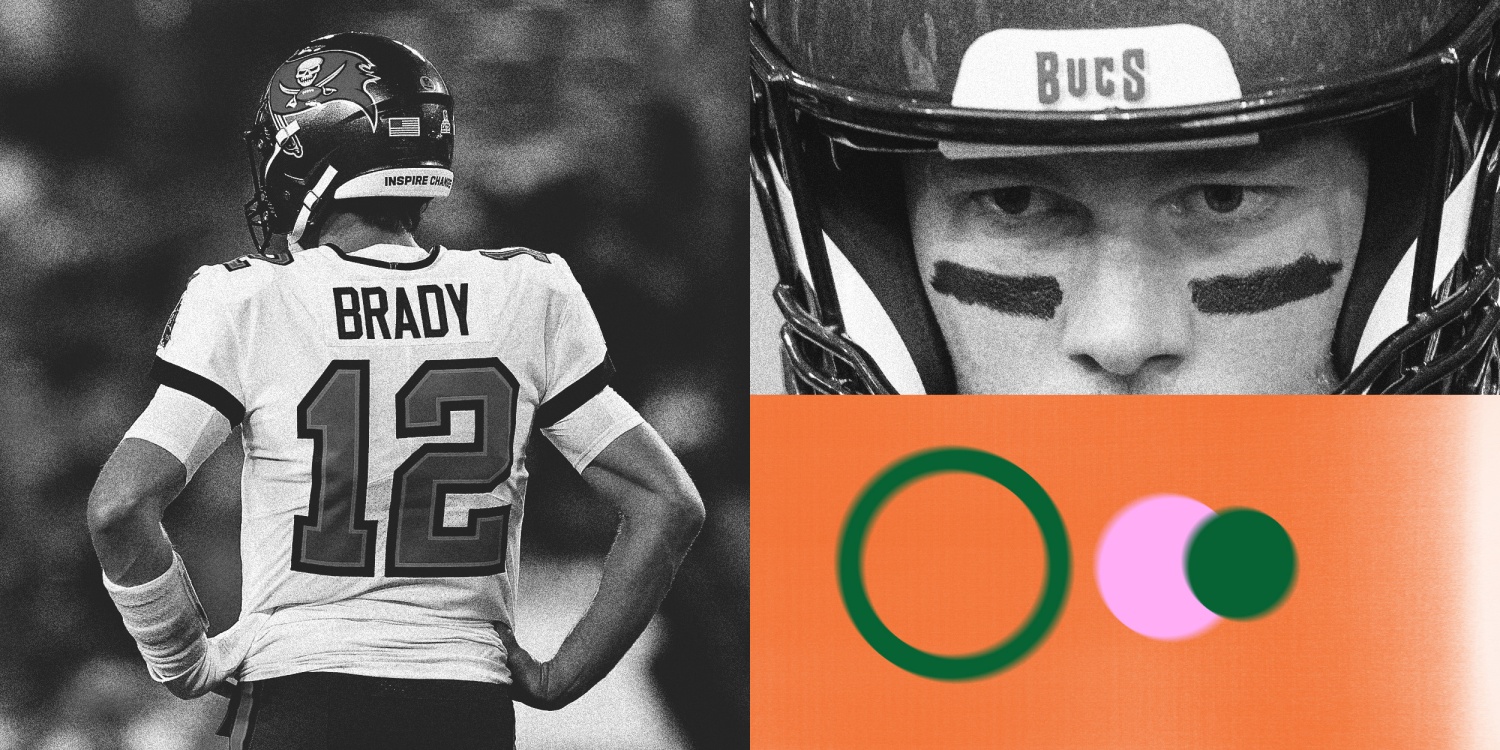
The TB12 brand was built on the “TB12 Method,” a lifestyle philosophy centered around pliability, holistic nutrition, and mental toughness. While highly successful, it was deeply tied to Brady’s personal physical performance. By merging these entities and taking an ownership stake in Nobull, Brady is transitioning his brand from a “personality-led” model to a “corporate-led” model.
This move allows the brand to exist independently of his daily involvement. It is a classic move in brand strategy: taking the DNA of an individual and distilling it into a set of corporate values that can be applied to footwear, apparel, and gyms globally.
Consolidation and Strategic Partnerships
What we are seeing now is the pruning of the Brady portfolio. Instead of having dozens of disparate endorsements, Brady is focusing on “fewer, bigger, better” partnerships. By aligning with brands like Delta Air Lines as a “long-term strategic adviser,” he is moving away from being a “pitchman” and toward being a “corporate partner.” This elevates his brand status from a celebrity endorser to a business strategist, which appeals to a completely different demographic: the C-suite and high-net-worth investors.
The Owner’s Suite: Investing in Institutional Brand Equity
The most significant development in what is happening with Tom Brady is his aggressive move into sports ownership. Brady has recently acquired stakes in the Las Vegas Raiders (NFL), the Las Vegas Aces (WNBA), and Birmingham City FC (English Football League).
Diversification Across Sports Leagues
Ownership is the ultimate “power move” in personal branding. It shifts the individual from being an asset of a league to being a stakeholder in the league itself. By diversifying his investments across different sports and geographies (the NFL in the US and football in the UK), Brady is hedging his brand equity. He is no longer just an American football icon; he is a global sports tycoon.
His involvement with Birmingham City FC, in particular, shows a desire to apply the “Brady Brand” of winning to a struggling franchise. This provides a compelling narrative for his brand: the turnaround artist who brings the “champion’s touch” to any organization he joins.
Transitioning from Asset to Stakeholder
In the hierarchy of branding, the “Owner” tier is the highest level of prestige. It suggests wealth, influence, and a long-term vision. For Brady, ownership is the bridge that connects his past as a player to his future as a billionaire mogul. It provides him with a seat at the table where the most important decisions in the sports world are made, ensuring that his influence on the industry will continue for the next fifty years.
Lessons in Long-Term Personal Branding Strategy
What is happening with Tom Brady serves as a blueprint for any professional or brand looking to pivot and scale. His strategy is built on three pillars that are applicable far beyond the world of sports.
Consistency and the “Winning” Ethos
At the core of the Brady brand is a single, unwavering message: Excellence through discipline. Whether he is talking about a software investment or a workout routine, this core value remains consistent. In brand strategy, consistency is the foundation of trust. Because the public trusts Brady’s commitment to excellence, they are willing to follow him into new, unrelated ventures. He has effectively “branded” the concept of winning itself.
Future-Proofing the Legacy
Brady is aware that a brand based solely on past achievements will eventually face diminishing returns. By constantly reinventing his role—from player to broadcaster to owner to wellness mogul—he ensures that he is always associated with the “current” and the “next.”
He is not resting on his seven Super Bowl rings; he is using them as the social proof required to enter new markets. This is a vital lesson in brand evolution: use your past success as a platform, not a destination.

The Power of High-Value Associations
Finally, Brady is meticulous about the company he keeps. From his partnership with billionaire Michael Rubin to his advisory roles with major corporations, he surrounds his brand with other high-value entities. This creates a “luxury by association” effect. By positioning himself alongside industry leaders, he ensures that his brand is perceived as being in the same league as the world’s most powerful corporate identities.
In conclusion, what is happening with Tom Brady is the deliberate, calculated transformation of an athlete into an institutional brand. He is no longer just a person; he is a philosophy of performance and a diversified portfolio of high-value assets. Through strategic media deals, corporate consolidation, and institutional ownership, Brady is proving that the greatest “comeback” of his career isn’t on the field—it’s in the boardroom.
aViewFromTheCave is a participant in the Amazon Services LLC Associates Program, an affiliate advertising program designed to provide a means for sites to earn advertising fees by advertising and linking to Amazon.com. Amazon, the Amazon logo, AmazonSupply, and the AmazonSupply logo are trademarks of Amazon.com, Inc. or its affiliates. As an Amazon Associate we earn affiliate commissions from qualifying purchases.