
Navigating the intersection of legislative action and financial markets requires more than just a cursory glance at the headlines. For investors, business owners, and individuals focused on personal finance, the movements within the halls of Congress are not merely political theater; they are leading indicators of economic shifts. Today’s congressional landscape is defined by a complex interplay of fiscal policy, tax reform debates, and regulatory oversight that directly affects how capital is allocated and how wealth is preserved. Understanding the specific legislative items currently under deliberation provides a roadmap for anticipating market volatility and identifying emerging opportunities in the financial sector.
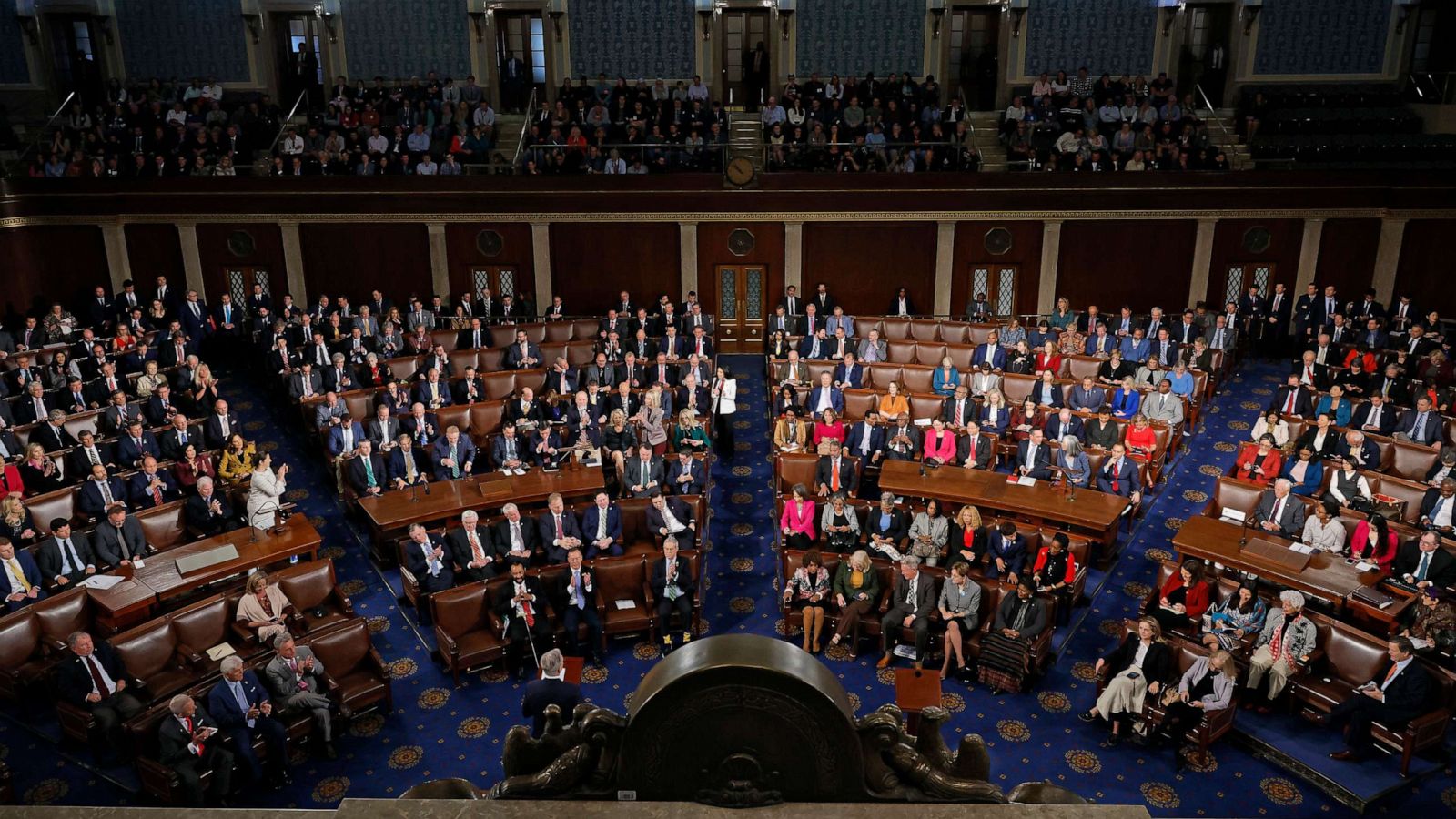
Fiscal Policy and the Macroeconomic Horizon
At the heart of the current congressional session is the persistent challenge of federal spending and the budgetary process. The mechanics of how Congress funds the government has direct consequences for the bond market, interest rates, and the broader inflationary environment.
The Dynamics of Federal Spending and Deficit Management
Current debates surrounding appropriations bills and continuing resolutions serve as a primary driver of market sentiment. When Congress struggles to pass a comprehensive budget, the resulting uncertainty often leads to a “risk-off” sentiment among institutional investors. For the individual investor, this manifests as increased volatility in equity markets and fluctuations in Treasury yields. The ongoing discussion regarding the national debt ceiling—though often settled at the eleventh hour—remains a critical point of focus for those managing fixed-income portfolios. Any perceived instability in the creditworthiness of the United States can lead to a fundamental repricing of risk globally.
Infrastructure Investment and Sector-Specific Growth
Beyond the high-level budget battles, specific spending packages currently being implemented or debated are fueling growth in targeted sectors. Legislation focused on domestic manufacturing, renewable energy, and infrastructure provides a long-term tailwind for industrial and technology stocks. For those looking at side hustles or new business ventures, these federal allocations often trickle down into state-level grants and private-sector contracts, creating a fertile ground for entrepreneurship in specialized niches like green tech and logistics.
Tax Legislation: Reshaping the Landscape for Businesses and Families
Tax policy is perhaps the most direct way Congress influences personal and business finance. Today, several key legislative initiatives are aimed at altering the tax code to incentivize specific economic behaviors, with significant implications for tax planning and net income.
Corporate Tax Incentives and R&D Credits
A major point of contention and interest for business finance professionals is the treatment of Research and Development (R&D) expenses. Recent shifts in how these expenses must be amortized versus deducted in a single year have fundamentally changed the cash flow profiles of tech-heavy enterprises and startups. Congress is currently weighing a return to immediate expensing, a move that would provide a massive liquidity boost to the innovation sector. For investors, the resolution of this issue is a key factor in valuing growth-oriented companies that reinvest heavily in their own intellectual property.
The Evolution of the Child Tax Credit and Household Liquidity
On the personal finance front, the expansion of the Child Tax Credit remains a recurring theme in legislative negotiations. For the average American family, these changes are not just policy points—they are shifts in monthly disposable income. Financial advisors are closely monitoring these developments to help clients adjust their withholding and savings strategies. From a broader economic perspective, increased credits tend to boost consumer spending, providing a short-term lift to the retail and consumer discretionary sectors.
Impact on High-Net-Worth Planning and Capital Gains
Discussions around the sunsetting of certain provisions from previous tax acts are also at the forefront. As Congress debates the future of estate tax exemptions and capital gains rates, high-net-worth individuals are increasingly looking toward sophisticated financial tools and trusts to shield assets. The potential for a higher capital gains tax rate remains a perennial “boogeyman” for the markets, often leading to strategic sell-offs or “tax-loss harvesting” as investors look to lock in current rates before a policy shift occurs.
Financial Regulation and the Oversight of Emerging Assets

The regulatory environment is undergoing a period of rapid transformation as Congress seeks to modernize laws written for an analog era to fit a digital-first financial world. This oversight extends from traditional banking to the frontiers of decentralized finance.
Crypto Legislation and the Quest for Market Clarity
One of the most active areas of congressional interest today involves the regulation of digital assets and stablecoins. For years, the crypto market has operated in a legal gray area, leading to significant volatility and institutional hesitation. Current bills under review aim to define which assets fall under the jurisdiction of the SEC versus the CFTC. For the “online income” enthusiast and the modern investor, this clarity is essential. It paves the way for spot ETFs, more robust consumer protections, and the eventual integration of blockchain technology into mainstream financial services.
Banking Oversight in the Wake of Market Stress
Following recent periods of regional banking instability, Congress has intensified its focus on bank capital requirements and stress-testing protocols. While stricter regulations are designed to ensure long-term systemic stability, they also have the immediate effect of tightening credit conditions. For small business owners and those seeking mortgages, this translates to more rigorous lending standards and potentially higher borrowing costs. Monitoring the Senate Banking Committee’s output is vital for anyone whose business model relies on access to affordable leverage.
The SEC and Consumer Protection
Congress is also putting pressure on the SEC regarding the “gamification” of trading and the transparency of “payment for order flow” (PFOF). Changes to how retail brokerages operate could alter the cost structure of DIY investing. While the elimination of commissions was a boon for the personal finance movement, a shift in how brokers monetize their platforms could lead to the return of fees or a change in how trades are executed, impacting the strategy of high-frequency retail traders.
The Intersection of Social Policy and Personal Wealth
Legislative efforts in Congress often touch on areas that, while socially focused, have profound financial repercussions. This includes the future of retirement savings, student loan reform, and the “gig economy” workforce.
SECURE Act 2.0 and Retirement Strategy
Congress has recently moved to make retirement saving more accessible through updates to the SECURE Act. Today, the focus is on the implementation of these rules, which include changes to Required Minimum Distributions (RMDs) and “catch-up” contributions for older workers. These adjustments are critical for long-term financial planning, allowing individuals to keep their capital tax-deferred for longer and providing more flexibility in how retirement accounts are utilized.
The Gig Economy and Independent Contractor Status
For the millions of Americans earning a side income through digital platforms, congressional debates over worker classification are of paramount importance. Legislative proposals that seek to redefine independent contractors as employees would fundamentally change the cost structure of the “gig economy.” This has a double-edged effect: while it may provide more benefits to workers, it could also reduce the flexibility and availability of these income streams as platforms adjust their business models. Investors in the tech companies that power these services are watching these developments as a primary risk factor for their portfolios.
Student Loan Policy and Consumer Spending
While much of the action on student loans has been executive, Congress holds the power of the purse and the ability to codify or block debt relief measures. The ongoing uncertainty regarding interest rates on federal loans and repayment programs directly influences the debt-to-income ratios of a massive segment of the workforce. For the real estate market, this is a critical variable, as high student debt loads continue to be a primary barrier to entry for first-time homebuyers.

Strategic Takeaways for the Financially Minded
The activity in Congress today is a reminder that policy is a primary component of financial risk and reward. To stay ahead, individuals must look beyond the partisan rhetoric and focus on the mechanics of the bills being proposed.
- Watch the Committees: The real work happens in committees like House Ways and Means or Senate Finance. The language used in these sessions often precedes market movements by weeks or months.
- Diversify Against Policy Risk: Given the potential for sudden shifts in tax or regulatory law, a diversified portfolio remains the best defense. Exposure to different sectors helps mitigate the impact of a targeted legislative strike against a specific industry.
- Stay Liquid: In an era of fiscal uncertainty, liquidity is a premium asset. Having the cash on hand to pivot when new tax incentives arise—or when a market dip occurs due to a budget stalemate—is a hallmark of a sophisticated financial strategy.
As Congress continues to grapple with the economic realities of a post-pandemic world, the financial implications will only grow more complex. By treating legislative developments as a core part of one’s financial education, it becomes possible to transform political uncertainty into a calculated advantage. Whether it is through optimizing a side hustle in response to new tax laws or rebalancing an investment portfolio ahead of regulatory changes, the informed participant in the modern economy knows that what happens in Washington rarely stays in Washington—it eventually shows up on the balance sheet.
aViewFromTheCave is a participant in the Amazon Services LLC Associates Program, an affiliate advertising program designed to provide a means for sites to earn advertising fees by advertising and linking to Amazon.com. Amazon, the Amazon logo, AmazonSupply, and the AmazonSupply logo are trademarks of Amazon.com, Inc. or its affiliates. As an Amazon Associate we earn affiliate commissions from qualifying purchases.