
In the rapidly advancing landscape of health technology and biotechnology, the hair bulb is no longer viewed merely as a biological structure. Instead, it is being redefined as a complex bio-data hub—a “command center” for follicular growth that modern technology is now learning to map, analyze, and manipulate with surgical precision. To understand what the hair bulb is in a contemporary technological context, one must look past the scalp and into the realms of high-resolution imaging, AI-driven diagnostics, and the burgeoning field of computational trichology.
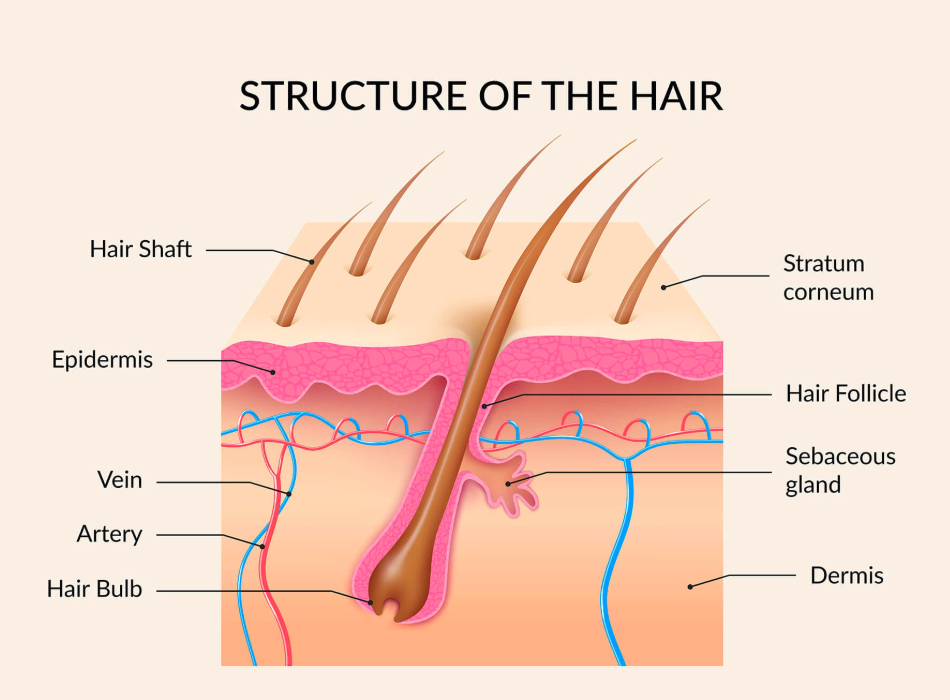
The hair bulb is the rounded, lower part of the hair follicle that fits over the dermal papilla. In technical terms, it is the site of active cell division and protein synthesis. However, for software engineers and biotech researchers, the hair bulb represents a biological processor. It is where the “software” of human DNA is translated into the “hardware” of keratinized tissue. As we move deeper into the 21st century, the tools we use to interface with this microscopic powerhouse are transforming everything from personal grooming gadgets to pharmaceutical research and development.

The Bio-Architecture of the Hair Bulb: A Digital Mapping Approach
To the naked eye, a hair bulb is an invisible speck at the end of a plucked strand. Through the lens of modern digital microscopy and 3D rendering software, it is a sophisticated architectural marvel. The bulb houses the germinative layer, where cells divide more rapidly than in almost any other part of the human body. This high rate of metabolic activity makes the bulb a prime candidate for technological monitoring.
High-Resolution Imaging and Trichoscopy
The first step in modern follicular tech is visualization. Traditional methods involved invasive biopsies, but today’s tech stack includes non-invasive trichoscopy. High-definition digital cameras equipped with polarized and non-polarized light allow specialists to view the hair bulb’s influence on the surrounding scalp environment in real-time. Software like TrichoScan uses specialized algorithms to analyze these images, automatically calculating hair density, diameter, and the ratio of hairs in different growth phases (anagen vs. telogen). This transition from manual counting to automated digital analysis represents a significant leap in diagnostic accuracy.
3D Modeling and Cellular Visualization
Beyond simple photography, researchers are now utilizing confocal laser scanning microscopy to create three-dimensional models of the hair bulb. These digital twins allow scientists to simulate how the bulb reacts to different external stimuli, such as chemical compounds or environmental stressors, without the need for live human subjects. By digitizing the bulb’s structure, tech firms can iterate on product formulas in a virtual environment, significantly reducing the time-to-market for new interventions.
AI-Driven Diagnostics and the Rise of Computational Trichology
Artificial Intelligence has found a significant foothold in the analysis of the hair bulb. The sheer volume of data generated by a single scalp—which may contain over 100,000 follicles—is beyond the manual processing capabilities of a human practitioner. Computational trichology uses machine learning to bridge this gap.
Neural Networks in Follicular Identification
AI models are now being trained on vast datasets of follicular images to identify early-stage abnormalities in the hair bulb before they become visible to the patient. For instance, convolutional neural networks (CNNs) can detect subtle changes in the pigmentation and shape of the bulb area, which often precede conditions like androgenetic alopecia or alopecia areata. By identifying these “digital biomarkers,” AI tools provide a preventative approach to hair health, moving the industry from reactive treatment to proactive management.
Predictive Modeling for Treatment Efficacy
One of the most exciting applications of AI in this niche is predictive modeling. By inputting data from a patient’s hair bulb analysis—such as cell density and vascular supply—alongside their genetic profile, software can predict which treatments will yield the highest success rate. This “precision medicine” approach utilizes cloud computing to compare an individual’s data against millions of other profiles, identifying patterns that suggest a high probability of success for specific topical or systemic interventions.
Biotechnology and the Quest for Bio-Synthetic Hair Regeneration

If the hair bulb is the engine of the follicle, biotechnology is the field currently attempting to rebuild that engine from scratch. The quest to solve hair loss is increasingly a technological one, involving gene editing, 3D bioprinting, and stem cell programming.
CRISPR and the Programming of the Bulb
The hair bulb’s activity is governed by specific genetic signals. Emerging biotech trends are exploring the use of CRISPR-Cas9 gene-editing technology to “silence” the genes responsible for follicular miniaturization. By targeting the cells within the hair bulb, researchers aim to hard-code resistance to hormones like Dihydrotestosterone (DHT). While still largely in the laboratory phase, the technological framework for “software updates” to the hair bulb’s DNA is already being established.
3D Bioprinting of Follicular Units
Perhaps the most “sci-fi” development in hair bulb tech is 3D bioprinting. Using bio-inks comprised of living cells, companies are working to print entire follicular units, including a functional hair bulb. The technical challenge lies in replicating the intricate relationship between the bulb and the dermal papilla. Advanced bioprinters now operate with micron-level precision, attempting to layer cells in a way that encourages natural vascularization. If successful, this would revolutionize the hair transplant industry, moving it from a “harvest and move” model to a “print and plant” model.
Wearable Technology and the Internet of Medical Things (IoMT) in Hair Care
The consumer technology market is also pivoting toward the hair bulb. The “Internet of Medical Things” (IoMT) now includes smart devices designed to stimulate and monitor the scalp at home, bringing professional-grade tech into the bathroom mirror.
Laser and LED Photobiomodulation
Low-Level Laser Therapy (LLLT) gadgets, often designed as helmets or caps, are essentially wearable hardware for the scalp. These devices use specific wavelengths of light to penetrate the skin and reach the hair bulb. The technological principle is photobiomodulation: the light energy is absorbed by the mitochondria within the bulb’s cells, boosting ATP production and extending the anagen (growth) phase. Modern versions of these devices are “smart,” syncing with mobile apps to track usage, monitor progress through photos, and adjust intensity based on user feedback.
Smart Brushes and Sensor Integration
Innovation has even reached the humble hairbrush. Smart brushes equipped with gyroscopes, accelerometers, and conductivity sensors can analyze the quality of the hair and the force applied to the scalp. While these sensors primarily measure the hair shaft, the data they collect provides indirect insights into the health of the bulb. Excessive breakage or changes in oil production can be flagged by the device’s software, alerting the user to potential issues at the follicular level before they manifest as visible thinning.
Data Sovereignty and the Ethical Landscape of Follicular Tech
As we treat the hair bulb as a source of biological data, new questions arise regarding digital security and data privacy. A single hair bulb contains a wealth of information, from a person’s complete DNA profile to a history of their nutritional intake and chemical exposure.
The Security of Bio-Data
Companies offering “follicular scanning” or DNA-based hair health kits are now essentially data firms. This shift requires a robust digital security infrastructure. Encrypting genetic data and ensuring that bio-profiles are not accessible to unauthorized third parties (such as insurance companies or employers) is a critical frontier in the tech industry. As the hair bulb becomes a digital asset, the importance of “bio-sovereignty”—the right of the individual to own their biological data—becomes paramount.
The Ethics of Augmentation
The intersection of tech and the hair bulb also touches on the ethics of human augmentation. If we develop the technology to not only restore but “upgrade” the hair bulb—making hair grow faster, thicker, or in different colors through genetic or technological intervention—where do we draw the line? This conversation mirrors the debates in the wider AI and biotech communities regarding the limits of human enhancement.
In conclusion, the hair bulb is no longer just a biological term. It is the focal point of a massive technological ecosystem. From the AI algorithms that diagnose its health to the bioprinters attempting to replicate its function, the bulb is at the heart of a digital revolution in human health. As these technologies continue to converge, our ability to understand, protect, and enhance this microscopic “command center” will only grow, forever changing our relationship with the science of growth.
aViewFromTheCave is a participant in the Amazon Services LLC Associates Program, an affiliate advertising program designed to provide a means for sites to earn advertising fees by advertising and linking to Amazon.com. Amazon, the Amazon logo, AmazonSupply, and the AmazonSupply logo are trademarks of Amazon.com, Inc. or its affiliates. As an Amazon Associate we earn affiliate commissions from qualifying purchases.