
The geopolitical landscape between the United States and Iran has long been a focal point of international diplomacy, but for the modern investor and business strategist, the relationship is increasingly defined by its impact on global markets, energy stability, and the mechanics of international finance. To understand what is going on with the U.S. and Iran is to understand the intricate dance of sanctions, the volatility of the Brent crude oil market, and the shifting paradigms of the global financial order. In a world where a single headline can trigger a sell-off or a surge in gold prices, the economic dimension of this relationship is more critical than ever.
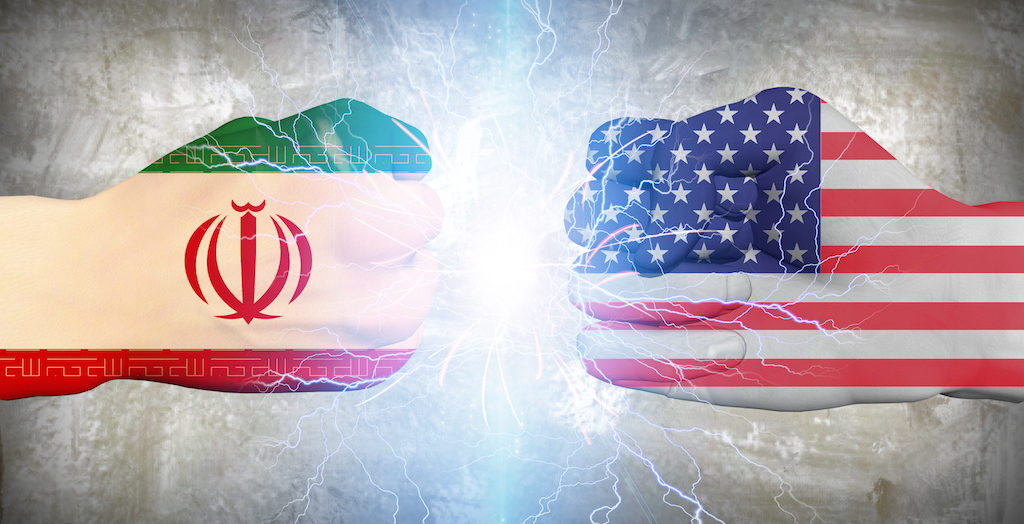
The Economic Lever: Understanding the Power of Sanctions and Global Finance
At the heart of the U.S.-Iran relationship lies the most complex and comprehensive sanctions regime in modern history. For the United States, economic statecraft has replaced traditional warfare as the primary tool of influence. This “maximum pressure” strategy is not merely a diplomatic stance; it is a financial blockade that ripples through global banking systems, affecting everything from institutional investment portfolios to the cost of consumer goods in the Middle East.
The Mechanics of Financial Isolation
The primary mechanism of U.S. influence is the denial of access to the U.S. dollar—the world’s reserve currency. By leveraging the power of the SWIFT banking system and the Treasury Department’s Office of Foreign Assets Control (OFAC), the U.S. has effectively severed Iran’s major financial institutions from the global grid. For business leaders, this creates a high-stakes environment where compliance is the ultimate priority. The “secondary sanctions” mean that any third-party company—be it a European conglomerate or an Asian manufacturer—risks losing access to the U.S. market if they engage in trade with prohibited Iranian entities.
Impact on the Iranian Rial and Local Markets
From an investment perspective, the hyper-devaluation of the Iranian Rial serves as a case study in currency risk. For those monitoring emerging markets, the Iranian situation demonstrates how geopolitical tension can incinerate domestic purchasing power almost overnight. While direct foreign investment in Iran is virtually non-existent for Western firms, the secondary effects on neighboring economies in the Gulf Cooperation Council (GCC) are profound. Capital flight, increased insurance premiums for shipping, and the rising cost of regional logistics are financial realities that stem directly from the ongoing friction between Washington and Tehran.
The Energy Factor: Oil Markets, Supply Chains, and Portfolio Volatility
Perhaps the most direct way “what is going on with us and Iran” affects the average person’s wallet is through the price of oil. Iran sits atop one of the world’s largest proven reserves of crude oil and natural gas. However, because of the geopolitical standoff, much of this resource is sidelined or sold through “shadow fleets” to specific markets like China.
The Strait of Hormuz: A Trillion-Dollar Chokepoint
Approximately one-fifth of the world’s total oil consumption passes through the Strait of Hormuz, a narrow waterway bordering Iran. For energy traders and institutional investors, the threat of a disruption in this corridor is the ultimate “black swan” event. Even the mere suggestion of a blockade can add a “geopolitical risk premium” of $5 to $10 per barrel to global oil prices. For the retail investor, this translates to higher costs at the pump and increased transportation overhead for nearly every physical good, driving inflationary pressures that central banks must then combat with interest rate hikes.
The Rise of the Shadow Market and Its Fiscal Impact
The U.S. efforts to curb Iranian oil exports have led to the creation of a sophisticated “grey market.” This has unique implications for global business finance. When millions of barrels of oil move outside the traditional regulated financial system, it creates discrepancies in global supply data. For commodities traders, this lack of transparency makes it harder to predict price movements accurately. Furthermore, the discounted rates at which Iran sells its oil to certain buyers create competitive imbalances in the energy sector, affecting the bottom lines of publicly traded oil majors in the West who must play by the official rules.
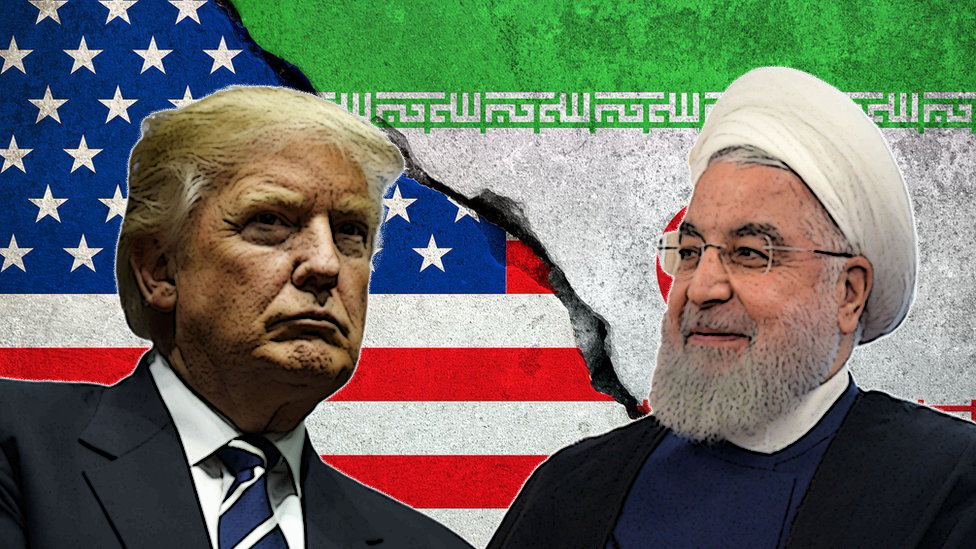
Navigating Geopolitical Risk: Strategies for the Modern Investor
For those managing personal or corporate wealth, the volatility inherent in the U.S.-Iran relationship necessitates a specific set of risk-management strategies. Geopolitics is no longer a niche concern for history buffs; it is a fundamental pillar of modern portfolio theory.
Diversification and Safe-Haven Assets
Historically, whenever tensions escalate between the U.S. and Iran, there is a predictable flight to safety. Gold, the Swiss Franc, and U.S. Treasuries typically see an uptick in demand. Professional money managers often use these “us vs. them” moments to rebalance portfolios, ensuring that they are not over-exposed to sectors that are vulnerable to Middle Eastern instability, such as airlines or global logistics firms that rely on stable fuel prices.
Defense and Aerospace Stocks as a Hedge
While conflict is socially and humanly detrimental, the financial reality is that defense and aerospace sectors often perform as a hedge against geopolitical instability. When the U.S. increases its military footprint or provides aid to regional allies, the order books for major defense contractors grow. Investors tracking the U.S.-Iran relationship often look to these sectors to offset potential losses in more sensitive areas of the market, such as consumer discretionary spending, which tends to dip when energy-driven inflation rises.
Future Outlook: Trade Corridors, Digital Assets, and the Shift Toward Multi-Polarity
The long-term trajectory of “what is going on with us and Iran” points toward a fundamental shift in how global trade and finance operate. The persistence of sanctions has forced Iran—and its trading partners—to innovate, leading to developments that could eventually challenge the dominance of the U.S. financial system.
The Role of Cryptocurrency and Central Bank Digital Currencies (CBDCs)
To bypass the U.S.-led banking system, Iran has openly explored the use of digital assets for international trade. This is a critical trend for anyone interested in the future of money. If a nation can successfully settle multi-billion dollar energy contracts using blockchain technology or CBDCs, the efficacy of traditional sanctions is diminished. This “financial de-globalization” is a major risk factor for the long-term strength of the U.S. dollar, and it is a trend that global investors are watching with intense scrutiny.
The BRICS+ Expansion and New Trade Blocs
Iran’s recent induction into the BRICS+ alliance (alongside Brazil, Russia, India, China, and South Africa) marks a significant shift in the brand of global economics. This movement represents an attempt to create an alternative economic ecosystem that is immune to U.S. foreign policy. For business strategists, this means the world is fracturing into different trading blocs. Doing business in a “multi-polar” world requires a different set of financial tools and a deeper understanding of regional currencies and legal frameworks that operate independently of Western norms.
The Long-Tail Risk of “No-Deal” Economics
As we look forward, the lack of a comprehensive nuclear or trade agreement between the U.S. and Iran means that the “risk premium” associated with the region is likely to remain a permanent fixture of the market. This “no-deal” environment discourages long-term infrastructure investment and keeps energy prices on a hair-trigger. For the savvy participant in the modern economy, staying informed about the U.S.-Iran dynamic is not just about staying abreast of world news—it is about protecting assets, identifying emerging market shifts, and understanding the evolving nature of global power and its relationship to the value of the dollar.
In summary, the situation between the U.S. and Iran is a primary engine of market sentiment. Whether it is through the lens of oil price volatility, the evolution of digital payment systems, or the strategic rebalancing of investment portfolios, the financial stakes are immense. As the geopolitical chess match continues, the world of money will continue to be the board upon which the most significant moves are made. For those who can decode the financial signals within the political noise, there is an opportunity to navigate these turbulent waters with precision and insight.
aViewFromTheCave is a participant in the Amazon Services LLC Associates Program, an affiliate advertising program designed to provide a means for sites to earn advertising fees by advertising and linking to Amazon.com. Amazon, the Amazon logo, AmazonSupply, and the AmazonSupply logo are trademarks of Amazon.com, Inc. or its affiliates. As an Amazon Associate we earn affiliate commissions from qualifying purchases.