
The global financial landscape is periodically reshaped by “black swan” technologies—innovations that appear suddenly and fundamentally alter market dynamics. In the 1990s, it was the internet; in the 2020s, it is Artificial Intelligence. However, quietly running parallel to the AI boom is a pharmaceutical revolution that is proving to be equally consequential for investors, healthcare systems, and the global economy: GLP-1 agonists.
Glucagon-like peptide-1 (GLP-1) receptor agonists are a class of medications originally designed to treat Type 2 diabetes by mimicking a hormone that stimulates insulin production. However, their secondary effect—significant weight loss through appetite suppression—has triggered a gold rush in the biotechnology sector. For the savvy investor and the finance-minded professional, understanding GLP-1 agonists is no longer just about medical curiosity; it is about understanding a therapeutic class that is currently dictating the valuations of some of the world’s most powerful corporations.
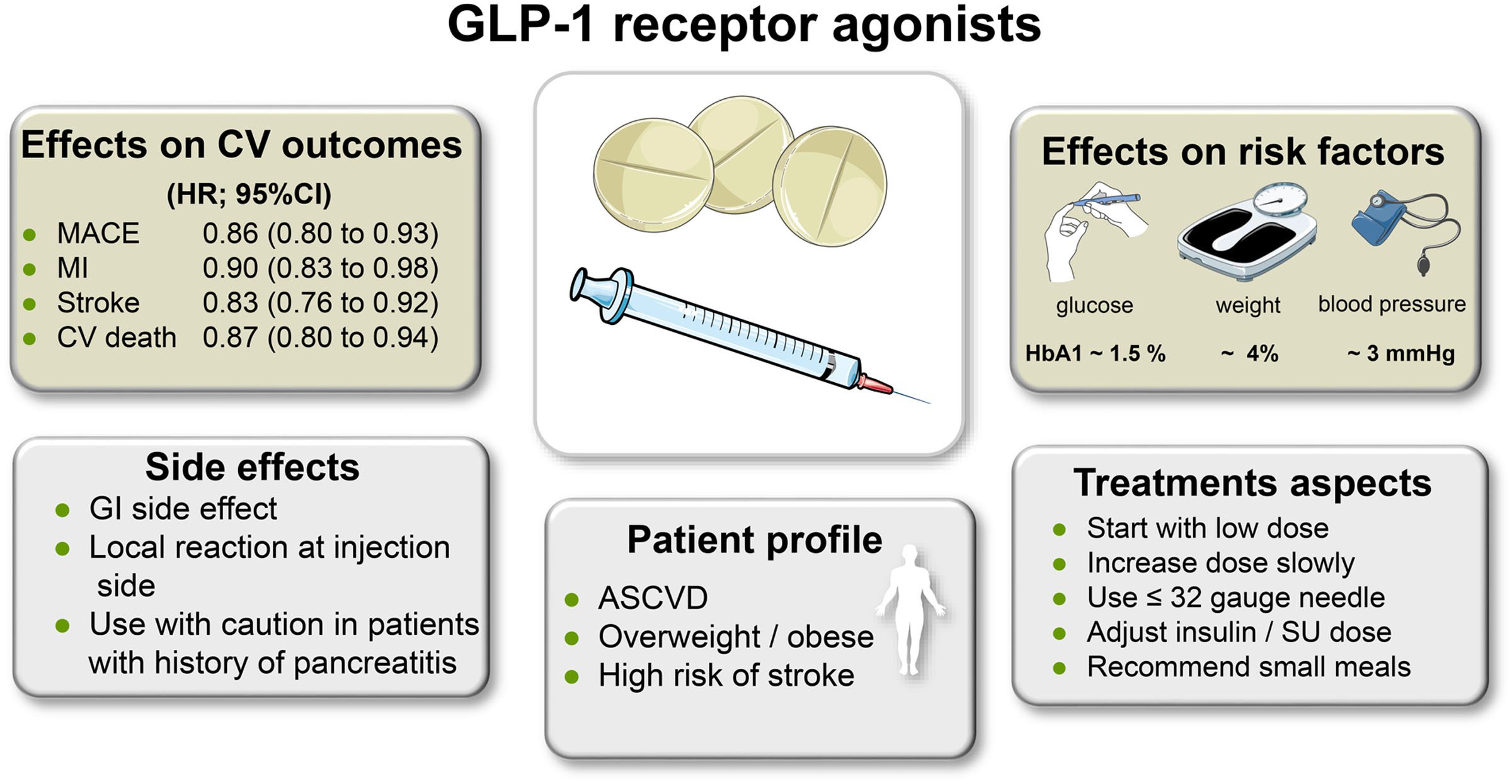
The Economic Explosion of GLP-1 Agonists
The financial trajectory of GLP-1 agonists represents one of the most rapid value-creation events in the history of the pharmaceutical industry. Led by giants Novo Nordisk and Eli Lilly, the market for these drugs has moved from a niche diabetic treatment to a mass-market blockbuster.
Market Capitalization and Stock Performance
The impact on corporate valuations has been nothing short of staggering. Novo Nordisk, the Danish manufacturer of semaglutide (marketed as Ozempic and Wegovy), became the most valuable company in Europe, surpassing even luxury conglomerate LVMH. The company’s market cap expansion was so significant that it began to influence Denmark’s national GDP and interest rate policy.
Similarly, Eli Lilly has seen its valuation soar to record heights on the back of tirzepatide (Mounjaro and Zepbound), making it the most valuable healthcare company in the world. For investors, these companies have transitioned from “stable dividend payers” to “aggressive growth stocks.” The “GLP-1 premium” is now a standard metric in biotech valuation, as analysts attempt to forecast just how high the ceiling is for a drug class that addresses a condition—obesity—affecting over 40% of the U.S. population.
Supply Chain Dynamics and the Scarcity Premium
One of the most fascinating financial aspects of the GLP-1 rise is the supply-demand imbalance. For the past two years, demand has consistently outstripped manufacturing capacity. This has created a “scarcity premium” and spurred a massive wave of capital expenditure.
Novo Nordisk and Eli Lilly have committed tens of billions of dollars to expanding manufacturing facilities, particularly fill-finish sites where the injectable pens are assembled. This CAPEX cycle has ripple effects for construction firms, specialized logistics companies, and medical device manufacturers. From a business finance perspective, the race to scale production is a classic “moat” strategy; the first company to fully satisfy global demand stands to capture a dominant share of a market projected to exceed $100 billion by 2030.
Disrupting the Consumer Discretionary Sector
The financial implications of GLP-1 agonists extend far beyond the pharmacy counter. Because these drugs effectively suppress appetite and reduce cravings for high-calorie foods, they have sent shockwaves through the consumer staples and discretionary sectors. This phenomenon, often dubbed “The Ozempic Effect,” is forcing a re-evaluation of business models in the food and beverage industry.
The “Ozempic Effect” on Food and Beverage Stocks
In late 2023, Walmart’s U.S. CEO noted that they were seeing a slight pull-back in the overall food basket for customers taking GLP-1 medications. This comment alone triggered a sell-off in shares of major food processors and snack manufacturers. Investors began to fear that if a significant percentage of the population reduces caloric intake by 20-30%, the long-term revenue models for “Big Food”—including companies producing soda, confectionery, and ultra-processed snacks—could be permanently impaired.
This has led to a strategic pivot. Companies like Nestlé have already begun developing “companion products”—food items specifically formulated to provide necessary nutrients for people on GLP-1 regimens who are eating less. For the financial analyst, the “GLP-1 factor” is now a mandatory component of any risk assessment for the retail and food sectors.

Transformation of the Diet and Wellness Industry
The traditional weight-loss industry, valued at billions of dollars and built on coaching, calorie counting, and low-fat meals, is facing an existential crisis. Legacy brands have had to pivot or risk bankruptcy. WeightWatchers (WW International), for instance, aggressively shifted its strategy by acquiring a telehealth provider to offer GLP-1 prescriptions, acknowledging that behavioral modification alone is no longer the primary market driver.
This shift represents a massive transfer of wealth from consumer-facing wellness brands to medical-grade pharmaceutical solutions. The financial “winners” in this space are those that can successfully integrate the clinical power of GLP-1s with digital health platforms, creating a subscription-based recurring revenue model that combines drugs with data tracking.
Healthcare Economics: The Cost-Benefit Analysis
While the private sector sees profit, the public sector and insurance markets face a complex fiscal challenge. The high cost of GLP-1 treatments—often exceeding $1,000 per month in the United States—presents a significant budgetary hurdle for employers and government healthcare programs.
Insurance Coverage and the Burden of Premium Increases
For self-insured employers and private insurers, the sudden demand for GLP-1 drugs for weight loss has created a massive expense line item. Many plans have struggled with whether to cover these drugs, as the immediate cost is high while the “payback” in terms of reduced health complications may take years to realize.
This has led to a volatility in healthcare premiums. Actuaries are currently working overtime to model the impact of GLP-1 usage on long-term claims. If these drugs reduce the incidence of heart disease, stroke, and sleep apnea—as clinical trials suggest—they could eventually save the healthcare system billions. However, the short-term cash flow strain is undeniable. The financial management of GLP-1 coverage is currently the top priority for Chief Financial Officers (CFOs) at major insurance providers.
Long-term Fiscal Savings vs. Immediate Outlays
From a macroeconomic perspective, GLP-1 agonists could be a net positive for national productivity. Obesity-related illnesses are a major driver of labor force participation declines and disability payments. If a wide-scale adoption of GLP-1s leads to a healthier workforce, the long-term GDP impact could be substantial through increased productivity and lower public health expenditures.
However, the “price vs. volume” debate remains central. Governments in Europe and the UK are negotiating hard with manufacturers to lower the per-unit cost in exchange for high-volume state contracts. This sets the stage for a geopolitical-economic tug-of-war over drug pricing, where the financial health of a nation’s citizens is balanced against the solvency of its socialized medicine budgets.
The Future of the GLP-1 Economy: Investment Outlook
As we look toward the next decade, the GLP-1 market is expected to move into a “Phase 2” of financial evolution. The initial excitement has been priced into the stocks of the leaders, but several factors suggest the economic narrative is far from over.
Next-Generation Competitors and Patent Cliffs
The current duopoly held by Eli Lilly and Novo Nordisk is being challenged. Dozens of biotech firms are in mid-to-late-stage clinical trials with their own metabolic drugs, including oral versions (pills rather than injections) and “triple agonists” that target multiple receptors for even more significant weight loss.
For the investor, this means the sector will eventually face margin compression as competition increases. Furthermore, the “patent cliff”—the date when these drugs lose exclusivity and generics can enter the market—will be a pivotal financial event. While most GLP-1 patents are secure through the early 2030s, the market is already pricing in the eventual shift to a high-volume, lower-margin generic environment.
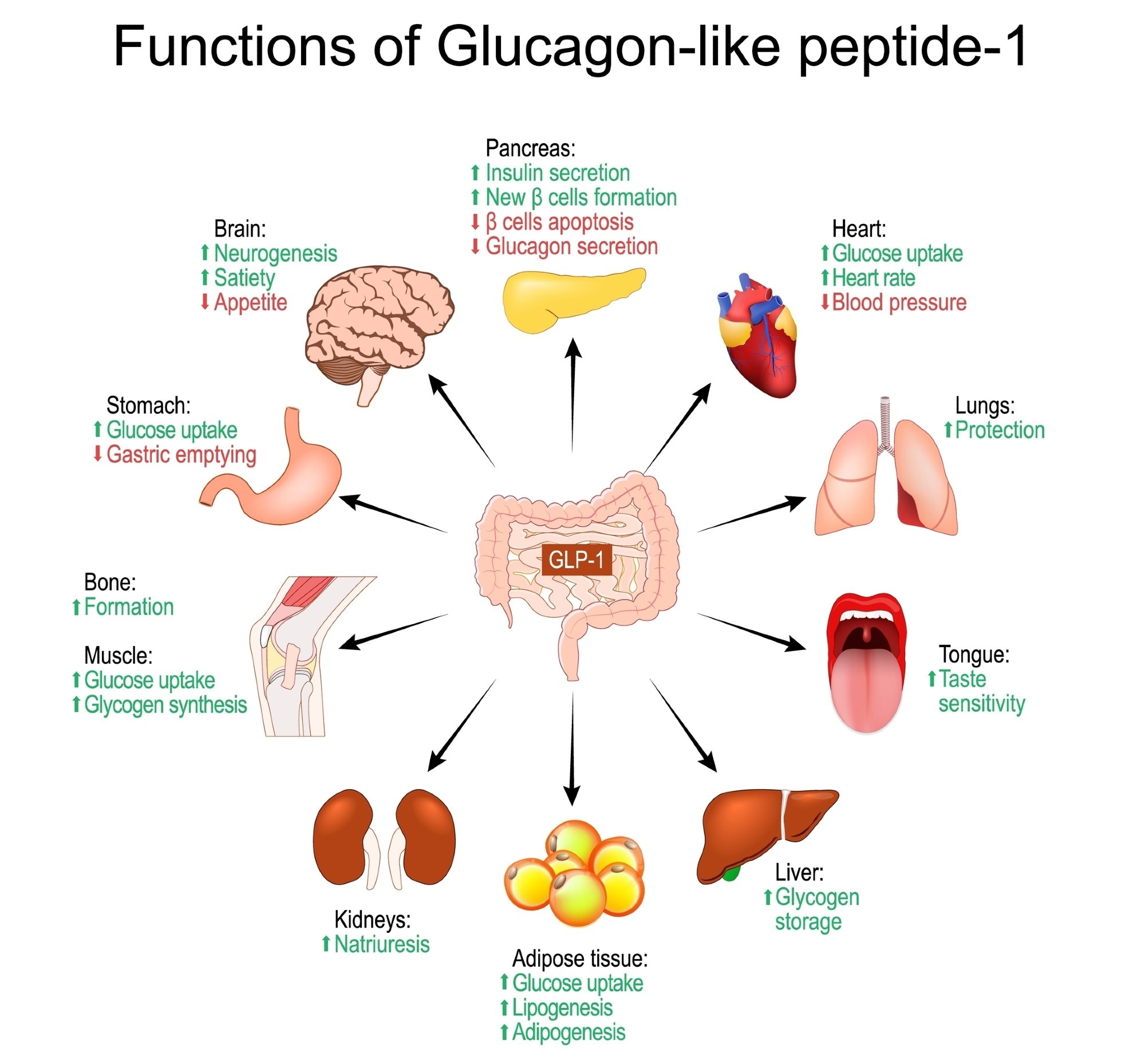
Diversification and the Wider Biotech Bull Run
The success of GLP-1s has reinvigorated the broader biotech sector. The massive profits generated by the leaders are being recycled into M&A (Mergers and Acquisitions) activity. Cash-rich pharmaceutical companies are scanning the horizon for the “next GLP-1,” leading to increased valuations for small-cap biotech firms specializing in metabolic health, cardiovascular research, and even addiction treatment (as GLP-1s are being studied for their ability to reduce cravings for alcohol and nicotine).
In conclusion, GLP-1 agonists are more than just a medical breakthrough; they are a fundamental economic force. They are reshaping the portfolios of retail investors, the balance sheets of multinational corporations, and the fiscal policies of sovereign nations. Understanding the “GLP-1 Agonist” is essential for anyone navigating the modern financial world, as its influence continues to ripple across every sector of the global economy.
aViewFromTheCave is a participant in the Amazon Services LLC Associates Program, an affiliate advertising program designed to provide a means for sites to earn advertising fees by advertising and linking to Amazon.com. Amazon, the Amazon logo, AmazonSupply, and the AmazonSupply logo are trademarks of Amazon.com, Inc. or its affiliates. As an Amazon Associate we earn affiliate commissions from qualifying purchases.