
Dunkin’ represents one of the most compelling case studies in modern corporate identity. Originally established as a purveyor of doughnuts and coffee, the brand has successfully navigated the complexities of consumer behavior, shifting market trends, and the necessity of digital transformation. By rebranding from “Dunkin’ Donuts” to simply “Dunkin’,” the company signaled a fundamental pivot in its business model, moving from a niche bakery to a dominant force in the quick-service restaurant (QSR) sector.
This evolution provides a masterclass in brand strategy, illustrating how a heritage company can maintain historical brand equity while aggressively pursuing relevance in a fast-paced, competitive marketplace.

The Strategic Pivot: From Pastry-Centric to Beverage-Forward
The most significant strategic move in the company’s recent history was the decision to remove “Donuts” from its official brand name in 2018. While seemingly minor, this was a calculated branding exercise that redefined the company’s identity in the eyes of the consumer.
Redefining the Core Value Proposition
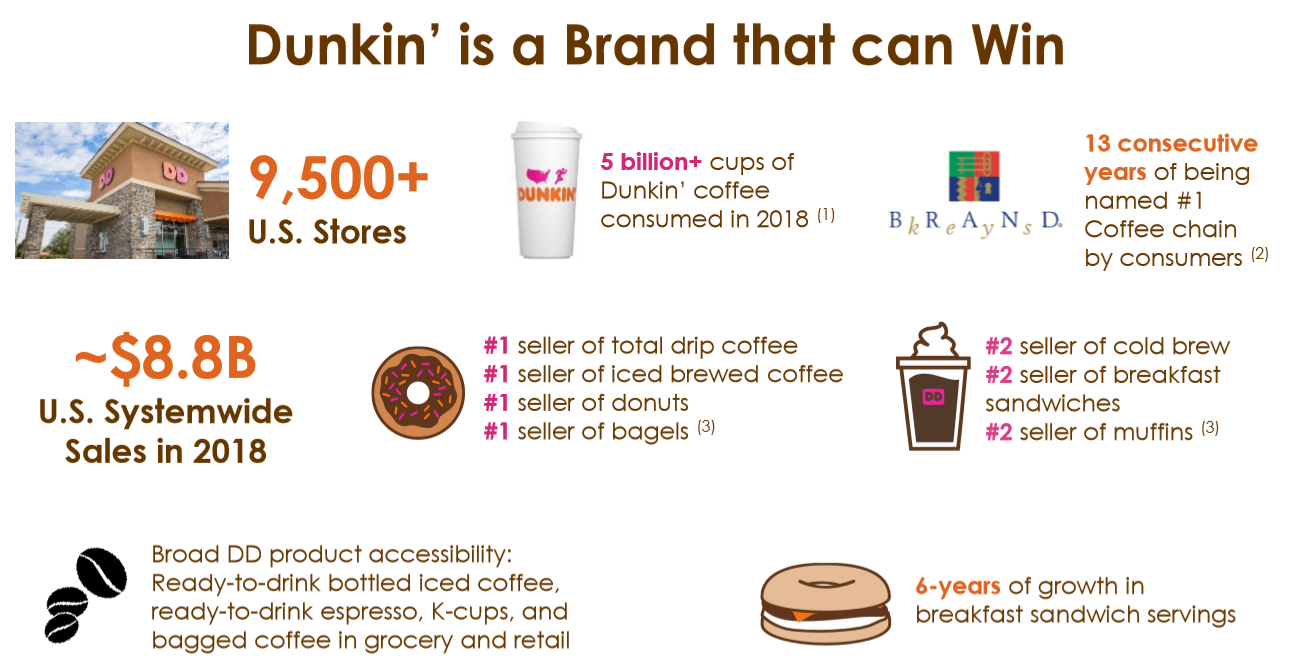
For decades, the brand was tethered to its identity as a doughnut shop. However, market data revealed that the majority of revenue was being driven by coffee and other beverage sales. By rebranding, the company effectively shifted its “reason for being” from a sweet-treat destination to a high-frequency, grab-and-go beverage provider. This allowed the brand to compete more directly with global giants like Starbucks and local specialty coffee houses without the baggage of being pigeonholed into a single food category.
Visual Identity and Consumer Perception
The simplified name was accompanied by a refreshed visual identity—a modernized logo that retained the familiar hot pink and orange color palette but utilized a sleeker, more contemporary font. This ensured the brand remained recognizable to legacy customers while appearing fresh to Gen Z and millennial consumers. The strategic intent was clear: the brand needed to be perceived as modern, efficient, and mobile-first.
Operational Excellence and Digital Integration
A brand strategy is only as strong as the operational infrastructure supporting it. Dunkin’ has heavily invested in digital transformation to solidify its market position, focusing on speed, convenience, and loyalty-driven customer experiences.
The Power of the Loyalty Loop
Central to Dunkin’s current success is its robust digital loyalty program. Unlike many competitors that struggle to convert casual walk-ins into repeat customers, Dunkin’ leverages its mobile app to create a “sticky” ecosystem. Through personalized offers, mobile ordering, and rewards, the brand incentivizes daily habit formation. This shift toward digital-first engagement has allowed the company to collect massive amounts of consumer data, enabling them to refine their menu offerings and marketing messages with surgical precision.
Optimizing the “Quick” in Quick-Service
The modern consumer demands friction-less interaction. Dunkin’s strategy has involved re-engineering its physical footprints to accommodate high-volume mobile order pickups. By integrating drive-thru lanes dedicated specifically to digital orders, the company has managed to reduce wait times significantly. This operational efficiency is a core component of its brand promise: the brand isn’t just about the product; it is about the accessibility of the product during the busiest hours of the day.

Market Positioning and Competitive Differentiation
To remain relevant, a brand must understand its “white space”—the territory it occupies that no one else can successfully claim. Dunkin’ has mastered the art of positioning itself as the “everyman” alternative to more premium-priced coffee brands.
The “Blue-Collar Chic” Aesthetic
While other chains focus on an “experience” that emphasizes lingering in a cafe environment, Dunkin’ leans into a persona that is unpretentious, energetic, and practical. This positioning—often summarized by the “America Runs on Dunkin’” slogan—taps into a sense of national identity. It frames the brand as the fuel for the working class, the early riser, and the busy professional. By avoiding the pitfalls of over-premiumization, the brand remains accessible, fostering a deep sense of loyalty among a demographic that prioritizes consistency and affordability.
Strategic Partnerships and Product Innovation
Brand strategy also involves how a company extends its influence into new categories. Dunkin’s foray into ready-to-drink (RTD) bottled coffees and strategic collaborations—such as those with lifestyle influencers and apparel brands—demonstrates a sophisticated understanding of brand extension. These partnerships help the brand transcend the physical restaurant environment, allowing it to become a part of the consumer’s lifestyle even when they aren’t near a storefront.
Future-Proofing the Brand Identity
The long-term viability of a global brand depends on its ability to evolve without alienating its base. Dunkin’ faces the ongoing challenge of maintaining its “neighborhood coffee shop” feel while operating at a massive, global scale.
Managing Scale and Consistency
The most difficult aspect of scaling a brand identity is ensuring that the customer experience is consistent across thousands of locations. Dunkin’ employs a franchise model that balances corporate-led branding with local operational execution. By streamlining the menu and emphasizing digital consistency, the company ensures that whether a customer is in New England or a new growth market, the brand interaction remains predictable.
Sustainability and Ethical Branding
Modern brand strategy mandates an awareness of corporate social responsibility (CSR). As consumer consciousness shifts toward environmental sustainability, Dunkin’ has been forced to evaluate its packaging, supply chain, and sourcing methods. Future growth for the brand will likely be defined by how effectively it can communicate these ethical initiatives to an increasingly skeptical and socially aware consumer base. Authenticity in this space will be the differentiator between a brand that persists and one that is left behind.
Conclusion: The Endurance of a Refined Identity
Dunkin’ is more than just a purveyor of coffee and doughnuts; it is a case study in strategic resilience. Through a clear-eyed assessment of its market position, the company successfully transitioned from a legacy pastry shop to a modern, digitally-integrated beverage giant. By embracing simplification, prioritizing customer convenience, and maintaining a relatable brand persona, Dunkin’ has demonstrated how a heritage brand can maintain its core essence while aggressively evolving to meet the demands of the modern economy.
As the retail landscape continues to shift toward digital-native experiences and personalized consumer interaction, the brand’s ability to pivot its identity—symbolized by the dropping of the “Donuts” from its name—serves as a vital lesson in corporate agility. For leaders and marketers, the story of Dunkin’ is a testament to the fact that while a product may evolve, the brand’s strategic intent must remain anchored in a profound understanding of the customer’s daily needs. Moving forward, the company’s focus on operational excellence, coupled with its ability to adapt to changing cultural norms, ensures its place as a dominant, enduring force in the global marketplace.
aViewFromTheCave is a participant in the Amazon Services LLC Associates Program, an affiliate advertising program designed to provide a means for sites to earn advertising fees by advertising and linking to Amazon.com. Amazon, the Amazon logo, AmazonSupply, and the AmazonSupply logo are trademarks of Amazon.com, Inc. or its affiliates. As an Amazon Associate we earn affiliate commissions from qualifying purchases.