
The ketogenic diet has evolved from a clinical intervention for epilepsy into a mainstream nutritional strategy for weight management and metabolic health. However, as the diet has scaled, its application has fractured into two distinct camps: “Clean Keto” and “Dirty Keto.” While the former focuses on whole, unprocessed foods, the latter prioritizes macronutrient ratios above all else. Understanding the mechanics of Dirty Keto—and why it has become such a polarizing subject—is essential for anyone looking to optimize their personal health strategy within the framework of modern dietary habits.
Defining the “Dirty” Approach to Ketosis
At its core, the ketogenic diet is a metabolic state. By restricting carbohydrate intake to a threshold typically between 20 and 50 grams per day, the body is forced to pivot from burning glucose to burning stored and dietary fats, producing ketones in the process. Dirty Keto, also known as “Lazy Keto” or “If It Fits Your Macros” (IIFYM) keto, is a variation that ignores the quality of the food source in favor of meeting these specific macronutrient goals.

Macronutrient Prioritization Over Food Quality
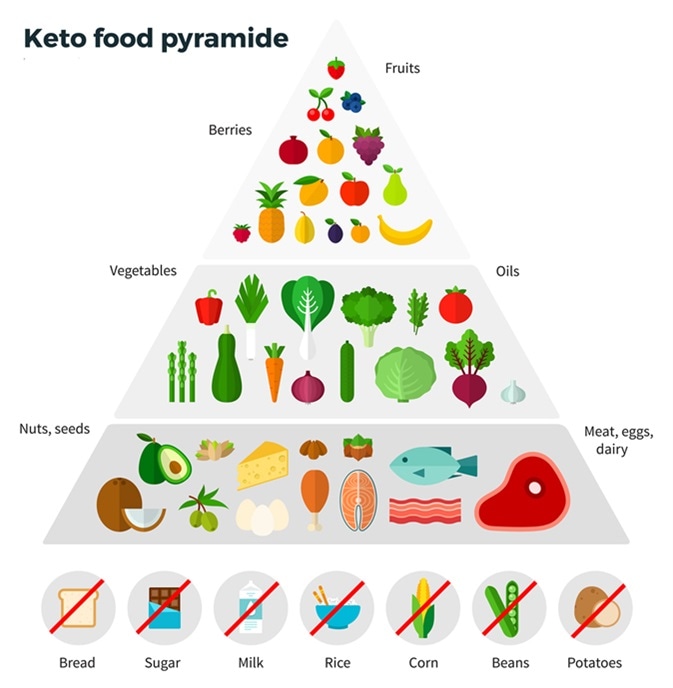
In a standard Clean Keto protocol, a practitioner focuses on grass-fed proteins, organic cruciferous vegetables, and healthy fats like avocado oil or cold-pressed olive oil. In the Dirty Keto framework, the only metrics that matter are the total grams of fat, protein, and carbohydrates. If a fast-food burger patty—sans bun—contains the appropriate fat-to-protein ratio and fits within the daily carb limit, it is considered “on plan.”
The Appeal of Convenience and Cost
The primary driver behind the adoption of Dirty Keto is accessibility. Adhering to a strict whole-foods diet can be time-consuming and expensive. Dirty Keto eliminates the need for complex meal prepping, sourcing organic ingredients, or avoiding processed additives. It allows individuals to navigate the standard Western food environment, such as restaurants, gas stations, and convenience stores, without breaking their state of ketosis.
The Financial Implications of Dirty Keto
When analyzing the “Money” category of personal health, the economic efficiency of a diet is a critical variable. Dirty Keto presents a unique case study in how dietary choices intersect with personal finance and budget management.
Reducing the “Health Tax”
Eating exclusively organic, high-quality, pasture-raised foods often comes with a significant price premium, frequently referred to as the “health tax.” By focusing on lower-cost sources of protein and fat—such as conventionally raised meats, processed deli slices, and shelf-stable fats—Dirty Keto significantly lowers the monthly food bill. For many households, this makes the ketogenic lifestyle sustainable, preventing them from abandoning the diet due to fiscal pressure.
Opportunity Costs and Long-Term Health Investment
While Dirty Keto offers immediate savings at the grocery store, it is necessary to consider the long-term financial implications of food quality. Chronic consumption of heavily processed fats, industrial seed oils, and high-sodium additives may lead to inflammation or other metabolic issues over time. A professional approach to financial planning includes budgeting for health, and it is worth analyzing whether the “savings” gained by choosing lower-quality foods might be offset by future medical expenses. Strategic spending—investing in higher-quality fuel today to minimize biological “maintenance costs” later—is a vital aspect of comprehensive personal finance.

The Risks and Limitations of an Unrefined Diet
While the metabolic goal of ketosis is technically achieved through Dirty Keto, there are significant physiological trade-offs. Relying on processed items to maintain fat-burning states can obscure underlying nutritional deficiencies that may hamper long-term success.
Micronutrient Deficiencies
Ketosis is often praised for its ability to regulate hunger and provide steady energy. However, these benefits are dependent on the body’s ability to function at a cellular level, which requires essential vitamins and minerals. Processed foods, even those that are low-carb, are often stripped of their natural micronutrients. A diet consisting primarily of processed deli meats and convenience-store fats may fail to provide the magnesium, potassium, and B vitamins necessary to prevent the “keto flu” or maintain optimal energy levels during the transition.
The Impact of Additives and Inflammation
Many ultra-processed keto-friendly products utilize additives such as artificial sweeteners, emulsifiers, and industrial seed oils. Emerging research suggests that these ingredients can impact the gut microbiome and potentially trigger systemic inflammation. For an individual using the keto diet to resolve metabolic issues or autoimmune symptoms, these “dirty” ingredients can be counterproductive, potentially masking the very symptoms they are intended to treat.
Integrating Strategy into Your Nutritional Workflow
If you are choosing to adopt a keto lifestyle, it is beneficial to view it through the lens of a project management workflow. Whether you choose a clean or dirty approach, the success of the endeavor depends on consistency, tracking, and refinement.
Tracking and Data Management
Regardless of food quality, the “dirty” keto practitioner must still master data. Using digital apps to track net carbs, total caloric intake, and electrolytes is the “software” of the diet. Without accurate logging, it is easy to accidentally overconsume carbohydrates or proteins, which can kick the body out of ketosis. Treating your dietary intake like a business expense report ensures that you stay within your “budgeted” macros, preventing the failure that often comes with subjective estimation.
The Hybrid Model: A Sustainable Middle Ground
Many professionals find the most success by implementing a hybrid strategy. This involves utilizing “Dirty Keto” for convenience when traveling or working long hours, while adhering to “Clean Keto” principles during daily home-based meal cycles. This hybrid approach optimizes both financial efficiency and physiological performance. It allows for the flexibility of modern living without sacrificing the foundational health benefits that originally drew practitioners to the ketogenic lifestyle.
Scaling and Optimization
As with any business or investment strategy, one should constantly review the results. If the goal is rapid weight loss, Dirty Keto may be sufficient in the short term. However, if the goal is long-term metabolic optimization, mental clarity, and longevity, it may be prudent to gradually pivot toward higher-quality inputs. Consider your dietary journey as a portfolio; diversify your protein sources, invest in high-quality fats when the budget allows, and audit your results regularly. If the “return on investment”—measured by energy levels, blood markers, and body composition—is stagnant, it is time to pivot your strategy.
Conclusion
Dirty Keto is a practical, budget-conscious, and accessible entry point into the world of low-carb living. By focusing on macronutrient management, it offers a simplified framework for those who find the restrictive nature of “Clean Keto” to be an insurmountable barrier to entry. However, from a professional standpoint, it is essential to remain aware of the long-term trade-offs. True success in a nutritional regimen, much like in finance, requires a balance between immediate convenience and long-term sustainability. By treating your diet as an investment in your biological capital, you can utilize the strategies of Dirty Keto effectively while strategically upgrading your intake to ensure that your health dividends continue to compound over time.
aViewFromTheCave is a participant in the Amazon Services LLC Associates Program, an affiliate advertising program designed to provide a means for sites to earn advertising fees by advertising and linking to Amazon.com. Amazon, the Amazon logo, AmazonSupply, and the AmazonSupply logo are trademarks of Amazon.com, Inc. or its affiliates. As an Amazon Associate we earn affiliate commissions from qualifying purchases.