
The collapse of a major cultural icon is rarely just a matter of legal proceedings. In the world of high-stakes influence, the ongoing legal saga involving Sean “Diddy” Combs serves as a definitive case study in the anatomy of a failing personal brand. While the headlines are dominated by the gravity of the criminal charges, the broader business community is witnessing the complete evaporation of a multi-decade corporate identity. When a personal brand is built upon an aesthetic of “lifestyle aspiration” and “unparalleled success,” the erosion of public trust doesn’t just lead to legal repercussions—it triggers a total brand liquidation.
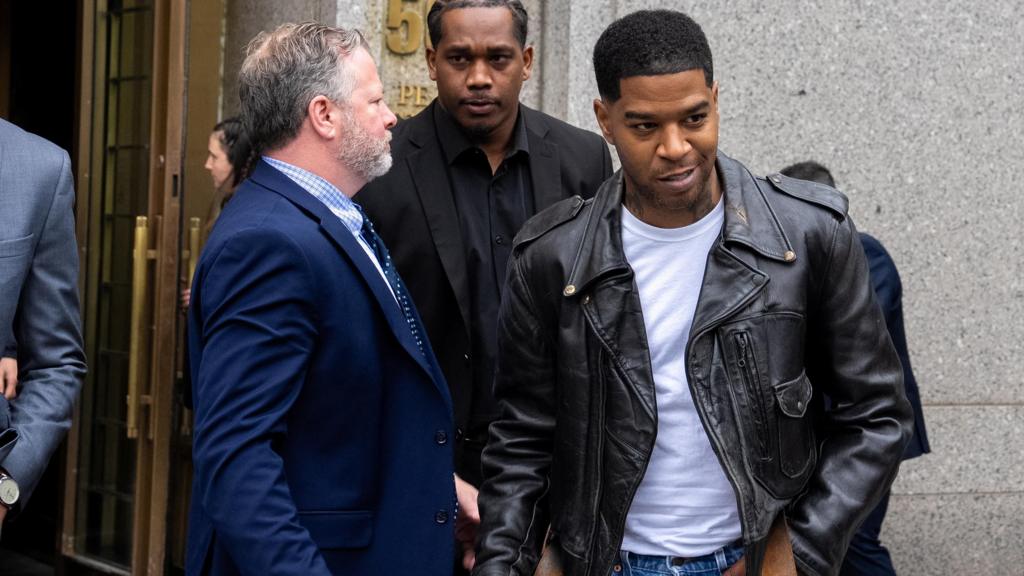
The Architecture of a Billion-Dollar Personal Brand
To understand the scope of this collapse, one must first recognize what the Diddy brand represented before the current controversies. For thirty years, Sean Combs wasn’t just a music producer or an artist; he was the blueprint for the modern mogul. His personal branding strategy relied heavily on the curation of “The Lifestyle.”
The Multi-Vertical Conglomerate
Combs successfully utilized his personal brand to pivot into diverse industries, ranging from fashion (Sean John) to spirits (Cîroc and DeLeón). This is the hallmark of effective brand diversification: leveraging personal equity to minimize acquisition costs for new ventures. By embedding himself as the face of these companies, he ensured that his identity was inextricably linked to the perceived value of his products. Investors didn’t just buy into the product; they bought into the “Diddy” imprimatur of success, power, and exclusivity.
The Cult of Personality as a Marketing Asset
The brand relied on a strategic construction of proximity. Whether it was the infamous “White Parties” or his social media presence, the goal was to keep the audience feeling like they were one step away from joining an inner circle of elite success. In branding terms, this is known as aspirational marketing. By framing his life as the ultimate achievement of the American Dream, he created a halo effect. Every product associated with his name benefited from the assumption that if it belonged to Diddy, it was the pinnacle of quality and luxury.
When the Brand Narrative Fails: The Trust Deficit
When allegations of misconduct surface against a figure whose brand is entirely dependent on trust and personal reputation, the brand equity doesn’t just drop—it becomes toxic. This is the “Negative Halo Effect.”
The Cost of Personal vs. Corporate Separation
In many corporate environments, a CEO can be fired, and the brand persists. However, when the person is the brand, there is no separation of entity. Companies associated with Combs are now faced with an existential crisis: how do you divorce a brand from its founder when the founder was the sole engine of the brand’s identity?
The rapid distancing of corporate partners, the removal of products from shelves, and the cessation of endorsements serve as a masterclass in risk management. When a personal brand becomes a liability, corporations exercise a “Brand Sanitization” strategy. They must strip away the identity of the person to prevent the rot of the reputation from spreading to the product’s core.

The Erasure of Social Currency
Social currency—the value people derive from being associated with a brand—is the first thing to vanish in a scandal of this magnitude. Collaborators, peers, and business partners who once sought the glow of the Diddy brand now scramble to scrub their association with it. The brand, once synonymous with “the best,” is now synonymous with “the avoided.” This is the ultimate failure of personal brand strategy: when your presence in a room makes the people around you less marketable, you have lost your status as a brand leader.
Lessons in Crisis Management and Brand Longevity
The Diddy saga offers critical takeaways for anyone building a personal brand in the digital age. The primary lesson is the danger of “Identity Concentration Risk.”
The Danger of Monolithic Branding
When you build your entire business empire on your own name and image, you create a single point of failure. If your reputation is damaged, your entire financial portfolio suffers a direct hit. Sustainable personal brands, by contrast, look to transition from being the product to being the platform.
True masters of long-term branding eventually move away from the “cult of personality” toward building a legacy brand that can exist independently of their personal life. Those who fail to make this transition remain vulnerable to the ebbs and flows of their personal public perception. The current situation illustrates that without a detached, autonomous business structure, your financial future is only as stable as your public image.
Transparency and the Modern Consumer
Modern consumers and institutional investors are increasingly sophisticated in their vetting processes. In an era where data and transparency are paramount, a brand that thrives on obfuscation, mystery, and exclusionary tactics is inherently fragile. The “mystique” that once served to grow the Diddy brand is now the very thing fueling the public’s desire for the “truth.” When a brand built on a pedestal is forced to face the light of objective, legal scrutiny, the fallout is rarely subtle. It is swift, categorical, and often absolute.
The Future of Celebrity-Led Business Ventures
The fallout from this case will undoubtedly change how celebrities and influencers approach corporate identity for the next decade. We are likely to see a shift toward “Asset-Light” personal brands, where influencers participate in ventures without tethering their names to the front of the storefront.
Decoupling the Name from the Asset
Future moguls will be more cautious about the “Founder-Centric” model. We will likely see an increase in structures where the intellectual property is owned by the talent, but the brand identity is built around a distinct, non-human logo or mission statement. By keeping the corporate identity separate from the personal, business leaders can protect their bottom line from the unpredictable nature of celebrity culture.
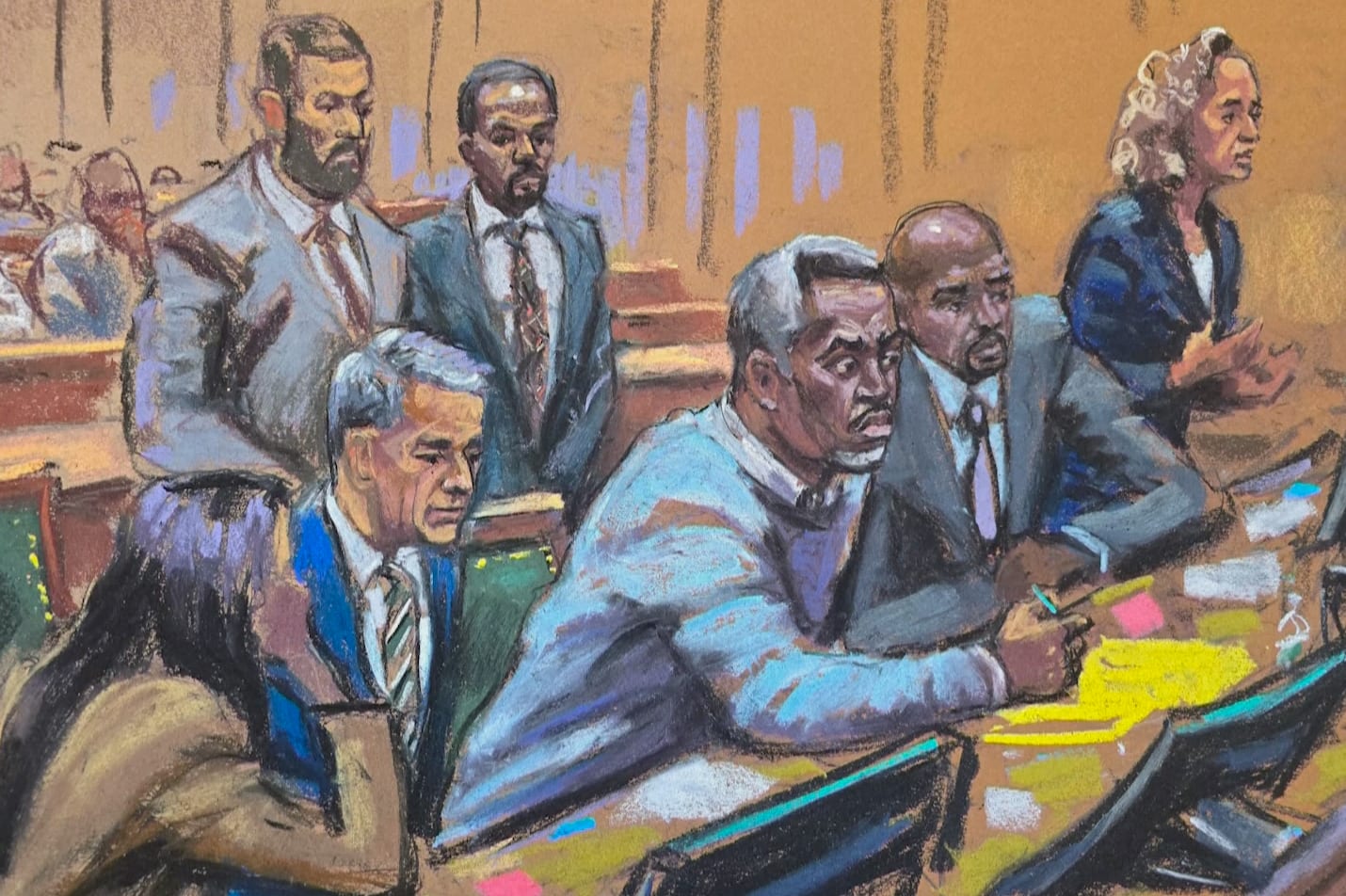
The Death of the “Unstoppable” Mogul
The Diddy case marks the end of an era where “celebrity status” was a sufficient substitute for corporate governance. We are entering an era of radical accountability. Investors, stakeholders, and the public now demand more than just marketing genius; they demand ethical operational standards. Any personal brand that is not supported by robust, transparent, and ethical organizational structures is now viewed as high-risk, speculative, and ultimately unsustainable.
The trial of Sean “Diddy” Combs will be remembered in history books, not just for the legal outcome, but for the swift and total disintegration of a brand that once appeared untouchable. It serves as a stern reminder that a personal brand is only as valuable as the integrity of the person behind it. When the foundation of that integrity shifts, no amount of marketing, wealth, or influence can prevent the collapse of the structure built on top of it. For those currently building their own brands, the lesson is clear: brand identity should be a byproduct of your actions and your values, not a mask designed to hide them. True brand equity is not what you tell the world you are; it is what the world discovers when the curtain is pulled back.
aViewFromTheCave is a participant in the Amazon Services LLC Associates Program, an affiliate advertising program designed to provide a means for sites to earn advertising fees by advertising and linking to Amazon.com. Amazon, the Amazon logo, AmazonSupply, and the AmazonSupply logo are trademarks of Amazon.com, Inc. or its affiliates. As an Amazon Associate we earn affiliate commissions from qualifying purchases.