
Navigating the landscape of the United States federal income tax system is a task that every taxpayer must undertake, yet few find it intuitive. At its core, the federal tax system is built on a progressive structure, meaning that as your income rises, the percentage of that income paid in taxes also increases. However, understanding your “current federal tax rate” is rarely as simple as looking at a single number. To truly grasp your financial obligations, you must distinguish between your marginal tax bracket and your effective tax rate.
Understanding the Progressive Tax Bracket System
The United States utilizes a graduated income tax structure. This means the government does not take a flat percentage of every dollar you earn. Instead, your taxable income is divided into segments, or “brackets,” and each segment is taxed at a specific rate.
How Marginal Tax Brackets Work
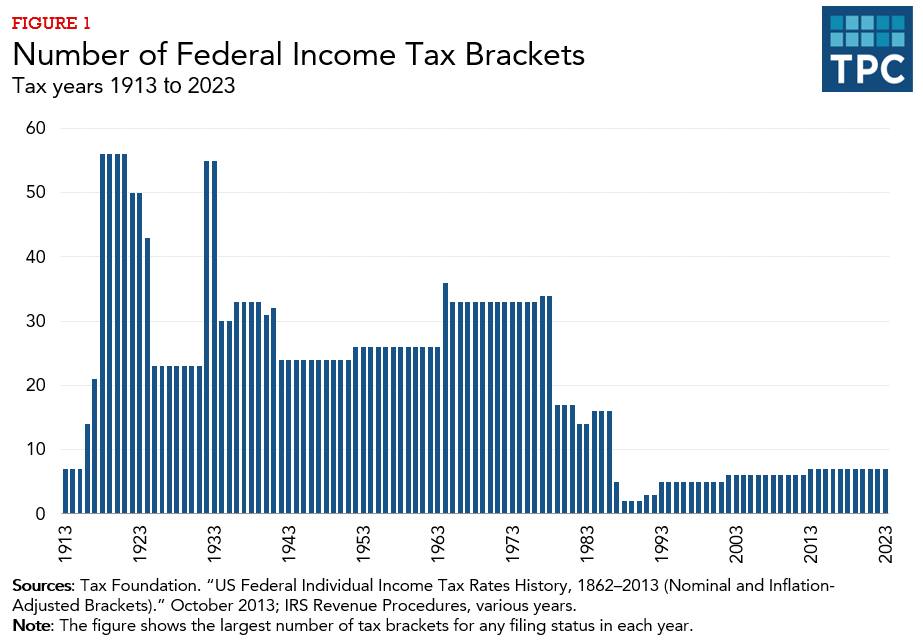
When financial experts discuss “your tax bracket,” they are referring to the highest rate applied to your income. For the 2024 tax year, there are seven federal income tax brackets: 10%, 12%, 22%, 24%, 32%, 35%, and 37%.
It is a common misconception that if you fall into the 22% bracket, every single dollar you earned is taxed at that 22% rate. In reality, only the portion of your income that falls into that specific range is taxed at that percentage. For example, if you are a single filer with a taxable income that puts you in the 22% bracket, your first chunk of income is taxed at 10%, the next at 12%, and only the remaining portion at 22%. This ensures that your tax burden is graduated rather than punitive.
The Impact of Filing Status
Your tax rate is fundamentally dictated by your filing status, which determines the threshold for each bracket. The IRS recognizes five filing statuses: Single, Married Filing Jointly, Married Filing Separately, Head of Household, and Qualifying Surviving Spouse. The “Married Filing Jointly” status generally offers the widest tax brackets, which is designed to prevent couples from paying more in taxes simply because their combined income pushes them into a higher bracket than they might have reached individually. Understanding how your filing status interacts with the current brackets is the first step in calculating your expected liability.
Marginal vs. Effective Tax Rates: The Critical Distinction
If you want to understand your true financial health and how much of your paycheck is actually heading to the IRS, you must learn the difference between your marginal tax rate and your effective tax rate.
Defining Your Marginal Rate
Your marginal tax rate is the rate applied to your very last dollar earned. If you are considering taking a raise, picking up a side hustle, or earning an end-of-year bonus, this is the percentage you should look at. It tells you how much tax you will pay on the next dollar of income you bring in. It is a critical metric for decision-making regarding income growth, but it is a poor metric for measuring your overall tax burden.
Calculating Your Effective Rate
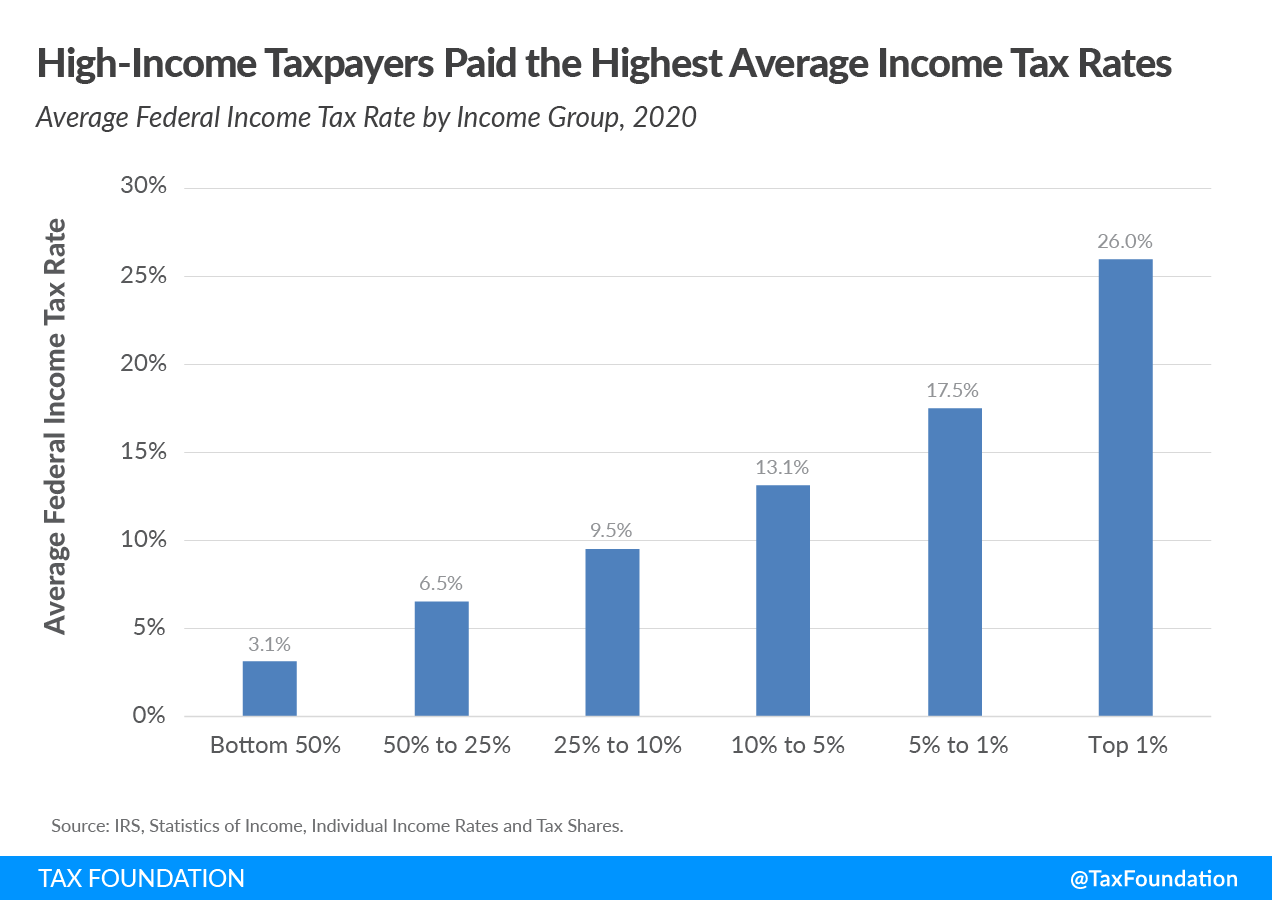
Your effective tax rate provides a much clearer picture of your reality. This is the actual percentage of your total income that goes to the IRS after all calculations are settled. You calculate this by taking your total tax liability—the final amount you owe after all deductions and credits—and dividing it by your total gross income.
For instance, if a taxpayer earns $100,000 but utilizes tax deductions and credits to reduce their total tax bill to $12,000, their effective tax rate is 12%, even if their marginal tax bracket is 22%. Focusing on your effective tax rate is essential for budgeting and long-term financial planning because it represents the actual “hit” to your annual cash flow.
Factors That Influence Your Tax Burden
While the tax brackets are fixed by law, your final tax burden is highly fluid, shaped by deductions, credits, and the nature of your income.
Above-the-Line Deductions and Itemization
Before you even arrive at your taxable income, the IRS allows for “adjustments,” often called above-the-line deductions. These include contributions to traditional IRAs, student loan interest, and health savings account (HSA) contributions. Once you subtract these, you arrive at your Adjusted Gross Income (AGI).
From your AGI, you must choose between the standard deduction and itemizing. The standard deduction is a flat amount that reduces your taxable income, and most taxpayers choose this route for its simplicity. However, if you have significant expenses like mortgage interest, state and local taxes (SALT) up to the allowed limit, or major charitable donations, you might choose to itemize. Your choice here directly alters your final taxable income, thereby influencing your effective tax rate.
Tax Credits vs. Tax Deductions
Distinguishing between a deduction and a credit is vital. A deduction reduces the amount of income that is subject to tax. A tax credit, by contrast, is a dollar-for-dollar reduction of the actual tax you owe.
For example, a $1,000 tax credit is significantly more valuable than a $1,000 deduction. If you are in the 22% tax bracket, a $1,000 deduction saves you $220 in taxes. A $1,000 credit, however, saves you a full $1,000. Common credits, such as the Child Tax Credit or the Earned Income Tax Credit (EITC), can drastically shift an individual’s effective tax rate downward, sometimes even resulting in a refund that exceeds the total amount of taxes withheld throughout the year.
The Role of Capital Gains and Investment Taxes
When analyzing your current federal tax rate, you cannot ignore how different types of income are treated. The rates mentioned earlier apply to “ordinary income,” such as wages, salaries, and interest. However, income from investments is often subject to a different set of rules.
Long-Term Capital Gains
If you sell an asset—such as stocks, bonds, or real estate—that you have held for more than one year, the profit is considered a long-term capital gain. The federal tax rates for these gains are preferential: 0%, 15%, or 20%, depending on your taxable income.
These rates are almost always lower than the rates applied to ordinary income. This creates a powerful incentive for long-term investing. By holding assets for over a year, you effectively lower your federal tax rate on those earnings, demonstrating that the federal tax code is not just a mechanism for revenue collection, but also a tool designed to encourage specific economic behaviors, such as long-term capital investment.
Net Investment Income Tax (NIIT)
For high-earning individuals, the tax landscape includes an additional layer: the Net Investment Income Tax. This is a 3.8% tax on certain investment income for taxpayers whose modified adjusted gross income exceeds specific thresholds. It serves as a reminder that as your wealth grows, your tax structure becomes more complex, often requiring professional tax strategy to optimize your position.
Strategic Planning for the Tax Year
Understanding your federal tax rate is not a static exercise; it is a dynamic process that should inform your financial decisions throughout the year.
Mid-Year Adjustments
If you receive a bonus or experience a change in employment, recalculate your projected annual income. Because our tax system is “pay-as-you-go,” failing to account for a jump in income could lead to an underpayment penalty come tax season. Adjusting your W-4 withholdings or making quarterly estimated payments can help you manage your cash flow and avoid unpleasant surprises in April.

Future-Proofing Your Finances
Finally, recognize that tax laws are subject to change. Legislative shifts can move the goalposts regarding bracket thresholds, standard deduction amounts, and the availability of specific credits. Staying informed about current federal tax rates allows you to leverage tax-advantaged accounts like 401(k)s or 403(b)s, which allow you to lower your current taxable income by deferring taxes until retirement. By strategically moving money into these accounts, you effectively manage your current marginal tax rate while planning for a future where your tax bracket may be lower.
In summary, the “current federal tax rate” is a moving target that depends on your specific financial composition. By mastering the distinction between your marginal and effective rates, leveraging credits over deductions where appropriate, and aligning your investment strategy with capital gains treatment, you take control of your financial narrative. Tax planning is not merely about compliance; it is about efficiency, strategy, and understanding the rules of the game to preserve more of your hard-earned wealth.
aViewFromTheCave is a participant in the Amazon Services LLC Associates Program, an affiliate advertising program designed to provide a means for sites to earn advertising fees by advertising and linking to Amazon.com. Amazon, the Amazon logo, AmazonSupply, and the AmazonSupply logo are trademarks of Amazon.com, Inc. or its affiliates. As an Amazon Associate we earn affiliate commissions from qualifying purchases.