
The evolution of medical technology has fundamentally altered the landscape of chronic condition management, moving beyond simple diagnostic tools to sophisticated, user-friendly hardware designed for long-term home use. Among the most significant advancements in respiratory health is the development and refinement of Continuous Positive Airway Pressure (CPAP) technology. Often misunderstood as merely a breathing mask, a CPAP device is a high-precision medical instrument that leverages airflow dynamics and micro-sensor feedback loops to maintain physiological stability during sleep. As we look at the integration of Internet of Things (IoT) connectivity and advanced pressure-sensing algorithms, it becomes clear that CPAP machines have transitioned into the realm of advanced personal health technology.

The Engineering Behind Airway Management
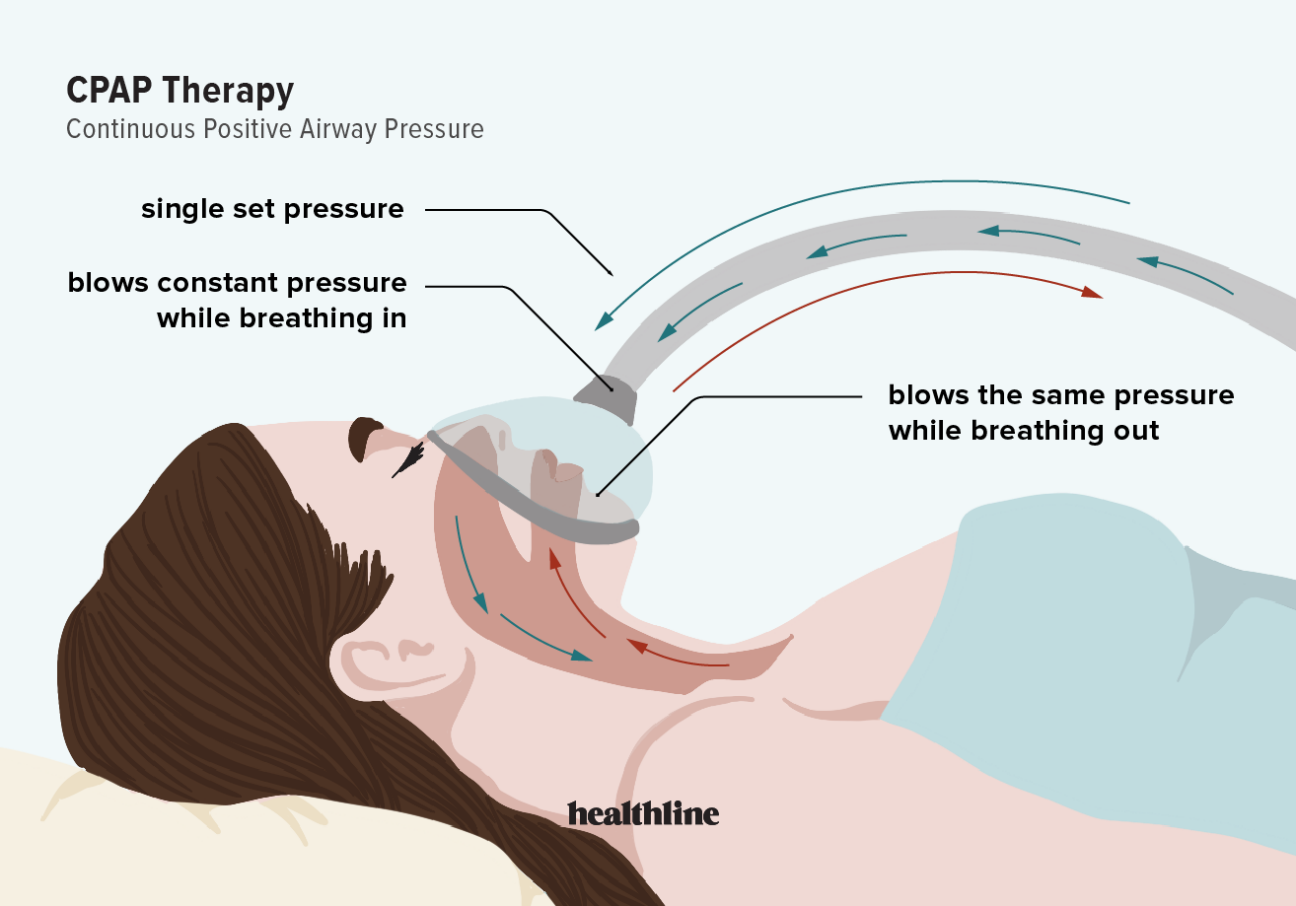
At its core, a CPAP machine functions as a sophisticated, variable-speed air compressor. Unlike a ventilator, which actively forces oxygen into the lungs, a CPAP device maintains a constant, controlled pressure that acts as a pneumatic splint for the upper airway.
Fluid Dynamics and Pressure Regulation
The fundamental engineering challenge in CPAP design is maintaining precise airway pressure despite the fluctuating respiratory effort of the user. Modern devices utilize high-speed turbine motors—often spinning at thousands of rotations per minute—to generate a steady stream of pressurized ambient air. This air is filtered and then delivered through a circuit of specialized tubing to a sealed mask interface. By preventing the collapse of the soft tissues in the throat, the device ensures that the airway remains open, allowing for uninterrupted gas exchange throughout the sleep cycle.
Sensor Integration and Algorithmic Control
Modern CPAP devices have become remarkably “intelligent” through the integration of pressure transducers and flow sensors. These sensors sample the airflow hundreds of times per second. By analyzing the shape of the inspiratory flow curve, the device’s internal processor can differentiate between a natural breath, an obstructive event, or a central apnea event. If an obstruction is detected, the machine’s onboard software increases the pressure incrementally—a feature known as Auto-CPAP (APAP). This algorithmic adjustment ensures the user receives the minimum pressure required to prevent collapse, maximizing both efficacy and comfort.
The Digital Transformation of Respiratory Hardware
The transition from analog, fixed-pressure machines to modern, connected hardware marks a major milestone in medical device technology. Today’s CPAP systems are no longer isolated units; they are nodes in a larger digital health ecosystem, providing data-driven insights that bridge the gap between patient and clinician.
Connectivity and Remote Monitoring
Current-generation CPAP devices come equipped with integrated cellular or Wi-Fi connectivity. This allows for real-time transmission of usage data, mask seal integrity, and therapy efficacy metrics to secure cloud-based servers. Through these platforms, healthcare providers can monitor treatment adherence without requiring the patient to visit a physical clinic. This remote telemetry is a cornerstone of modern digital health, enabling proactive intervention when a patient’s compliance drops or when the therapy parameters need recalibration.

The Role of Mobile Applications
Beyond clinical monitoring, the user experience has been revolutionized by companion mobile applications. These apps allow the user to view their “Sleep Score” and long-term therapy trends directly on their smartphone. By gamifying compliance and providing accessible data visualization, these digital interfaces encourage users to take an active role in their health management. The intersection of hardware reliability and intuitive software design has significantly improved long-term adherence rates, which historically served as the primary barrier to successful treatment.
Material Science and User Interface Innovations
The efficacy of CPAP therapy is entirely dependent on the interface between the machine and the patient. Innovation in material science has led to significant improvements in comfort, seal integrity, and overall user compliance.
Advanced Elastomers and Ergonomics
The primary point of friction for CPAP users is the mask. Early iterations were often bulky, heavy, and prone to leaking. Contemporary engineering has shifted toward lightweight, biocompatible silicone and memory foam materials that mold to the user’s facial geometry. Through 3D scanning and computer-aided design (CAD), manufacturers have developed anatomical masks that minimize the “pressure footprint” on the face. These designs reduce the occurrence of skin irritation and pressure sores, which are critical factors in the long-term adoption of the technology.
Noise Reduction Technology
One of the most significant technical hurdles for CPAP manufacturers has been noise mitigation. A machine that sits on a nightstand must operate at a near-silent level to avoid disrupting the user’s sleep. Engineers have achieved this through the development of specialized dampening chambers and acoustically treated air channels. By managing the turbulence of the airflow and dampening the vibration of the motor, current high-end models operate at decibel levels often lower than the ambient noise of a quiet room, representing a triumph of mechanical and acoustic engineering.
Future Trends in Respiratory Tech
As we look toward the future, the integration of Artificial Intelligence and Machine Learning (ML) is poised to redefine the capabilities of CPAP devices. The focus is shifting from simple, reactive pressure adjustment to predictive, personalized respiratory support.
Predictive Modeling and AI
Current algorithms are excellent at reacting to an obstruction after it begins to manifest. Future developments in machine learning will allow devices to identify early-stage patterns in breathing—precursors to an obstruction—and adjust pressure before the airway collapses. By analyzing historical data and correlating it with environmental factors, such as humidity or altitude, these devices will become increasingly autonomous, providing a “closed-loop” system that requires minimal manual intervention from the clinician or the user.
Miniaturization and Portable Power
Technology is also trending toward portability. The miniaturization of motors and battery technology is enabling the development of travel-sized CPAP devices that offer the same sophisticated pressure-regulation algorithms as their full-sized counterparts. For the modern, mobile professional, the ability to maintain consistent therapy while traveling—aided by high-capacity lithium-ion power packs—is a testament to how far this technology has come. The goal is to make the device disappear into the background of daily life, both in terms of noise and convenience, so that it becomes an invisible partner in the pursuit of improved health and cognitive performance.
In summary, the CPAP machine stands as a prime example of successful medical technology innovation. It represents the intersection of mechanical engineering, sensor data acquisition, and digital connectivity. By transforming a complex physiological problem into a solvable technical challenge, developers have provided a tool that not only extends life but fundamentally enhances the quality of sleep, productivity, and overall well-being. As these devices continue to evolve through better AI integration and more ergonomic design, they will remain an essential component of the digital health revolution.
aViewFromTheCave is a participant in the Amazon Services LLC Associates Program, an affiliate advertising program designed to provide a means for sites to earn advertising fees by advertising and linking to Amazon.com. Amazon, the Amazon logo, AmazonSupply, and the AmazonSupply logo are trademarks of Amazon.com, Inc. or its affiliates. As an Amazon Associate we earn affiliate commissions from qualifying purchases.