
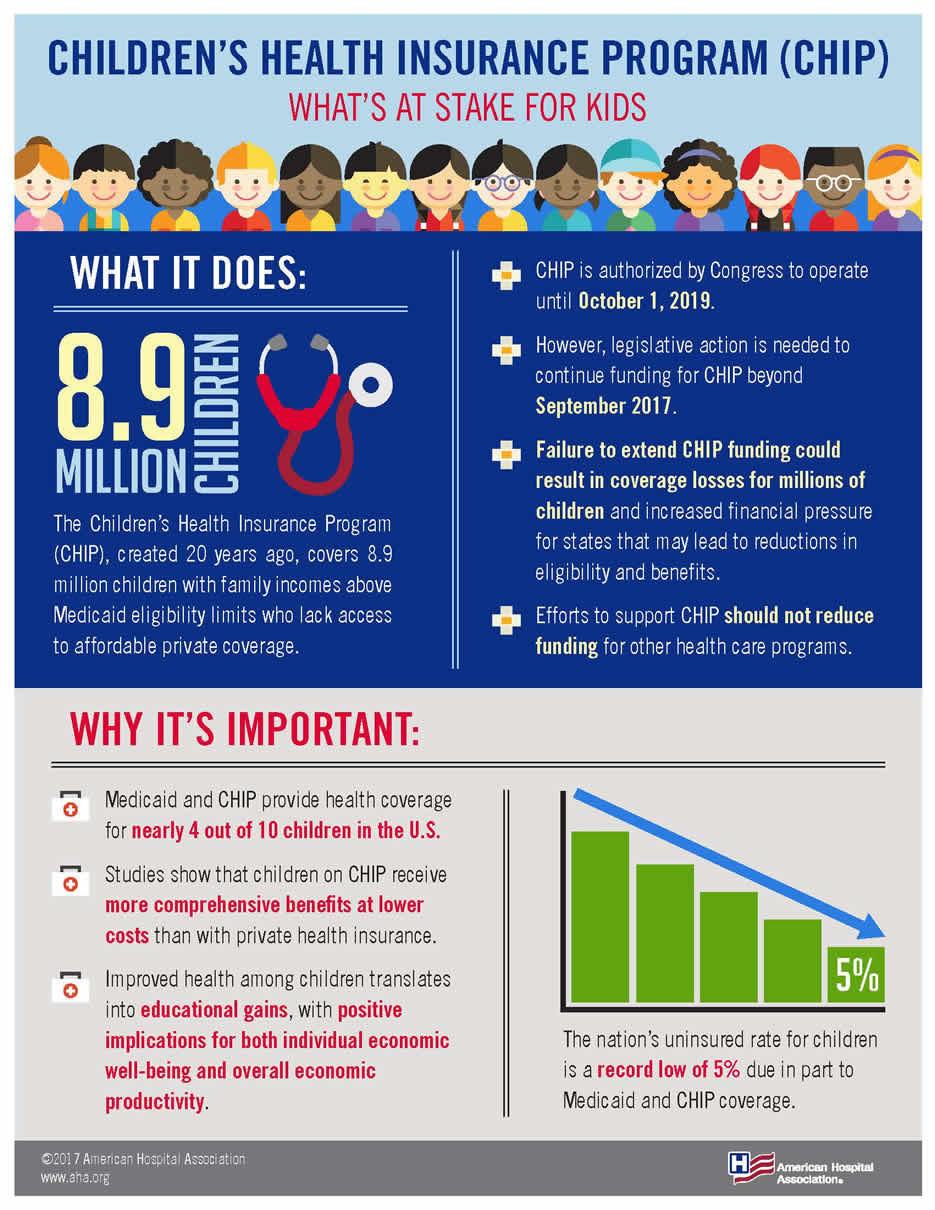
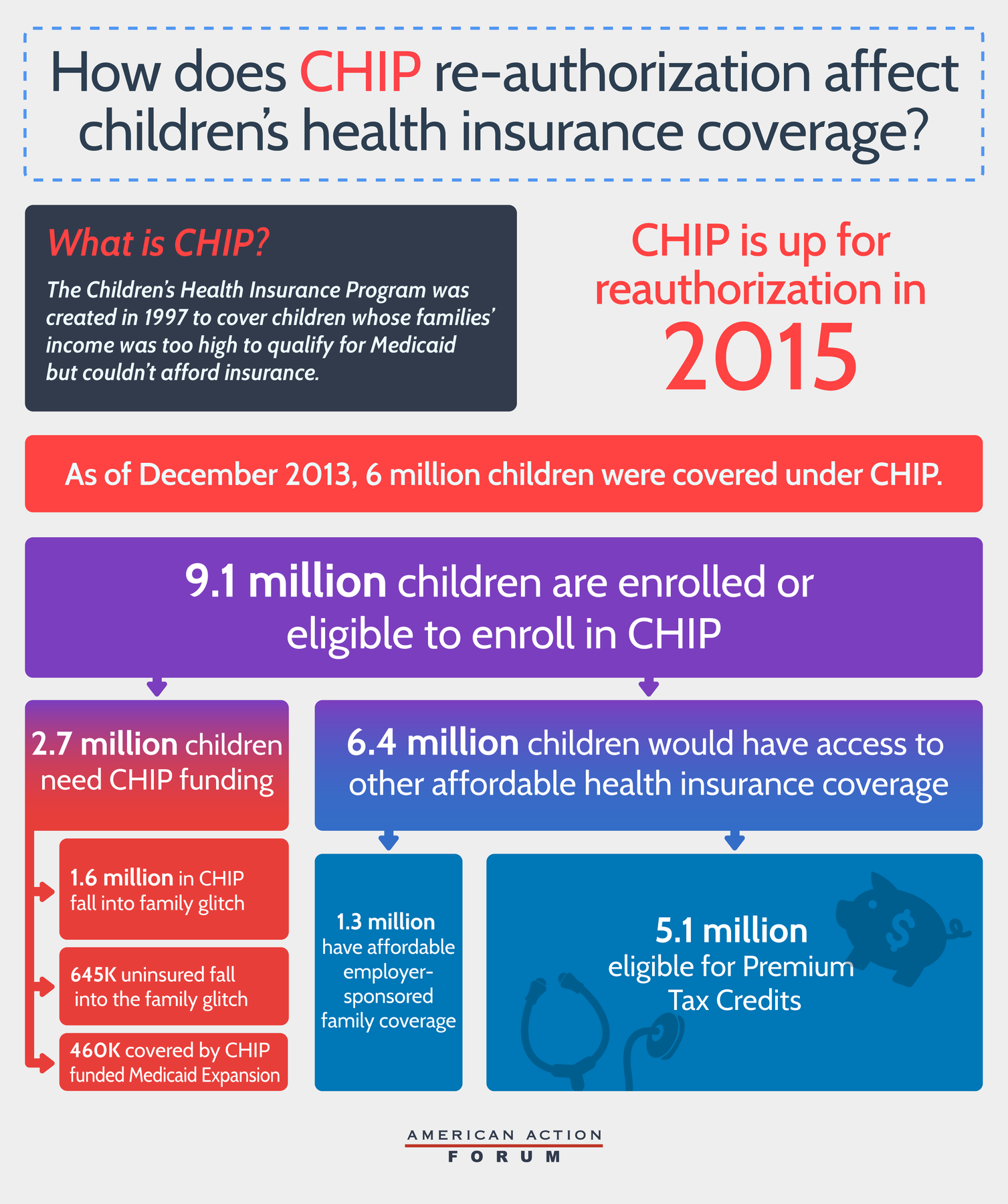
The Children’s Health Insurance Program, widely known as CHIP, stands as one of the most vital components of the American social safety net. Designed to bridge the coverage gap for millions of families, CHIP ensures that children have access to essential medical services, even when their parents earn too much to qualify for traditional Medicaid but cannot afford the high premiums of private employer-sponsored insurance. Understanding CHIP requires a deep dive into how it is funded, who it serves, and why it remains a pillar of modern financial stability for middle-income households.
The Financial Architecture of CHIP
CHIP is a unique federal-state partnership, established under the Balanced Budget Act of 1997. Unlike traditional insurance programs that rely solely on private premiums or standard federal entitlements, CHIP operates through a block-grant funding model supplemented by state-level administration. This structure allows states to tailor their programs to the specific demographic and economic needs of their populations while adhering to federal guidelines.
Federal Funding Mechanisms
The federal government provides the bulk of CHIP funding through what is known as the Enhanced Federal Medical Assistance Percentage (E-FMAP). This matching rate is consistently higher than the standard Medicaid matching rate, reflecting the program’s priority status. By covering a significant portion of the costs, the federal government incentivizes states to expand eligibility thresholds, ensuring that the “near-poor” working population does not fall through the cracks of the healthcare system.
State-Level Administration
Because CHIP is administered by states, the program’s name and specific rules vary geographically. In some states, CHIP is integrated directly into the Medicaid system, sharing the same provider networks and administrative portals. In others, it operates as a separate standalone program with distinct benefits packages. This variability means that a family’s out-of-pocket costs—such as premiums, deductibles, or co-pays—will fluctuate significantly depending on their state of residence. However, federal law restricts these costs; total annual out-of-pocket expenses for families enrolled in CHIP cannot exceed 5% of their gross annual income, providing a critical layer of financial predictability for household budgeting.
Eligibility and Financial Thresholds
Navigating the financial eligibility requirements for CHIP is a primary concern for many families. While the Affordable Care Act (ACA) standardized much of the enrollment process, the income limits remain a moving target based on the Federal Poverty Level (FPL).
Understanding the “Gap” Population
The target demographic for CHIP is the “working poor” and middle-income families. These are individuals who are gainfully employed but whose jobs do not provide affordable dependent coverage. Without CHIP, these families would be forced to choose between paying exorbitant private premiums—which can consume a massive percentage of a monthly budget—or opting for no insurance at all, exposing their household finances to the catastrophic risks associated with emergency medical expenses.
Income Calculations and Household Size
Eligibility is determined based on Modified Adjusted Gross Income (MAGI). This calculation considers taxable income and tax-exempt interest, providing a snapshot of a family’s financial reality. States set their own upper-income thresholds, often reaching up to 200% or even 300% of the FPL. By aligning CHIP eligibility with these thresholds, the program effectively mitigates the “cliff effect,” where a small raise in salary would otherwise lead to a total loss of public assistance and a subsequent increase in private insurance costs that exceeds the value of the raise.
Why CHIP is a Critical Financial Asset
Beyond the obvious medical benefits, CHIP functions as a financial planning tool. For families managing tight budgets, the stability of subsidized healthcare allows for the reallocation of capital toward other long-term financial goals, such as education savings, debt reduction, or emergency fund building.
Shielding Against Medical Debt
Medical debt is the leading cause of bankruptcy in the United States. Even insured adults often struggle with high deductibles and surprise billing. CHIP provides comprehensive coverage—including well-child visits, immunizations, dental care, and vision services—often with little to no out-of-pocket costs. By removing the financial uncertainty of routine health expenditures, CHIP acts as a hedge against the volatile nature of healthcare inflation. When a child’s health needs are covered, the risk of a sudden, unmanageable financial crisis drops significantly, protecting the family’s credit score and net worth.
Long-Term Economic Impacts
Investing in child health through programs like CHIP produces measurable economic dividends. Children who have consistent access to preventative care are less likely to miss school, which in turn reduces the need for parents to take unpaid leave from work. Furthermore, early detection of chronic conditions through CHIP-funded screenings leads to better management, preventing more expensive, complex interventions later in life. From a macro-financial perspective, CHIP is an investment in human capital, ensuring that the next generation enters the workforce with fewer health-related financial burdens.
Navigating the Enrollment and Renewal Process
For families interested in or currently utilizing CHIP, understanding the administrative life cycle of the program is essential for maintaining continuous coverage and avoiding lapses that could lead to medical debt.
Applying Through the Marketplace
The enrollment process is streamlined via the Health Insurance Marketplace (Healthcare.gov). Families submit a single application that screens for both Medicaid and CHIP eligibility. This “no-wrong-door” policy ensures that if a family’s income fluctuates, they are automatically routed to the most appropriate program without having to re-submit complex paperwork. This is a significant improvement over legacy systems and represents a modernization of social services.
Maintaining Eligibility and Reporting Changes
One of the most common pitfalls for CHIP beneficiaries is the failure to report changes in income or household size. Because the program is income-dependent, a significant shift in salary can move a family from CHIP eligibility to private insurance subsidies (or vice versa). Maintaining precise financial records and reporting changes to the state agency within the required timeframe is crucial. Many families utilize automated reminders to update their income data quarterly, ensuring they remain in compliance and do not face retroactive denials of coverage.
The Future of CHIP in the Financial Landscape
As healthcare costs continue to outpace inflation, the sustainability of CHIP is a frequent subject of legislative debate. For families, the takeaway is clear: CHIP is not just a health initiative; it is a vital fiscal safeguard.
Adapting to Economic Volatility
The COVID-19 pandemic highlighted the importance of programs like CHIP. As unemployment rates fluctuated and employer-sponsored coverage became unstable, CHIP served as a shock absorber for millions. Looking forward, the program’s ability to adapt to remote enrollment and digital verification processes has made it more accessible than ever. For the modern family, CHIP serves as a baseline of stability in an increasingly unpredictable economic environment.
Strategic Planning for Families
If you are a parent or guardian, viewing CHIP through the lens of personal finance is essential. Evaluate your total cost of coverage by comparing the premiums of employer-provided plans against the potential co-pays and premiums of state-specific CHIP programs. In many instances, even if an employer offers “decent” coverage, the aggregate cost of premiums for a family of four might still exceed the cost-efficiency of a state-subsidized plan. Always conduct a side-by-side analysis of your “total cost of care”—including premiums, deductibles, and anticipated service usage—before committing to a private plan during open enrollment.
By leveraging CHIP, families can effectively hedge their risks, keep their monthly expenditures predictable, and ensure that their children receive world-class care without compromising their long-term financial health. It is a cornerstone of responsible household finance, offering a safety net that encourages economic mobility while providing peace of mind.
aViewFromTheCave is a participant in the Amazon Services LLC Associates Program, an affiliate advertising program designed to provide a means for sites to earn advertising fees by advertising and linking to Amazon.com. Amazon, the Amazon logo, AmazonSupply, and the AmazonSupply logo are trademarks of Amazon.com, Inc. or its affiliates. As an Amazon Associate we earn affiliate commissions from qualifying purchases.