
The global financial markets are inherently sensitive to volatility, but few variables exert as much pressure on commodities, supply chains, and insurance premiums as the cyclical cooling of the equatorial Pacific Ocean. While meteorologists monitor the surface temperatures of the ocean, investors and business leaders must monitor the financial ripples created by La Niña. Understanding this phenomenon is not merely an exercise in climate science; it is a critical component of risk management, agricultural investing, and long-term financial strategy.
The Financial Mechanics of Climate Cycles
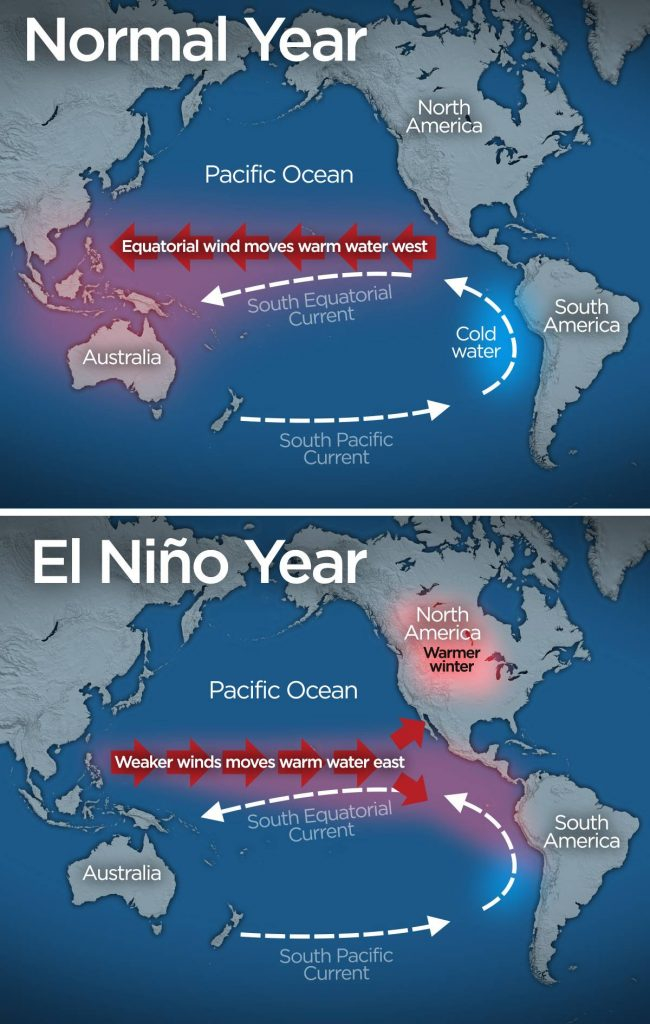
To navigate the economic implications of La Niña, one must first view it as a systemic risk factor. Unlike standard market fluctuations caused by interest rate hikes or geopolitical instability, La Niña is an environmental shift that dictates the cost of raw materials. When the trade winds strengthen, they push warm surface water toward the western Pacific, causing deep, cold water to rise in the eastern Pacific. This atmospheric adjustment creates a “climate shock” that disrupts global production hubs.

Commodities and Agricultural Volatility
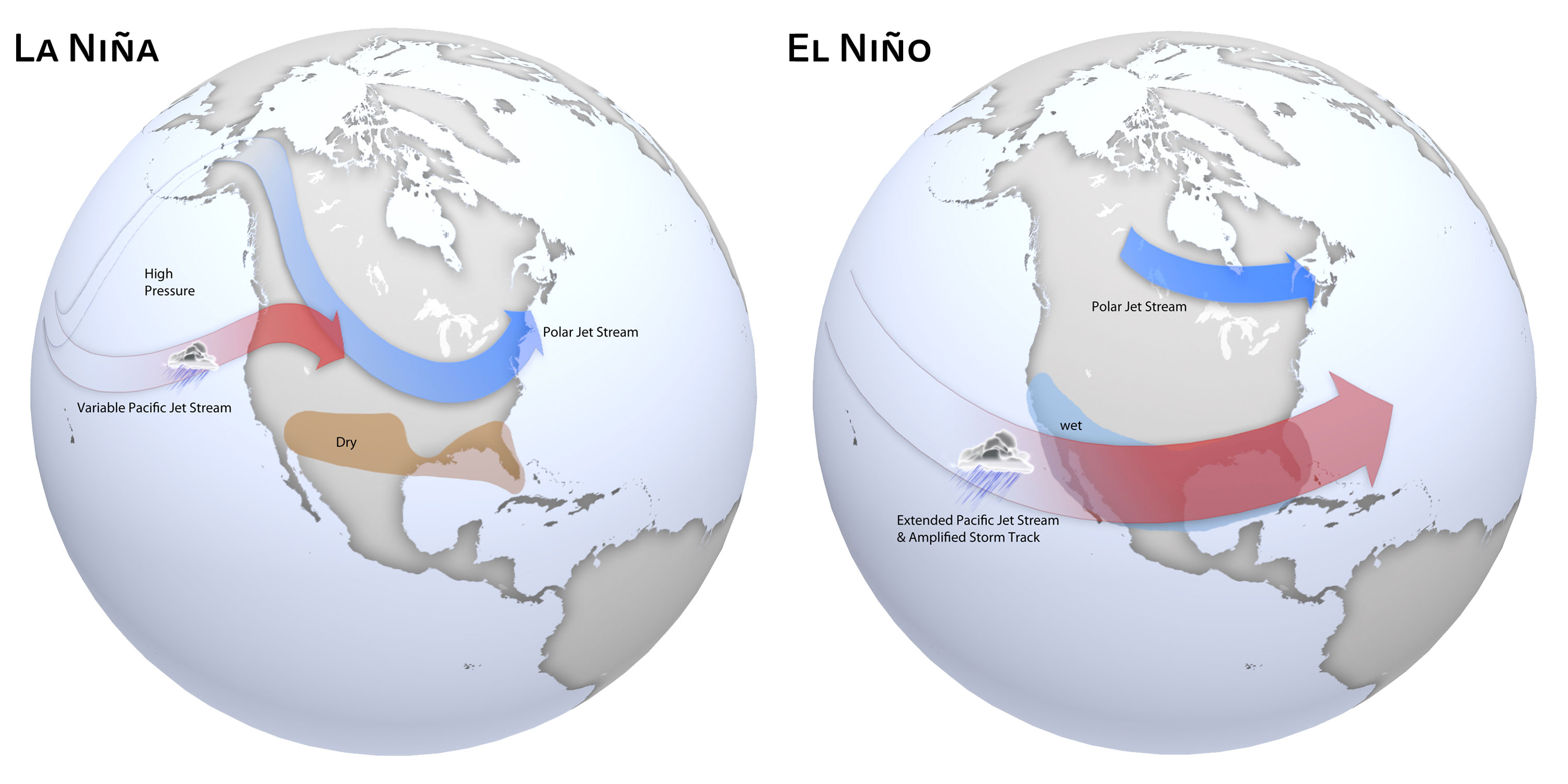
The primary financial impact of La Niña is felt in the agricultural sector. Because the phenomenon alters precipitation patterns globally—leading to droughts in the southern United States and South America while increasing rainfall in parts of Southeast Asia and Australia—it creates a divergence in commodity pricing. For an investor, this means that traditional hedging strategies may falter if they do not account for crop failure in key regions like Brazil or Argentina.
Soybean, corn, and wheat prices frequently oscillate based on the severity of La Niña. When drought threatens the Brazilian harvest, the resulting supply squeeze drives up futures prices. Investors who fail to track the ONI (Oceanic Niño Index) are essentially flying blind in the commodities market. A sophisticated portfolio strategy requires integrating meteorological data into quantitative trading models to predict supply-side shocks before they manifest in retail prices.
Supply Chain Logistics and Shipping Costs
Beyond agriculture, La Niña impacts the logistics sector, particularly regarding shipping infrastructure. Increased rainfall in Southeast Asia can lead to flooding that paralyzes port operations and disrupts manufacturing timelines. For businesses reliant on just-in-time inventory, these climate-induced delays act as a hidden tax on operations. When global supply chains tighten, the cost of container shipping spikes, reducing the profit margins of multinational corporations. Financial analysts must factor these climate risks into the “cost of goods sold” (COGS) projections for companies heavily exposed to Pacific trade routes.
Protecting Capital Against Climate-Driven Inflation
Financial health in the era of climate instability requires a pivot toward defensive asset allocation. When La Niña manifests, it often acts as an inflationary force, particularly for food and energy prices. This inflationary pressure forces central banks to navigate a difficult landscape, balancing growth with the rising cost of living. For the individual investor, the challenge lies in protecting purchasing power against these sudden climate-linked spikes.
The Role of Commodity Futures and ETFs
For those looking to gain exposure to or hedge against these movements, commodity ETFs have become essential tools. During a La Niña cycle, energy demand often shifts. In regions where hydro-electric power is the primary source of energy, extreme drought conditions can render dams ineffective, forcing a sudden pivot to fossil fuels. This transition creates short-term volatility in oil and natural gas prices. Savvy investors utilize inverse ETFs or commodity-specific funds to hedge their broader stock portfolios against the sectoral shocks that La Niña induces.
Insurance and Real Estate Exposure
Real estate investors should view La Niña through the lens of regional risk. In areas prone to intense hurricane activity—often exacerbated by La Niña—insurance premiums tend to surge. A property that seems financially viable under normal weather conditions can quickly become a liability if the climate cycle increases the frequency of natural disasters. When assessing the long-term ROI of real estate assets, one must account for “climate risk premiums” in the form of rising insurance costs and potential catastrophic loss, both of which erode the net operating income of an asset.
Corporate Resilience and Sustainable Investing
Modern corporate strategy is increasingly moving toward “climate-conscious” governance. Companies that ignore the financial reality of La Niña are now viewed as high-risk entities by institutional investors. Transparency regarding how a business mitigates climate-related disruption has become a standard metric in Environmental, Social, and Governance (ESG) reporting.
Asset Diversification as a Risk Mitigator
The most effective way to insulate a business portfolio from the impacts of La Niña is through geographic diversification. If a company relies on raw materials sourced from a single region in the Southern Hemisphere, it is effectively making a speculative bet on the climate. Smart corporate leadership mitigates this by fostering a multi-regional supply chain. By sourcing corn, for example, from both North and South America, a corporation ensures that a La Niña-induced drought in one hemisphere does not result in a total supply collapse.
Leveraging Predictive Data in Financial Forecasting
The integration of Big Data with meteorological forecasting is the next frontier of corporate finance. Companies are now employing data scientists to run simulations on how specific weather patterns impact their quarterly earnings. By treating climate as a variable in the financial model rather than an “act of God,” firms can proactively hedge currency risks and price their products more accurately. This shift from reactive to predictive management is what separates market leaders from those who consistently struggle during climate cycle transitions.
The Future of Climate-Linked Financial Planning
Looking ahead, the relationship between La Niña and financial markets will only grow more intimate. As global temperatures fluctuate, the intensity of these cyclical events may increase, leading to more frequent market corrections and supply chain interruptions. The investors and business owners who thrive in the coming decade will be those who master the intersection of finance and climatology.
Integrating Climate Data into Long-Term Planning
Financial planning should no longer treat the economy as a closed system. The ecosystem in which we operate is the ultimate foundation for all value creation. When drafting long-term financial plans, it is prudent to include “stress tests” that simulate the effects of multi-year climate cycles. How does your portfolio perform during a three-year period of severe drought? Is your income stream diversified enough to survive a spike in agricultural commodity prices? These are the questions that define modern wealth preservation.
Final Considerations for the Savvy Investor
Ultimately, La Niña is a constant reminder that the global economy is deeply tied to the natural world. Whether through the rising cost of morning coffee due to a disrupted bean harvest or the fluctuations in energy stocks, climate cycles permeate every level of our financial lives. By understanding these patterns, investors can stop being victims of the weather and start positioning themselves to capitalize on the shifts. Professional success today demands a holistic view, one that recognizes that the most profound market signals are often found in the wind, the waves, and the shifting temperature of the deep Pacific.
aViewFromTheCave is a participant in the Amazon Services LLC Associates Program, an affiliate advertising program designed to provide a means for sites to earn advertising fees by advertising and linking to Amazon.com. Amazon, the Amazon logo, AmazonSupply, and the AmazonSupply logo are trademarks of Amazon.com, Inc. or its affiliates. As an Amazon Associate we earn affiliate commissions from qualifying purchases.