
The National Football League (NFL) playoffs represent the pinnacle of professional sports, where the narrative of a season shifts from accumulation to elimination. At the center of this postseason infrastructure lies the “Wildcard” system, a strategic mechanism designed to ensure that the league’s most competitive teams—even those who do not finish at the top of their respective divisions—earn a path to the championship. Understanding the Wildcard is essential to grasping the business of professional football, the parity of the league, and the financial stakes involved in postseason expansion.
The Structural Mechanics of the Wildcard System
In the NFL, the playoff bracket is not simply an aggregation of the best overall records in the league. Instead, it is a rigid structure built upon the foundation of divisional success. The league is split into two conferences: the American Football Conference (AFC) and the National Football Conference (NFC). Each conference is divided into four divisions (North, South, East, and West).
Divisional Winners and Seeding
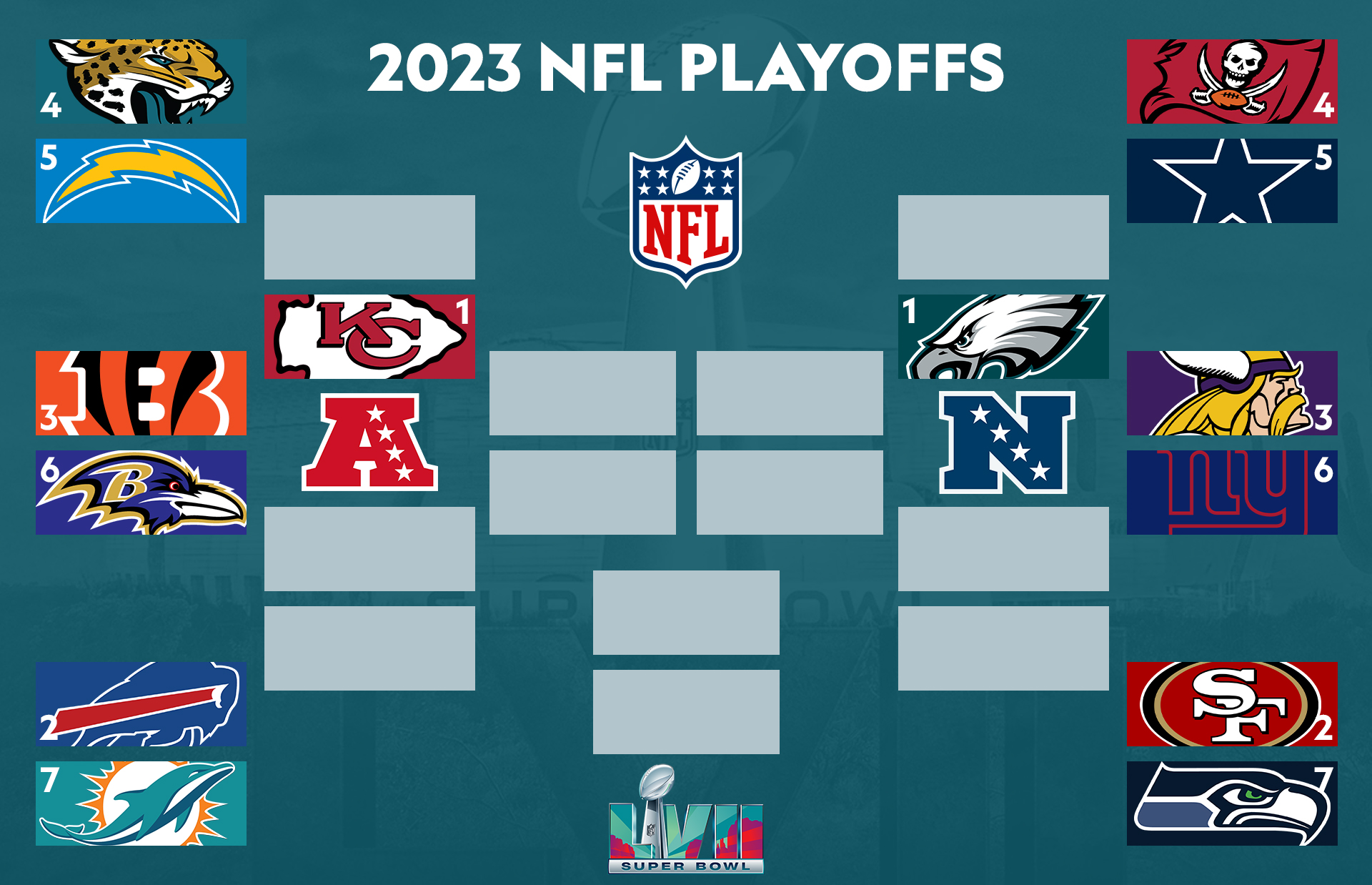
At the conclusion of the 17-game regular season, the team with the best record in each of the four divisions automatically qualifies for the playoffs. These teams are awarded the top four seeds (1 through 4) based on their win-loss percentages and tie-breaking procedures. The top seed in each conference receives a “first-round bye,” meaning they advance directly to the second round, essentially serving as a reward for superior regular-season performance.
The Role of the Wildcard Teams
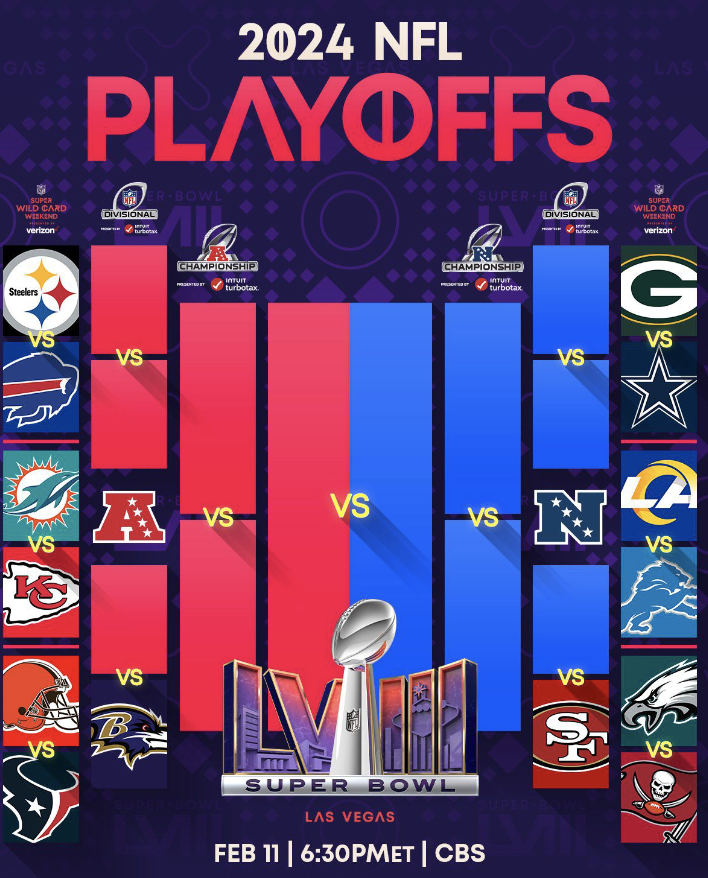
The Wildcard teams are the “best of the rest.” After the four division winners are seeded, the next three teams in each conference with the best remaining regular-season records are selected as Wildcard entries. These teams occupy the 5th, 6th, and 7th seeds. Unlike division winners, Wildcard teams are required to play on the road against the higher-seeded division winners during the opening round of the playoffs, known as the “Super Wild Card Weekend.”
The Economic and Strategic Significance of Postseason Access
From a professional sports management perspective, the Wildcard system functions as a critical revenue generator and a safeguard for competitive balance. The NFL is a business built on viewership, and the expansion of the playoff field directly impacts franchise valuation and corporate sponsorship potential.
Expanding the Market
When the NFL expanded its playoff format to include a seventh seed in 2020, it did more than just add two extra games to the schedule; it kept more fan bases engaged until the final week of the season. In professional leagues, the “lame duck” period—where teams are mathematically eliminated from contention—depresses television ratings and merchandise sales. By creating a wider net for playoff entry, the league ensures that a larger percentage of its corporate stakeholders, broadcasters, and fans remain invested through January.
Strategic Roster Construction
For front offices and general managers, the presence of the Wildcard slot dictates how teams approach roster construction. Because the Wildcard offers a “second chance” for teams that may have struggled against divisional rivals, organizations are more willing to invest in high-cost veterans or aggressive salary cap management to secure those final spots. This has led to an era of “all-in” team building, where the goal is simply to reach the postseason tournament, where the volatility of single-elimination football takes over.
The Financial Implications for Franchises

The journey to the postseason through the Wildcard route has profound implications for a team’s financial health and long-term brand equity. Participation in the playoffs provides direct revenue streams that are distinct from the standard regular-season operational budget.
Direct Postseason Revenue
NFL teams receive a share of the league’s total playoff pool, which is funded by broadcast revenue generated during the postseason. Hosting a Wildcard game provides an additional windfall for the host team, including ticket sales, concessions, parking, and local hospitality expenditures. Conversely, the Wildcard teams themselves benefit from the increased national exposure, which serves as a powerful marketing vehicle for luxury suite renewals, premium sponsorships, and local advertising inventory.
Impact on Franchise Valuation
The prestige of a playoff appearance, regardless of whether a team enters as a division winner or a Wildcard, significantly impacts the brand valuation of an NFL franchise. Sponsors gravitate toward teams that demonstrate a persistent ability to reach the postseason. A franchise that consistently finds its way into the bracket—even via the Wildcard route—is perceived as a “winning” brand. This perception is critical during stadium lease negotiations, municipal bond requests, and the procurement of naming rights, as cities are far more likely to support a team that maintains a high public profile.
Analyzing Competitive Parity and League Parity Models
The Wildcard system is often cited by economists and sports analysts as a primary driver of the NFL’s legendary competitive parity. Unlike European soccer leagues, where the wealth gap between top-tier and bottom-tier clubs often leads to static hierarchies, the NFL’s structure encourages turnover.
The “Any Given Sunday” Philosophy
The Wildcard system inherently rewards teams that get hot at the right time. Because Wildcard teams are often battle-tested by playing high-stakes football in the final weeks of the season to secure their spot, they frequently enter the playoffs with a momentum advantage. History is replete with examples of Wildcard teams—such as the 2005 Pittsburgh Steelers or the 2010 Green Bay Packers—that utilized their underdog status to steamroll through the competition and eventually hoist the Lombardi Trophy.
Balancing Equity and Merit
Critics occasionally argue that the Wildcard system waters down the importance of the regular season, allowing teams with mediocre records to gain access to the championship tournament. However, from a league parity standpoint, this is a feature, not a bug. By allowing the 5th, 6th, and 7th seeds to participate, the NFL prevents the dominance of a few powerful divisions. It forces every team to consider the “Wildcard threshold” as a minimum requirement for success. This pressure keeps the financial and competitive ceiling of the league high, as teams cannot afford to rest on their laurels, even if they fail to capture their division title.
Future Outlook on Playoff Expansion and Financial Scaling
As the NFL continues to explore global expansion and increased digital streaming partnerships, the structure of the playoffs is likely to remain a focal point of future negotiations between the league office and the Players Association.
Digital Monetization and the Wildcard
With the rise of streaming platforms like Peacock and Amazon Prime, postseason games have become the highest-valued inventory in media. The Wildcard round, specifically, has become a massive testing ground for exclusive digital-only broadcasting. By increasing the number of games in the Wildcard round, the NFL is essentially creating more “must-watch” digital content, which justifies higher pricing for media rights.
Sustaining the Model
The success of the Wildcard model is a testament to the league’s ability to synthesize sports entertainment with sophisticated business strategy. By offering a clearly defined, attainable, and highly incentivized path to the championship for seven teams in each conference, the NFL maintains a high degree of fan engagement throughout the entire calendar year. Whether viewed through the lens of a fan hoping for a miracle playoff run or a business executive analyzing the bottom line, the Wildcard remains one of the most vital components of the modern NFL landscape. It is the ultimate equalizer, ensuring that in the business of professional football, every game, every drive, and every point carries significant financial and strategic weight.
aViewFromTheCave is a participant in the Amazon Services LLC Associates Program, an affiliate advertising program designed to provide a means for sites to earn advertising fees by advertising and linking to Amazon.com. Amazon, the Amazon logo, AmazonSupply, and the AmazonSupply logo are trademarks of Amazon.com, Inc. or its affiliates. As an Amazon Associate we earn affiliate commissions from qualifying purchases.