
The modern retail landscape is defined by the erosion of traditional category silos. Nowhere is this more apparent than in the strategic evolution of CVS Health. By integrating MinuteClinic—a retail-based clinical provider—directly into their brick-and-mortar pharmacies, CVS has transitioned from a simple convenience retailer to a comprehensive health ecosystem. For students of brand strategy, the MinuteClinic model offers a masterclass in how a corporate entity can leverage existing physical infrastructure to pivot its identity, enhance customer loyalty, and redefine its competitive moat.
The Strategic Logic of Brand Extension
When a brand occupies the consumer consciousness as a “drugstore,” it faces inherent limitations. By launching MinuteClinic, CVS moved beyond the transactional business of selling consumer packaged goods (CPG) and moved into the high-value realm of healthcare services. This is a classic case of brand extension, where a company uses an established brand name to enter a new, albeit related, category.
Leveraging the Trust Anchor
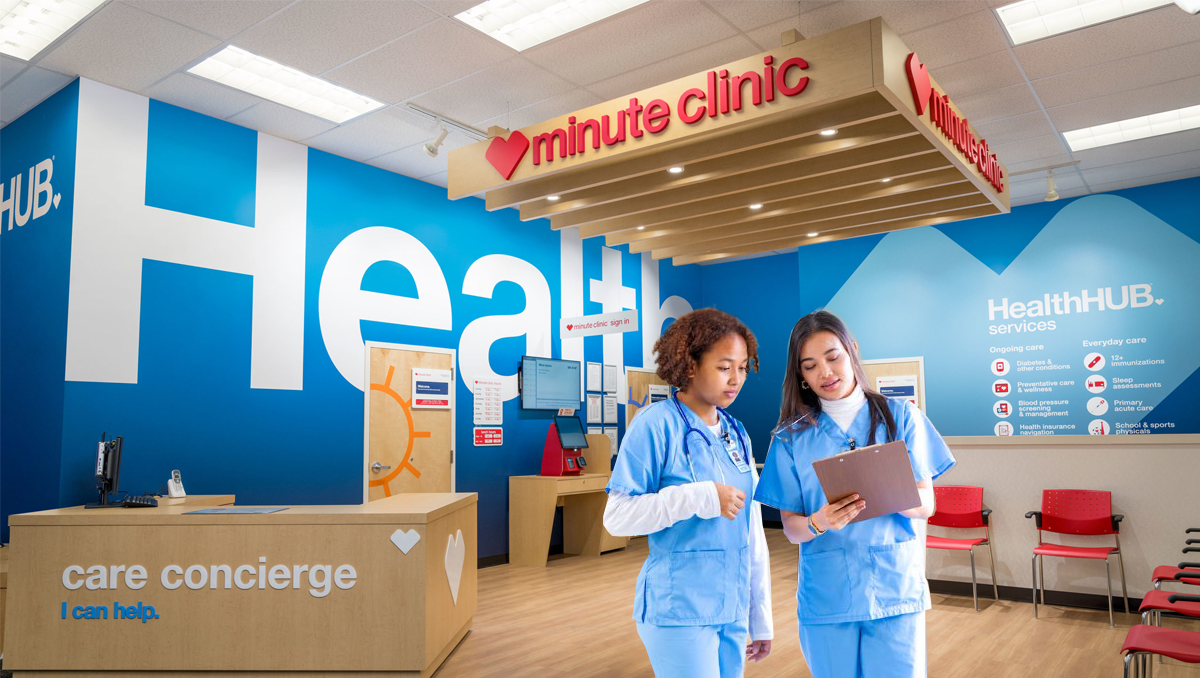
The primary challenge of introducing a clinic inside a pharmacy is consumer skepticism regarding the quality of care. CVS mitigated this through a calculated brand strategy: associating their retail footprint with institutional reliability. By positioning the MinuteClinic as a professional, standardized, and accessible health resource, CVS transformed its stores from locations where one buys medicine to locations where one receives medical diagnosis and treatment. This synergy turns the pharmacy into a “one-stop shop,” increasing foot traffic and creating a sticky consumer behavior loop.
Optimizing the Real Estate Asset
From a corporate identity standpoint, the physical store is often a brand’s greatest liability due to high overhead. MinuteClinic maximizes the utility of this real estate. By transforming underutilized floor space into revenue-generating clinical suites, CVS optimizes its cost-per-square-foot. This isn’t merely a service add-on; it is a structural redesign of the retail identity. The storefront is no longer just a place to pick up prescriptions; it is a point-of-care destination, effectively distancing the brand from competitors that remain tethered to the traditional retail-only model.
Redefining the Patient Experience through Design
In marketing, the “product” is often defined by the experience of the service delivery. MinuteClinic’s design philosophy is rooted in the concepts of accessibility and friction reduction. In the healthcare sector, friction usually manifests as long wait times, scheduling difficulties, and opaque billing. MinuteClinic was strategically branded to solve these specific pain points.
The Aesthetics of Accessibility
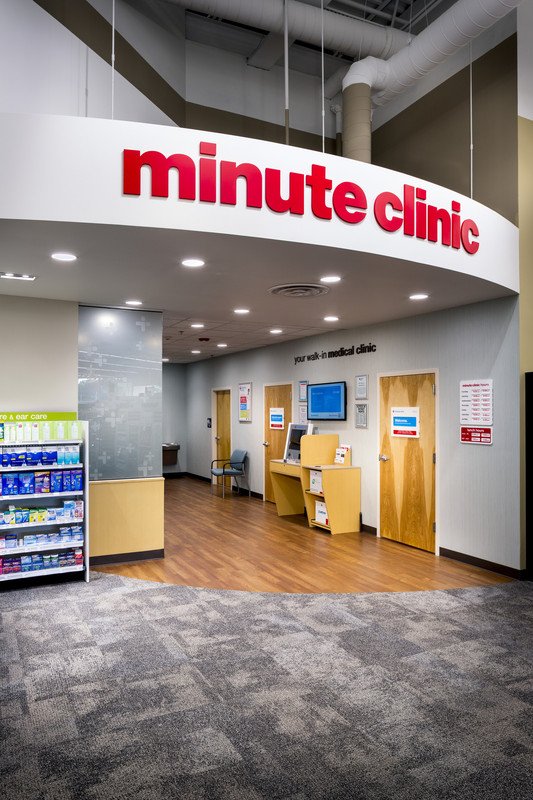
The branding of MinuteClinic centers on a clean, clinical, and approachable aesthetic. The physical layout—positioned near the pharmacy counter—creates a seamless psychological transition for the patient. By standardizing the environment across thousands of locations, CVS builds brand equity through consistency. Patients know exactly what to expect, regardless of their location, which is a powerful driver of brand loyalty in the healthcare space.
Digital Integration and Omni-channel Strategy
A critical component of the modern brand identity is the digital-to-physical bridge. MinuteClinic serves as a physical manifestation of CVS’s broader digital health strategy. Through the CVS mobile app, users can check wait times, schedule appointments, and view clinical records. This digital overlay reinforces the brand’s position as a tech-forward health leader. It turns the retail experience into an “omni-channel” journey, where the brand interacts with the consumer long before they set foot in the store, and continues that interaction through follow-up reminders and pharmacy integration.
Market Positioning and Competitive Differentiation
The retail clinic space is highly competitive, populated by independent urgent care chains and hospital-affiliated systems. CVS’s decision to brand MinuteClinic as a fundamental pillar of their corporate identity provides a significant defensive advantage.
Establishing the “Health-First” Brand Archetype
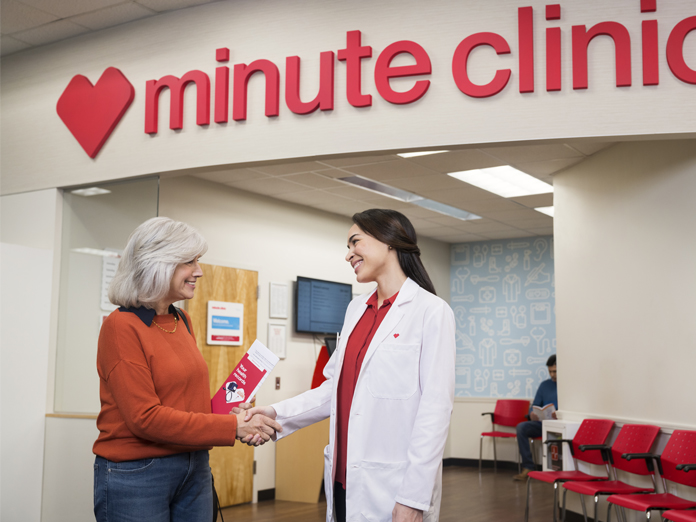
Marketing scholars often categorize brands into archetypes. CVS, through the integration of MinuteClinic, has successfully shifted its archetype from “The Caregiver” (a standard retail provider) to “The Trusted Advisor.” By embedding clinicians into the shopping experience, the brand signals that it is not merely interested in selling products, but in actively managing the consumer’s health outcomes. This shift is vital for long-term brand equity; it insulates CVS against pure-play retail competitors who lack the clinical authority that comes with having doctors and nurse practitioners on-site.
The Power of Synergy in Marketing
From a strategic perspective, the MinuteClinic provides the brand with a unique marketing hook. It allows CVS to launch cross-promotional campaigns that feel organic rather than forced. A patient treated at a MinuteClinic for a sinus infection is naturally directed to the pharmacy counter to fulfill the prescription. This internal referral loop is the ultimate goal of effective brand integration: creating a ecosystem where every touchpoint feeds the next. It reduces the “customer acquisition cost” because the patient is already inside the store ecosystem.
Future-Proofing through Clinical Integration
As we look toward the future of brand management, the MinuteClinic model highlights the necessity of “service-first” branding. Traditional retail is increasingly vulnerable to e-commerce disruption, yet physical health services cannot be automated via web portals. By anchoring their identity in clinical services, CVS has essentially “future-proofed” their retail assets.
Scaling and Standardization
One of the greatest challenges for any growing brand is maintaining quality as the service scales. CVS’s branding success with MinuteClinic relies heavily on a rigid, corporate-driven standardization protocol. Every clinic follows strict operating procedures, medical guidelines, and aesthetic designs. This gives the consumer peace of mind. For a brand to successfully pivot into a new vertical like healthcare, it must be seen as a paragon of reliability. CVS uses their massive corporate scale to validate the clinic’s credibility, effectively outsourcing trust from the parent corporation to the clinical units.
Long-Term Brand Value
Ultimately, the MinuteClinic is an exercise in brand resilience. By shifting the conversation from “retail prices” to “health outcomes,” CVS successfully elevated its value proposition. They have moved from being a participant in the commodity market to a leader in the service-oriented economy. The lesson for other brands is clear: look at your existing physical and digital assets and ask not what they can sell, but what problems they can solve. When a brand solves a significant life problem—like the frustration of waiting days for a doctor’s appointment—it earns a level of loyalty that no amount of advertising can buy. The MinuteClinic at CVS stands as a testament to the fact that when you integrate service into the core of your brand, you don’t just win customers; you create a permanent role for yourself in their lives.
aViewFromTheCave is a participant in the Amazon Services LLC Associates Program, an affiliate advertising program designed to provide a means for sites to earn advertising fees by advertising and linking to Amazon.com. Amazon, the Amazon logo, AmazonSupply, and the AmazonSupply logo are trademarks of Amazon.com, Inc. or its affiliates. As an Amazon Associate we earn affiliate commissions from qualifying purchases.