
The ROI of Physical Activity: A Strategic Asset for Financial Growth
In the landscape of modern professional development, we often obsess over optimization, networking, and technical skill acquisition. However, the most critical “capital” an entrepreneur or professional possesses is their biological engine. Viewing physical activity through the lens of personal finance and business efficiency reveals a profound truth: exercise is not a recreational expense—it is a high-yield investment. When you treat your physical health as a foundational asset, the dividends manifest in increased cognitive performance, enhanced decision-making speed, and the stamina required to scale businesses or manage complex portfolios.
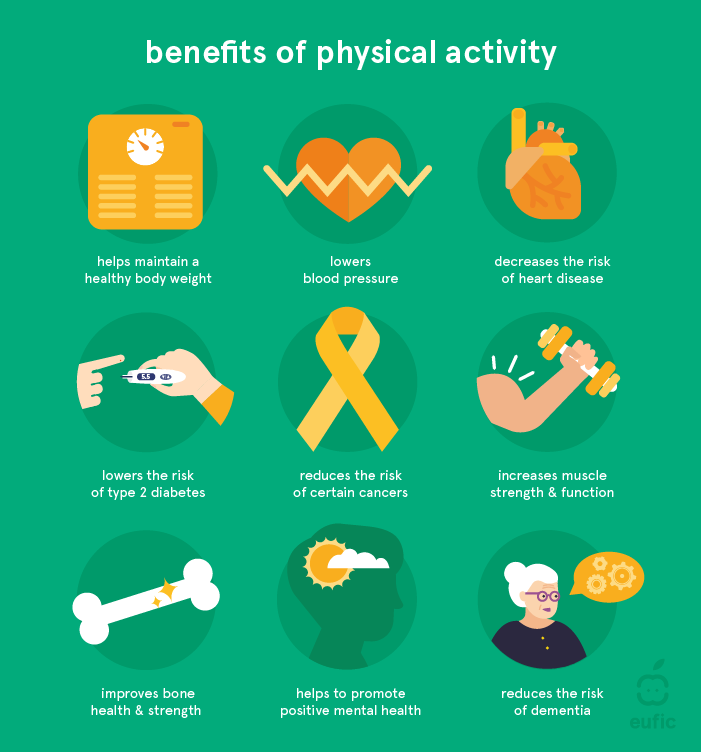
The correlation between physical exertion and financial output is backed by data. Professionals who maintain a consistent fitness regimen report higher levels of focus and emotional stability during market volatility. By integrating physical activity into your professional routine, you are essentially engaging in “biological asset management.” The goal is to maximize the longevity and performance of your most valuable tool: your brain.
Cognitive Capital: The Neuroscience of High-Performance Decision Making
The primary benefit of physical activity for the high-achieving individual is the enhancement of executive function. In the world of finance and business, the ability to process complex information, identify patterns, and mitigate risk is what separates the average from the elite.
Neurogenesis and Brain-Derived Neurotrophic Factor (BDNF)
Physical activity, particularly cardiovascular exercise, stimulates the production of BDNF, a protein often referred to as “Miracle-Gro for the brain.” This protein promotes neurogenesis—the birth of new neurons—and improves the connections between them. For the professional, this means faster processing speeds, improved memory retention, and a greater capacity to learn new technical skills, such as algorithmic trading or complex tax law.
Stress Mitigation as Risk Management
Business is inherently stressful. When the body is under chronic stress, the brain releases cortisol, which inhibits long-term memory and executive function. Exercise acts as a physiological “circuit breaker.” By elevating the heart rate and inducing minor controlled physical stress, the body learns to regulate its response to adrenaline. This translates to the boardroom; the individual who exercises regularly remains calm under pressure, making rational, data-driven decisions while competitors are sidelined by emotional reactivity.
Building the Stamina for Scaling and Sustained Hustle
The path to financial independence—whether through building a scalable company, managing a real estate empire, or climbing the corporate ladder—is a marathon, not a sprint. Burnout is the single greatest threat to wealth accumulation. Physical activity is the structural integrity that prevents the “collapse” of a professional career.
Optimizing the “Work-Rest” Cycle
Many professionals fail to realize that physical inactivity leads to mental fatigue, not physical rest. Sedentary behavior creates a physiological stagnation that clouds judgment and lowers output. By incorporating high-intensity interval training (HIIT) or strength training, you optimize your internal metabolic efficiency. This leads to higher energy reserves throughout the workday. When you return to your terminal or your strategy meetings at 4:00 PM, you do so with the same acuity you possessed at 9:00 AM.
The Compounding Effect of Discipline
Physical activity is the ultimate benchmark for self-discipline. The process of adhering to a training schedule mirrors the process of adhering to a financial plan or a business strategy. The compounding effect of daily movement—the small, incremental improvements in strength, endurance, and body composition—serves as a constant reminder of how consistent, small inputs lead to massive outputs over time. This mindset is directly transferable to investment portfolios. If you can maintain the discipline to hit your physical targets, you are exponentially more likely to hit your revenue and savings targets.
Strategic Integration: Optimizing Your Schedule for Maximum Yield
If physical activity is an investment, it must be managed with the same rigor as a portfolio. Time is a finite resource; therefore, the most successful individuals prioritize “low-time-investment, high-impact” exercise protocols.
The Entrepreneur’s Training Protocol
For those juggling multiple revenue streams, efficiency is non-negotiable.
- Time-Boxing: Treat your workout as a high-priority meeting. It is non-negotiable, scheduled, and protected from “scope creep” by other business obligations.
- The “Productivity Workout”: Utilize functional training that maximizes metabolic output in under 45 minutes. This creates a high return on your time investment, allowing you to return to income-generating activities without sacrificing physical gains.
- Strategic Recovery: Just as one rebalances a portfolio during a market cycle, you must integrate active recovery into your fitness regimen. This prevents injury—the “bankruptcy” of your physical asset—ensuring your capability remains consistent over a 20-to-30-year career.
Reducing Long-Term Financial Liabilities
One of the most overlooked financial benefits of physical activity is the mitigation of future healthcare liabilities. Chronic diseases stemming from a sedentary lifestyle—such as hypertension, Type 2 diabetes, and cardiovascular issues—are massive financial drains. By investing in physical health today, you are effectively hedging against the future risk of high medical expenses and the loss of earning potential. The cost of a gym membership or home training equipment is minuscule compared to the potential loss of “human capital” due to preventable health issues.
The Wealthy Mindset: Connecting Physical Health to Fiscal Success
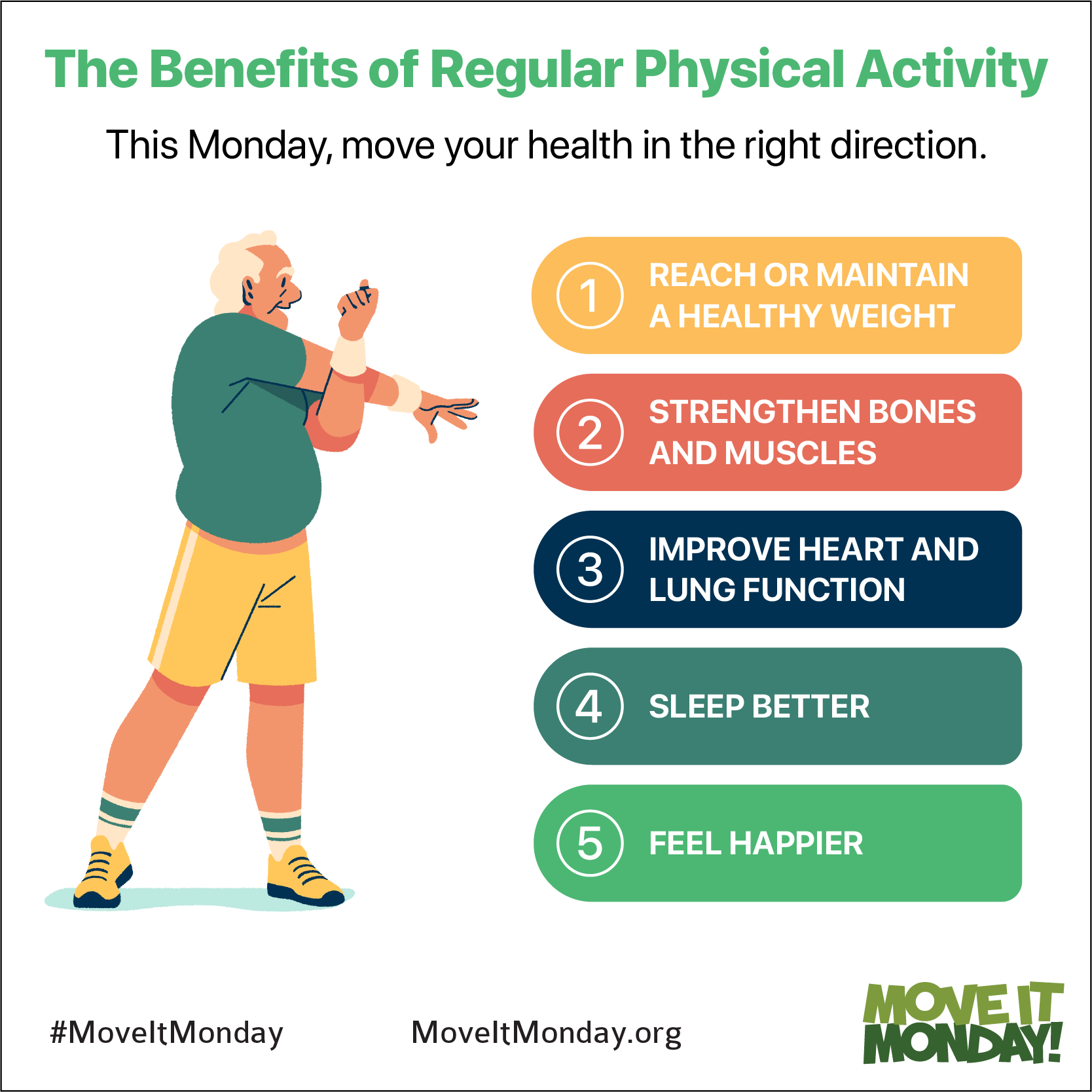
Ultimately, the benefit of physical activity extends beyond the metrics of heart rate or muscle mass; it fundamentally shifts your internal narrative regarding what you are capable of achieving.
In the realm of personal finance, we often talk about “compounding interest” and “leverage.” Physical fitness is the only form of leverage that improves all other facets of life. When you feel physically strong, you exude more confidence in negotiations. When you are mentally sharp, you identify market opportunities that others miss. When you have high energy, you possess the raw stamina to build assets that outlast your competitors.
Consider your physical condition as the infrastructure upon which your financial legacy is built. A crumbling infrastructure cannot support a growing business or a complex investment strategy. Conversely, a robust, well-maintained biological platform provides the stability required to take risks, withstand economic downturns, and execute on long-term visions.
The next time you evaluate your quarterly goals, stop to assess your physical output. Ask yourself: “Am I maintaining my most valuable asset?” If the answer is no, view your next workout not as a distraction from your work, but as a mandatory capital expenditure. By investing in your physiology, you are securing your financial future, sharpening your competitive edge, and ensuring that you have the vitality to enjoy the success you are working so hard to build. The market rewards those who are agile, focused, and persistent—and those qualities are forged in the gym just as surely as they are in the office.
aViewFromTheCave is a participant in the Amazon Services LLC Associates Program, an affiliate advertising program designed to provide a means for sites to earn advertising fees by advertising and linking to Amazon.com. Amazon, the Amazon logo, AmazonSupply, and the AmazonSupply logo are trademarks of Amazon.com, Inc. or its affiliates. As an Amazon Associate we earn affiliate commissions from qualifying purchases.