
Financial stress and the physical manifestations of high blood pressure share a cyclical, symbiotic relationship. When we discuss long-term wealth building, we often focus on market returns, tax-advantaged accounts, and asset allocation, yet we frequently ignore the most significant liability on our personal balance sheet: our health. High blood pressure, often called the “silent killer,” is not merely a medical concern; it is a financial risk factor that can erode net worth through mounting healthcare costs, diminished productivity, and forced early retirement. To protect your financial future, you must treat your physiological health with the same rigor you apply to your investment portfolio.
The Cost of Neglect: Viewing Health as a Financial Asset
The financial impact of hypertension is profound. From a personal finance perspective, chronic illness acts as a tax on your income. Every dollar diverted toward treating avoidable complications is a dollar removed from your compounding potential.
The Direct Costs of Hypertension
When blood pressure remains chronically elevated, the vascular system sustains damage that leads to expensive interventions. Prescription medications, regular monitoring, and potential emergency room visits create a recurring “expense ratio” on your lifestyle. If left unmanaged, the progression to stroke or heart disease can trigger bankruptcy-level financial events. In the United States, cardiovascular-related out-of-pocket expenses represent one of the primary drivers of medical debt, which remains the leading cause of individual bankruptcy filings.
Productivity and Wealth Accumulation
Beyond direct medical costs, hypertension exerts a toll on “human capital”—your ability to earn, innovate, and work efficiently. Fatigue, cognitive fog, and the stress associated with managing a chronic condition significantly degrade daily performance. In high-stakes professional environments, these impairments can lead to missed promotions, stalled career progression, or the inability to execute complex financial decisions. By investing in blood pressure management, you are effectively protecting your primary income stream, which remains the most important tool for wealth creation throughout your career.
Implementing a Fiscal Strategy for Vascular Health
To lower blood pressure, one must approach the body with the same strategic planning used for a diversified investment portfolio. This involves auditing your “inputs” (diet, stress, and lifestyle) and optimizing them for long-term dividends.
Diet as a Managed Portfolio
Think of your nutritional intake as a capital allocation exercise. High-sodium diets are the equivalent of high-interest debt; they drain your resources and strain your system. Transitioning to a heart-healthy diet—specifically the DASH (Dietary Approaches to Stop Hypertension) model—is a low-risk, high-reward strategy.
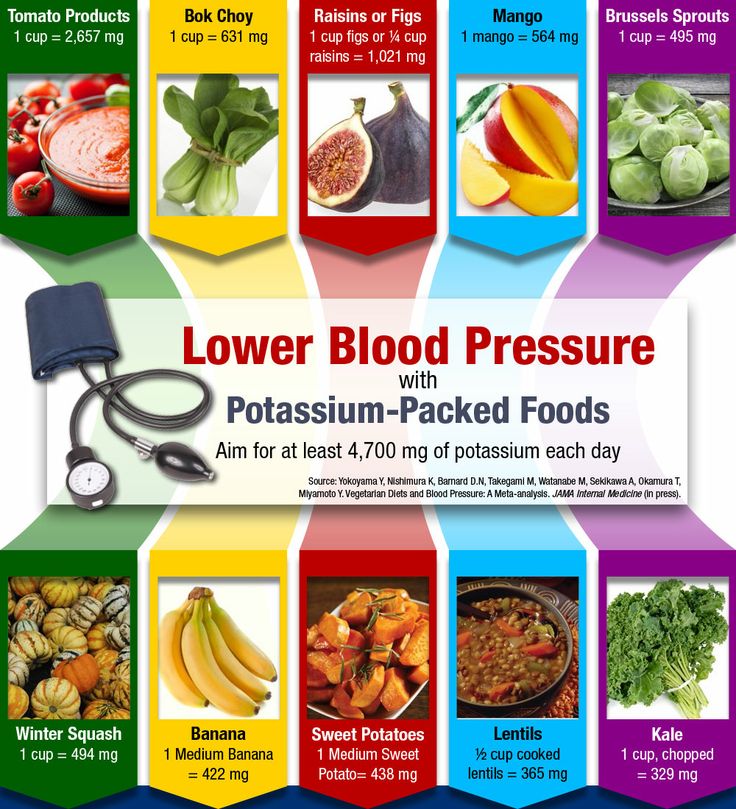
- Asset Diversification: Just as you diversify stocks, diversify your nutrient intake. Focus on potassium-rich foods like leafy greens, bananas, and sweet potatoes, which act as a natural hedge against sodium-induced pressure.
- Reducing “Bad Debt”: Minimize processed foods and excess sugar. These are “toxic assets” that cause inflammation and endothelial dysfunction, directly contributing to arterial stiffening.
The Return on Physical Activity
Exercise is the ultimate yield-enhancer for your cardiovascular system. Consistent aerobic activity—brisk walking, cycling, or swimming—functions like a dividend-reinvestment program. It keeps your arteries flexible and improves blood flow. Aiming for 150 minutes of moderate activity per week acts as an insurance policy, reducing the risk of vascular failure and ensuring that your body maintains the longevity required to see your long-term investments reach maturity.
Optimizing Financial Systems to Reduce Stress
Financial stress is a primary driver of sustained cortisol elevation, which directly increases blood pressure. If your financial house is in disorder, your physical health will inevitably reflect that chaos. Reducing financial anxiety is not just about mental peace; it is a clinical intervention for hypertension.
Automating Financial Security
The psychological burden of manual bill payments, worrying about unexpected expenses, and tracking market volatility can be mitigated through automation.
- The Emergency Fund Buffer: An emergency fund acts as a volatility hedge. When you have six months of living expenses in a liquid savings account, unexpected life events—a car repair or temporary unemployment—no longer trigger a fight-or-flight response. Lowering the “alarm bells” in your brain helps normalize autonomic nervous system function.
- Automated Investing: By automating your savings and investment contributions, you remove the emotional labor associated with decision-making. Removing “decision fatigue” reduces the background stress that keeps blood pressure levels elevated.
Debt Consolidation and Mental Clarity
High-interest consumer debt is a recurring psychological tax. The shame, frustration, and worry associated with credit card debt create a physiological feedback loop of hypertension. Prioritizing a debt-payoff strategy (such as the debt avalanche method) provides not only financial relief but a clear biological reduction in stress markers. When you see your debt balance trending downward, your parasympathetic nervous system is better able to regulate your heart rate and vascular tone.
The Long-Term ROI of Lifestyle Management
Strategic wealth management is incomplete without a maintenance schedule. Just as you rebalance your portfolio, you must periodically audit your lifestyle habits to ensure they are aligned with the goal of lowering blood pressure.
Monitoring as a Tool for Accountability
In finance, you track your net worth and asset performance. In health, you must track your biometric data. Investing in a reliable, clinically validated blood pressure monitor allows you to track your progress and identify correlations between your lifestyle choices and your health metrics. This data-driven approach creates accountability. If you notice a spike in readings following a high-stress week or a cycle of poor dietary choices, you can adjust your “strategy” accordingly, much like you would adjust your portfolio after a quarterly performance review.
Sleep: The Non-Negotiable Asset
Sleep is often the first asset liquidated when life becomes busy, but it is the most critical factor in blood pressure regulation. During deep sleep, your body undergoes the necessary repairs to manage inflammation and reset your heart rate. Chronic sleep deprivation is a liability that compounds over time. Prioritizing seven to nine hours of quality sleep is a foundational financial decision; it ensures that you remain cognitively sharp, emotionally stable, and physically capable of managing your finances for the long haul.

Integrating Health into Your Master Financial Plan
High blood pressure is a manageable condition, but it requires the same discipline, strategy, and long-term vision as retirement planning. If you ignore your health, the potential for catastrophic loss—measured in both dollars and years of life—is immense.
By viewing your blood pressure as a vital component of your net worth, you change the framework from “following medical advice” to “protecting your investment.” When you eat for heart health, you are investing in your future ability to earn. When you automate your finances to reduce stress, you are lowering your body’s internal volatility. When you prioritize sleep and exercise, you are ensuring the longevity of your most valuable asset: yourself.
Treating hypertension is not a sprint toward a temporary metric; it is a lifelong commitment to sound wealth management. Start today by reviewing your “balance sheet”—assess your intake, simplify your financial systems to reduce stress, and commit to the consistent actions that yield long-term physiological interest. Your bank account will eventually reflect the stability of your health, just as your health will reflect the security of your financial strategy. Protect your assets, manage your liabilities, and secure your future by prioritizing the management of your blood pressure today.
aViewFromTheCave is a participant in the Amazon Services LLC Associates Program, an affiliate advertising program designed to provide a means for sites to earn advertising fees by advertising and linking to Amazon.com. Amazon, the Amazon logo, AmazonSupply, and the AmazonSupply logo are trademarks of Amazon.com, Inc. or its affiliates. As an Amazon Associate we earn affiliate commissions from qualifying purchases.