
The health of your scalp is the foundation of healthy hair, yet it is frequently overlooked until discomfort arises. A dry, itchy scalp is not merely a nuisance; it is a signal from your skin that its protective barrier has been compromised. Whether caused by environmental shifts, product buildup, or underlying dermatological conditions, restoring balance to the scalp requires a strategic, multifaceted approach. Understanding the biology of your scalp skin is the first step toward effective mitigation and long-term relief.
Decoding the Root Causes of Scalp Dryness
Before selecting treatments, it is essential to distinguish between simple dryness and inflammatory conditions. The scalp is skin, just like the skin on your face or hands, but it is more densely packed with hair follicles and sebaceous glands. When these glands fail to produce enough sebum—or when that moisture is stripped away—the result is flaking, tightness, and persistent pruritus (itching).

Environmental and Lifestyle Triggers
Our modern environment is often hostile to scalp health. Dry, cold winter air, coupled with the use of indoor heating, creates a low-humidity atmosphere that rapidly wicks moisture away from the skin. Furthermore, excessive washing with harsh surfactants can disrupt the scalp’s natural acid mantle, leading to chronic dryness. Lifestyle factors, such as high stress levels, can also trigger physiological responses that manifest as scalp inflammation, exacerbating the sensation of itching.
The Role of Product Overload
Modern haircare routines often involve an array of styling agents, dry shampoos, and leave-in conditioners. While these products provide aesthetic benefits, they can accumulate on the scalp. This buildup creates a barrier that prevents the skin from breathing, leads to follicular congestion, and traps bacteria or fungi. When the scalp cannot shed dead skin cells properly because they are glued down by heavy silicones or resins, the result is irritation and flaking that mimics dandruff but is often just a reaction to product misuse.
Targeted Topical Interventions
Addressing a dry, itchy scalp requires shifting from aggressive cleaning to gentle nourishment. The goal is to repair the moisture barrier while soothing the underlying inflammation that triggers the itch-scratch cycle.
The Power of Botanical Oils
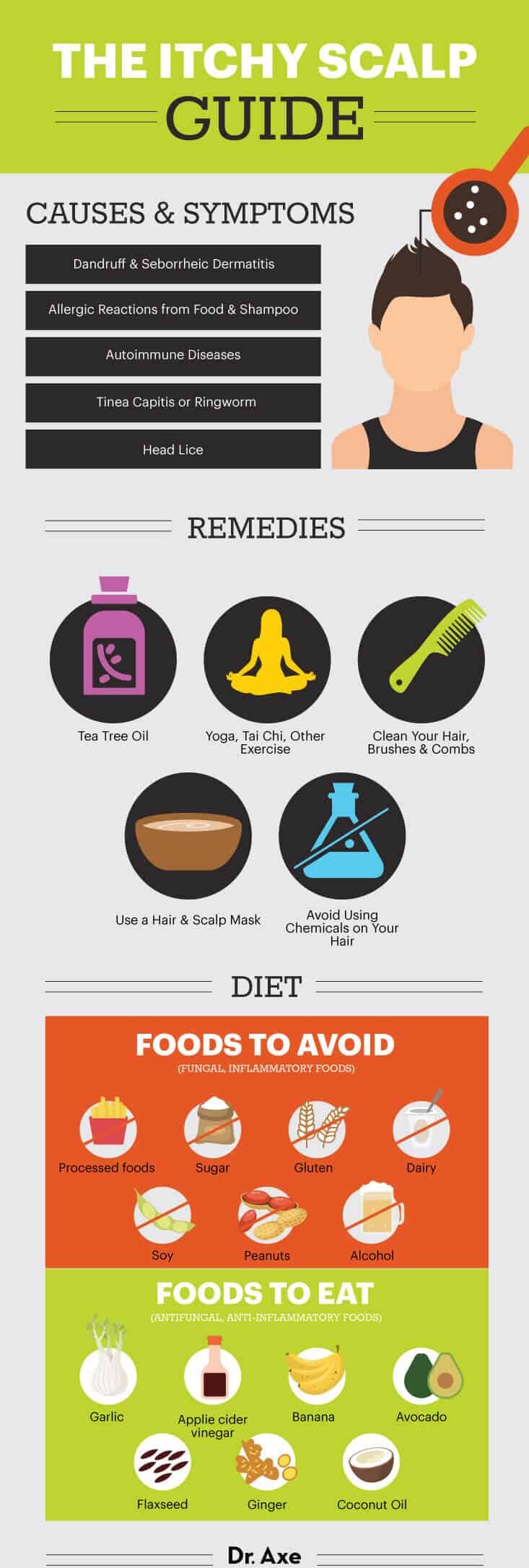
Natural lipids are highly effective at mimicking human sebum, making them excellent candidates for scalp restoration. Coconut oil, rich in lauric acid, possesses antimicrobial properties that can help if the dryness is exacerbated by a fungal imbalance. Jojoba oil is particularly effective because its chemical structure is nearly identical to our own natural oils, allowing it to penetrate the scalp surface without leaving a greasy residue. For best results, warm the oil slightly and massage it into the scalp using the pads of your fingers, focusing on the areas where itching is most intense. This not only moisturizes but also improves blood circulation to the follicles.
Selecting the Right Surfactants
If your scalp is chronically dry, the most impactful change you can make is switching to a sulfate-free shampoo. Sodium Lauryl Sulfate (SLS) and its derivatives are effective at stripping oil, which is why they are common in household cleaners, but they are often too harsh for a compromised scalp. Look for formulas that utilize glucosides or amphoteric surfactants. These are much gentler, removing surface debris without stripping the vital oils that keep the scalp supple. Additionally, seek out humectants like aloe vera, glycerin, or hyaluronic acid in your wash-off products to ensure that hydration is being deposited rather than just removed.
Exfoliation for Skin Turnover
Just as we exfoliate our faces to remove dead skin cells, the scalp benefits from periodic exfoliation. Physical scrubs—those containing sugar or salt—can be effective, provided they are fine-grained and used gently to avoid micro-tearing the scalp. Chemical exfoliants, such as those containing Salicylic Acid (a BHA) or Alpha Hydroxy Acids (AHAs like glycolic or lactic acid), are often superior. These acids gently dissolve the bonds holding dead skin cells to the scalp surface, allowing them to be washed away easily. This process clears the path for moisturizing treatments to penetrate deeper and prevents the accumulation that causes clogging.
Nutritional and Systemic Support
Topical treatments only solve half the equation. The health of your skin is a direct reflection of your internal physiological state. A scalp that is perpetually dry may be signaling a deficiency in essential fatty acids or a struggle with systemic inflammation.
The Importance of Essential Fatty Acids
Omega-3 fatty acids are critical for maintaining the lipid barrier of the skin. They help regulate oil production and prevent excessive water loss from the cells. Incorporating sources such as wild-caught salmon, chia seeds, walnuts, and flaxseeds into your diet can provide the necessary building blocks for healthy skin cell formation. If dietary intake is insufficient, high-quality fish oil or algae-based supplements can help replenish these stores, often resulting in a noticeable improvement in scalp hydration within a few weeks.
Hydration and Inflammation Management
Systemic dehydration frequently manifests as dry, flaky skin. While drinking water is necessary for overall health, it is not a cure-all for a localized dry scalp. However, keeping the body well-hydrated ensures that cellular metabolism can function optimally. Furthermore, reducing intake of inflammatory triggers—such as processed sugars and excessive alcohol—can decrease systemic stress levels. Inflammation is a primary driver of pruritus; by lowering the overall inflammatory load in the body, the scalp becomes less reactive and more resilient to environmental irritants.
When to Seek Professional Guidance
While many cases of dry, itchy scalp can be managed with at-home care, there are instances where professional intervention is required. If the condition persists despite your best efforts, it is vital to consult a dermatologist to rule out clinical conditions such as seborrheic dermatitis, psoriasis, or contact dermatitis.
Identifying Clinical Conditions
A dry scalp is often mistaken for dandruff, but these are distinct issues. Dandruff is typically caused by an overgrowth of Malassezia yeast and produces larger, yellowish, oily flakes. Conversely, dry scalp flakes are usually smaller, white, and dry. If you experience intense itching that leads to broken skin, weeping, or bleeding, you should avoid over-the-counter DIY remedies and seek medical advice. These symptoms could indicate an infection or an autoimmune response that requires prescription-grade anti-inflammatories or antifungal agents.
The Patch Test Protocol
If you suspect that your itchy scalp is a reaction to a specific product, perform a patch test. Apply a small amount of the product to the skin behind your ear or on your inner forearm and monitor it for 24 to 48 hours. If redness, swelling, or itching occurs, you have likely identified a sensitivity or allergic reaction. Modern cosmetic labeling allows you to cross-reference the ingredients list with known irritants. Fragrances and certain preservatives, such as methylisothiazolinone, are common culprits. Switching to “fragrance-free” or “hypoallergenic” formulations is often the key to resolving chronic irritation that standard moisturizing treatments cannot fix.
Building a Sustainable Maintenance Routine
Consistency is the ultimate determinant of success when treating a dry, itchy scalp. The skin cycle takes approximately 28 to 30 days; therefore, you should allow at least one month of consistent routine adjustment before evaluating the results.
Focus on a “less is more” philosophy. By minimizing the use of styling heat, reducing the frequency of washing, and selecting products based on their ability to support the moisture barrier, you create an environment where the scalp can heal itself. Integrate a gentle exfoliation session once every two weeks, follow up with a pH-balanced moisturizing conditioner, and protect your scalp from harsh weather with hats or scarves during peak winter months. By treating your scalp with the same level of care you provide your skin, you move beyond temporary relief and toward a state of lasting health and comfort.
aViewFromTheCave is a participant in the Amazon Services LLC Associates Program, an affiliate advertising program designed to provide a means for sites to earn advertising fees by advertising and linking to Amazon.com. Amazon, the Amazon logo, AmazonSupply, and the AmazonSupply logo are trademarks of Amazon.com, Inc. or its affiliates. As an Amazon Associate we earn affiliate commissions from qualifying purchases.