
Managing the financial implications of chronic health conditions like diverticulitis requires a proactive strategy that extends well beyond medical treatment. When a health crisis strikes, the intersection of physical recovery and financial stability becomes critical. Navigating the costs of emergency care, dietary shifts, and long-term maintenance requires a disciplined approach to personal finance, insurance utilization, and contingency planning.
Optimizing Your Healthcare Budget for Chronic Conditions
Managing diverticulitis often involves recurring costs that can strain even the most robust household budget. From diagnostic imaging like CT scans to specialized consultations and prescription medications, the financial toll can accumulate quickly. To maintain control over your finances while managing your health, you must approach medical spending with the same rigor you apply to investment management.

Leveraging High-Deductible Health Plans and HSAs
For those living with a chronic, flare-up-prone condition, a Health Savings Account (HSA) is one of the most powerful financial tools available. By contributing the maximum allowable amount, you are essentially creating a tax-advantaged vehicle specifically for your health needs. Unlike a Flexible Spending Account (FSA), HSA funds roll over from year to year, allowing you to build a dedicated medical emergency fund. If you experience a flare-up that requires an expensive hospital stay, having an HSA balance prevents you from having to tap into your retirement accounts or high-interest credit lines.
Negotiating Medical Billing and Hospital Transparency
Many patients fail to realize that medical bills are often negotiable, especially when dealing with non-emergency or post-flare-up diagnostic services. Before undergoing elective procedures or follow-up colonoscopies, request a detailed breakdown of costs. Compare these against your insurance provider’s “allowable” rates. If you are facing a significant bill, inquire about hospital financial assistance programs or “prompt pay” discounts. By treating the hospital like a vendor rather than a fixed-price service provider, you can often trim the financial impact of your recovery.
The Cost of Wellness: Investing in Preventive Nutrition
Diverticulitis is heavily influenced by diet, and the financial strategy behind your kitchen choices is just as important as your grocery list. While healthy eating is often perceived as expensive, it is far more cost-effective than the alternative of chronic flare-ups and recurring medical interventions.
Budget-Friendly Fiber and Probiotic Integration
High-fiber diets are the cornerstone of long-term diverticulitis management. However, organic specialty items can inflate your monthly grocery budget. A smarter financial approach is to focus on staple, high-fiber, low-cost foods. Legumes, lentils, oats, and seasonal cruciferous vegetables provide the fiber necessary for colon health without the premium price tag of processed “gut health” health-food products.
Furthermore, instead of purchasing expensive daily probiotic supplements, consider fermented foods like sauerkraut or kefir. Integrating these into your routine can provide the necessary gut biome support at a fraction of the cost of premium pharmacy-brand supplements. Over a fiscal year, this shift in purchasing behavior represents a significant saving that can be redirected into your emergency fund or health insurance deductible savings.
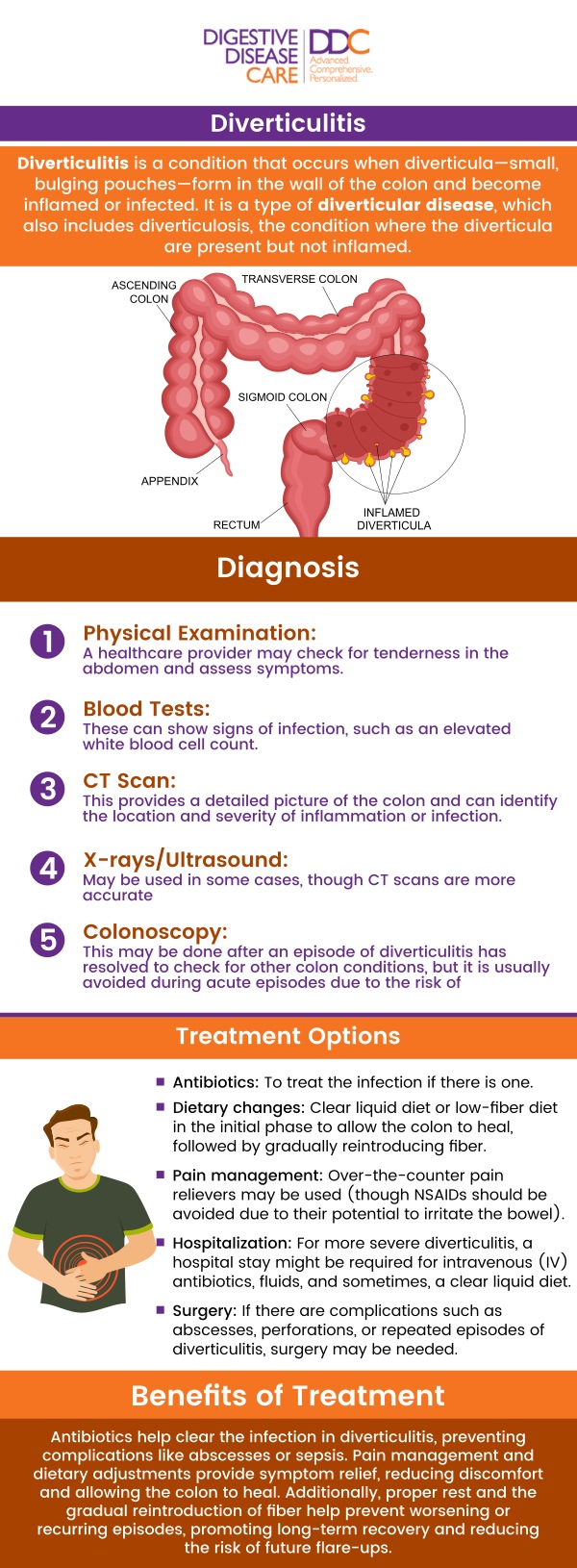
Avoiding “Convenience” Costs During Flare-ups
Financial instability often spikes during a health episode because patients tend to rely on convenience services. When physical pain makes cooking impossible, the immediate instinct is to resort to meal delivery apps or takeout, which are notoriously expensive and often counterproductive to a recovery diet. To mitigate this, establish a “health-contingency pantry.” Keep simple, gut-friendly staples—such as low-sodium canned soups, rice, and frozen steamed vegetables—stored specifically for when your health takes a turn. This reduces the urge to pay a premium for fast-food delivery during periods of incapacity.
Building a Health-Resilient Financial Portfolio
Financial stress is a known exacerbate of physical inflammation. If your finances are in a state of chaos, your recovery will likely be slower and more difficult. Building a financial portfolio that accounts for your health status is a core tenet of long-term wealth preservation.
Disability and Long-Term Care Insurance
If your diverticulitis is severe or frequent enough to interfere with your ability to work, your financial plan must include income protection. Relying solely on short-term sick leave is a dangerous strategy. Review your employer-provided long-term disability policy, or if you are self-employed, investigate the feasibility of private disability insurance. This serves as an insurance policy against the “worst-case scenario” where your health prevents you from maintaining your primary income source.
The Opportunity Cost of Health Neglect
In the world of finance, we often talk about the “cost of inaction.” When it comes to diverticulitis, the cost of inaction is exponentially higher than the cost of management. Ignoring symptoms or skipping necessary follow-ups because of “concerns about costs” often leads to complications like diverticular perforation or abscesses. These complications transition a manageable health issue into a major surgical event, potentially resulting in weeks of lost income and five-figure hospital bills. Therefore, investing in your health early is, mathematically, the best investment you can make for your net worth.
Strategic Allocation of Financial Resources
Managing your physical health is a long-term project that requires the same strategic allocation of resources as a retirement portfolio. By optimizing how you pay for care, how you manage your recurring health expenses, and how you protect your income, you decouple your financial future from your medical condition.
Emergency Fund Segmentation
Standard financial advice suggests keeping three to six months of expenses in an emergency fund. For individuals managing a chronic condition, consider an “enhanced” emergency fund. Allocate a portion of your savings that is exclusively liquid and accessible for medical emergencies. By segregating these funds, you create a psychological and practical buffer that prevents a health flare-up from derailing your long-term goals, such as home ownership, business expansion, or retirement saving.
Utilizing Telehealth for Financial Efficiency
The rise of digital health tools has fundamentally shifted the economics of routine check-ups. Instead of taking a full day off work for an in-person visit—which incurs the hidden cost of lost productivity or PTO usage—leverage telehealth consultations for minor check-ins or medication adjustments. Most insurers now cover these at a lower copay rate than physical office visits. By optimizing your interaction with the healthcare system, you conserve both your time and your capital, allowing you to allocate those resources toward higher-yield areas of your financial life.
Living with diverticulitis does not have to mean living with financial uncertainty. By viewing your health management through a financial lens, you turn a challenge into a manageable, budgeted, and optimized aspect of your lifestyle. Discipline in your diet, awareness of your medical billing, and strategic use of tax-advantaged accounts will allow you to prioritize your recovery without compromising your long-term financial security. Focus on the systemic approach: treat your health like a business, and you will secure both your body and your bank account against future disruption.
aViewFromTheCave is a participant in the Amazon Services LLC Associates Program, an affiliate advertising program designed to provide a means for sites to earn advertising fees by advertising and linking to Amazon.com. Amazon, the Amazon logo, AmazonSupply, and the AmazonSupply logo are trademarks of Amazon.com, Inc. or its affiliates. As an Amazon Associate we earn affiliate commissions from qualifying purchases.