
Achieving stability in blood sugar is often framed exclusively as a medical or nutritional endeavor. However, the intersection between personal finance and health outcomes is profound. Managing blood sugar levels requires consistent investment—both of time and capital—and the ability to navigate a marketplace saturated with expensive supplements, specialized diets, and health-tech wearables. If you are looking to stabilize your physiological metrics, you must first stabilize your financial approach to healthcare.
The Cost of Reactive Health Management
Financial health and physical health are inextricably linked. Many individuals find themselves in a cycle of “reactive spending,” where blood sugar spikes lead to emergency health interventions, prescription costs, and lost productivity. To move toward a model of preventative wellness, one must treat health maintenance as a line item in a long-term investment portfolio.

Budgeting for Consistent Quality
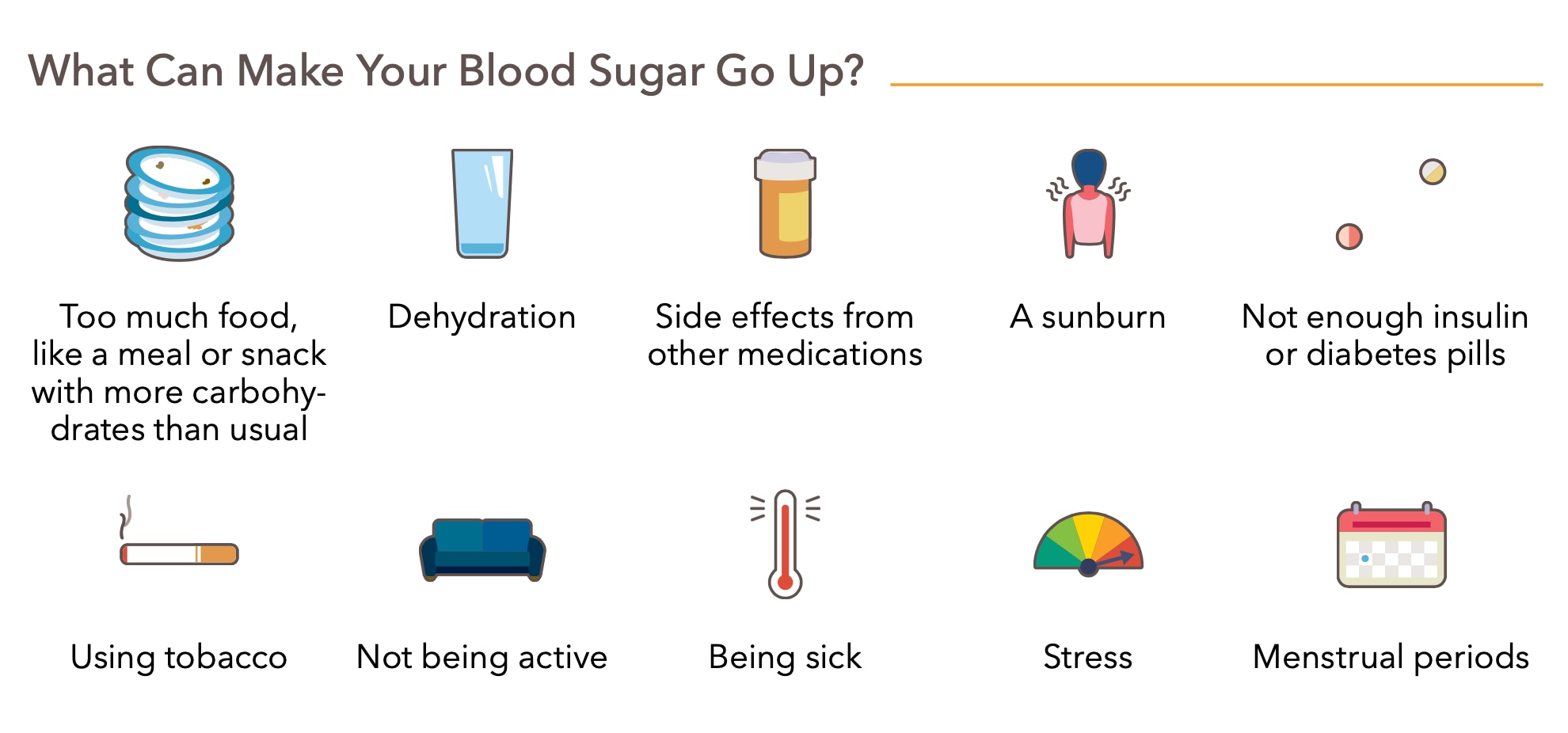
A common financial pitfall in the pursuit of stable blood sugar is the impulse to purchase high-priced “superfoods” or trendy supplements that lack long-term clinical efficacy. True stability often comes from the consistent purchase of staples: fiber-rich vegetables, quality proteins, and healthy fats. By shifting your budget toward a structured grocery plan rather than impulse purchases, you reduce the volatility of your monthly food expenditure. When you allocate funds effectively, you ensure that high-quality nutrition is always available, preventing the “last-minute, high-sugar” convenience food purchases that devastate blood glucose levels.
The ROI of Health-Tech Integration
Modern technology has revolutionized how we monitor physiological trends. Continuous Glucose Monitors (CGMs) have transitioned from niche medical devices to accessible tools for the proactive individual. While these devices represent a recurring monthly expense, they offer a significant return on investment (ROI) by providing real-time data. By seeing exactly how your body responds to specific inputs—be it a morning bagel or a stress-induced late-night snack—you eliminate the guesswork. This data-driven approach prevents the “hidden costs” of trial and error, allowing you to optimize your spending on groceries that actually keep your glucose levels within a healthy range.
Strategic Allocation of Healthcare Capital
Managing your blood sugar is a long-term asset management strategy. Just as you would diversify your investment portfolio to mitigate risk, you must diversify your health interventions to prevent metabolic volatility.
Prioritizing Preventative Infrastructure
Investing in your metabolic health should be viewed as a capital expenditure. This includes gym memberships, home exercise equipment, or subscription-based platforms that provide structured movement routines. Physical activity is the most potent “dividend” for blood sugar management; it improves insulin sensitivity and allows the body to process carbohydrates more efficiently. When you treat your physical movement as a mandatory line item in your budget, you transform it from a luxury into a functional necessity for maintaining long-term health and avoiding the high costs of future chronic care.
Utilizing Health Savings Accounts (HSAs) and FSAs
Many individuals fail to leverage the financial vehicles designed specifically to offset the costs of metabolic management. Health Savings Accounts (HSAs) and Flexible Spending Accounts (FSAs) provide tax-advantaged ways to pay for blood sugar testing supplies, prescribed supplements, and even certain fitness programs if deemed medically necessary. By utilizing these accounts, you effectively reduce the “sticker price” of your health interventions by the percentage of your marginal tax rate. A strategic financial plan incorporates these accounts to ensure that your health journey is as cost-effective as possible.

The Economic Efficiency of Habits
In the context of financial wellness, efficiency is defined as achieving the maximum result with the minimum expenditure of resources. When it comes to blood sugar, the most efficient habits are often those that cost nothing but require consistent discipline.
The Financial Advantage of Meal Prepping
Meal prepping is the ultimate exercise in financial and physiological optimization. It mitigates the “convenience tax”—the premium paid for processed, pre-packaged foods that are often hidden sources of glucose-spiking sugars and refined carbohydrates. By dedicating a specific time each week to preparing your own meals, you reduce your food-per-meal cost while simultaneously gaining total control over your glycemic load. This discipline prevents the financial drain of frequent dining out, where the quality of ingredients is often outside your control and the cost is significantly higher.
Opportunity Cost and Productivity
High blood sugar volatility leads to “brain fog,” energy crashes, and diminished professional output. From a financial perspective, the cost of sub-optimal health is measured in lost wages and missed professional opportunities. By maintaining stable blood sugar, you enhance your cognitive clarity and energy levels throughout the workday. This performance boost is an intangible asset that directly impacts your earning potential. When your blood sugar is stable, your ability to focus, negotiate, and execute complex tasks increases, thereby increasing your professional value.
Long-Term Asset Protection: Preventing Future Liabilities
If you view your body as your primary asset, chronic conditions resulting from uncontrolled blood sugar are the ultimate liability. They represent a significant drag on your net worth due to rising medical premiums, potential long-term care needs, and the erosion of your ability to enjoy your accumulated wealth.
The Compounding Interest of Small Changes
Much like compound interest, small, consistent changes in lifestyle yield exponential results over time. Walking for fifteen minutes after a meal is a low-cost, high-impact habit that blunts postprandial glucose spikes. Over a decade, this simple habit protects your cardiovascular health and metabolic function, significantly reducing the probability of developing expensive chronic conditions. The financial wisdom here is clear: invest in small, sustainable behaviors today to avoid the massive, non-discretionary expenses of health failure tomorrow.
Managing Stress as a Financial Risk Factor
Stress is a significant, often overlooked driver of blood sugar fluctuations. Cortisol, the body’s primary stress hormone, triggers the liver to release glucose into the bloodstream. From a finance perspective, chronic stress is an expensive drain on your physical capital. Investing in stress-management tools—whether through meditation apps, counseling, or scheduled downtime—is a protective measure for your metabolic health. By minimizing stress, you effectively manage one of the most volatile variables in your blood sugar profile, saving yourself from the physical and financial consequences of sustained hyperglycemia.
Designing a Sustainable Health Future
Ultimately, managing blood sugar is an exercise in resource management. It requires an audit of how you spend your time, how you allocate your money, and what values you prioritize in your daily life. By viewing your health through the lens of financial strategy—prioritizing data-driven decisions, leveraging tax-advantaged accounts, and focusing on high-ROI habits—you create a foundation for long-term stability.
A disciplined approach to your metabolic health is not about temporary deprivation or expensive trends; it is about building a system that allows you to thrive. As with any investment, the earlier you start and the more consistent you are, the greater the rewards will be. Protect your capital, manage your liabilities, and view every nutritional and lifestyle choice as a strategic decision designed to secure your most valuable asset: your long-term health.
aViewFromTheCave is a participant in the Amazon Services LLC Associates Program, an affiliate advertising program designed to provide a means for sites to earn advertising fees by advertising and linking to Amazon.com. Amazon, the Amazon logo, AmazonSupply, and the AmazonSupply logo are trademarks of Amazon.com, Inc. or its affiliates. As an Amazon Associate we earn affiliate commissions from qualifying purchases.