
A dental infection is more than a biological crisis; it is an immediate, high-stakes financial event. When the throbbing reality of an abscess sets in, the average individual faces an intersection of urgent medical necessity and significant out-of-pocket expenditure. In the landscape of personal finance, a tooth infection represents a “forced expense”—a situation where the lack of liquid capital can lead to systemic health degradation and, eventually, exponentially higher costs. Managing this crisis requires a strategic approach to budgeting, insurance navigation, and emergency funding.
The Cost of Delayed Treatment: Calculating the Financial Risk
Ignoring a dental infection is a classic example of poor financial risk management. The initial treatment for an early-stage infection, such as a root canal or a simple extraction, represents a fixed, manageable expense. However, when the condition progresses to a systemic infection requiring emergency room intervention, IV antibiotics, or complex oral surgery, the financial burden shifts from a predictable invoice to a catastrophic liability.
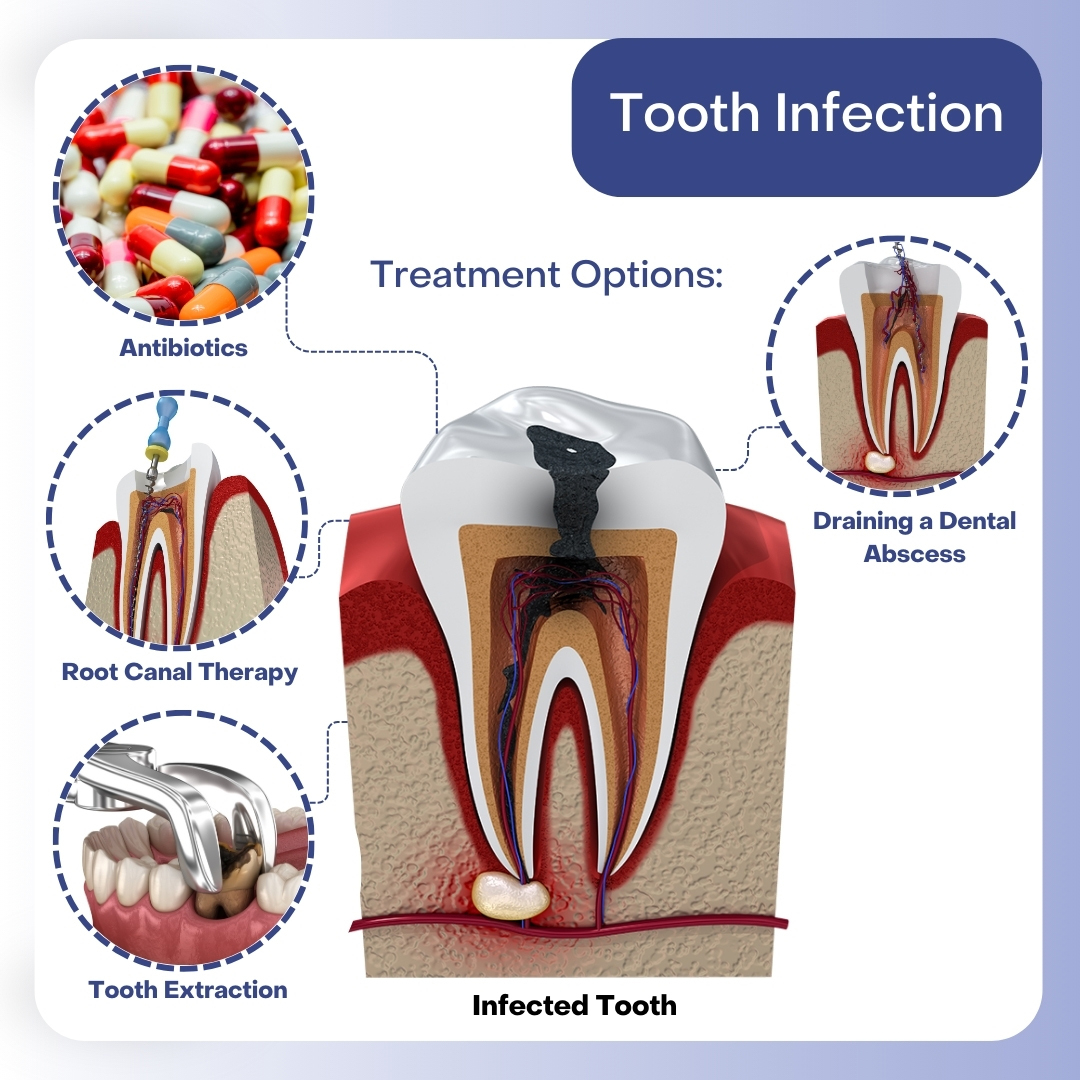
The Economics of Preventative Maintenance
The most effective way to handle the costs of a tooth infection is to ensure they never materialize. From a personal finance perspective, dental hygiene is essentially an insurance policy against high-cost medical bills. Investing in biannual cleanings and routine checkups acts as a hedge against the volatility of emergency dental work. When you calculate the return on investment (ROI) of a $150 cleaning versus a $3,000 emergency procedure, the fiscal argument for routine preventative care is indisputable.
The Hidden Costs of Emergency Intervention
When an infection reaches the point of emergency, you are no longer a “smart shopper.” You are a captive consumer. Emergency dentists often charge premiums for after-hours work, and hospitals charge facility fees that can dwarf the cost of the actual procedure. By failing to address symptoms early, you effectively surrender your leverage in the marketplace, forcing yourself to pay whatever the provider dictates to achieve immediate pain relief.
Navigating Insurance and Benefit Structures
Understanding your dental coverage is the first step in mitigating the financial damage of an infection. Many individuals carry dental insurance without fully grasping the nuances of their “Annual Maximum” and “Waiting Periods.”
Analyzing Policy Limitations
Most dental plans operate on an annual maximum, typically ranging from $1,000 to $2,000. If your infection requires a multi-stage procedure, you must map out the timeline strategically. If you are near your maximum, it may be beneficial to schedule part of the treatment at the end of the current year and the remainder in January to maximize your benefit allowance across two separate policy years.
Out-of-Network vs. In-Network Financial Impact
When in pain, many patients opt for the nearest provider regardless of their insurance network status. This is a critical financial error. Staying in-network guarantees negotiated rates; going out-of-network leaves you vulnerable to “balance billing,” where the dentist charges the difference between their standard rate and what the insurance company deems “reasonable and customary.” Always verify network status before finalizing your appointment to avoid unexpected liabilities.

Emergency Funding Strategies for Dental Procedures
If you lack sufficient liquid savings to cover the immediate cost of a tooth infection, you must leverage financial tools designed for short-term liquidity. However, this must be done with extreme caution to avoid high-interest debt cycles.
Utilizing Health Savings Accounts (HSA) and FSAs
If you have an HSA or an FSA, these should be your first line of defense. The tax advantages of these accounts mean that you are effectively receiving a discount on your dental procedure equal to your marginal tax rate. If you have been contributing to an HSA, you have pre-funded this emergency; utilize these funds before dipping into your emergency cash reserves.
Third-Party Financing and Credit Management
In instances where personal capital is exhausted, providers often offer financing through third-party platforms. While these programs provide the immediate liquidity needed to stop an infection, they often come with deferred-interest traps. If you use a medical credit card, you must treat the balance as a priority debt. Failure to pay off the principal within the promotional period can lead to retroactive interest charges that significantly inflate the total cost of the dental work.
Negotiating with Providers
It is a common misconception that medical pricing is non-negotiable. While this is true for large hospitals, many private dental practices are willing to offer cash discounts or interest-free payment plans if you approach them with transparency. If you explain your financial situation and offer to pay a portion upfront, many practitioners will prefer a guaranteed payment stream over the uncertainty of collection agencies. Ask for a “Fee-for-Service” discount, which eliminates the administrative cost of processing insurance claims.
Long-Term Financial Planning for Oral Health
A tooth infection should serve as a wake-up call to audit your broader financial strategy regarding healthcare. You must transition from a reactive state—where you respond to pain—to a proactive state—where you budget for health as a fixed operating expense.
Building the Health Emergency Fund
Your standard emergency fund (typically three to six months of expenses) should specifically account for medical deductibles and out-of-pocket maximums. If your insurance plan has a $3,000 out-of-pocket maximum, you must treat that $3,000 as a restricted portion of your savings. This is not “fun money” or “investment capital”; it is a tactical reserve that exists solely to protect your health without forcing you into high-interest debt.
Investing in Supplemental Dental Plans
For those whose employers do not provide adequate coverage, supplemental dental insurance or membership clubs can be a viable investment. Many private practices now offer “in-house” membership plans for a monthly fee. These plans often provide unlimited access to cleanings and significant discounts on major procedures, effectively turning the volatile expense of emergency dentistry into a predictable monthly overhead.

The Opportunity Cost of Neglect
Finally, consider the opportunity cost of dental neglect. A severe infection can lead to time away from work, lost productivity, and the potential for long-term health complications that impact your ability to earn an income. From a personal finance perspective, your health is your most valuable asset. The money you spend today to clear an infection and restore your oral health is an investment in your future earning potential. By managing the financial aspect of the infection with the same rigor you apply to your investment portfolio, you protect your bank account from the cascading costs of medical crisis.
In conclusion, managing a tooth infection is a masterclass in financial triage. It requires the quick identification of resources, the strategic application of insurance benefits, and the refusal to let a health emergency become a long-term debt catastrophe. By planning for these costs, you ensure that your financial health remains as robust as your physical health.
aViewFromTheCave is a participant in the Amazon Services LLC Associates Program, an affiliate advertising program designed to provide a means for sites to earn advertising fees by advertising and linking to Amazon.com. Amazon, the Amazon logo, AmazonSupply, and the AmazonSupply logo are trademarks of Amazon.com, Inc. or its affiliates. As an Amazon Associate we earn affiliate commissions from qualifying purchases.