
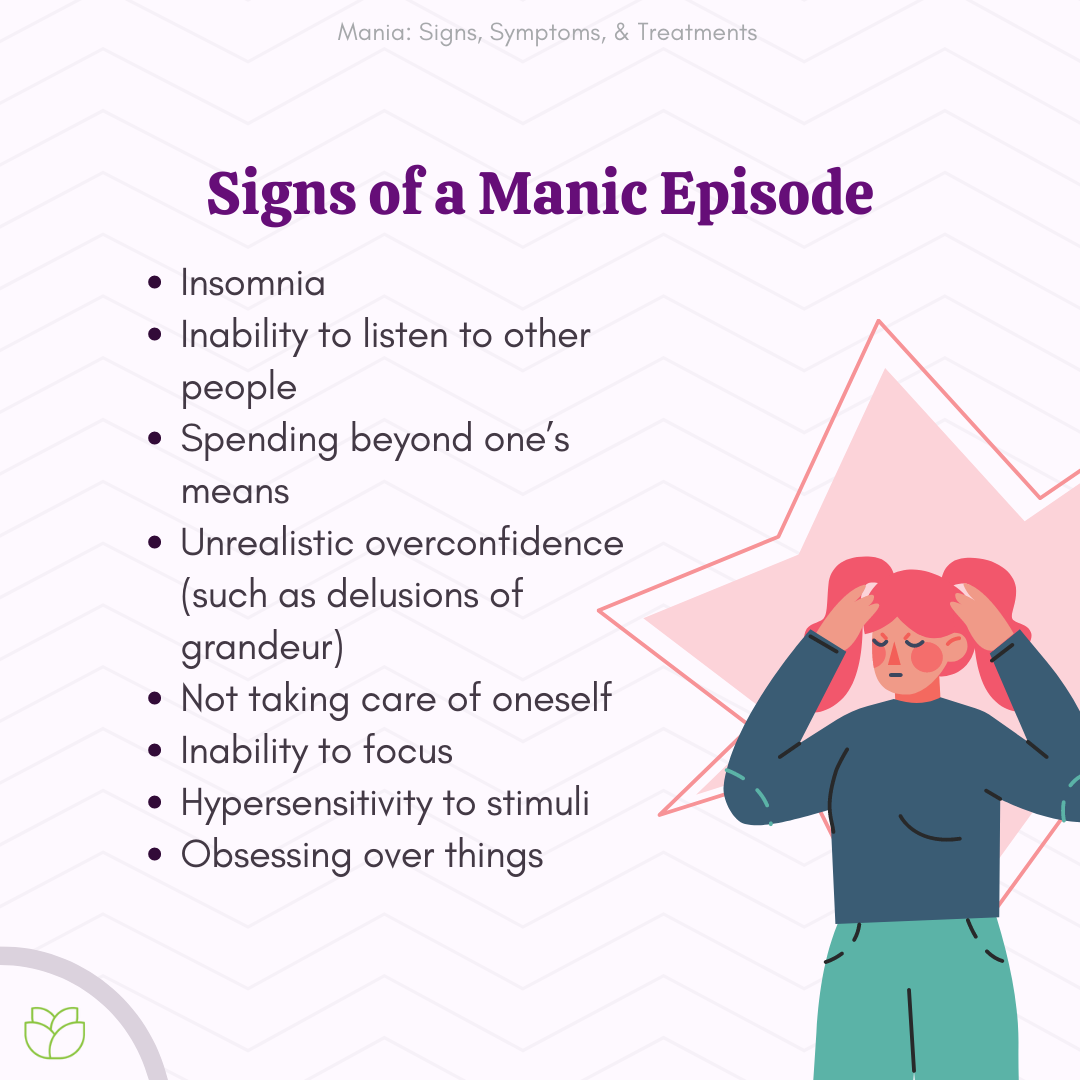
When we discuss personal finance, we often focus on the mechanics of saving, the nuances of asset allocation, and the discipline of long-term wealth building. However, financial health is inextricably linked to behavioral health. A manic episode—a core diagnostic criterion for Bipolar I Disorder—is a period of abnormally elevated, expansive, or irritable mood and increased energy. While these episodes are clinical in nature, their impact on an individual’s financial standing can be catastrophic if not understood through a risk-management lens. Recognizing the financial red flags associated with mania is essential for maintaining long-term economic stability.

The Neurobiology of Impulsivity and Financial Risk
To understand why a manic episode leads to poor financial decision-making, one must look at the neurochemical shifts occurring in the brain. During a manic phase, there is often a dysregulation of dopamine, the neurotransmitter associated with reward, motivation, and goal-directed behavior. When dopamine levels spike, the brain’s “reward pathway” becomes hyper-sensitive.
The Erosion of Executive Function
The prefrontal cortex, the area of the brain responsible for impulse control, delayed gratification, and long-term planning, often shows decreased activity during mania. In financial terms, this is the equivalent of removing the “brakes” from your economic engine. The ability to weigh the consequences of a transaction—whether it is a high-stakes investment or a luxury purchase—is severely compromised. The individual feels a sense of invincibility, leading to a profound underestimation of risk.
The “Dopamine Loop” in Spending
When an individual is in a manic state, the act of spending money provides an immediate, artificial dopamine hit. This creates a cycle where the person seeks out increasingly risky or expensive activities to maintain that heightened emotional state. Unlike a calculated financial risk, where a person weighs potential losses against potential gains, manic spending is often untethered from reality. The person may believe they have unlimited resources or that they are on the verge of a massive financial breakthrough, regardless of their actual bank balance.
Common Financial Manifestations of Mania
Financial disruption during a manic episode rarely manifests as simple overspending. Instead, it often takes the form of grand, ill-conceived ventures that can dismantle years of disciplined saving in a matter of days or weeks.
The Illusion of Entrepreneurship
A frequent occurrence during a manic episode is the sudden, intense conviction that one is ready to launch a complex business or venture. This often leads to the immediate liquidation of assets—such as withdrawing from 401(k) accounts or selling off blue-chip stock portfolios—to fund an idea that has not been vetted or researched. The individual may spend thousands of dollars on domain names, inventory, or professional services for a business model that possesses no market viability.
High-Stakes Speculation
The desire for instant, life-changing wealth is a hallmark of the manic experience. During these periods, individuals are significantly more likely to engage in high-risk financial behaviors, such as day trading volatile penny stocks, engaging in options trading without proper experience, or gambling excessive amounts of money. Because the brain’s perception of probability is skewed, the individual often feels “destined” to win, leading to the rapid depletion of emergency funds and the accumulation of high-interest debt.
Excessive Altruism and Spending
Mania is not always characterized by selfish consumption. It often manifests as “pathological generosity.” An individual might decide to pay off a stranger’s medical bills, buy luxury gifts for friends they barely know, or donate exorbitant sums to various causes. While the sentiment behind these actions is positive, the financial reality is that the individual is effectively giving away their future security during a state of diminished capacity.

The Aftermath: The “Crash” and Financial Reconstruction
The financial trajectory of a manic episode usually follows a “boom and bust” cycle. As the manic phase subsides—often leading to a depressive episode—the individual is forced to confront the reality of their financial decisions. This transition period is when the psychological toll is most intense, as feelings of shame, regret, and panic set in.
Managing the Debt Hangover
When the dust settles, the immediate priority is damage control. This involves identifying the extent of the liabilities incurred. This might include maxed-out credit cards, predatory loans taken out during the episode, or tax penalties resulting from early withdrawals of retirement accounts. Restoring financial stability requires a systematic approach, often necessitating the involvement of a trusted family member or financial professional to act as a “gatekeeper” for future financial transactions.
Asset Protection Strategies
For those who have experienced manic episodes, building “financial guardrails” is a critical component of a comprehensive wealth management strategy. This is not about restricting one’s freedom, but about creating structural defenses against future periods of compromised executive function.
- Legal Protections: Some individuals may choose to establish a power of attorney, granting a trusted person the authority to intervene in financial matters if specific, pre-agreed-upon warning signs are met.
- Account Limitations: Using financial tools to cap daily spending, setting up dual-authorization requirements for large transfers, and removing “one-click” purchase options from retail apps can create necessary friction that interrupts impulsive behavior.
- Asset Segregation: Keeping a portion of wealth in accounts that are difficult to access quickly—such as irrevocable trusts or long-term locked investment vehicles—can ensure that at least a baseline of financial security remains intact even if a manic episode occurs.
Building Resilience Through Financial Planning
True financial health requires an honest assessment of one’s vulnerabilities. Just as one might insure a home against a flood or a car against an accident, an individual prone to mania must “insure” their financial life against the risks inherent in their medical condition.
The Role of Financial Transparency
Secrets and financial mismanagement thrive in isolation. Maintaining transparency with a spouse, partner, or financial advisor is the most effective deterrent to the catastrophic consequences of impulsive financial behavior. By having a third party who understands the potential for these episodes, an individual can ensure that there is a “check and balance” system in place.
Shifting Focus to Long-Term Stability
When managing money, it is vital to decouple one’s self-worth from the volatile highs of the market or the excitement of a “big idea.” A stable financial plan is, by definition, a boring one. It relies on consistent, small contributions, diversified portfolios, and boring, predictable growth. For an individual who is susceptible to the dopamine-driven volatility of mania, adopting a conservative, automated investment strategy—where decisions are made by algorithms rather than by the individual on a daily basis—is a powerful way to mitigate risk.
Seeking Professional Support
Financial advisors, particularly those with experience in behavioral finance, can play a pivotal role. They can help clients establish “rules of the road” that remain in effect during both stable and unstable times. Furthermore, working closely with mental health professionals to identify early triggers—such as changes in sleep patterns or heightened irritability—allows for early intervention. If the medical side is managed, the financial consequences are significantly mitigated.
Ultimately, navigating the financial challenges of a manic episode is about creating a system that protects the individual from their own temporary impulses. By understanding the neurobiological link between mood, energy, and financial decision-making, individuals can take proactive steps to safeguard their assets, ensure their long-term economic independence, and focus on health as the foundational asset of their personal portfolio. Financial planning, in this context, becomes not just a tool for wealth accumulation, but a vital component of holistic wellness and self-preservation.
aViewFromTheCave is a participant in the Amazon Services LLC Associates Program, an affiliate advertising program designed to provide a means for sites to earn advertising fees by advertising and linking to Amazon.com. Amazon, the Amazon logo, AmazonSupply, and the AmazonSupply logo are trademarks of Amazon.com, Inc. or its affiliates. As an Amazon Associate we earn affiliate commissions from qualifying purchases.